Data Science works when 6 dimensions align: Goals (value, decisions)
Methods (stats, ML/DL, A/B, viz)
People (DS+ML+Biz+Domain)
Processes (collect→clean→train→deploy→monitor)
Tech (Python/R, TF/PyTorch, cloud, SQL/NoSQL, BI)
Culture (collab, ethics, learning,
DATA
-
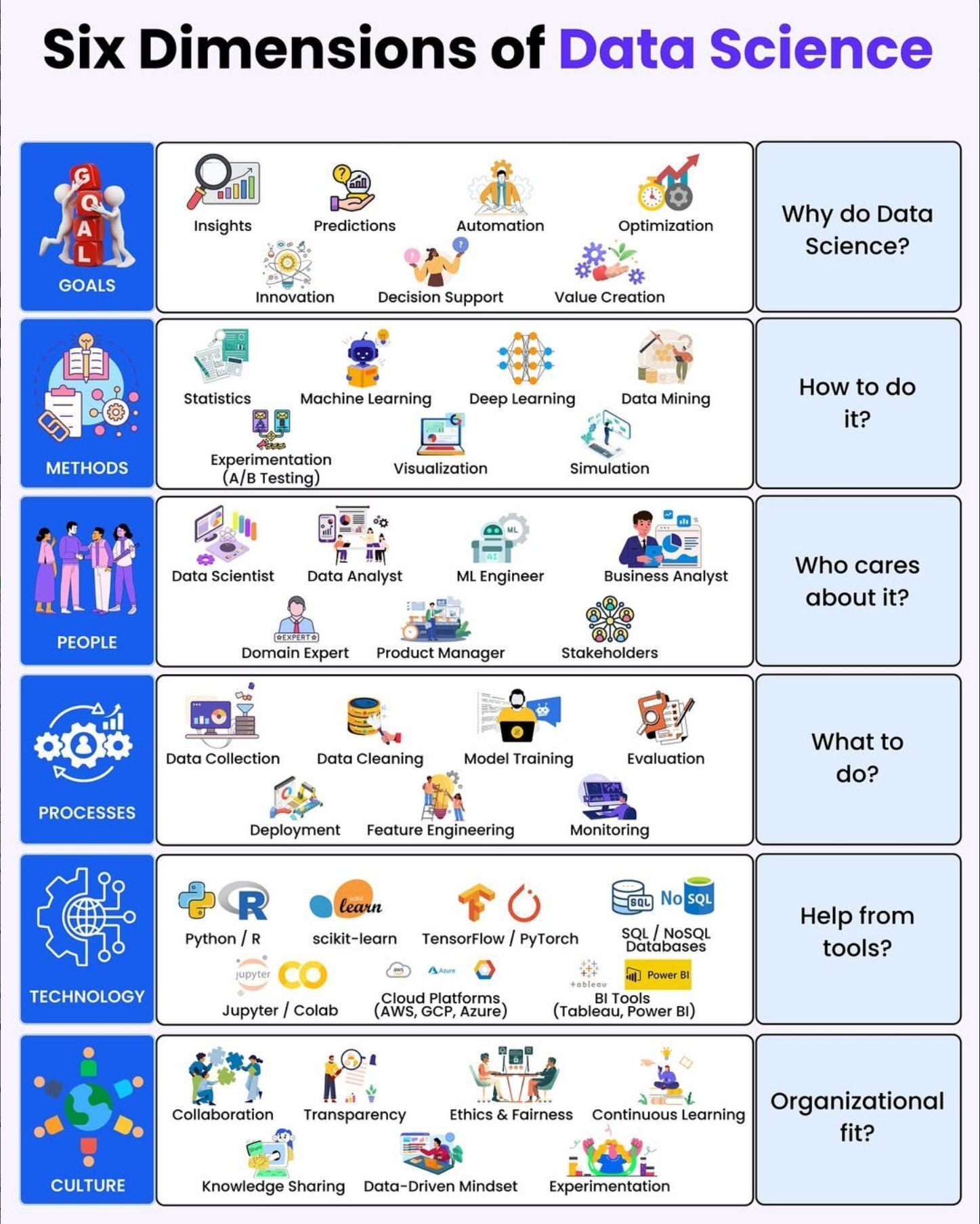
Six Dimensions Aligning Data Science Success Framework
By
–
-
Local vs Top-Tier Models: Balancing Task Efficiency and Data Security
By
–
I use both! Some tasks (crons) work great with locals, some need top tier models. It limits my server/data exposure footprint. I fully understand that it's not perfect, but it's a good step in the right direction.
-
Data Control: Local Processing vs Centralized Corporate Access
By
–
No, but there's still a big difference if you have full control over data and selectively send tokens upstream for processing or if companies have access to all your data and send little parts down to you.
-
Lakeflow Connect Launches Free Tier with 30+ Data Connectors
By
–
Lakeflow Connect now includes a Free Tier, featuring:
– 30+ Built-in Connectors: Seamlessly ingest data from SaaS apps and databases
– 100 Free DBUs Daily: Every workspace can ingest up to ~100M records/day at no cost
– Unified Governance: Full lineage and security via Unity -
Context as Operating Model for AI Systems
By
–
That is why “context” is not a soft concept. It is the operating model of the business, made usable for AI. In practice, that means: → What does this metric actually mean?
→ When should this rule apply?
→ Why does this policy exist?
→ What is this decision trying to -
Build AI Foundation Before Scaling: Data Governance Strategy
By
–
The big takeaway for me: Before scaling AI, build the foundation. → Start with the business problem, not the model
→ Define the process, policies, and metrics
→ Govern access to certified data products
→ Keep humans in the loop to validate and monitor That is how you get -
AI Agents Challenge Alignment Like Self-Service BI Did
By
–
The clearest analogy is self-service BI. We democratized data.
We sped up access.
But we also created endless KPI debates. Why? → Different teams used different definitions
→ Different reports showed different numbers
→ Humans could still stop, argue, and align AI agents -
Single Platform Architecture Reduces Industrial IT Operational Overhead
By
–
Five separate systems require five different skill sets to maintain and troubleshoot. Single platform architecture reduces the operational overhead that limits industrial IT teams.
-
Platform consolidation reduces data integration complexity in industrial projects
By
–
Platform consolidation eliminates the integration complexity that breaks industrial data projects. Multiple vendors mean multiple failure points and incompatible configurations across the data path.
-
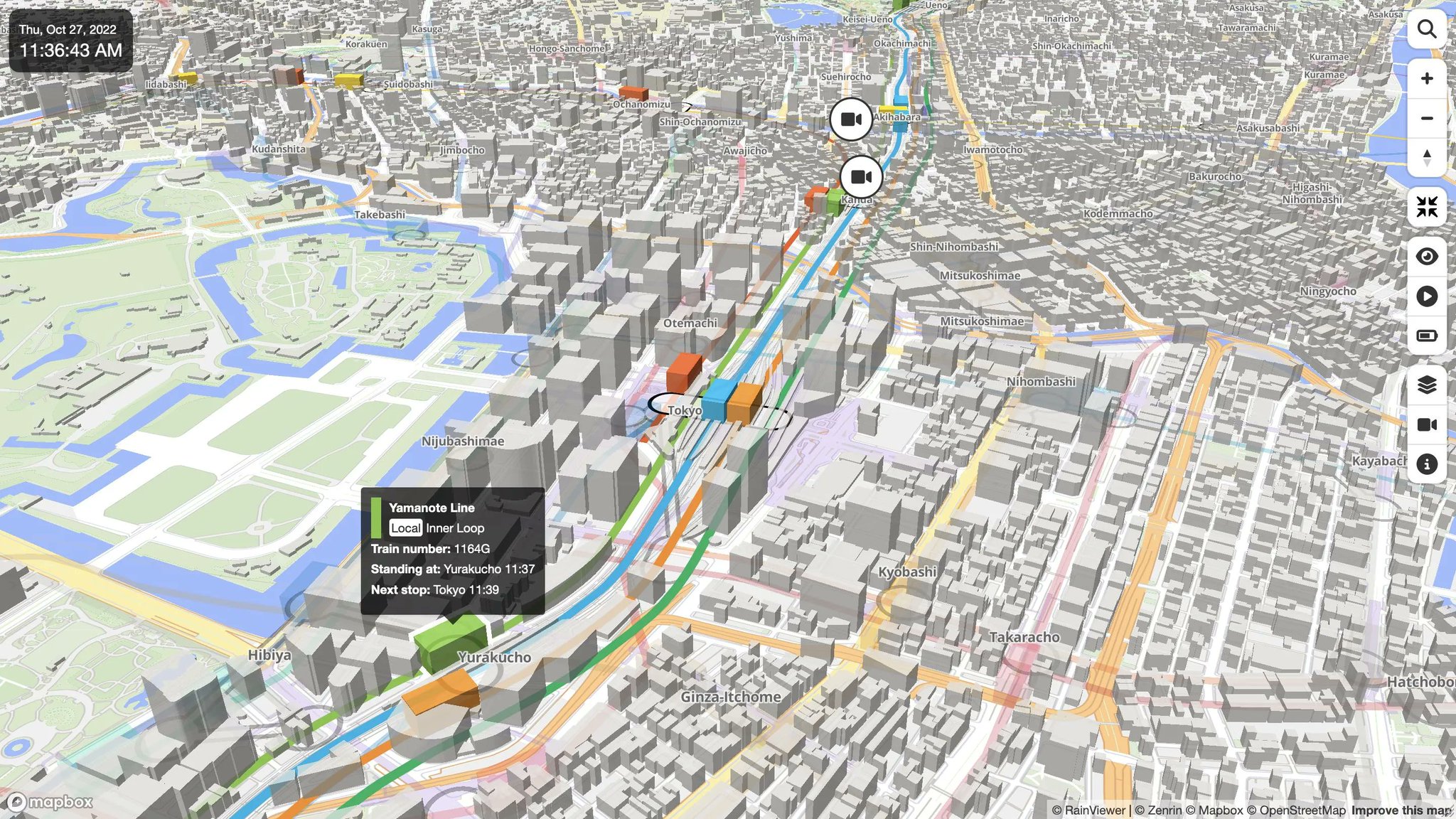
Japan Releases Advanced LiDAR Digital Twin Datasets
By
–
The Japanese take their digital twins very seriously. Some amazing LiDAR and CityGML 3D datasets released by them too.