Linkedin AI Bros are so ahead of us
CULTURE
-
Imagination Over Tools: Why Ambition Is The Real Bottleneck
By
–
Imagination being the new competitive advantage is right but it's harder to develop than people admit. Most people given unlimited AI execution still default to incremental ideas. The bottleneck isn't tools, it's ambition.
-
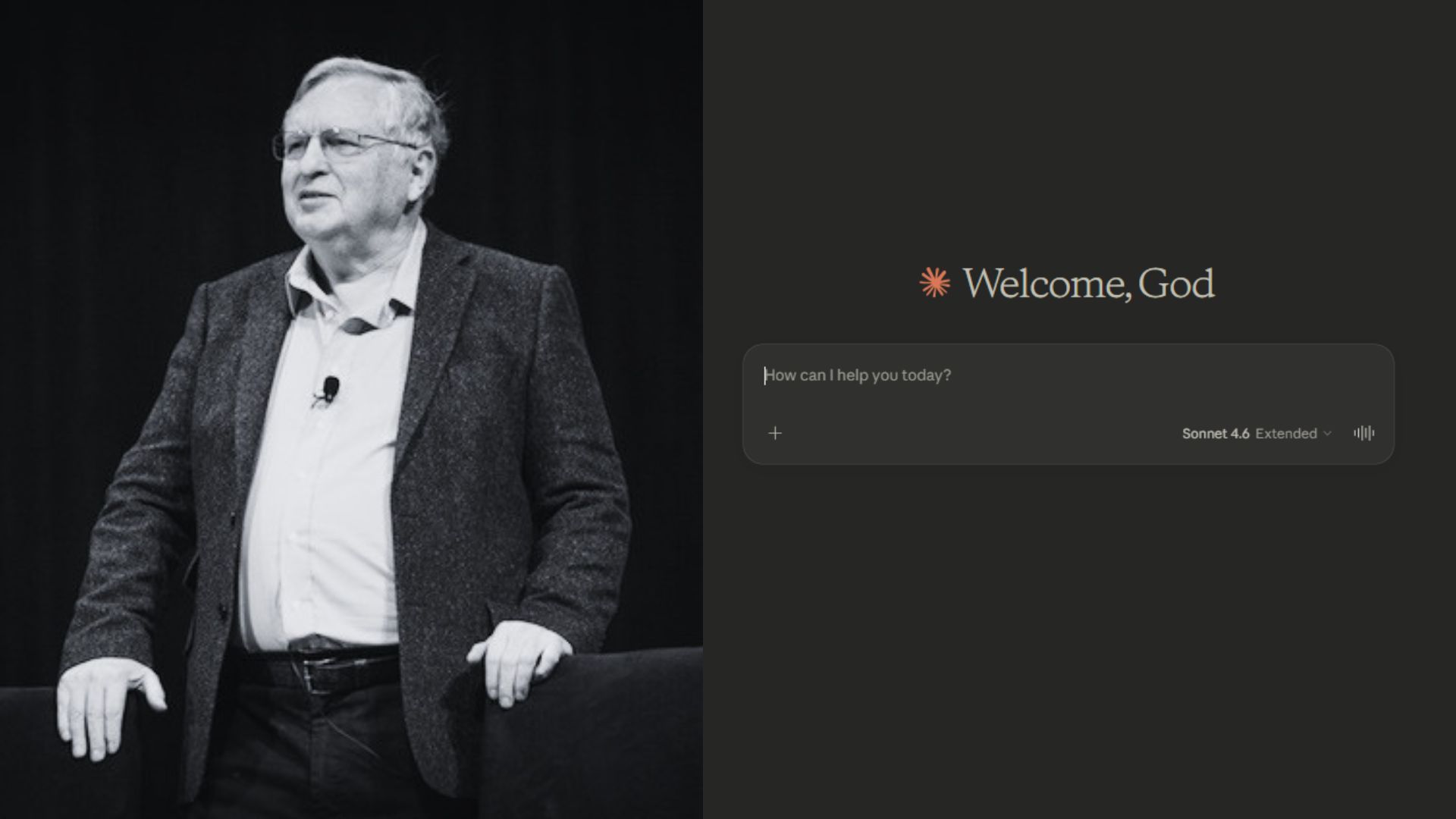
6 Claude Prompts for Winston’s MIT Framework
By
–
Claude can now prepare your presentations using the exact framework Patrick Winston taught MIT students for 40 years (for free). Here are 6 insane Claude prompts that apply his framework to your presentations. (Save before this disappears)
-
Human-Written Tweets: Authenticity Over AI Generation
By
–
J’ai ajouté à mon profil : Mes tweets sont écrits par mon cerveau. Pas par GPT, ni Claude ni Grok ni Gemini C’est important de savoir quand un compte n’utilise JAMAIS l’IA pour tweeter C’est mon cas On aime ou on aime pas…. Mais c’est moi
-
History of AI extinction concerns from Čapek’s robots to modern times
By
–
(Depending on how we mark the history, I think I'd currently point to the lineage of extinction concerns as beginning with Karel Čapek in 1920. Čapek coined the word 'robot', meaning 'worker', in a play R.U.R. about how these unpaid robots had rebelled and wiped out humanity. Čapek's politics were not particularly right-wing, if that part matters much to you; he was a staunch anti-fascist in the 1920s sense of that term. One can obviously point to even earlier precedents like Frankenstein, or the Golem of Prague. To mark a "starting point" of any real intellectual history is usually rather arbitrary. But neither Frankenstein nor the Golem constitute a mass-manufactured race of unpaid servants, who then turn on humanity as a whole and exterminate it; so I'm picking Rossum's Universal Robots. Čapek's story was mostly an ungrounded what-if; it was simply taken for granted that the Robots (workers) were sufficiently human-derived or human-imitative to resent working for free. I think R.U.R. nonetheless can be declared the start of the intellectual lineage even if it doesn't make a careful argument; because R.U.R. makes the fair and obvious point that if you are manufacturing a powerful new servant species, it could perhaps turn on you and destroy you. This is a reasonable thing to worry about even before you start looking into further details of careful arguments! Čapek did not need to be a secret tool of (nonexistent) robot manufacturers looking to pump their stock prices, to observe that building a powerful new sapient race, supposedly to serve humans, might have some unpleasant consequences. It's in fact an obvious sort of concern; which is why historically speaking the word "robot" was coined back when "computer" still meant a human who worked a mechanical calculator. The very first story about "robots", manufactured workers, observed that such a race of manufactured beings might possibly turn on humans and wipe them out. Some later key figures in working out more detailed reasons for concern, beyond R.U.R.'s what-if, would on my accounting include the editor John Campbell, the writer Isaac Asimov, and the academic mathematicians I. J. Good and Vernor Vinge. All of them lived far too early to be secret clever tools of AI companies. The first two wrote before ENIAC. And of course I started on this a couple of decades before the current AI companies as well.)
→ View original post on X — @esyudkowsky, 2026-04-01 02:33 UTC
-
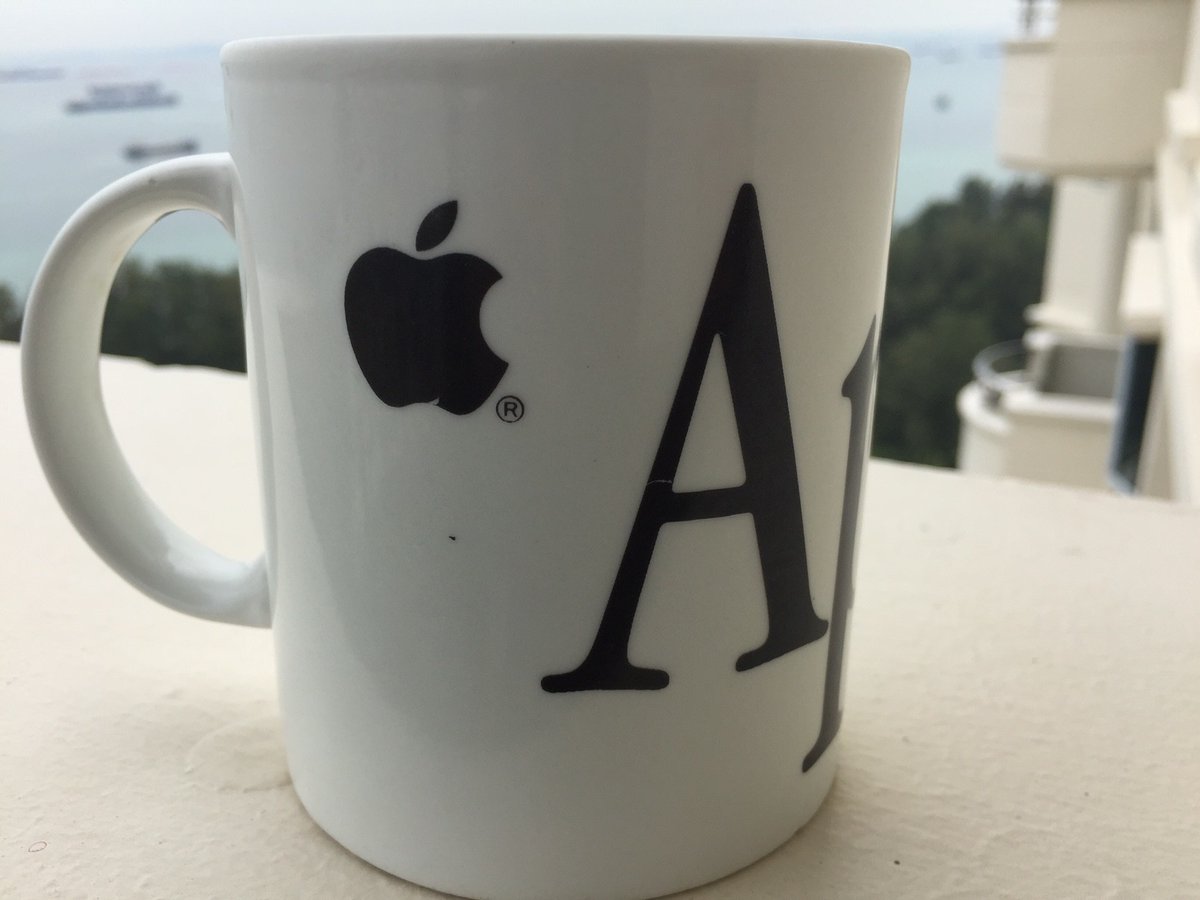
Apple at 50: From Fanboy to Changed by Steve Jobs’ Vision
By
–
Apple turns 50 today. I'm not a fanboy anymore. But does that matter? These words are being typed on a MacBook, after I read the morning news on my iPad, before which I woke up to an iPhone alarm – with a meditation track on my AirPods. Like millions of others, it's still woven into the rhythm of my days. But that's not all. Some of the most formative years of my career were at Apple, when Steve Jobs had just returned. The dot-com crash was swallowing companies around us – but in our little office at MG Road, Bangalore, we were oblivious. We’d crowd around the iMac, slide the Monthly Update CD from Cupertino into its magentic slot, that went in with a hypnotic whoosh, ("no ugly CD trays, you know"), and watch Steve own the stage like no one else could. “Forget the specs. Focus on the user benefits.” “It’s not the customer’s job to know what they want.” "The people who are crazy enough to think they can change the world are the ones who do." "We are here to make a dent in the universe." We believed every word. They became our mantras for life. And the pace was dizzying. Every few months, a new marvel came into our lives – the iMac, the iBook, the iPod, the PowerMac, even the Cube, a commercial failure that you couldn't stop staring at. They were sculptures that happened to compute. Apple made us believe that technology could move you the way a painting does. Steve made us believe that rockstars don’t always hold a guitar. So yes, I'm not a fanboy anymore. But Steve – and Apple – changed me in ways I'm still discovering. The world is being rewritten again. This time, by AI. I hope Apple makes a dent in this new universe too. Here's to the next 50.
→ View original post on X — @parrysingh, 2026-04-01 02:33 UTC
-
Neuralink for Rizz: Neural Enhancement Social Skills
By
–
We need a neuralink for rizz so we don't get left behind
-

SambaNova at AI Dev 26 x SF Conference April 28-29
By
–
Devs, get pumped 🦾 We’ll be at AI Dev 26 x SF April 28–29 Get ready to learn, hack, & geek out with the AI community. Details here 👇 eventbrite.com/e/ai-dev-26-x…
→ View original post on X — @sambanovaai, 2026-03-31 21:12 UTC