Join me later today for my latest #livestream – 'Why You Must Get Quantum Ready Now' > 4PM UK | ET 11AM | PT 8AM | CET 5PM LinkedIn > https://
lnkd.in/gsq28F2
Twitter > https://
lnkd.in/ehrXiUW
Facebook > https://
lnkd.in/e_9hcfph
YouTube > https://
lnkd.in/dMhGX2q 2024 saw
COMPUTING
-

Why You Must Get Quantum Ready Now
By
–
-
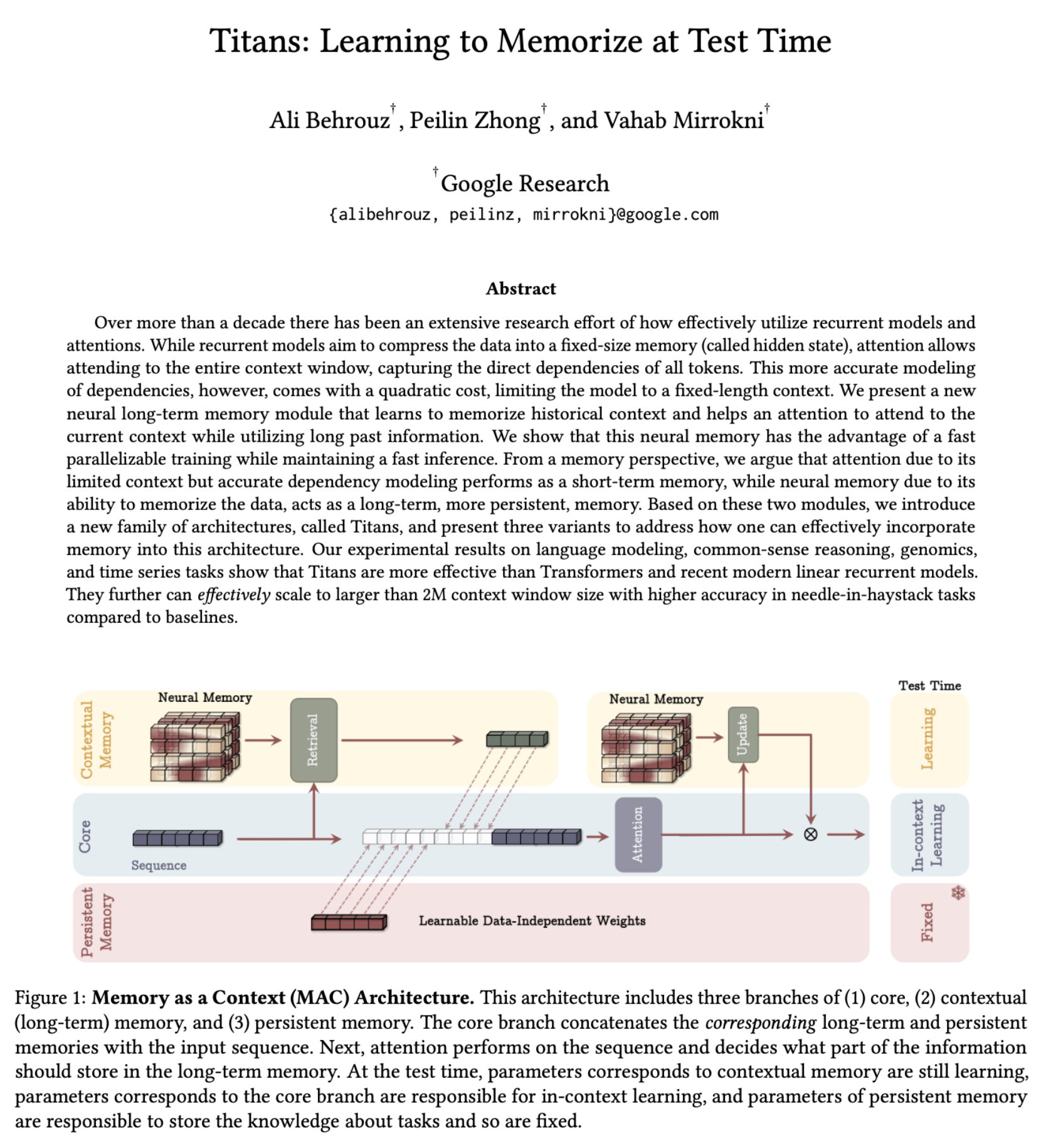
Data and Compute Drive Shorter AGI Timelines
By
–
stuff like this is why AGI timelines are so short more data and more compute continues to be the answer these new architectures shorten the feedback loop for more data, and find new ways to scale compute. do that well enough and you have AGI
-
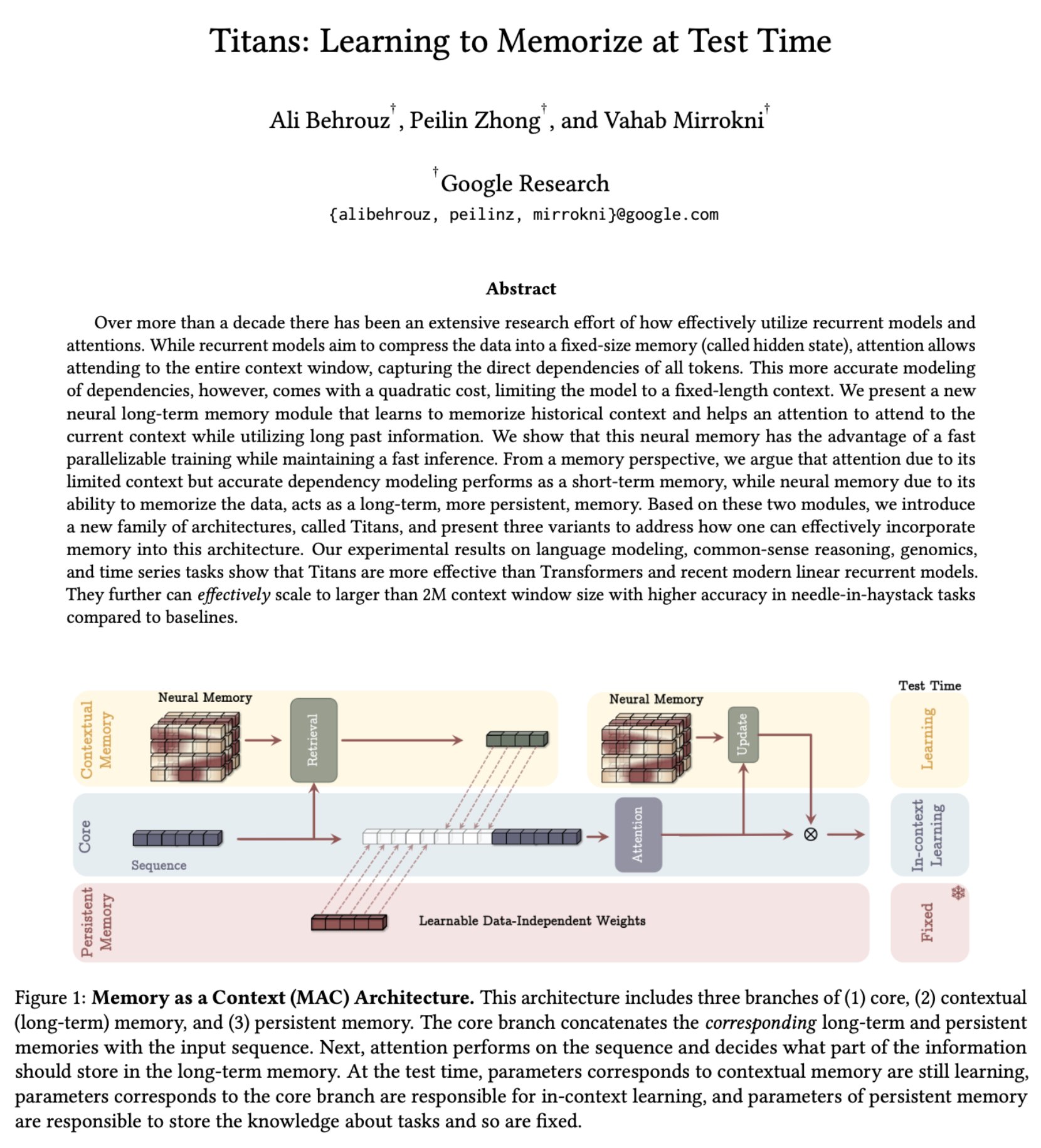
Scaling Data and Compute as Path to AGI
By
–
stuff like this is why AGI timelines are so short more data and more compute continues to be the answer these new architectures shorten the feedback loop for more data, and find new ways to scale compute. do that well enough and you have AGI
-
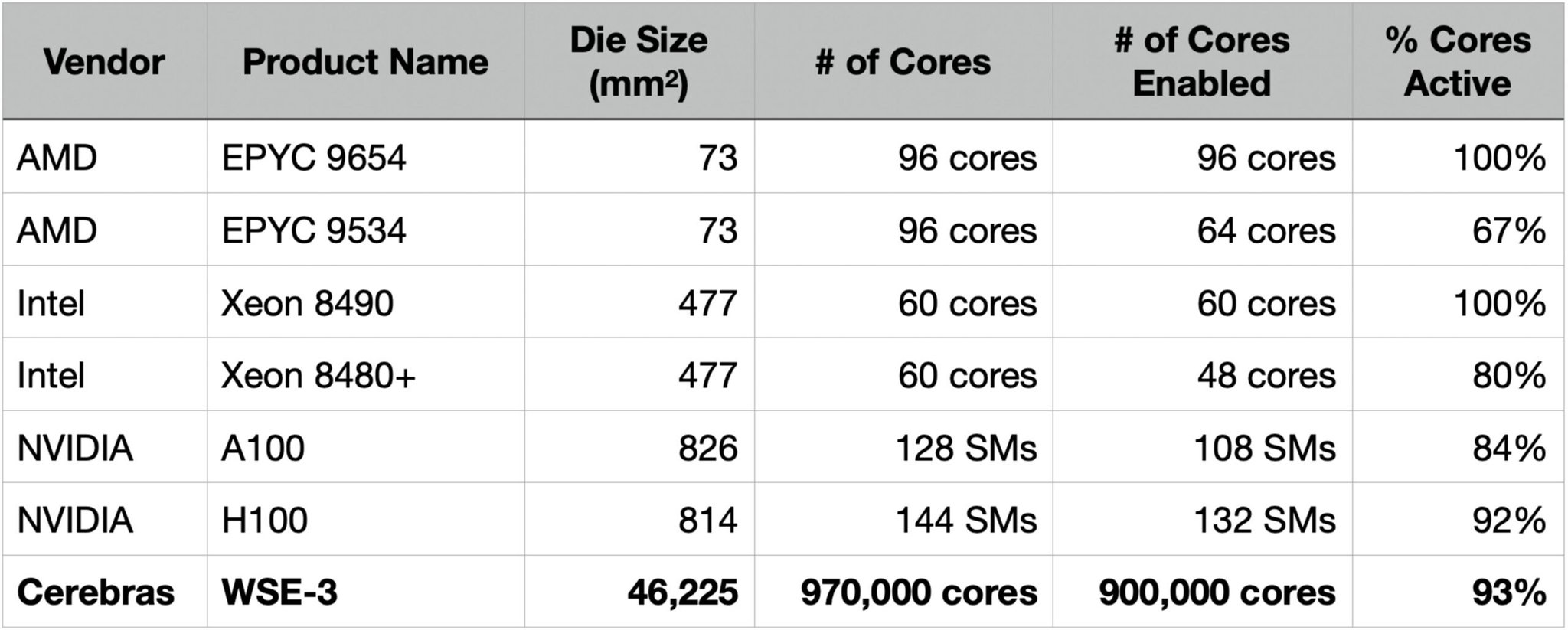
WSE-3 Wafer Scale Engine Achieves 93% Silicon Utilization
By
–
Despite being the world’s largest computer chip, the WSE-3 achieves 93% silicon utilization—higher than today’s leading GPU. A tiny core, a self-healing fabric, and a clean software abstraction – that’s how you do wafer scale.
-

WSE Defect Tolerance: 164x Better Silicon Efficiency
By
–
One way to measure defect tolerance is to look at the amount of die area. Assuming 0.001 defects per mm^2, GPUs will see 59 defects disabling 361mm^2 of silicon. On the WSE, it sees 46 defects and loses just 2.2mm^2. That's a 164x reduction in dead silicon area!
-
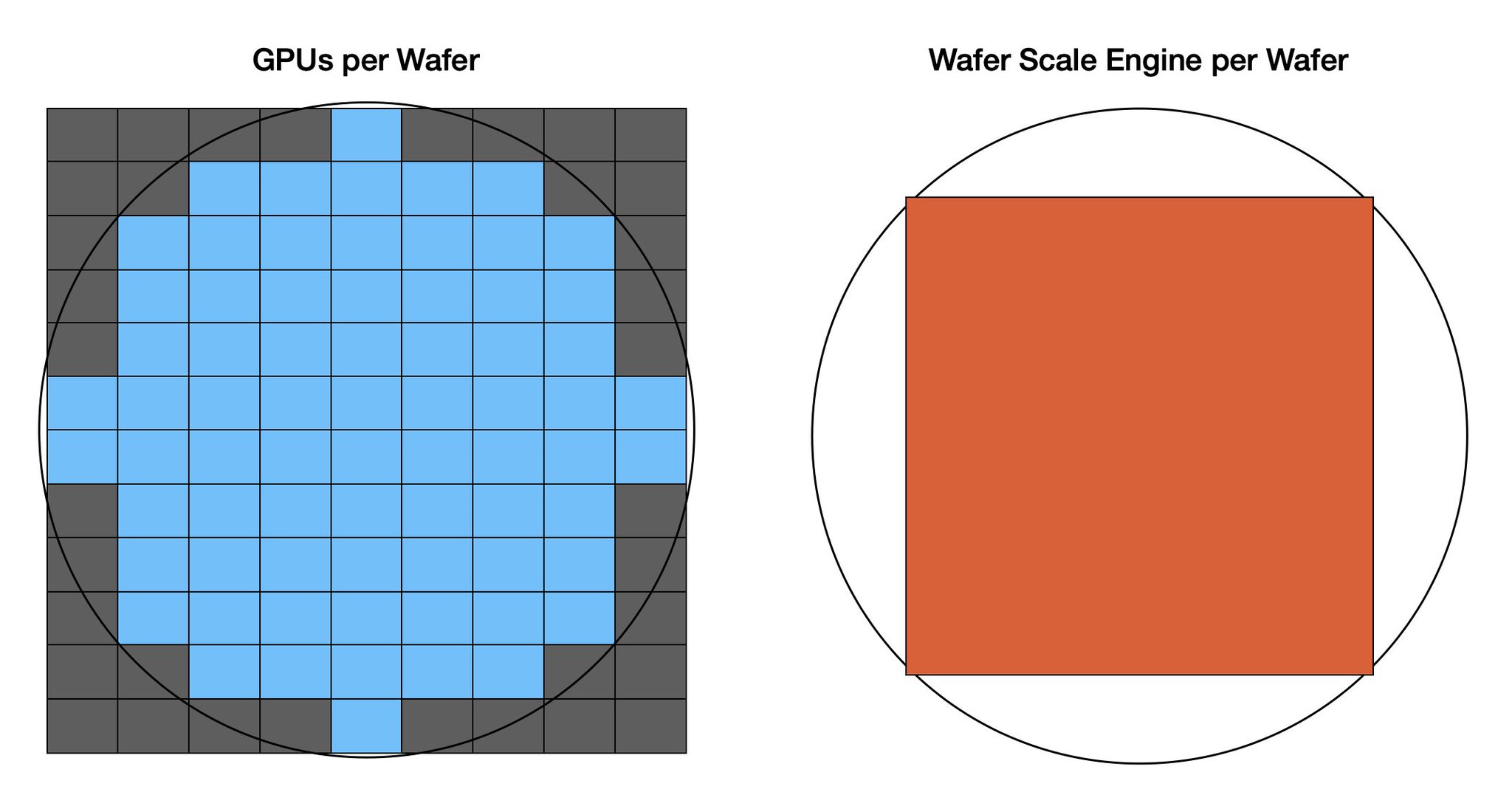
H100 vs WSE: Wafer-Scale Architecture Comparison at 5nm
By
–
Let’s compare at the wafer level. At 5nm, here’s what an H100 sized chip and WSE look like side by side. A 300mm wafer yields ~72 GPUs or one Wafer Scale Engine.
-
Fault-Tolerant Network Fabric with Redundant Communication Pathways
By
–
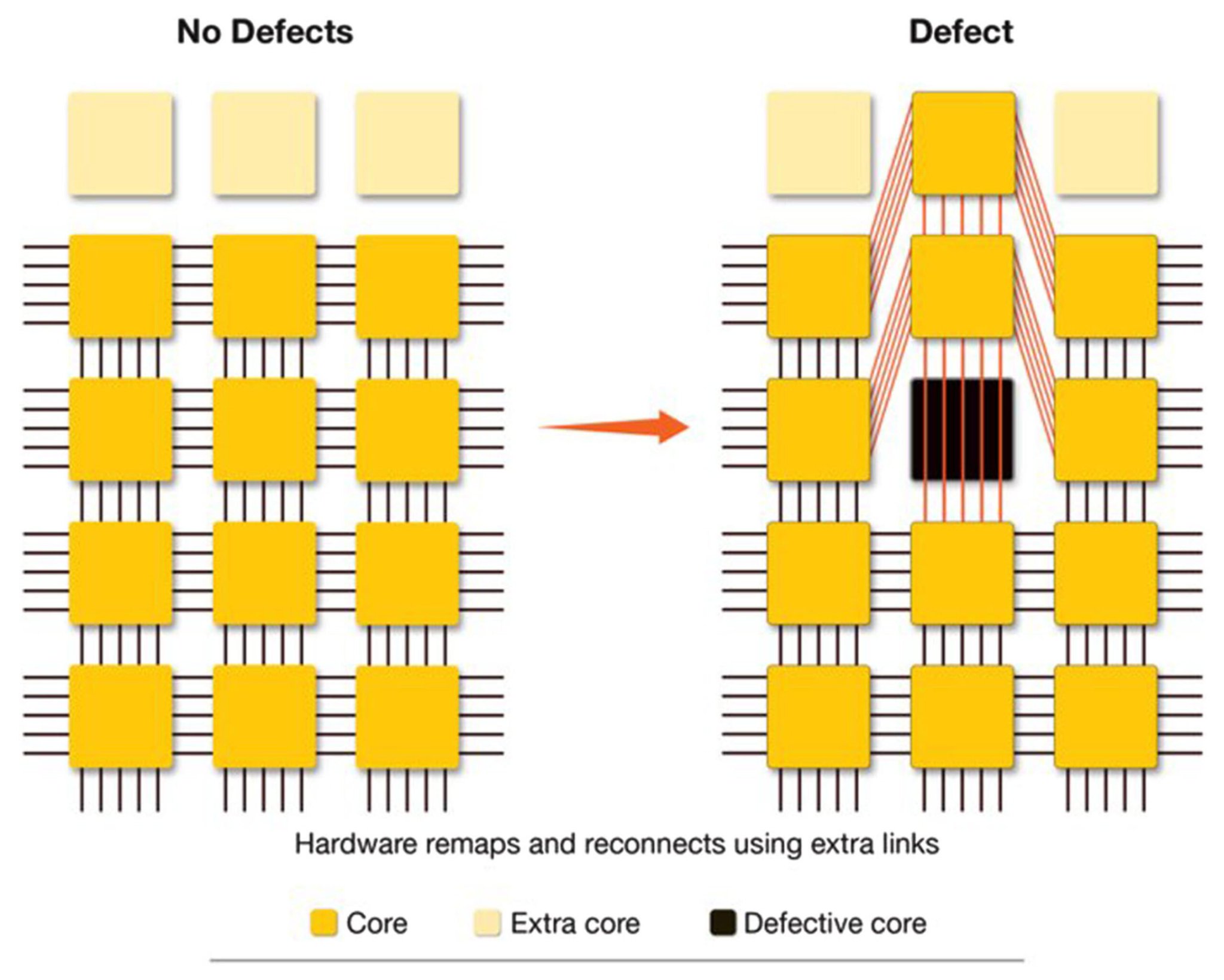
Our network fabric is also fault tolerant. When a defect is detected, the chip automatically routes around it using redundant communication pathways. The software layer presents the chip as a 2D grid even when there are defects.
-

WSE Cores: Tiny Chips Enable Efficient Large-Scale Hardware
By
–
Before we set out to build a large chip, we first designed a tiny core. Each WSE core is just 0.05mm^2 or ~1% the size of an H100 core. When a defect occurs, we lose a tiny amount of silicon relative to GPUs.
-

GPU Manufacturing Defects Impact Chip Performance Yields
By
–
Modern computer chips are far too large to yield perfect chips economically. When you buy a flagship H100 GPU, a dozen cores are either defective or disabled to manage yield. Since GPU cores are fairly large, too many defects can hurt performance.
-

Cerebras Solves Wafer-Scale Chip Yield Problem With Defect Tolerance
By
–
How does Cerebras yield a wafer-scale chip? Our latest blog provides the answers. https://
cerebras.ai/blog/100x-defe
ct-tolerance-how-cerebras-solved-the-yield-problem
…