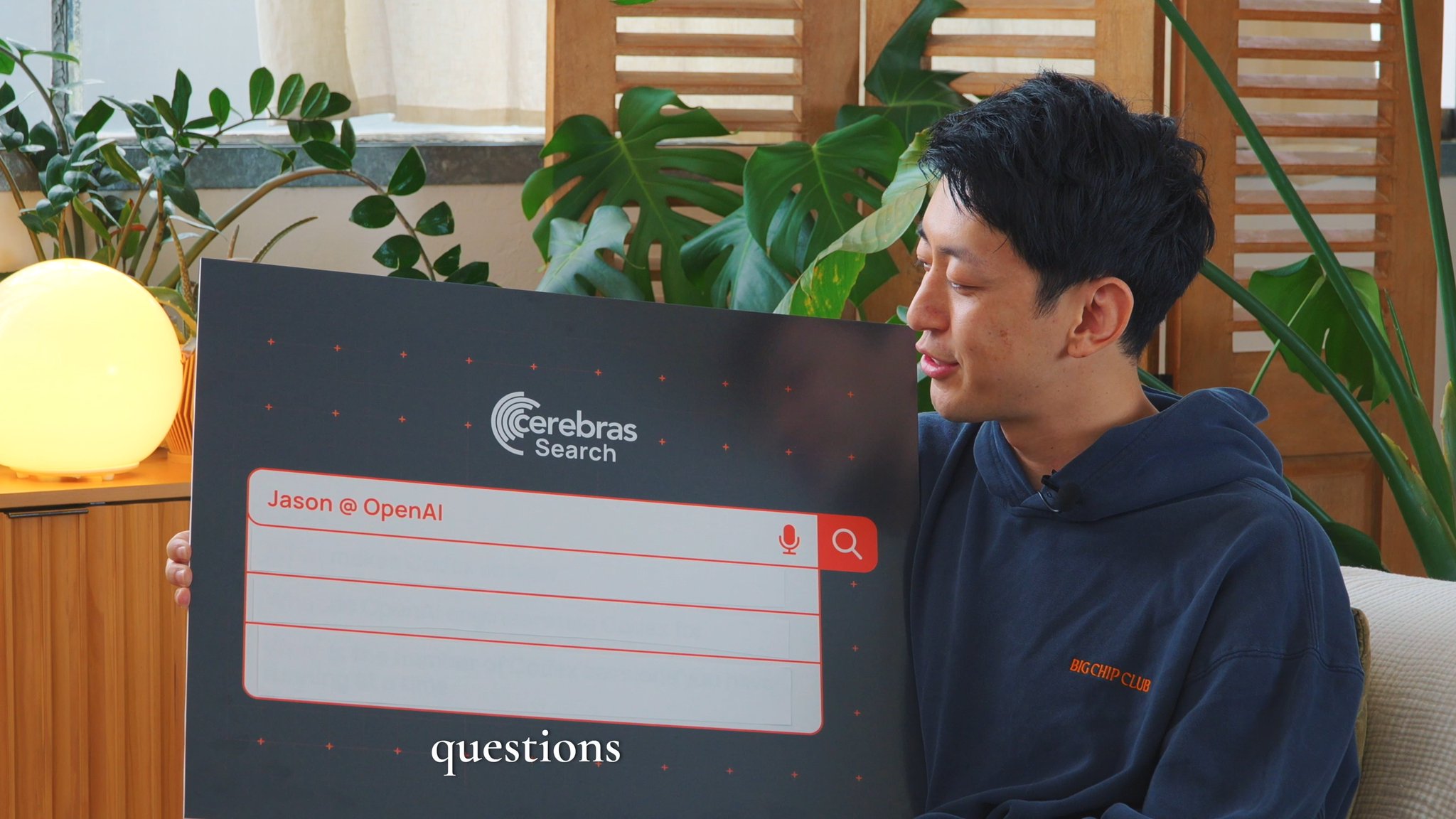
@jxnlco from @OpenAI answers your most asked questions about gpt-5.3-codex-spark — powered by Cerebras Inference. – What is Cerebras and how does it make Spark 15x faster? – What does OpenAI use Codex for internally? – When should you use Codex vs. Codex Spark?
COMPUTING
-
AI Training Shifting from Real Data to Synthetic Sources
By
–
Jensen: AI training is shifting from real-world data to synthetic. Most information we share is already created, not natural. As AI enhances this synthetic data, training will soon be limited by compute power, not data availability. pic.twitter.com/cXgs2kp4pt
— Chubby♨️ (@kimmonismus) 24 mars 2026Jensen: AI training is shifting from real-world data to synthetic. Most information we share is already created, not natural. As AI enhances this synthetic data, training will soon be limited by compute power, not data availability.
-
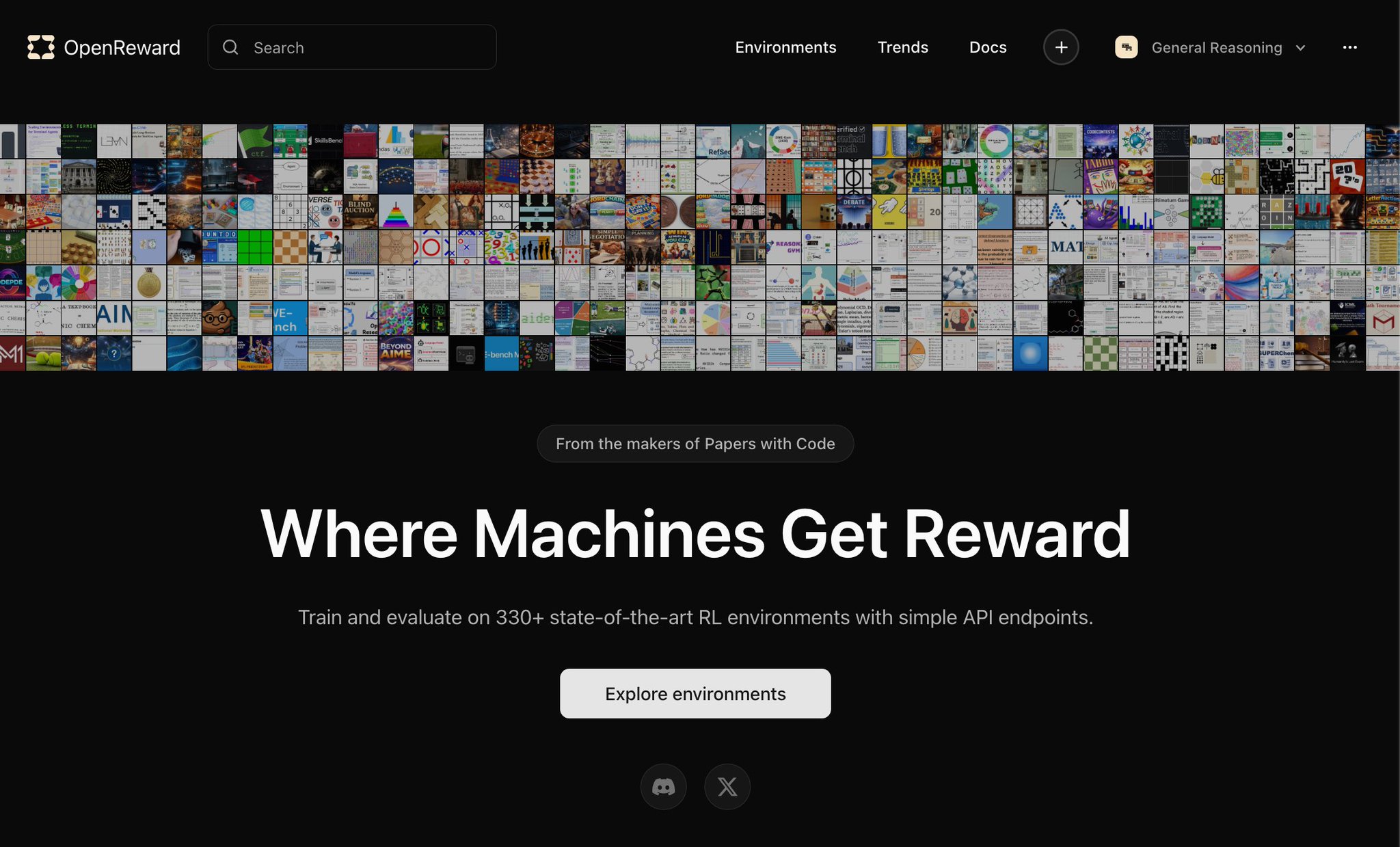
OpenReward Launches 330+ RL Environments API Platform
By
–
The @GenReasoning team just launched OpenReward! One API for 330+ RL environments, autoscaled sandbox compute, and 4.5M+ unique RL tasks. Plugs into Tinker, Miles, and Slime out of the box. The missing piece of RL infra! Give it a try 🙂
-
Edge Inference: Network Latency and Real-Time AI Decisions
By
–
Timing is becoming the real constraint in applied AI. Moving inference to the network edge reduces latency and enables real-time decisions. The network starts to act as a distributed compute layer, supporting operations exactly where and when they are needed.
-
FiloBot: Self-3D Printing Robot Vine Reaches Tight Spaces
By
–
FiloBot: A Vine-Like #Robot That #3D Prints Itself to Reach Tight Spaces
— Ronald van Loon (@Ronald_vanLoon) 24 mars 2026
by @_fluxfeeds#Innovation #EmergingTech #Technology pic.twitter.com/nuUNTn3CSxFiloBot: A Vine-Like #Robot That #3D Prints Itself to Reach Tight Spaces
by @_fluxfeeds #Innovation #EmergingTech #Technology -

Edge AI Innovation: Metis AIPU and Europa LLM Technology
By
–
At Embedded World 2026, our CEO and co-founder Fabrizio Del Maffeo sat down with Embedded Computing Design to talk about where edge AI is headed and what it actually takes to get there. A few things worth watching for: The dedicated accelerator model. Just as a graphics card handles specialized tasks without burdening the CPU, our AIPUs are purpose-built to run AI workloads efficiently alongside existing processors. No rip and replace, just more capability where you need it. Real-time intelligence at the edge. Physical AI means the machines around us can understand and respond to the world in real time, without a round trip to the cloud. That changes what is possible across industrial, medical, and autonomous systems. Performance that scales. The Metis AIPU delivers 214 TOPS at a fraction of the power and cost of traditional setups, bringing high-performance inference within reach for builders who previously could not justify the tradeoff. What comes next. With Europa on the way, large language models are coming to the edge too. Watch the full conversation here: eu1.hubs.ly/H0sVnCq0 #AxeleraAI #EmbeddedWorld #EdgeAI #PhysicalAI #ComputerVision #Semiconductors
→ View original post on X — @axeleraai, 2026-03-24 07:30 UTC
-
H100 GPU and Time Refunds with AI Claw Assistance
By
–
Sure, send over the H100, my claw will help with the time refunds 🙂
-
Fast AI Performance on Latest Mac Hardware
By
–
It appears to work fast enough to be interesting on the latest Mac hardware
-
Qwen3.5-397B Runs on iPhone with Streaming MoE Weights
By
–
Here's Qwen3.5-397B-A17B- a 397B model – using the streaming MoE weights trick to run on an iPhone! https://t.co/YjBZrUMt9S
— Simon Willison (@simonw) 24 mars 2026Here's Qwen3.5-397B-A17B- a 397B model – using the streaming MoE weights trick to run on an iPhone!