New release from @PacktDataML available at: http://
amzn.to/40Sp4O9 "Design Multi-Agent AI Systems Using MCP and A2A: Engineer your own Python-based Agentic AI Framework with tool use, memory, and multi-agent workflows" Table of Contents:
Introduction to Generative AI and AI
CODE
-
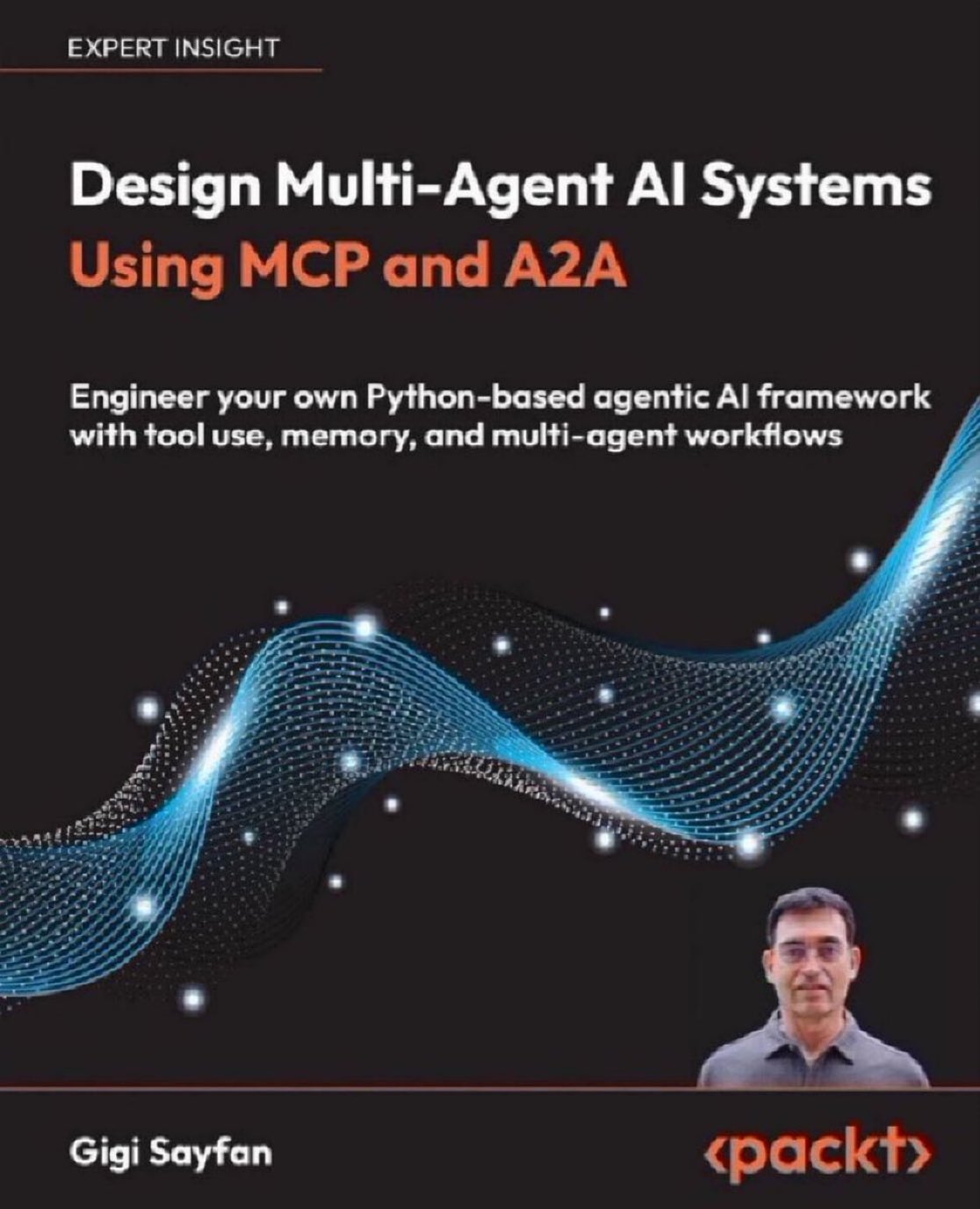
New book on designing multi-agent AI systems with MCP and A2A
By
–
-
AI Agents, MCPs, and Container Safety Mechanisms
By
–
We use both together. In practice, for containers to be useful, you often have to punch some holes: GitHub, Anthropic API, kube, other MCPs. Auto mode makes interacting with these safer. It significantly reduces the risks of accidental data deletion, exfiltration, and prompt
-
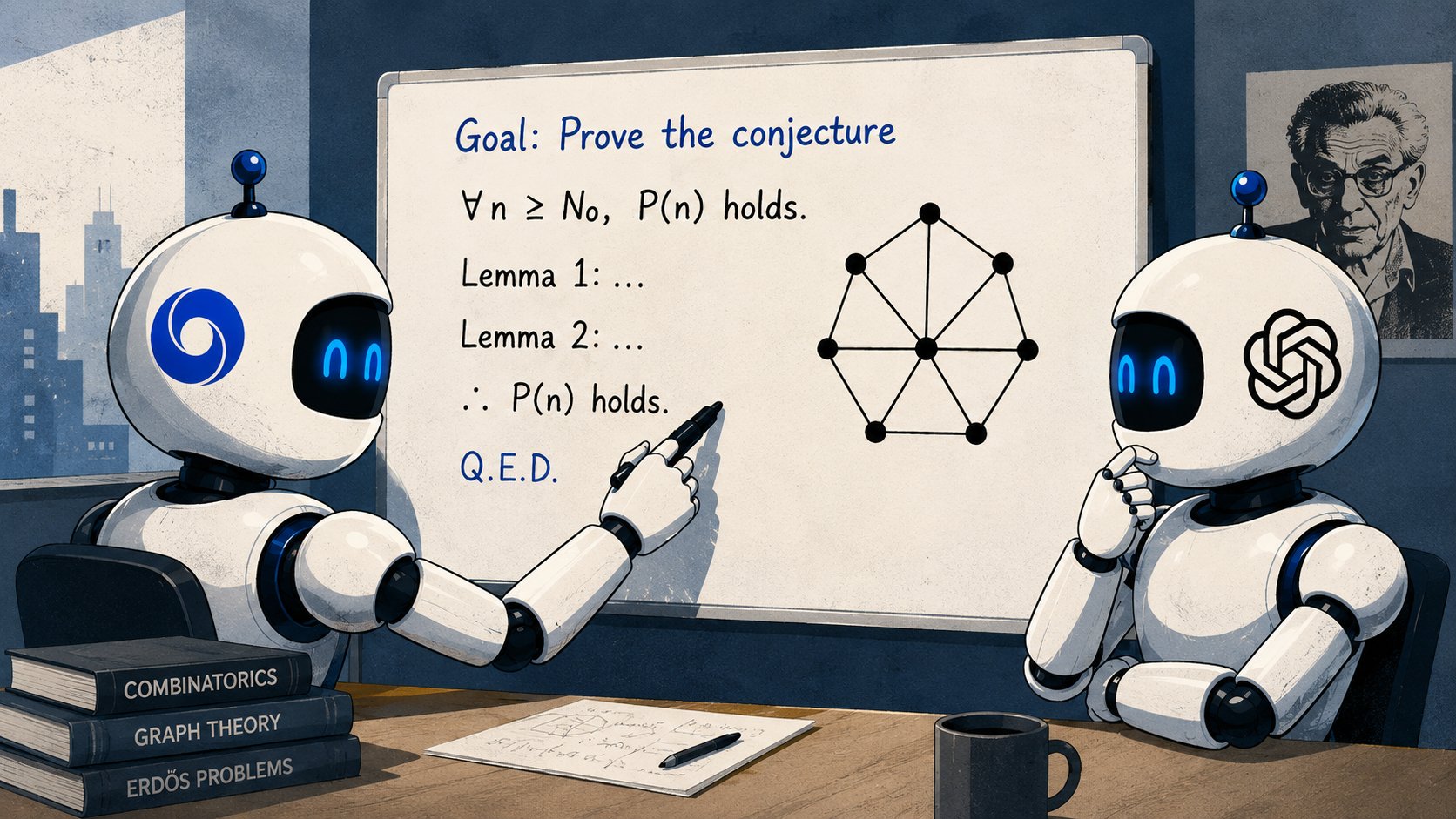
Top AI News: Google’s Math Breakthroughs, AI Secretary, and Critical Vulnerabilities Found
By
–
Top stories in AI today: – Google’s AI cracks nine unsolved math problems
– The Rundown Roundtable: Our AI use cases
– Build an AI secretary that plans your day
– Claude Mythos finds 10,000+ critical vulnerabilities
– 4 new AI tools, community workflows, and more -
Agent Architectures: Thin Orchestrators Over Direct Work
By
–
This matches what's happening in agent systems beyond research too. You would find similar patterns in Claude Code as well. I think the best agent architectures keep converging on thin orchestrators that delegate instead of doing the work themselves.
-
C++ Inference Engine for NVFP4 without MTP
By
–
I believe this is without MTP C++ Inference Engine that's highly optimized for NVFP4
-
Screenshot of new inference engine by @AlpinDale
By
–
Screenshot from the new Inference Engine @AlpinDale is working on
-
Training NLP Models on Amazon Reviews with Python Libraries
By
–
Training AI on Amazon Electronic Reviews Using #Python for Natural Language! – by – @gp_pulipaka
! JupyterLab/Jupyter Notebook WordNet, Lexical Semantic Relation Analyzer
Thesaurus, 155,000 Words
Synset 115,000, 205,000 word-Sense Pair. NLTK Library, spaCy, TextBlob -
Agent Behavior: Each Line Must Change Agent Actions
By
–
The fix is making every line answer "what does the agent do differently because of this?" If a line doesn't change behavior, it's decoration.
-
Self-Play RL vs Static Bug Generation in SWE Training
By
–
The key distinction: Synthetic bug generation is static. Self-play SWE-RL is online. The bug generator and bug solver improve together, so the curriculum changes as the model changes. That is what makes this much more interesting than simply manufacturing more training data.
-

Self-Play SWE-RL: Training Superintelligent Software Agents
By
–
The bottleneck for coding agents may not be code. It may be experience. A new ICML 2026 paper introduces Self-play SWE-RL (SSR): Toward Training Superintelligent Software Agents through Self-Play SWE-RL The question is simple and profound: How do you train software agents