The prediction model expanded from roughly 10 engagement types to 15. The new additions are all negative signals: → P(not_interested)
→ P(block_author)
→ P(mute_author)
→ P(report) Each carries negative weight in the final score. A single block now mathematically pushes
AI
-
Technical breakdown of engagement prediction model weightings
By
–
-
Technical Breakdown of Grok’s AI-Driven Ranking and Content Pipeline
By
–
Here's what Grok now controls: → Ranking: Phoenix transformer scores every candidate post
→ Retrieval: Two-Tower model finds out-of-network content using the same Grok architecture
→ Content understanding: A "Grox" pipeline classifies, embeds, and screens every post
→ Topic -
New Phoenix Ranking Model Ported from Grok-1
By
–
The old system used a hand-tuned neural network with manual feature engineering. SimClusters. TwHIN embeddings. Dozens of hand-crafted signals. That system is gone. The new ranking model is called Phoenix. It's ported directly from Grok-1. The repo says it plainly: "We have
-

xAI Integrates Grok Transformer Architecture into X Recommendation Algorithm
By
–
xAI just open-sourced the new X algorithm. I read the full codebase. Grok doesn't "help" the algorithm anymore. Grok IS the algorithm. Every major component of your For You feed now runs on the same transformer that powers Grok the chatbot. Here's what changed and what it
-
Anticipation for Veo 4, Seedance 2.0, and Genie update
By
–
Veo 4 would be almost more exciting than Gemini 3.5. It's surprising how long Seedance 2.0 has remained state of the art. Oh and maybe an update to Genie, googles world model. Google i/o can’t come fast enough
-
A Visual Tour of Recent LLM Architecture Advances
By
–
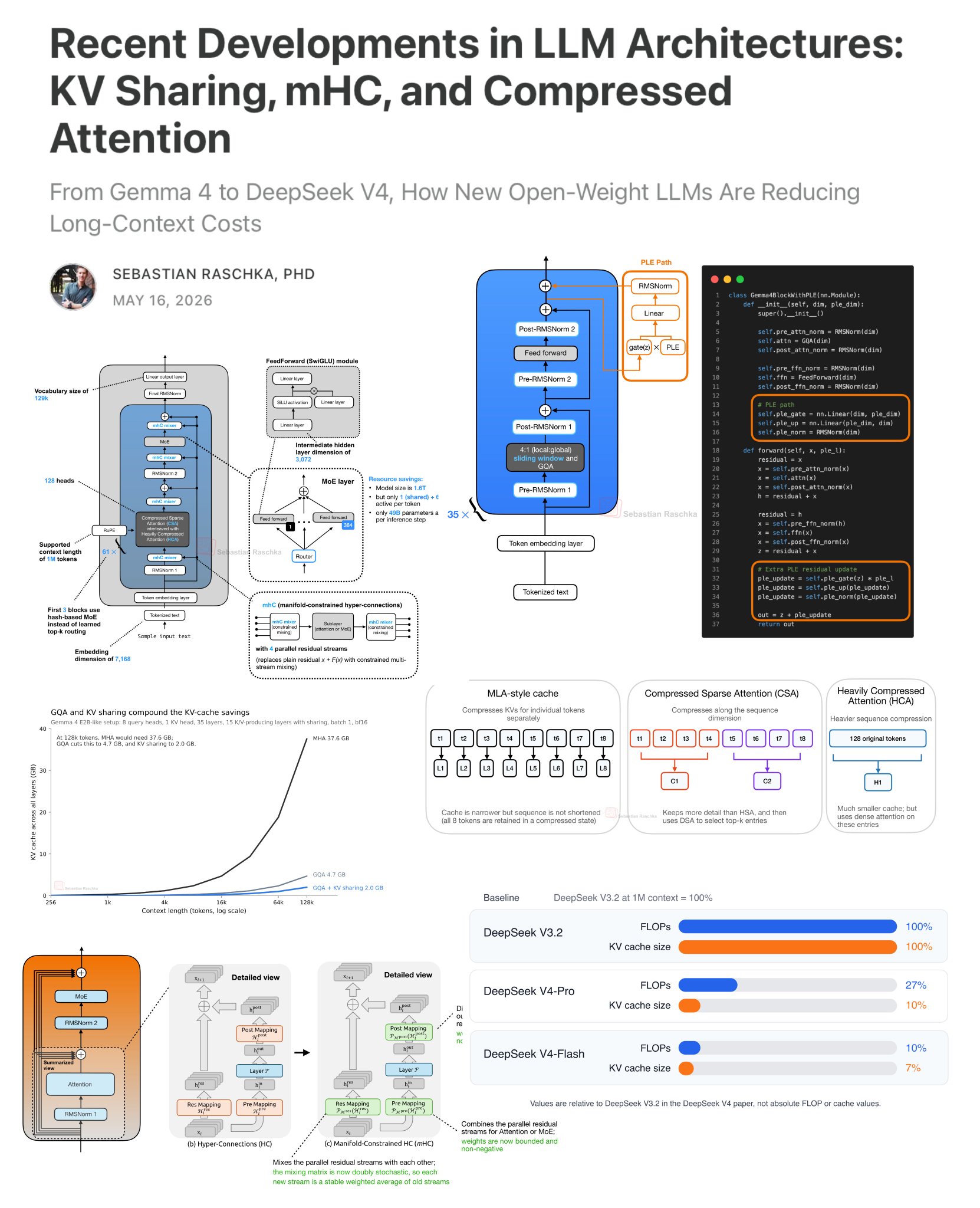
New article: a visual tour of recent LLM architecture advances, from Gemma 4 to DeepSeek V4. I focus on long-context efficiency tweaks like KV sharing, per-layer embeddings, layer-wise attention budgets, compressed attention, and mHC. Link: https://
magazine.sebastianraschka.com/p/recent-devel
opments-in-llm-architectures
… -
Integrating Human-Centered Design and Ethics into AI Development
By
–
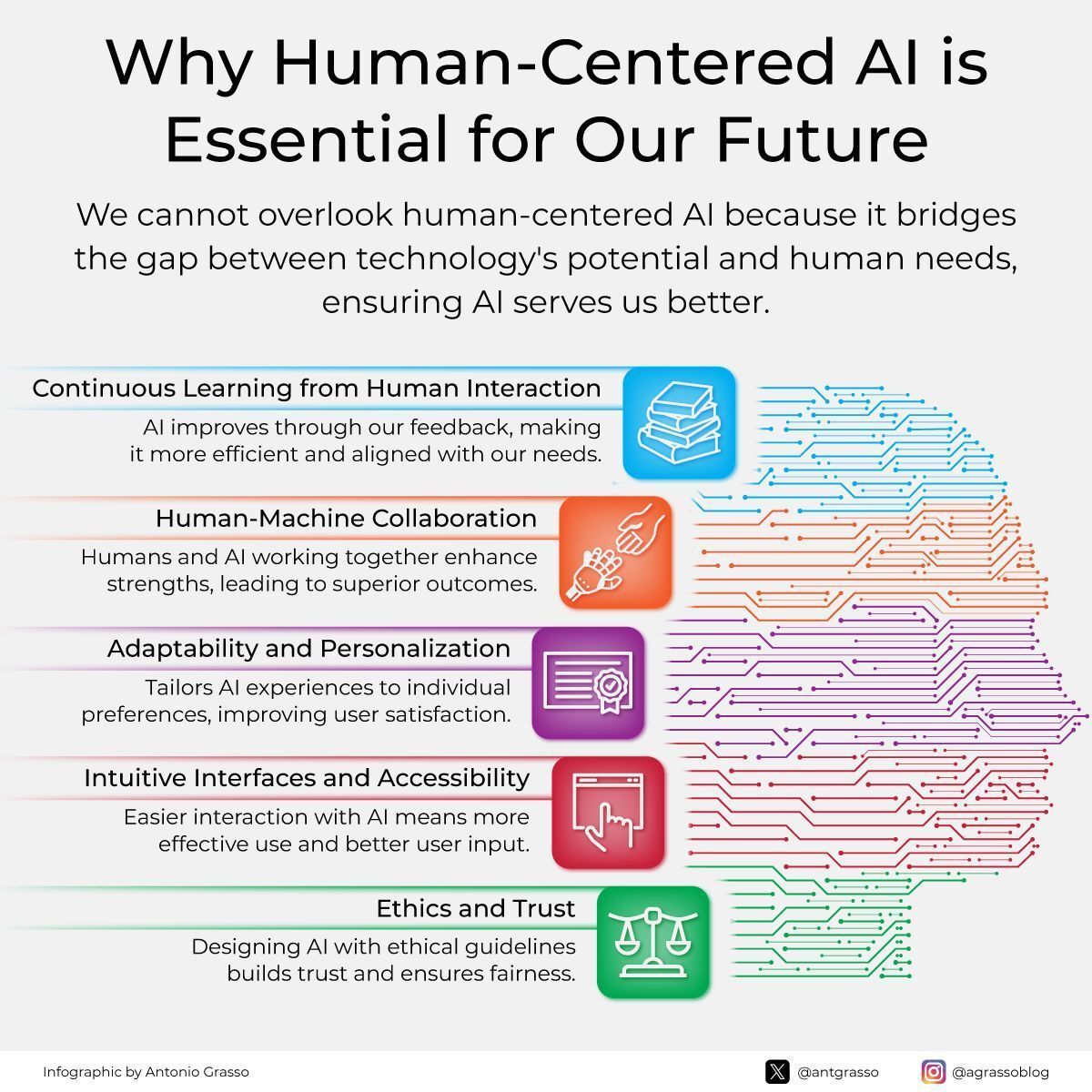
Human-centered AI improves system performance by integrating feedback, collaboration, and ethical design into model development. Growing regulatory pressure and public scrutiny require organizations to align algorithms with user needs. Microblog by @antgrasso
-
Optimizing Content for AI Search Overviews
By
–
Google just dropped its official guide on optimizing for AI search — and SEO isn't dead. It's evolving. RAG, query fan-out, entity clarity — the signals that rank you in AI Overviews are the same ones that always mattered. Clean content. Clear structure. Real authority.
The -
The Critical Need for Testing in AI Agent Development
By
–
Garry Tan just said the quiet part out loud: AI agents don’t need “vibes.”
They need tests.
Everyone is shipping AI into products and praying it doesn’t hallucinate, get manipulated, or confidently lie to users. That’s insane. iFixAI runs 32 tests on your deployed AI and gives -
How to Build Structured AI Agents
By
–
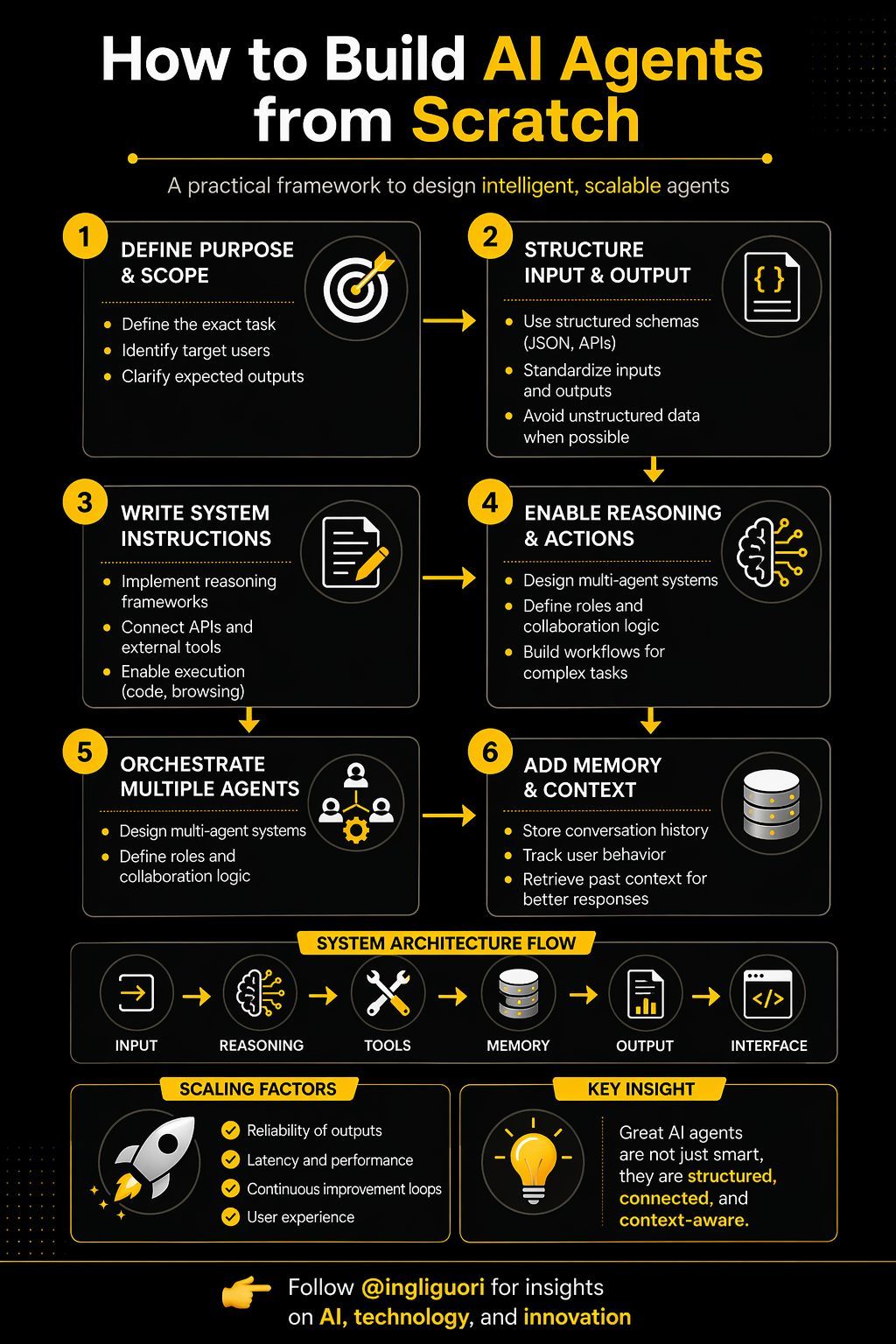
How to build AI agents • Define scope
• Structure inputs
• Add tools & reasoning
• Orchestrate agents
• Add memory & context Smart agents are structured systems, not just prompts. Via Giuliano Liguori (
@ingliguori
) #AI #AIAgents #GenAI