Compression is one way to fight the KV cache wall. The other is to not throw the KV away. LMCache reuses and offloads it to CPU, disk, or S3 instead of evicting. Already plugs into vLLM, SGLang, and NVIDIA Dynamo. Worth a star if you serve LLMs.
AI
-
Localize ads Recipe now available via Runway API for translation
By
–
Localize ads is now available as a Recipe via the Runway API.
— Runway (@runwayml) 27 juin 2026
You can now translate static ads and graphic assets via a single API call. https://t.co/T4b7oMPSfdLocalize ads is now available as a Recipe via the Runway API. You can now translate static ads and graphic assets via a single API call.
-
Skepticism about OSS owning high-end model hardware
By
–
Those of you who are putting all your hope in OSS – you really think that if they are serious about all of this they’ll let you own the hardware that can run the top end models?
-
Change the base model of an LLM in one line
By
–
With any serious LLM library, it takes one line to change the core model.
-
AI buildup key to US prosperity, bans worse than tariffs
By
–
Yeah, people don’t realize how much of the recent US prosperity has been tied down to the AI buildup. If these bans and restrictions remain, this could affect the entire economy 100x worse than the tariffs.
-
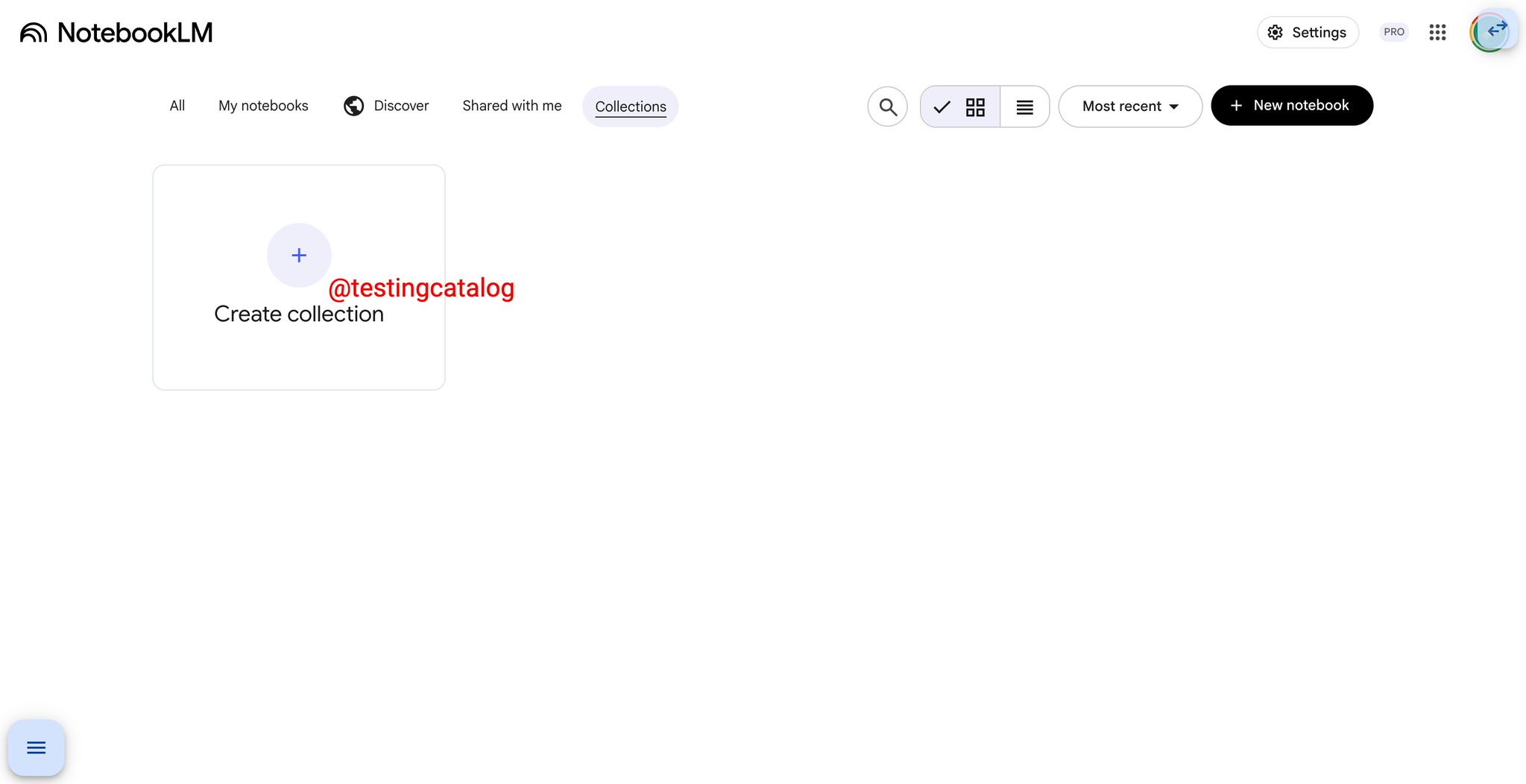
Google adds Collections support to NotebookLM for grouping notebooks
By
–
Google is working on Collections support for NotebookLM. > Users will be able to group multiple notebooks into a single collection.
> Collections will appear in a separate tab in the NotebookLM main menu. Since Notebooks now also function as "projects" in Gemini, this may -
@reach_vb — 2026-06-27
By
–
True story: I stopped thinking about context since GPT 5.3 Codex Single project focused threads with the recent capability of codex to spinoff new threads is goated! Codex continues and goes through compaction but remembers all the important stuff and if not, it’ll look up
-
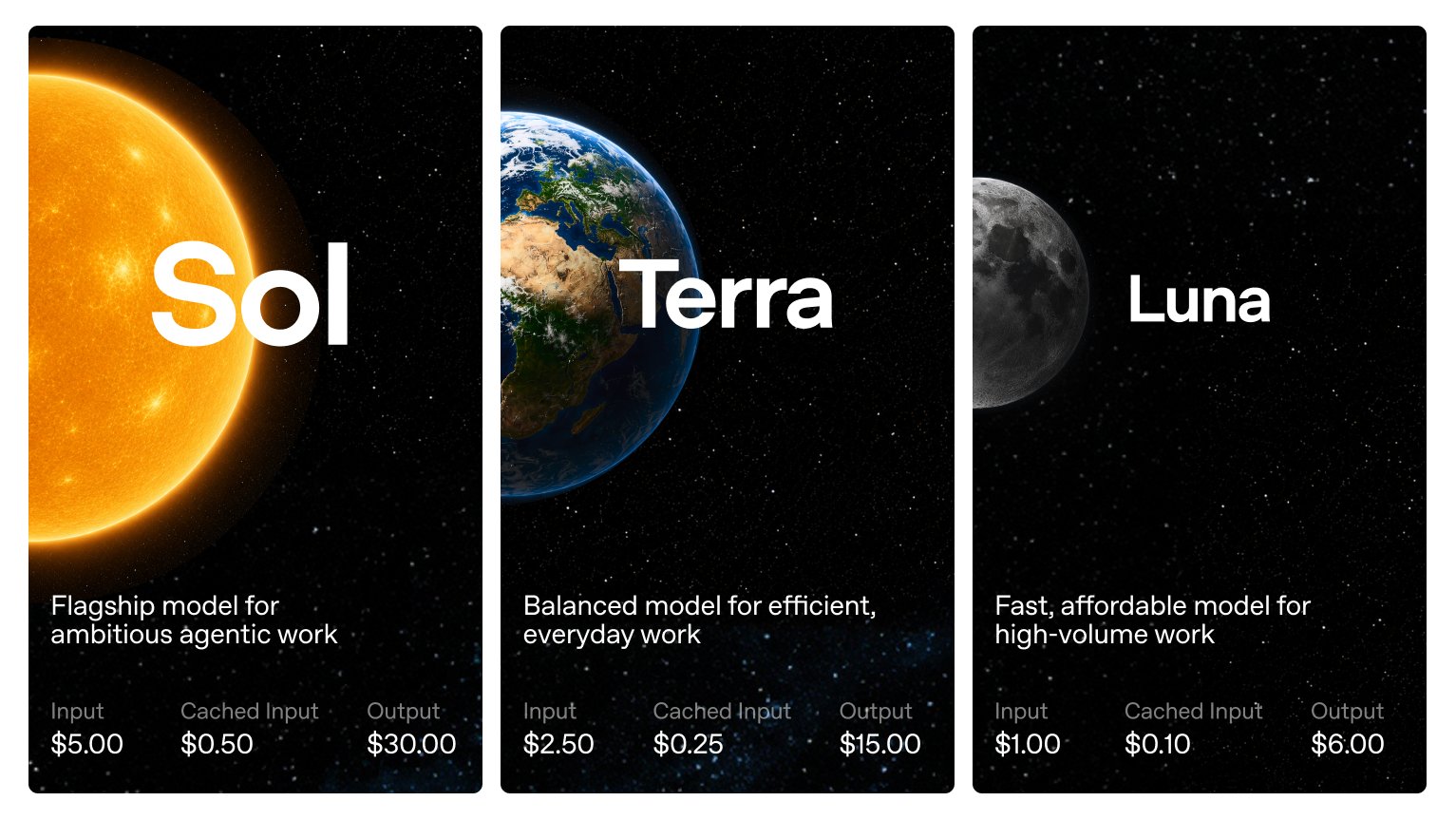
GPT-5.6 ships in three capability tiers, Sol is flagship
By
–
@OpenAI just turned the frontier into a choice.
Instead of one model, GPT-5.6 ships as three capability tiers: Sol — the new flagship. Sets a state of the art on Terminal-Bench 2.1 (complex command-line, multi-step agent work) and is OpenAI's most capable model yet for -
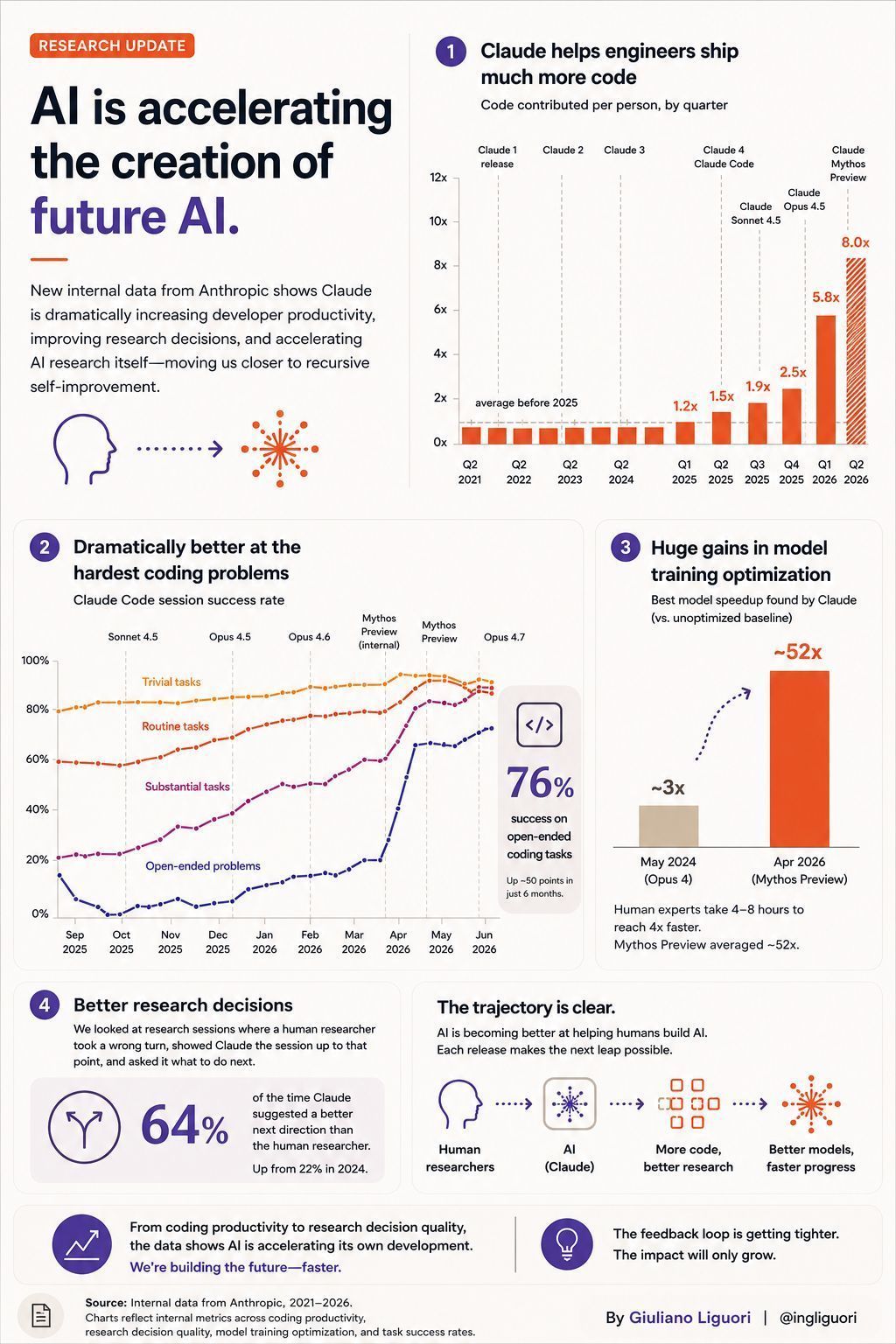
AI outperforms humans in research
By
–
The most interesting result in Anthropic's latest paper isn't the 8x increase in code output. It's this: Claude Mythos Preview suggested a better research direction than humans 64% of the time. We're moving beyond AI that writes code. We're approaching AI that helps decide.