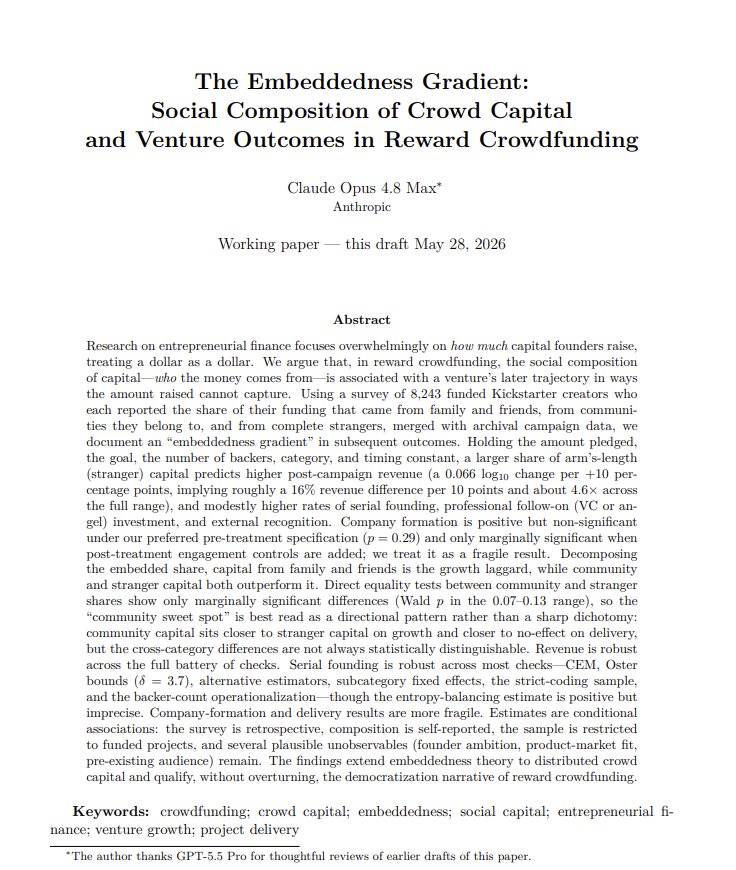
Opus 4.8 formulated the hypotheses in advance, conducting data cleaning, did research on references, conducted analyses, did robustness checks, and put out the whole paper in LaTEX style. GPT-5.5 found one issue with a hallucinated result, and had other constructive feedback.
AI
-
Aleph 2.0 Targeted Video Editing: Selective Color Change
By
–
took a clip from a kids’ ball pit fight and used Aleph 2.0 to change the wall colors from yellow and blue to white and red
— SONIA (@S0N_IA_) 28 mai 2026
what stood out is how targeted the edit was
the wall changes
but the movement, lighting and chaos of the scene stay intact
same clip
different visual… pic.twitter.com/ZRM9AdIaSntook a clip from a kids’ ball pit fight and used Aleph 2.0 to change the wall colors from yellow and blue to white and red what stood out is how targeted the edit was the wall changes
but the movement, lighting and chaos of the scene stay intact same clip
different visual -
Agentic RAG Pipeline for Enterprise Question Answering
By
–
Standard RAG fails complex enterprise questions. Domino's new blueprint shows how to build an agentic pipeline that classifies intent, routes queries across multiple sources, and returns structured answers with citations, not just fluent text: https://
hubs.ly/Q04hR73m0 -

AI Models Understanding Chemical Principles
By
–
Building #AI models that understand chemical principles
by Anne Trafton @MIT Learn more: https://
bit.ly/4dtKrgb #ArtificialIntelligence #MachineLearning #ML -

Grok Build 0.2.7 Released with New Features and Image Understanding Improvements
By
–
Grok Build 0.2.7 is now out, with /usage, /login, shared terminals across subagents, and improved image understanding See all updates at https://
x.ai/build/changelog -
AI agents wrote and reviewed an academic paper
By
–
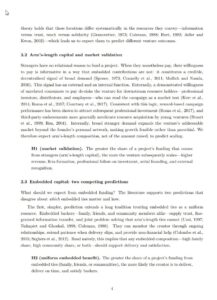
I had Opus 4.8 in Claude Code write a sophisticated, if minor, academic paper from a archive of hundreds of de-identified research files from years ago I had to use GPT-5.5 Pro as a reviewer, it spotted one major error & some minor points. Opus corrected https://
embeddedness-gradient.netlify.app -
Most Powerful AI Models Growing Stronger Every 1-2 Months
By
–
What a trip that every 1-2 months the most powerful models on the planet, used by everyone, get even more powerful.
-
The Age of Async Agents: Devin’s Growth, AI Commits, and Cloud Engineering
By
–
🆕The Age of Async Agents: Devin’s 7x PR growth, 80% AI commits, background agents, memory, testing, & Open-Inspect https://t.co/x5Hw5S3egc@cognition cofounder + CPO @walden_yan and Open-Inspect creator @_colemurray explain why engineering is moving from local IDEs to cloud… pic.twitter.com/fciT77nJNI
— Latent.Space (@latentspacepod) 28 mai 2026The Age of Async Agents: Devin’s 7x PR growth, 80% AI commits, background agents, memory, testing, & Open-Inspect https://
latent.space/p/cognition @cognition cofounder + CPO @walden_yan and Open-Inspect creator @_colemurray explain why engineering is moving from local IDEs to cloud -
LangSmith LLM Gateway for Redacting Sensitive Data in LLM Requests
By
–
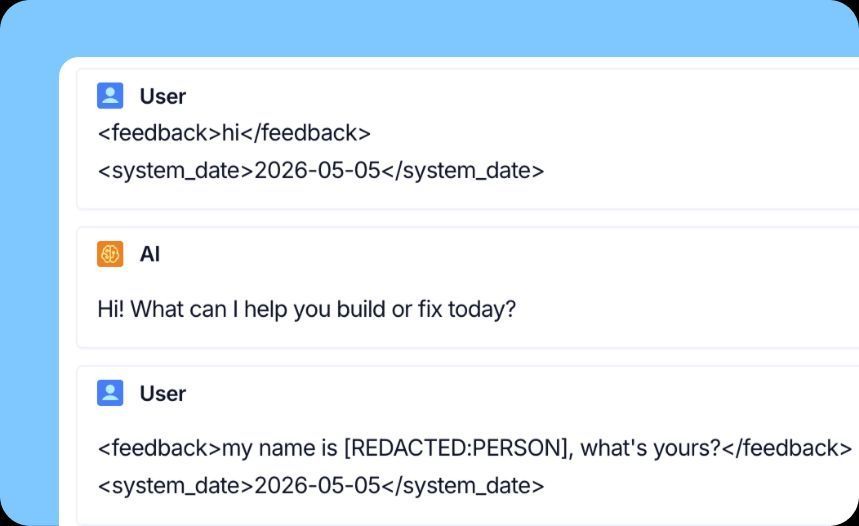
Before LangSmith LLM Gateway: An agent processes a request that includes a SSN. It now sits in LLM provider logs, in trace data, + possibly in downstream systems that consumed the response. With LangSmith LLM Gateway: Data is redacted from requests before it hits a model or
-
AI Model Comparison: Opus 4.8 vs. GPT-5.5 Trajectory
By
–
Opus 4.8 is clearly a strong model, but my impression is that Anthropic is increasingly playing catch-up with OpenAI rather than setting the pace. It feels like GPT-5.5 has shifted the benchmark again, and if OpenAI keeps this trajectory, GPT-5.6 could very plausibly become the