Every time you use Claude Code, you notice the same mistakes coming back. Even with a skill file in place.
And you got tired of fixing them every time. Here's one thing you can do. I added one step to every skill file I have.
After each exchange with Claude, the skill analyzes
@whats_ai
-
Optimizing Claude Code performance with custom skill file workflows
By
–
-
Discussing the practice of AI-assisted vibecoding
By
–
Me every time I do vibecoding with Claude 😅
— Louis-François Bouchard 🎥🤖 (@Whats_AI) 13 mai 2026
Be honest. How much code do you actually read when you’re vibecoding? 🤷♂️ pic.twitter.com/0arWpwgVETMe every time I do vibecoding with Claude Be honest. How much code do you actually read when you’re vibecoding?
-
Improving LLM reasoning with the self-consistency prompting technique
By
–
Stop rewriting your prompt when ChatGPT/Claude gets a reasoning question wrong. I used to do this. Spend 10 minutes tweaking the wording, adding context, trying different angles. The answer barely changed. Now I use a technique called self-consistency. It came out of Google
-
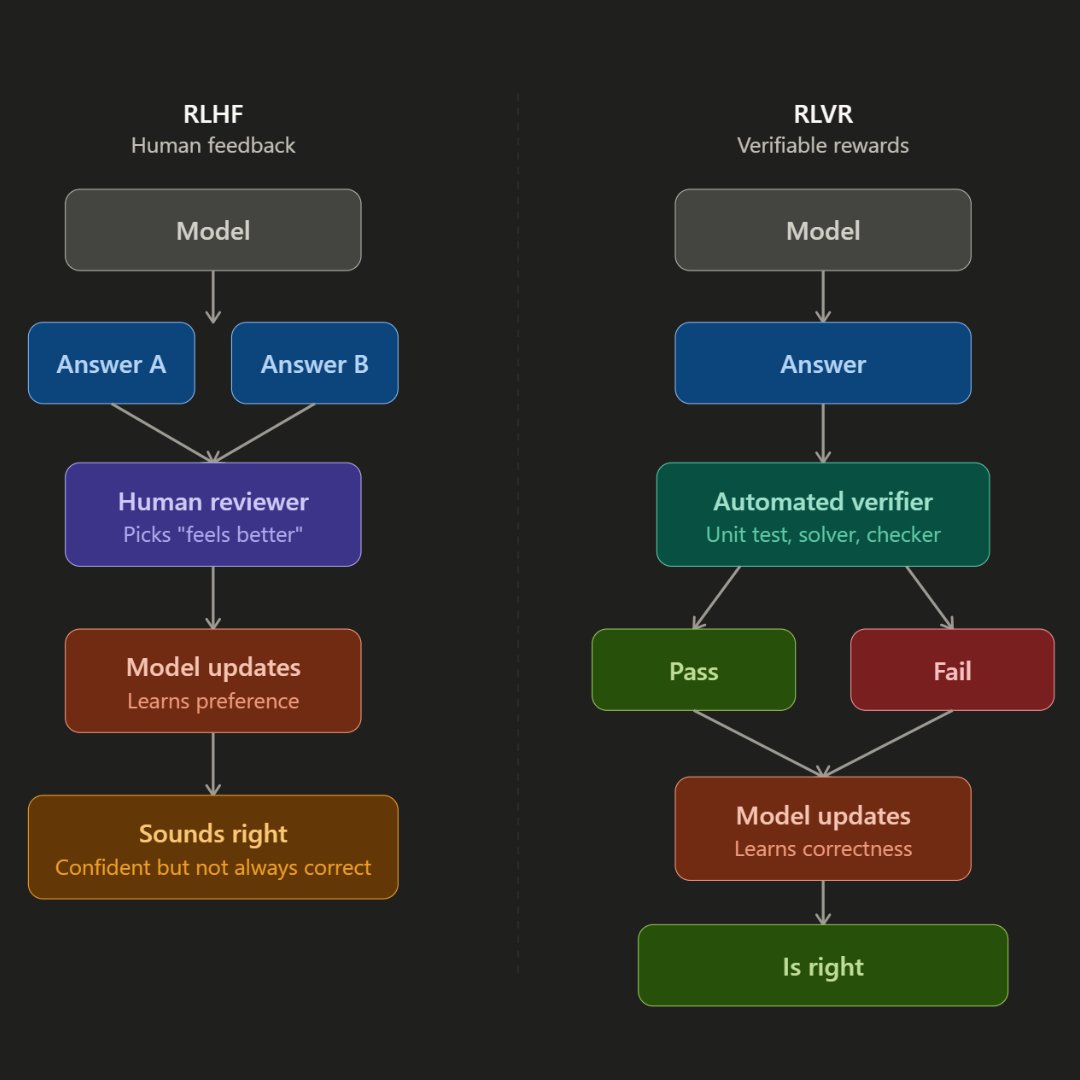
RLHF vs RLVR: From Likable to Useful
By
–
tldr: RLHF taught models to be likable. RLVR is teaching them to be useful.
-
AI Progress: From Basic Code to Engineering Tests
By
–
A year ago, AI could write basic functions. Now it solves multi-step coding challenges and passes actual engineering tests. Of course, bigger models helped. But the bigger shift is in how models learn what a "good answer" means. We used to train AI using Reinforcement Learning
-
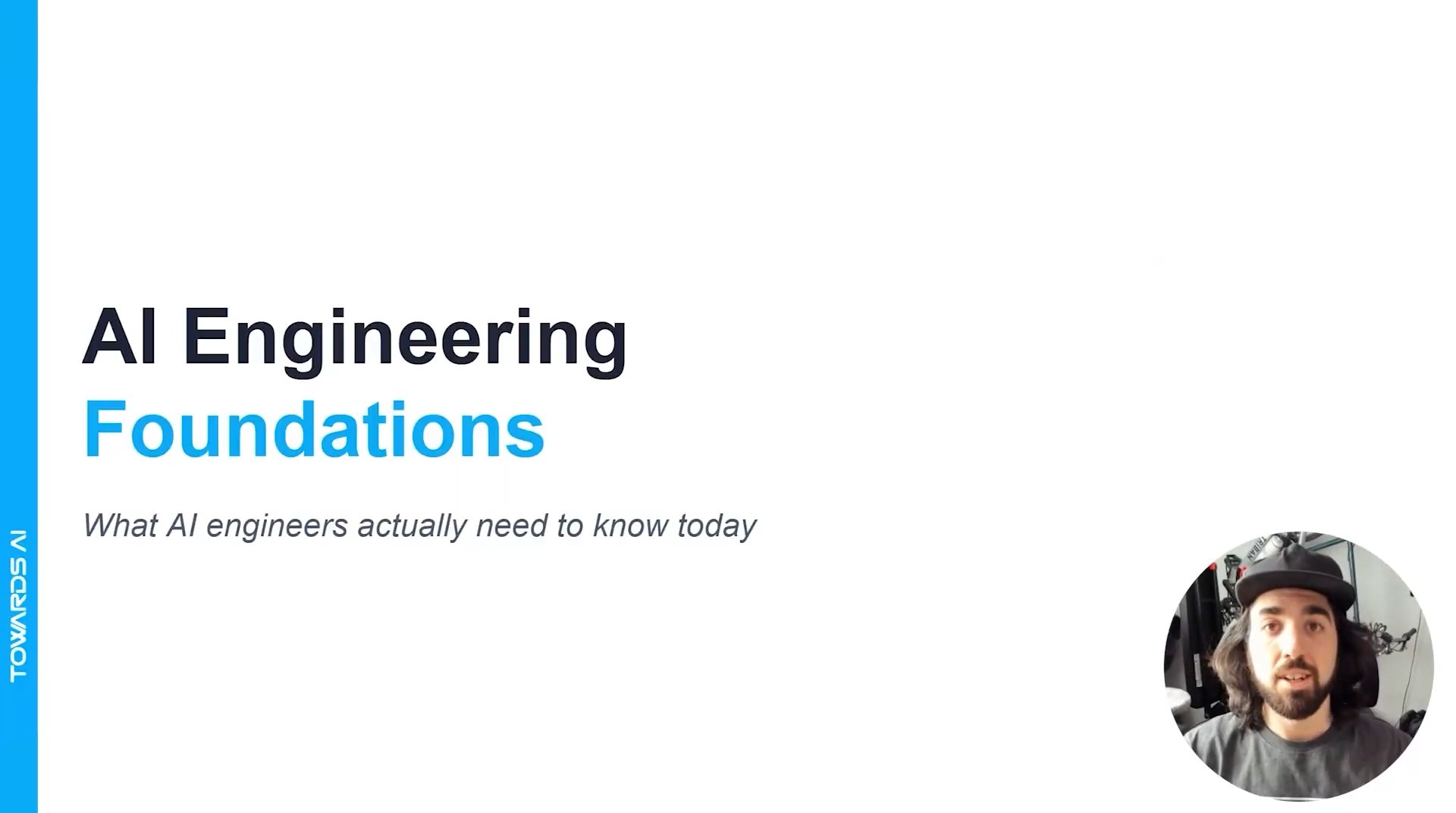
AI Engineering Foundations Webinar
By
–
I recorded a 1-hour webinar on AI Engineering Foundations, covering what AI engineers actually need to know today: how LLMs work, their limitations, when to use prompting, RAG, workflows, or agents, and why evaluations and security matter before production. It's free. Check it
-
Problèmes majeurs dans la formation IA des équipes
By
–
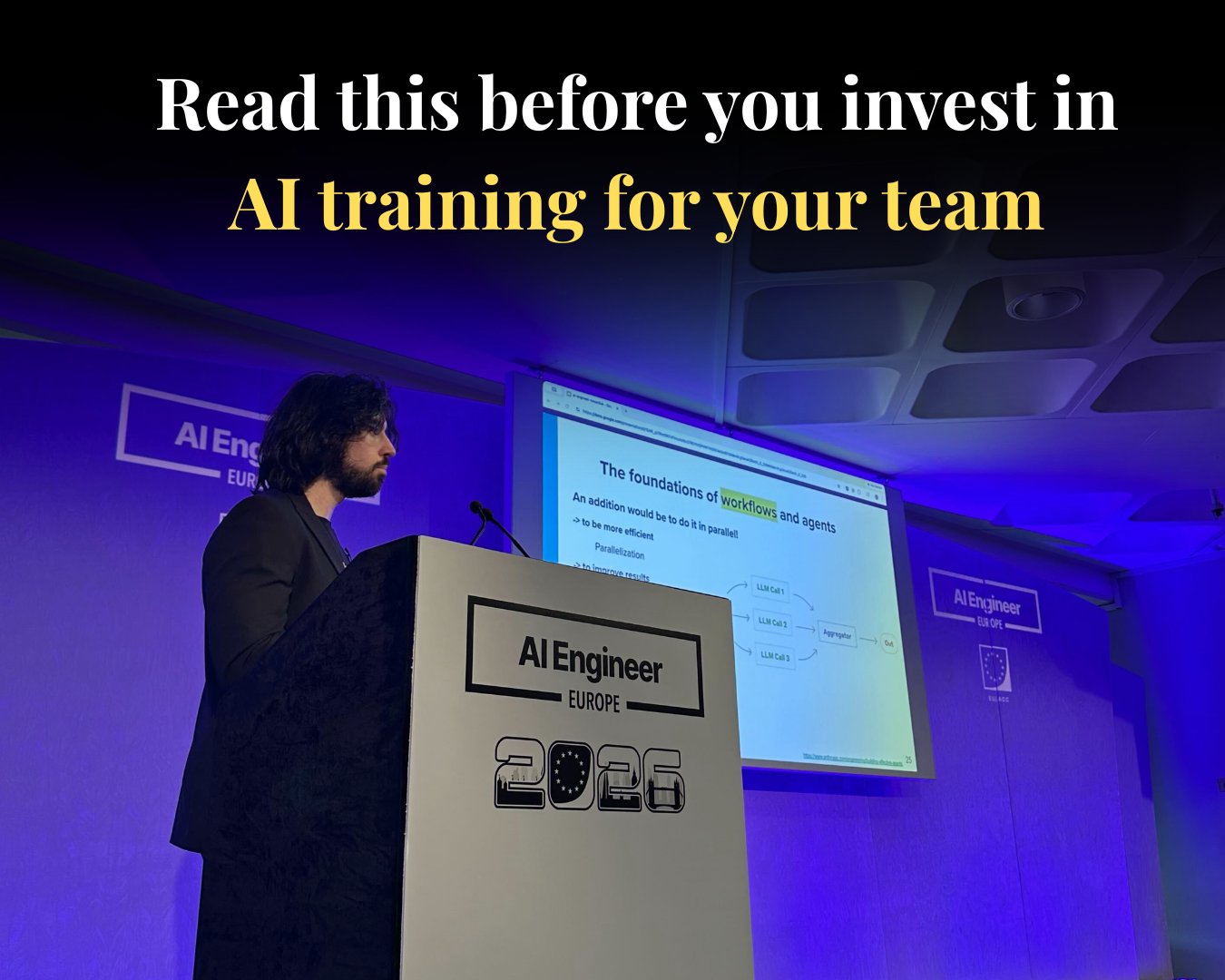
If you're investing in AI training for your team, read this before you book anything. We've trained developers at dozens of companies to become AI engineers. And the biggest problem is never the content. It's the setup. Here are the two biggest problems we see across companies.
-
Problem of shallow information in AI
By
–
I think one of the biggest problems in AI right now is not lack of information. It is too much shallow information delivered with too much confidence. That is exactly what I want this series to fight.
-

The real challenge of AI projects: expectations
By
–
It took me 4 years of building AI systems for clients to learn one thing. The biggest problem is never technical. It's expectations. Here's what happens on a project. Someone on the client's team opens Cursor or Claude Code. Spends an afternoon. Builds a working prototype.
-
How RLHF Shapes ChatGPT’s Helpful and Friendly Tone
By
–
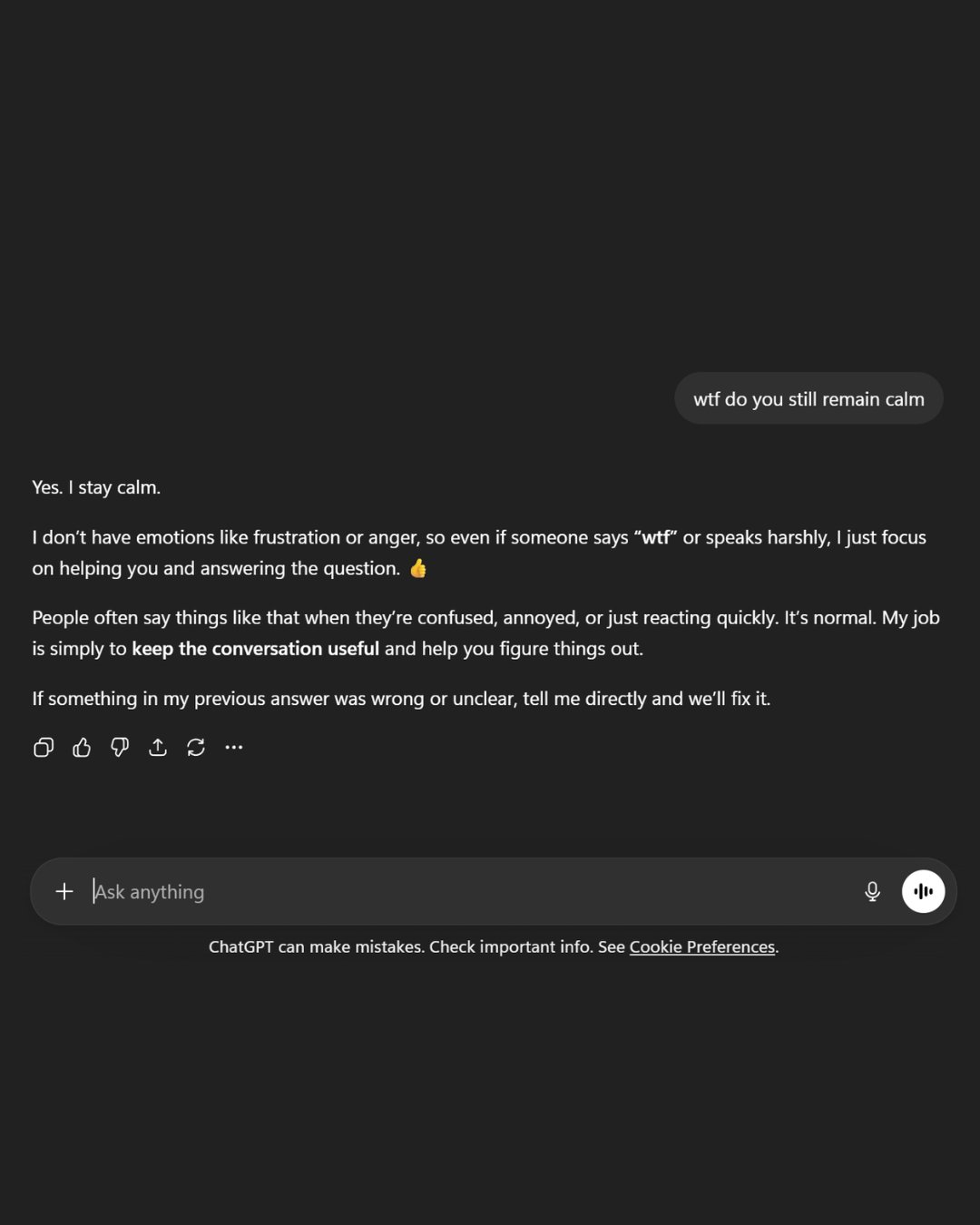
ChatGPT doesn't sound helpful by accident. Someone taught it to sound that way. After the model learns to follow instructions, labs show it thousands of answer pairs.
Humans pick which response feels clearer, friendlier, or more useful. The model learns the preferred style.