We created an AI tutor from existing documents using Retrieval Augmented Generation (RAG) and GPT-4. This method ensures answers stay within our dataset, enhancing accuracy.
@whats_ai
-

Understanding Large Language Models Beyond Training and Fine-tuning
By
–
Comprehending large language models (LLMs) like GPT-4 or Llama 2 extends beyond training and fine-tuning, encompassing their impact and uses. It's more than coding skills, as even non-coders can benefit and add value.
-
Detecting Hallucinations in Language Models via Explainability Methods
By
–
Explainability, demonstrated via methods like saliency maps, elucidates a model's decision pathway, pinpointing its focus area. It shows the model failed not from misidentification but incorrect feature attention. How to detect this with language models and hallucinated facts?
-
AI Explainability Tools for Autonomous Vehicle Decision-Making
By
–
As AI increasingly influences critical scenarios like self-driving cars, understanding its decision-making is crucial. Thus, the need for AI explainability tools to help decode AI models' underlying operations.
-
Image Classification Models Need Better Explainability Focus
By
–
Image classification models, trained to identify objects like cats or dogs, often falter by focusing on irrelevant image areas. This highlights the importance of the explainability concept.
-
AI Hallucinations: Understanding Model Reliability and Trustworthiness
By
–
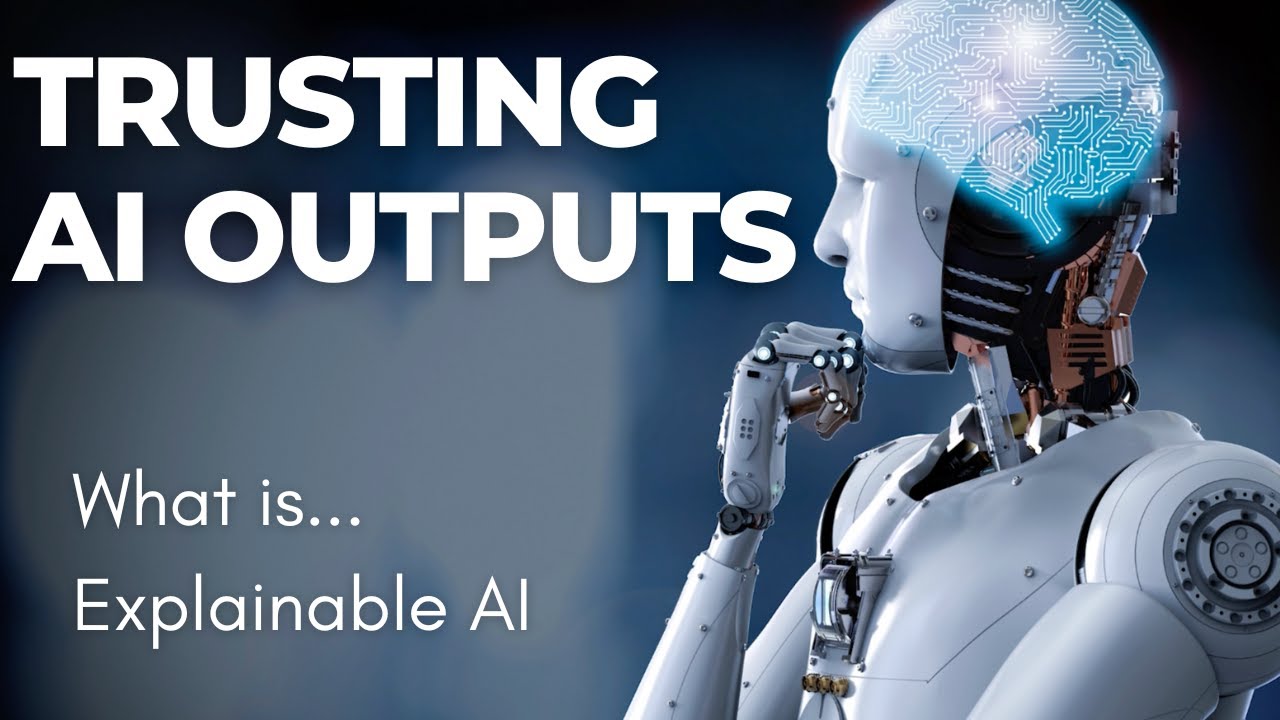
Curious about the reliability of AI models like ChatGPT or DALLE? Despite their impressive results, they sometimes err, leading to AI hallucinations. This can be harmful if we trust AI blindly, highlighting the need for deeper understanding of AI decisions and results.
-
Ownership and Control Drive Work Motivation
By
–
• An underlying need to fully own and control the work, for better motivation
-
Academia vs Industry: AI Skills Development in Startups
By
–
• After talking to a dozen experts in my podcast https://
louisbouchard.ai/podcast/, I realized that while academia provided valuable skills, these could be equally gained through industry work, particularly in startups -
Entrepreneurship and Rapid Implementation in Startup Culture
By
–
• A strong pull towards entrepreneurship and the high-energy culture of startups • The need to implement theoretical knowledge in real-world applications with immediate impact • A wish to see ideas transform into tangible solutions more rapidly
-
PhD Stress: Balancing Research Work and Personal Projects
By
–
• Stress. Trying to balance between PhD work and personal projects was stressful, resulting in feeling overworked yet underproductive