That's a wrap! If you are interested in: – Python
– Data Science
– Machine Learning
– Data Analysis
– MLOps
– NLP
– Computer Vision I'm sharing daily content over here, follow me → @Sumanth_077 if you haven't already!
@sumanth_077
-
Daily Content on Python, Data Science, Machine Learning, and More
By
–
-
Leverage Pre-trained NLP Models Inside Your Database with MindsDB
By
–
That's how you can leverage the pre-trained Models from HF and Open AI to build NLP Applications right inside your DB. MindsDB is Open Source, check out the Github Repo here: https://
github.com/mindsdb/mindsdb -
Wait for HF Model Setup Completion Before Text Classification
By
–
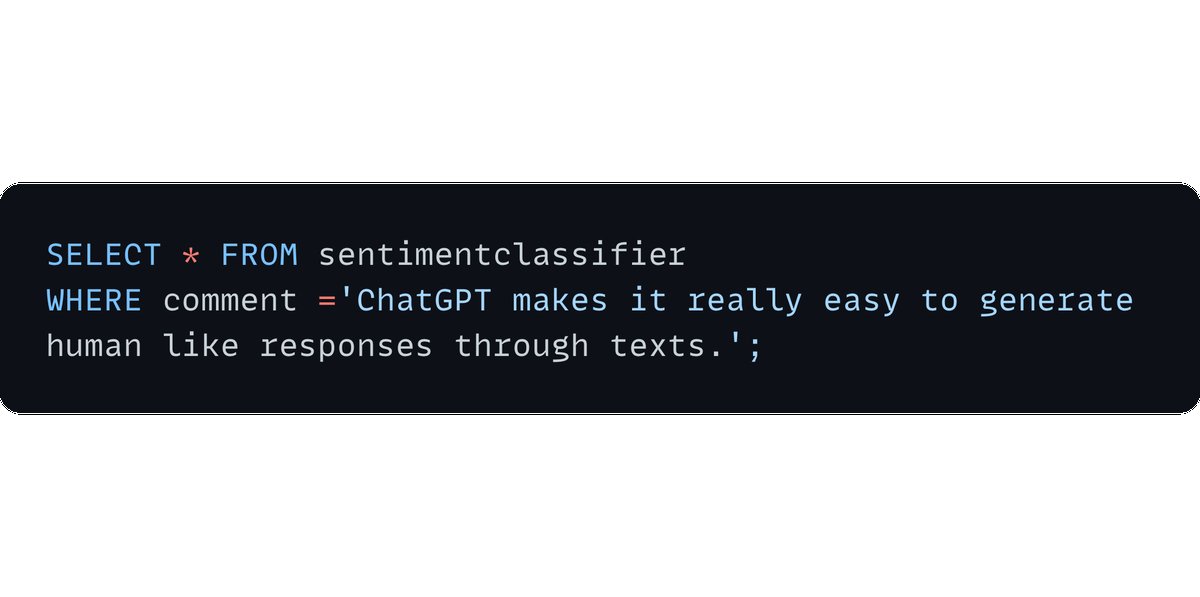
Once you set up the HF Model wait until the Status is "completed" Now use the model to classify the Text.
-
Creating a Text Sentiment Classifier with Hugging Face
By
–
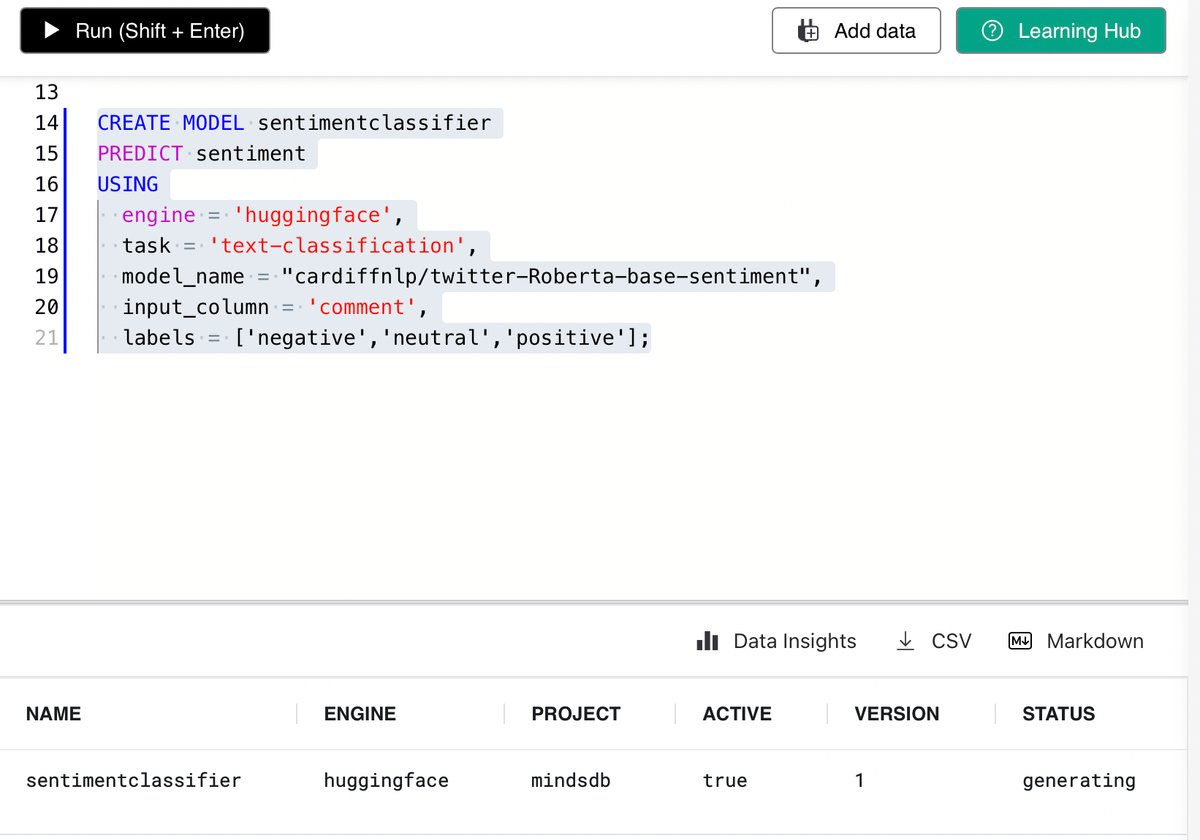
Now, get your pre-trained model! Let's create a text sentiment classifier using Hugging Face. For that get the model from HF and apply the Sentiment Analysis to the review Table
-
MindsDB: Bring Machine Learning into Your Database
By
–
MindsDB helps in bringing machine learning into databases and it's completely open source. To better understand let's build a simple Sentiment Classifier model on Text Data. All you want to do is go to http://
mindsdb.com, create a Free Demo Account, and get started. -
Building NLP Applications Directly in Database with SQL
By
–
Machine Learning with SQL Let's build NLP Applications right inside a Database with just a few SQL commands:
-
Mathematics for Deep Learning: Essential Resource Guide
By
–
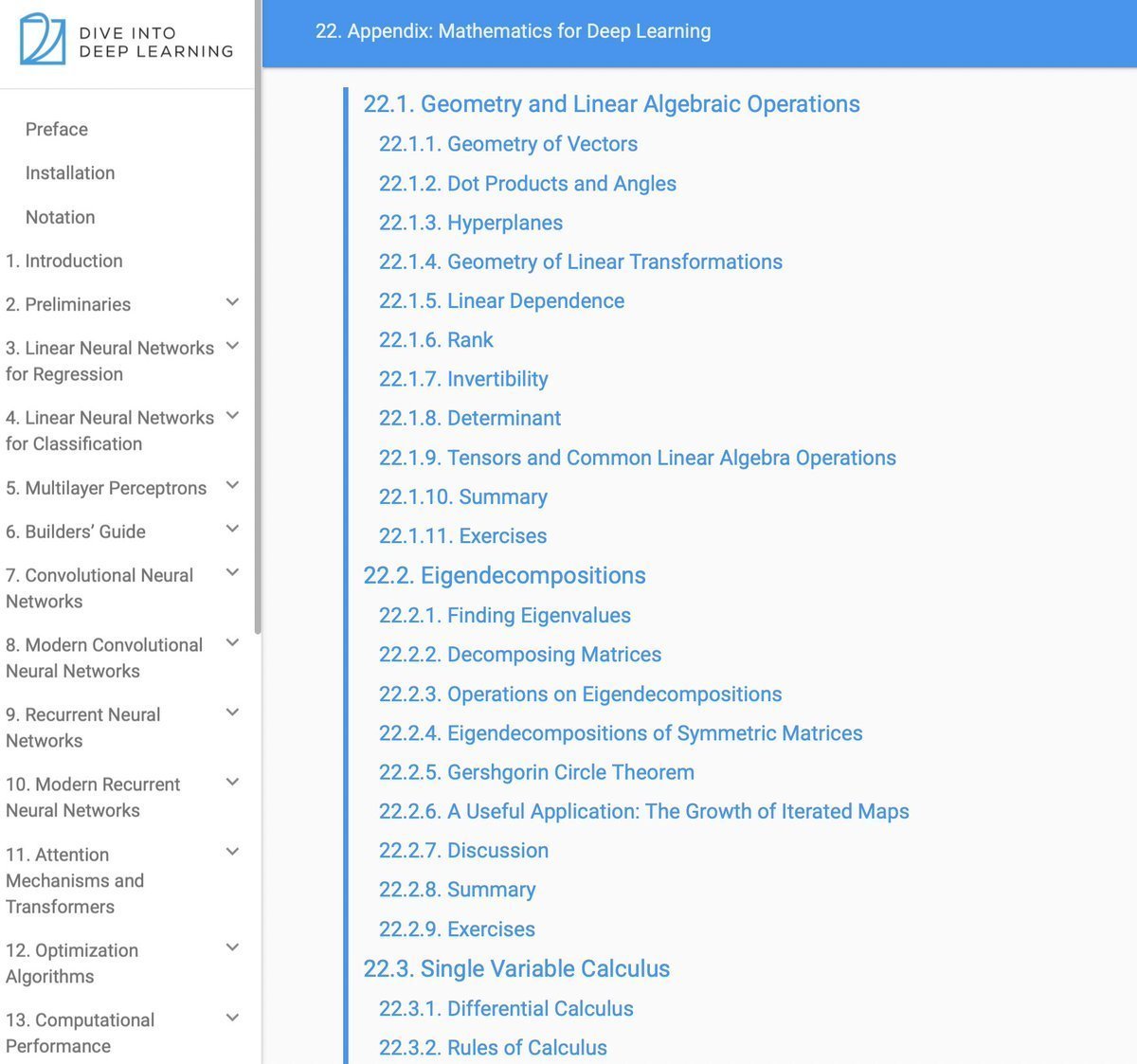
Mathematics for Deep Learning The best resource to learn mathematical concepts for a better understanding of machine learning & deep learning concepts: http://
d2l.ai/chapter_append
ix-mathematics-for-deep-learning/index.html
… -
Python and Data Science Content Sharing Journey Complete
By
–
That's a wrap! Every day, I share and simply content around Python, Data Science, Machine Learning & Large Language Models. Find me → @Sumanth_077 Like/RT the first tweet to help this reach more people.
-

Implementing Transform and Inverse Transform Methods for PCA
By
–
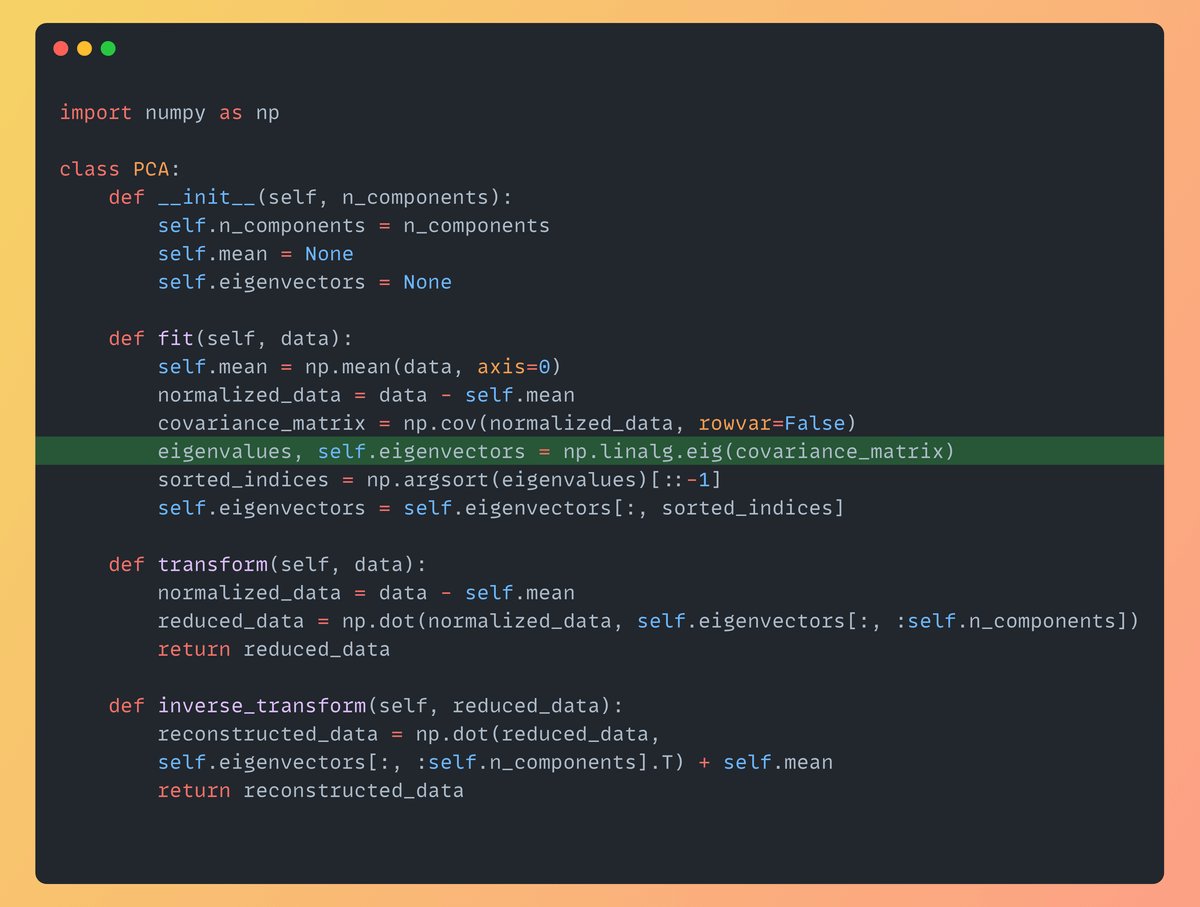
Now define the "transform" method that transforms the input data into a lower-dimensional representation using the calculated eigenvectors. Finally the "inverse_transform" method to reconstructs the reduced data back to the original space using eigenvectors and mean.
-
Eigenvectors and Principal Components for Data Dimensionality Reduction
By
–
Eigen vectors helps in identifying the directions of highest variance in the data, which are then used to construct principal components. These principal components allows you to represent the data in a lower-dimensional while saving as much meaningful information as possible.