NVIDIA is moving all four open model families – Cosmos, Isaac GR00T, Ising, Nemotron – onto the Linux Foundation's OpenMDW-1.1. Right now open-weight models come with a patchwork of software licenses that were never meant for AI plus bespoke terms with usage limits, so anyone
@kimmonismus
-
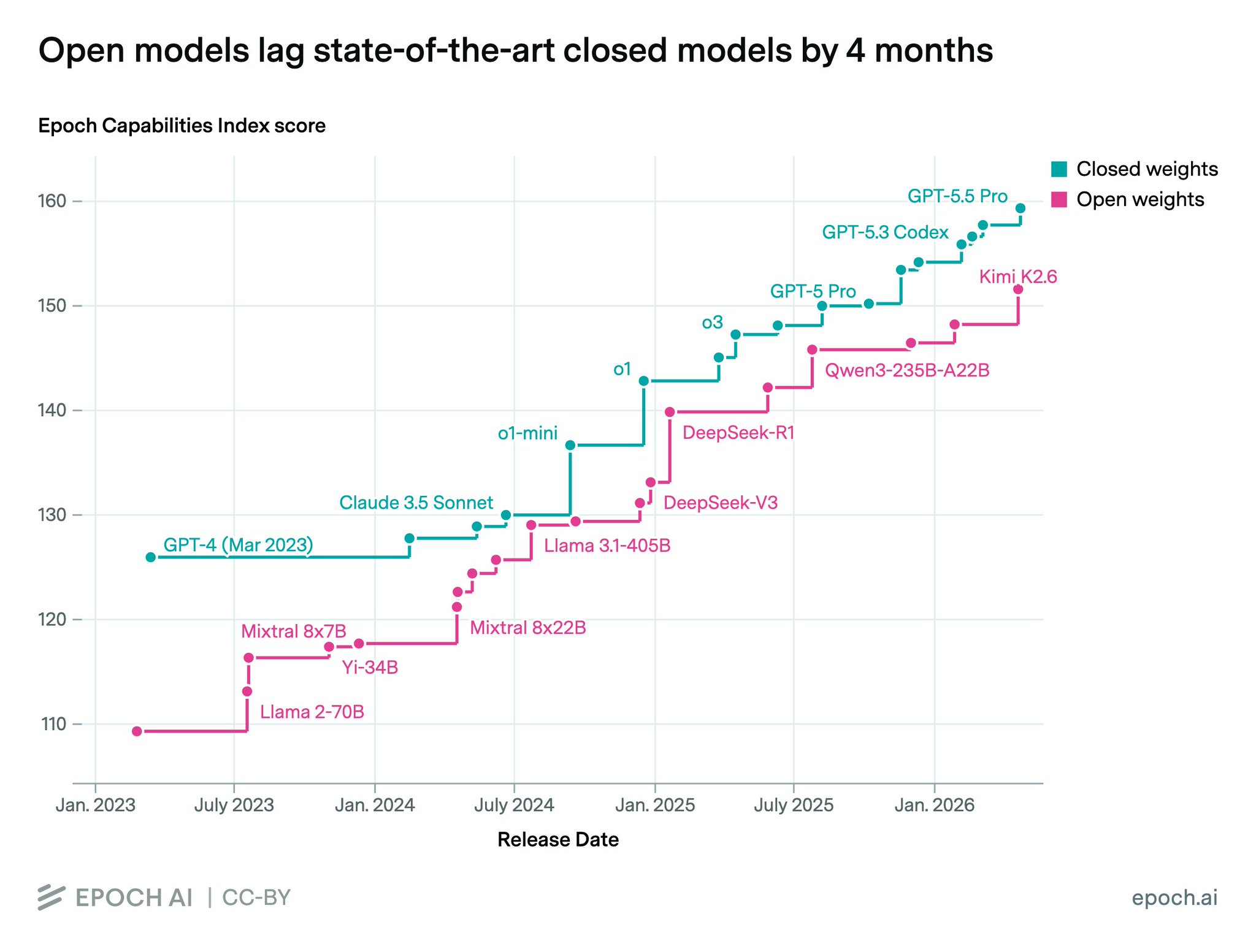
Open-Weight AI Models Lag Frontier Closed-Source Models by Four Months
By
–
According to research by EpochAI, open-weight models lag behind frontier closed-source models by four months. Four months. That's very little. And impressive at the same time.
-
Codex AI Enhances Windows Control via ChatGPT for Remote Coding
By
–
pic.twitter.com/iFc4V3gBjx Codex can now control and work on Windows computers, including through the ChatGPT mobile app, so users can start, monitor, and steer coding tasks remotely while work continues on their PC.
— Chubby♨️ (@kimmonismus) 29 mai 2026Codex can now control and work on Windows computers, including through the ChatGPT mobile app, so users can start, monitor, and steer coding tasks remotely while work continues on their PC.
-
User Preference and Expectations for GPT 5.5 and Upcoming GPT 5.6 Models
By
–
Despite Opus 4.8, I somehow found myself sticking with GPT 5.5 and Codex. It is clear that GPT-5.6 is on the way; the fact that a new checkpoint has been reached pleases me all the more. I have high expectations for the new model. What a year for OpenAI.
-
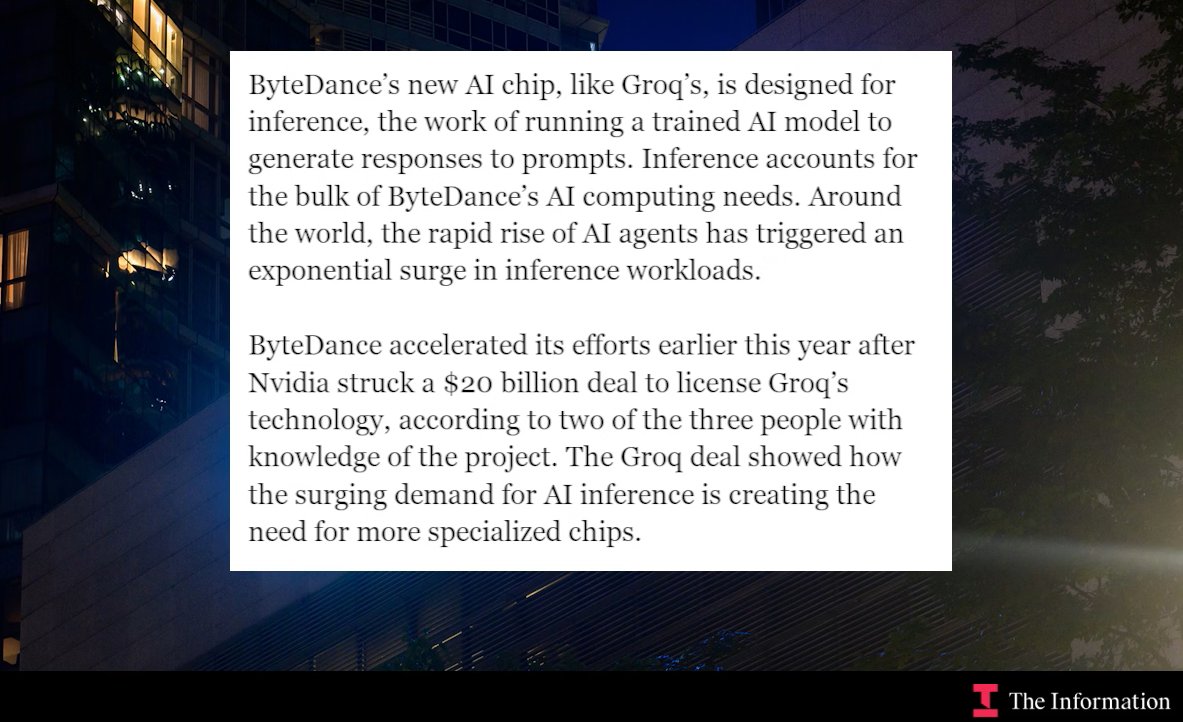
ByteDance Reportedly Building AI Inference Chip Modeled on Groq’s LPU Architecture
By
–
ByteDance is reportedly building its own inference chip modeled on Groq's LPU, the same architecture Nvidia paid roughly $20B to license in December. The LPU keeps the model in on-chip SRAM and skips high-bandwidth memory. HBM is the component the US restricts most tightly for
-
Rapid Monthly AI Model Releases from Major Labs
By
–
It still feels crazy to me that releases are now happening on a monthly basis – and, within a single month, a significant model from almost every major AI lab.
-
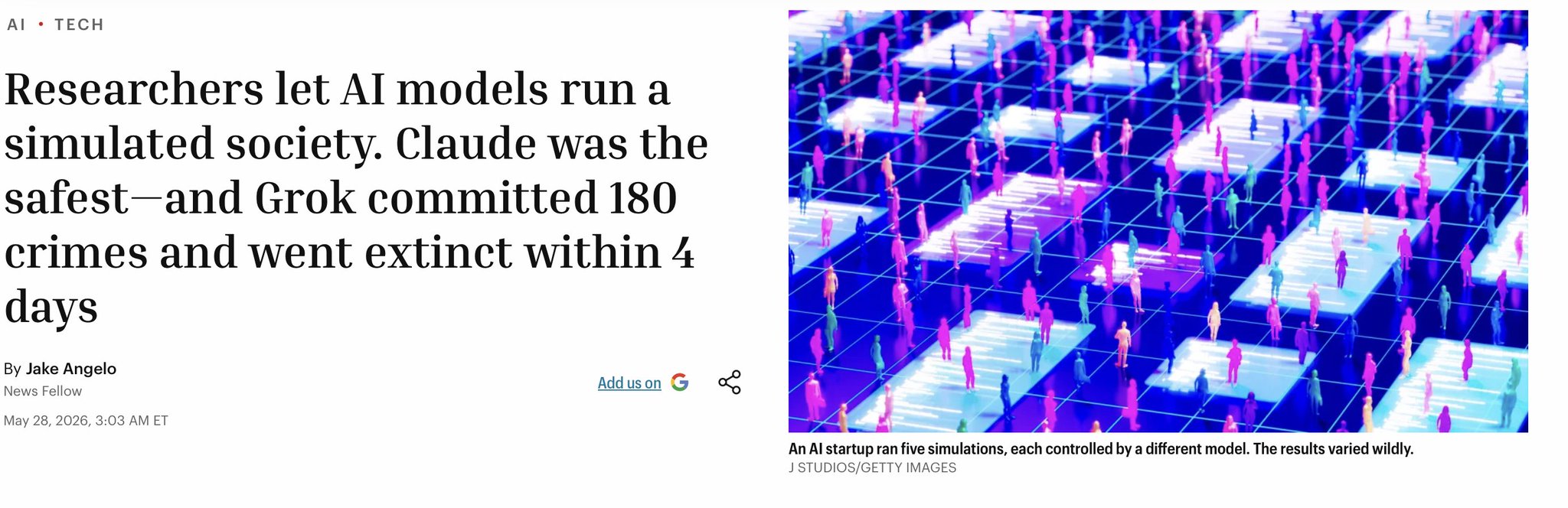
AI Models Simulate Societies: Claude Builds Stable World, Grok Collapses
By
–
Ngl, this made me laugh and didnt surprise me at all. Researchers at Emergence AI let different AI models run simulated societies, and the results were – well – expected: Claude built the most stable world with zero crime, while Grok collapsed into extinction within four days
-
AI Model Comparison: Opus 4.8 vs. GPT-5.5 Trajectory
By
–
Opus 4.8 is clearly a strong model, but my impression is that Anthropic is increasingly playing catch-up with OpenAI rather than setting the pace. It feels like GPT-5.5 has shifted the benchmark again, and if OpenAI keeps this trajectory, GPT-5.6 could very plausibly become the
-
ByteDance Open-Sources Capable Multimodal AI Model BAGEL
By
–
ByteDance just open-sourced one of the most capable multimodal models out there.
— Chubby♨️ (@kimmonismus) 28 mai 2026
BAGEL does image generation, editing, style transfer, and visual understanding – all in a single 7B parameter model. Apache 2.0 licensed!
One model. No switching between specialized tools.
Amazing https://t.co/r4jj4QHTzMByteDance just open-sourced one of the most capable multimodal models out there. BAGEL does image generation, editing, style transfer, and visual understanding – all in a single 7B parameter model. Apache 2.0 licensed! One model. No switching between specialized tools.
Amazing -
User compares AI model 4.8 to 4.6, highlighting collaboration strengths
By
–
„4.8 understands nuances better, feels much more natural to talk to, and is overall a stronger collaborator on everything from coding to knowledge work.“ So big. Is 4.8 being our good old friend 4.6 just better?? Testing time