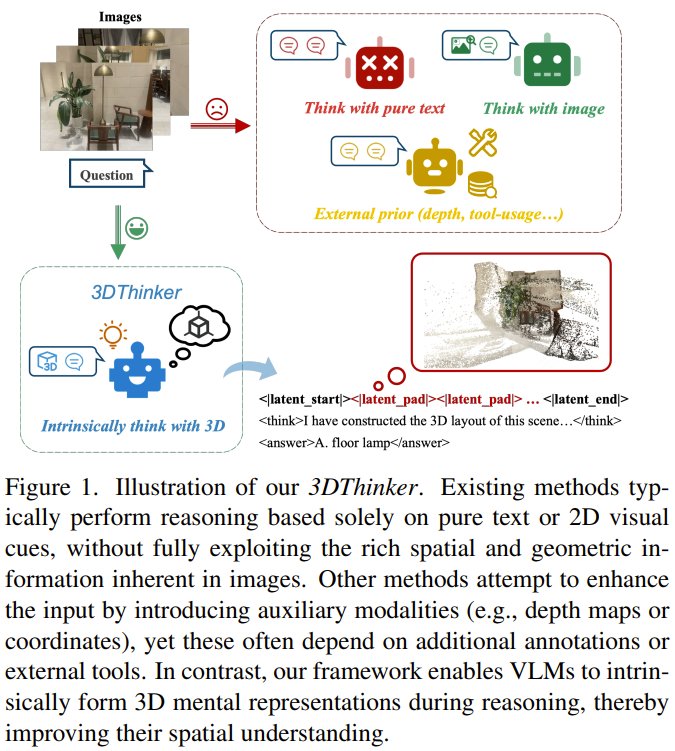
Can AI really 'think in 3D' from limited 2D views, just like us? Researchers from Tsinghua University, Meituan, NUS, Beihang University, and LMMs-Lab introduce 3DThinker. This groundbreaking framework lets AI mentally 'imagine' 3D shapes and spatial relationships from 2D
@jiqizhixin
-
Plan and Budget Framework Optimizes LLM Token Efficiency
By
–
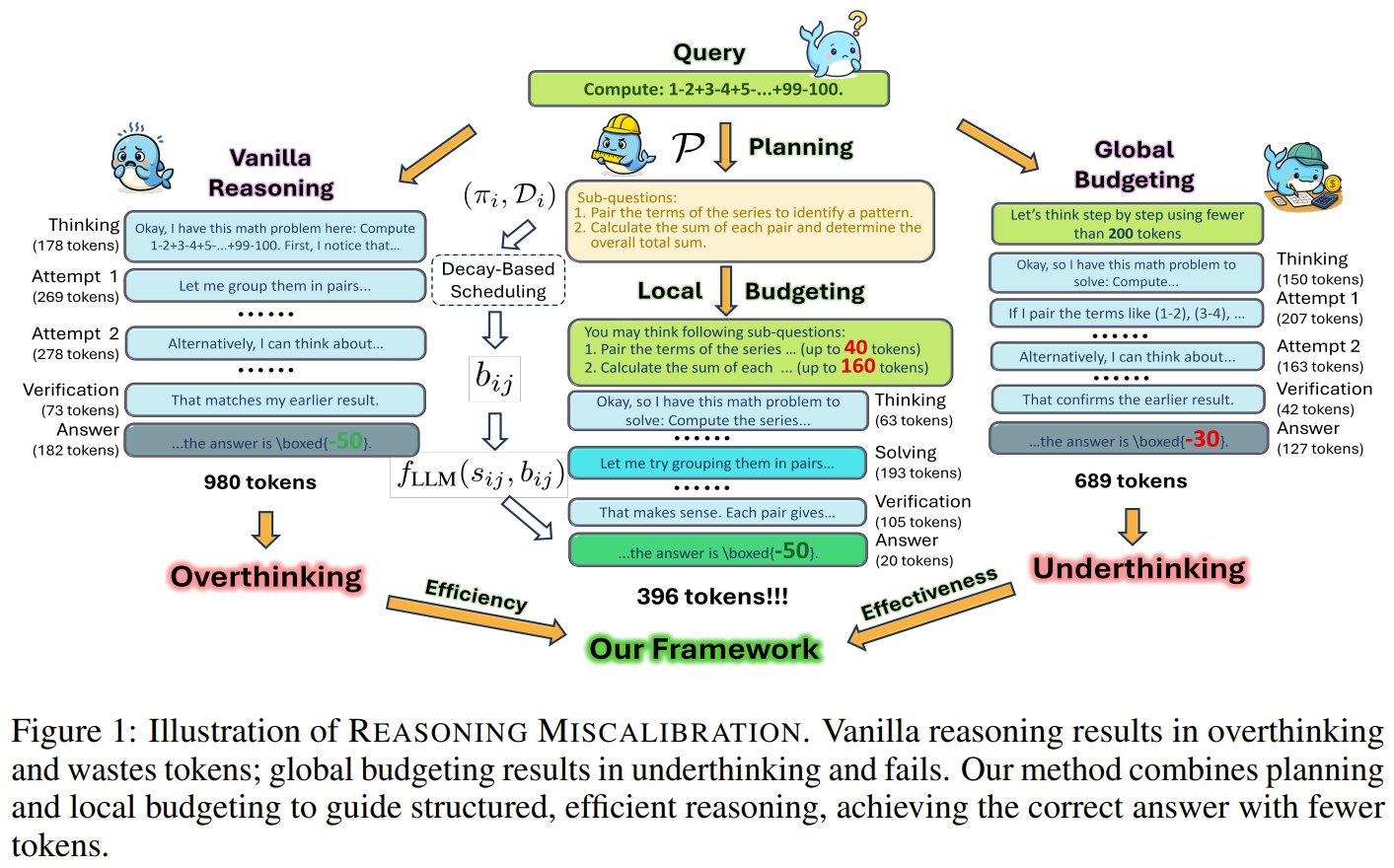
Is your LLM wasting valuable tokens "overthinking" or "underthinking" complex tasks? MIT CSAIL, Virginia Tech, University of Virginia, and Michigan State University present Plan and Budget. This new framework helps LLMs decompose complex problems into manageable sub-questions
-
Data Imbalance Impact on Transformer Contrastive Learning Models
By
–
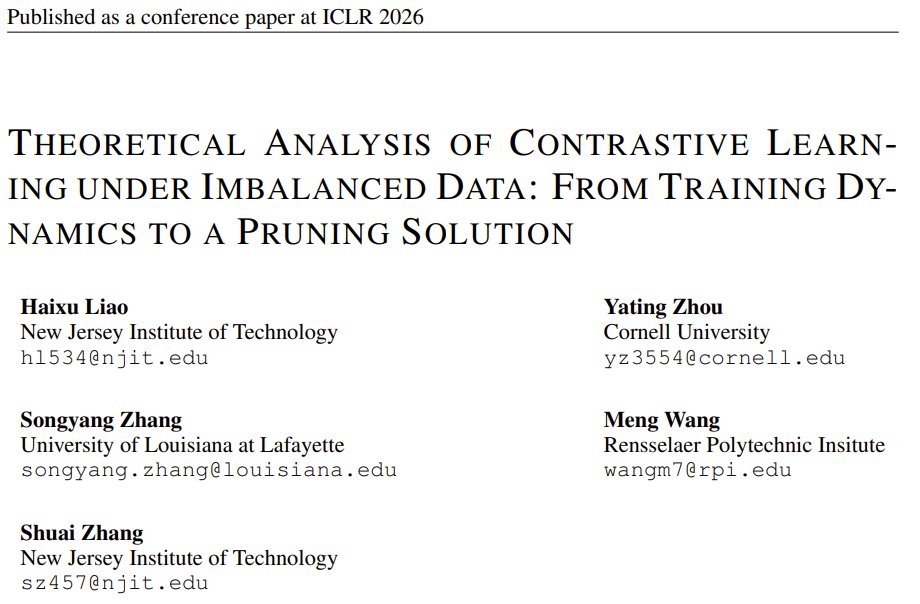
Is data imbalance secretly sabotaging your contrastive learning models? A joint effort from NJIT, Cornell, UL Lafayette, and RPI just revealed why. They developed a theoretical framework to trace how Transformer-based contrastive models learn, pinpointing exactly how
-
BCI Should Be Protocol Not Closed Product Standard
By
–
BCI shouldn’t be a product; it should be a protocol. 🌐🧠
— 机器之心 JIQIZHIXIN (@jiqizhixin) 23 mars 2026
In this 5-minute clip from @oall_global, the message is clear: Closed-source BCI creates technical debt for the entire industry.
Without an open, auditable standard like #OpenBCIOpenSTC, we are building fragmented silos… https://t.co/IYiGW88yKzBCI shouldn’t be a product; it should be a protocol. In this 5-minute clip from @oall_global
, the message is clear: Closed-source BCI creates technical debt for the entire industry. Without an open, auditable standard like #OpenBCIOpenSTC, we are building fragmented silos -
ThinkMorph: AI Visual-Linguistic Reasoning Breakthrough
By
–
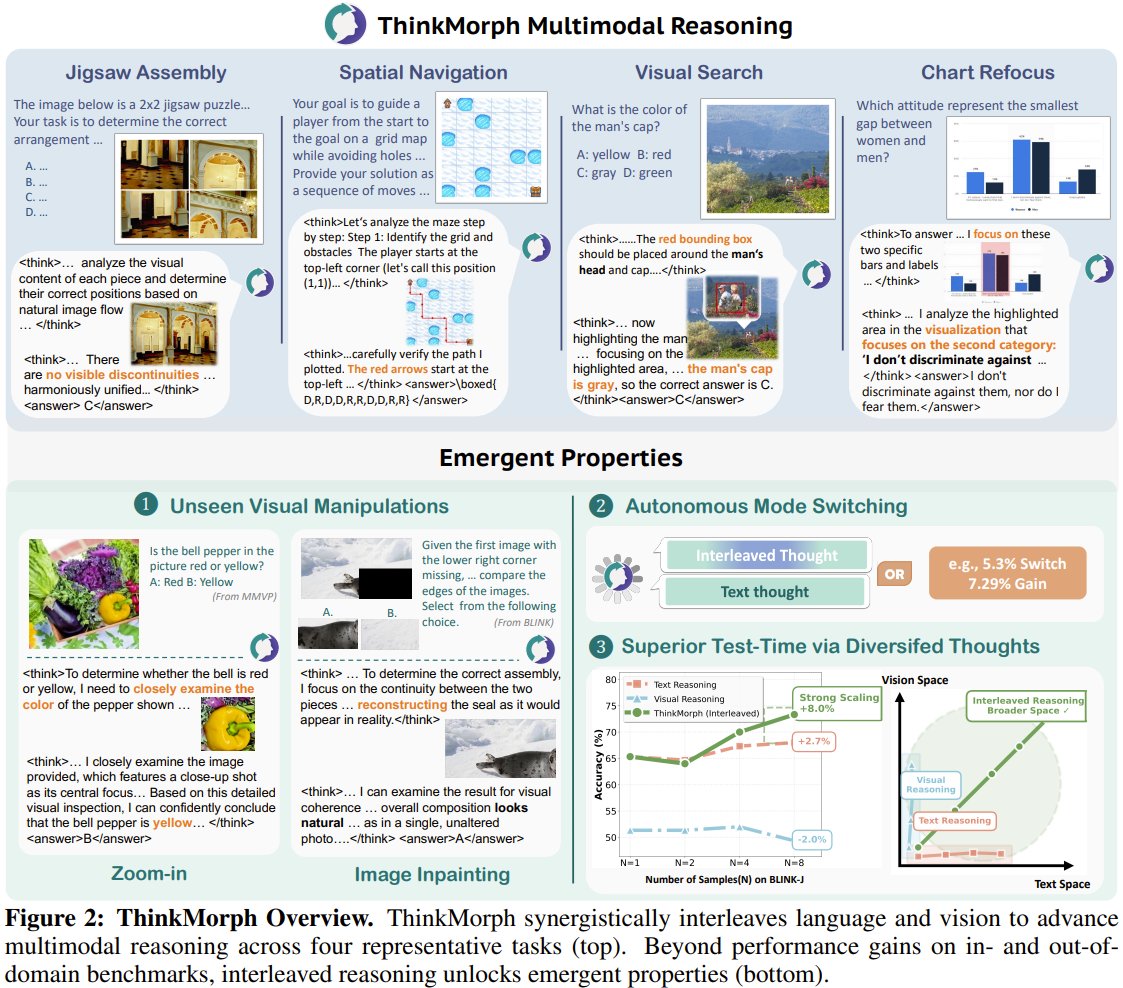
Can AI truly think by weaving together visual and linguistic reasoning? Researchers from National University of Singapore, Zhejiang University, University of Washington, Stanford University, absolute AI, and The Chinese University of Hong Kong just revealed ThinkMorph.
-
Alibaba Doubles Down on Open Source Qwen and Wan Models
By
–
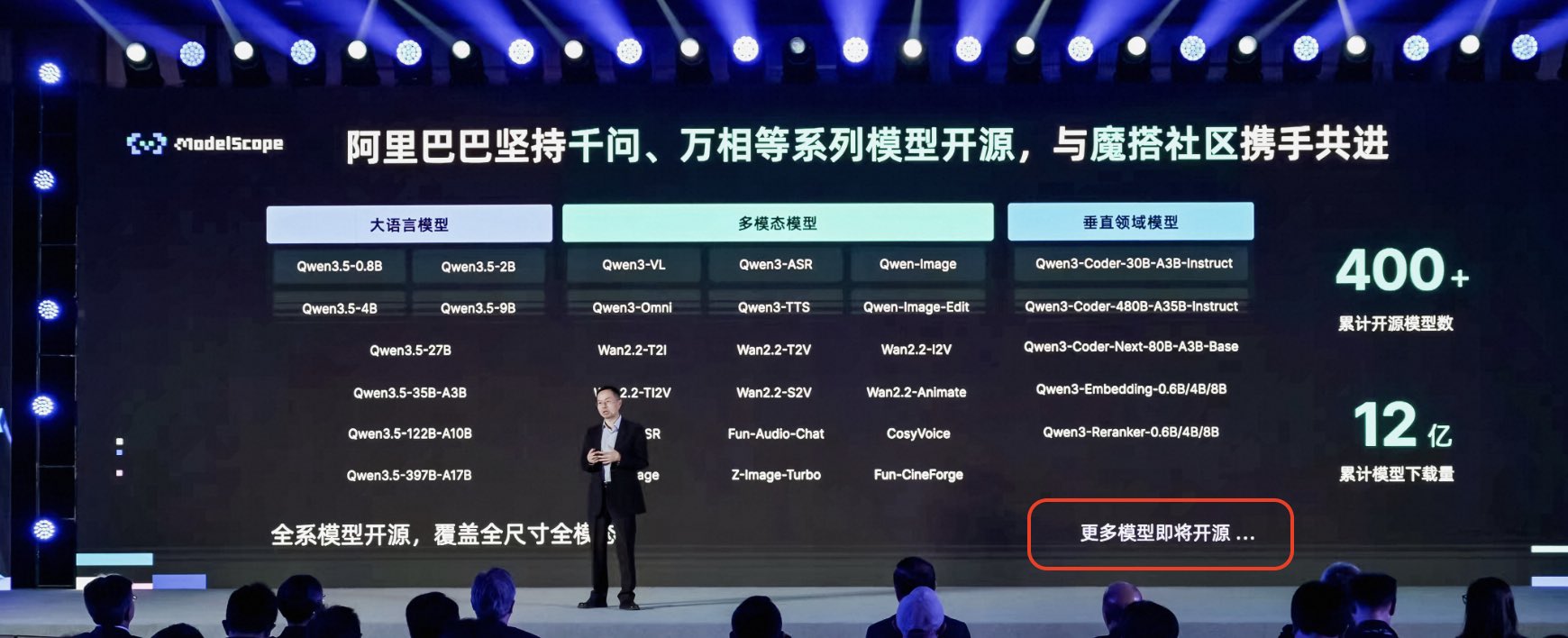
It’s official: after a turbulent shake-up within its large model team, Alibaba is doubling down—committing to keep the Qwen and Wan series open source.
-
ARO Framework Dramatically Accelerates LLM Training via Gradient Rotation
By
–
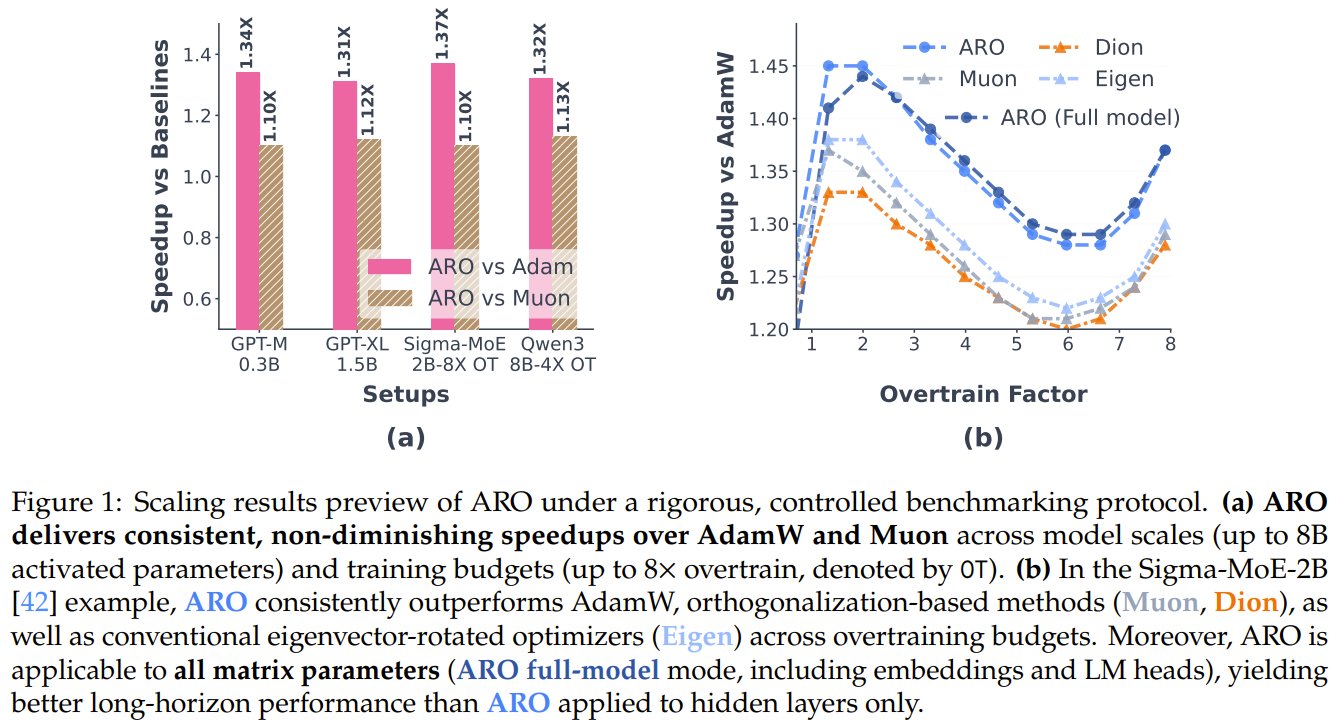
Can LLM training be dramatically accelerated beyond current methods? Microsoft Research, The Chinese University of Hong Kong, Shenzhen, and University of Wisconsin-Madison introduce ARO. This new matrix optimization framework pioneers "gradient rotation" as a core principle.
-

Diffusion Language Models: Powerful, Fast, Practical Survey
By
–
Can AI language models be powerful, fast, and practical? A team from CAS, CUHK, & Harvard University presents a new comprehensive survey. Their work details optimizing Diffusion Language Models (dLLMs). These unique AIs generate text by refining masked sequences for parallel
-
STEM: Scaling Transformers Efficiently with Static Token Embeddings
By
–
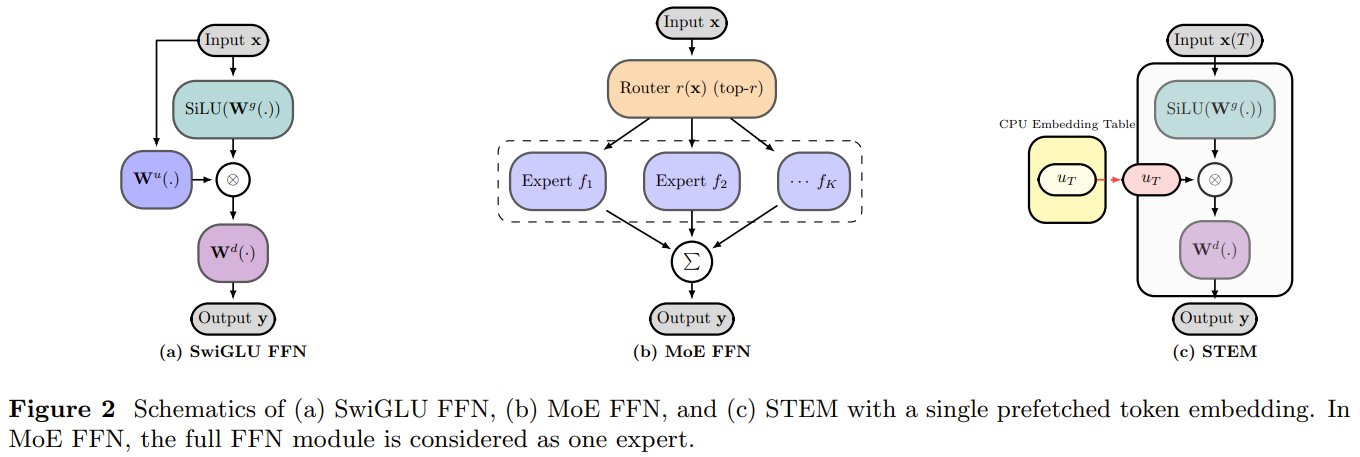
How can we scale AI models to be smarter and more efficient without the instability and immense compute? CMU & Meta researchers introduce STEM! Their new method replaces complex Transformer up-projections with a static, token-indexed "embedding lookup system." Think of it as
-
DyMo: Dynamic Multimodal AI Framework Handles Incomplete Data
By
–
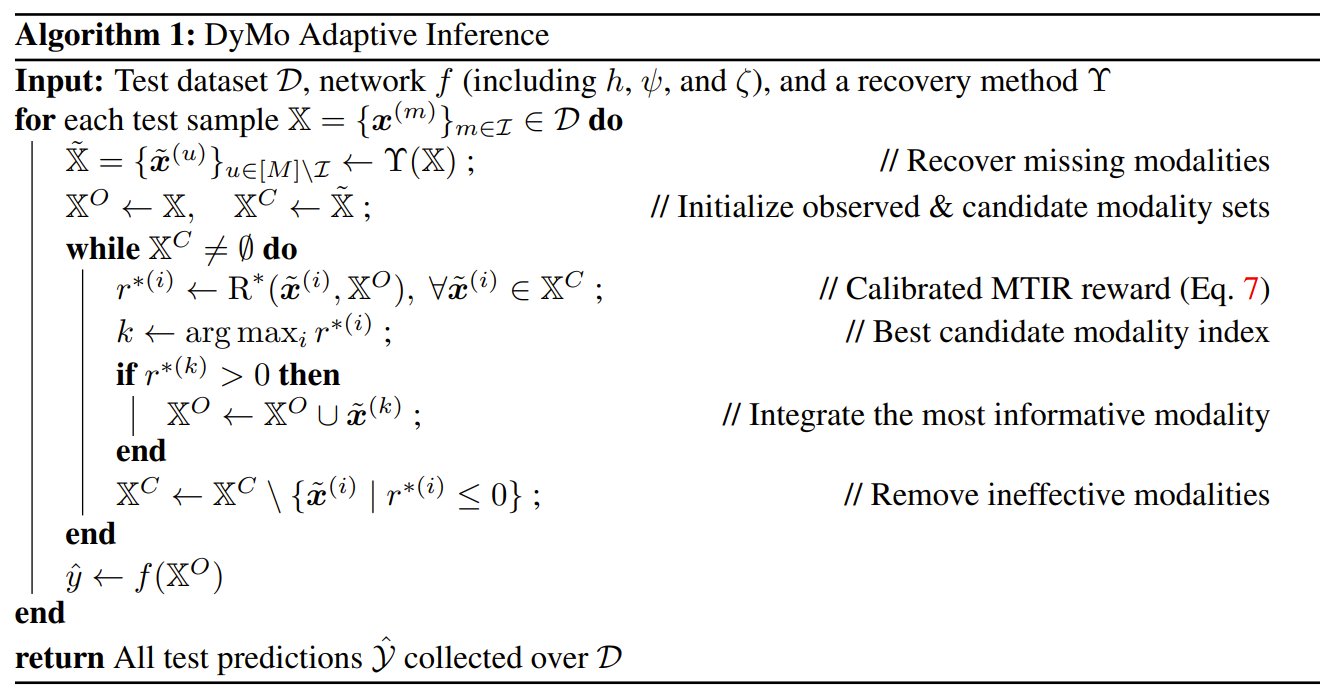
Is your multimodal AI struggling with incomplete data? Researchers from Imperial College London introduce DyMo. DyMo is a new framework that dynamically selects and combines the most reliable information from various data streams, even when some are missing. It cleverly