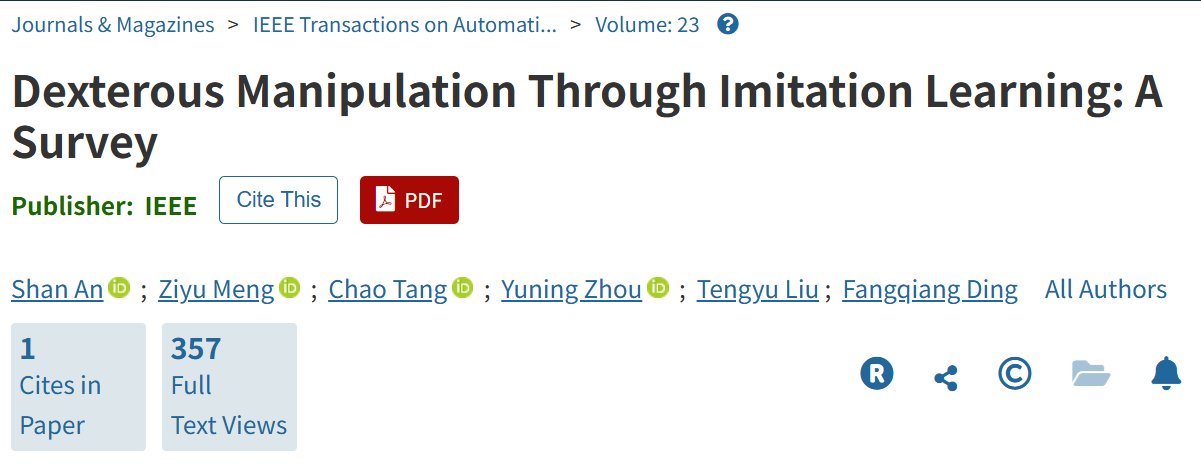
How can robots gain human-like dexterity without endless training? A new survey has the answers. It highlights how Imitation Learning (IL) lets robots acquire complex, human-like dexterity directly from expert demonstrations. This approach bypasses the need for explicit
@jiqizhixin
-

DeepSeek Mega MoE: Fusing MoE Operations Into Single Kernel
By
–
New from DeepSeek: Mega MoE! Instead of running MoE as a chain of separate steps (dispatch → MLP → combine), Mega MoE fuses everything into a single mega-kernel. Even more importantly, it overlaps NVLink communication with Tensor Core computation, reducing the classic
-
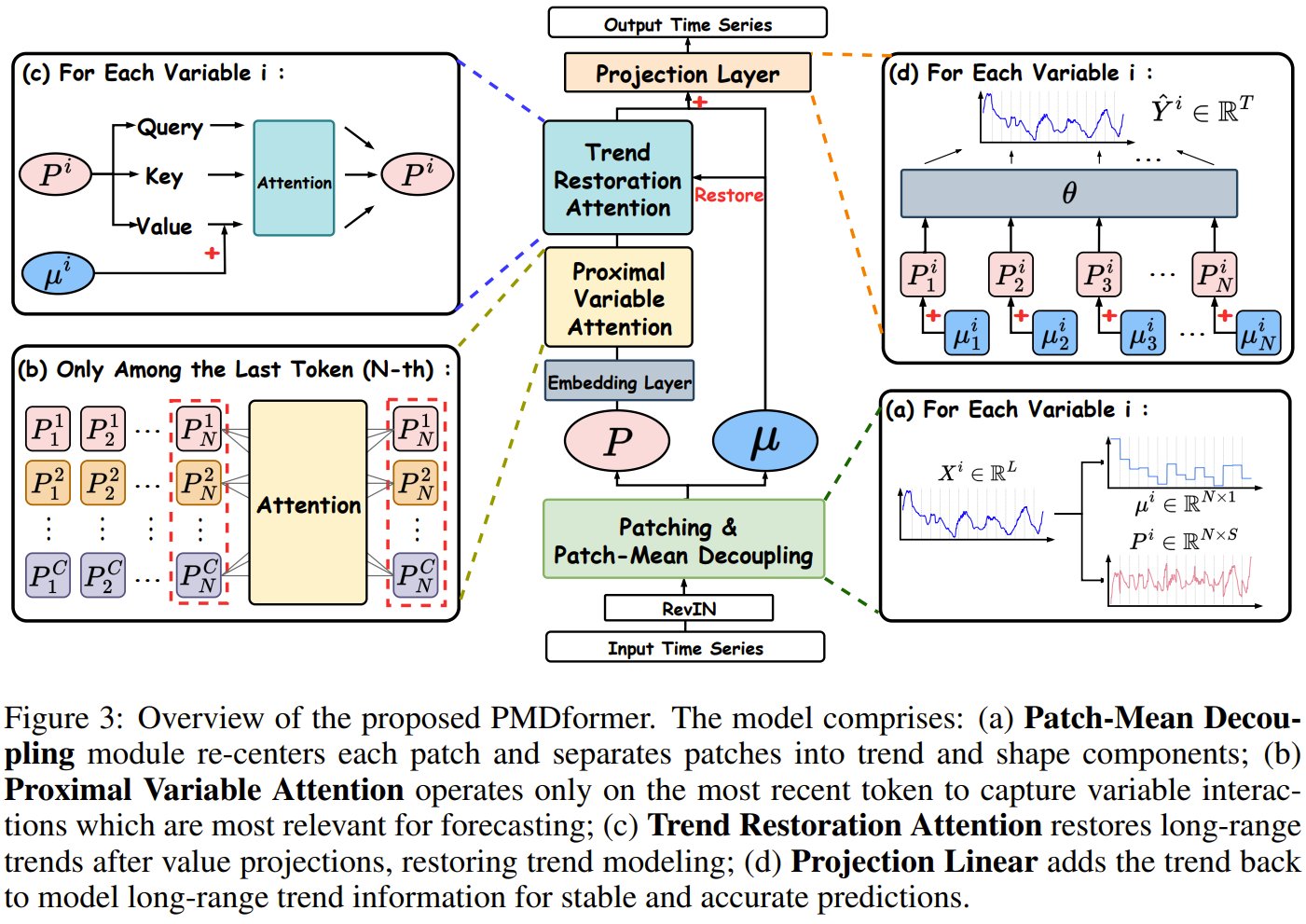
PMDformer: AI Model Forecasts Future Patterns with Unprecedented Accuracy
By
–
What if we could forecast the future with unprecedented accuracy and stability? A joint team from Southwestern University of Finance and Economics, Shanghai Academy of AI for Science, and Fudan University has developed PMDformer, a new AI model that deciphers long-term patterns
-
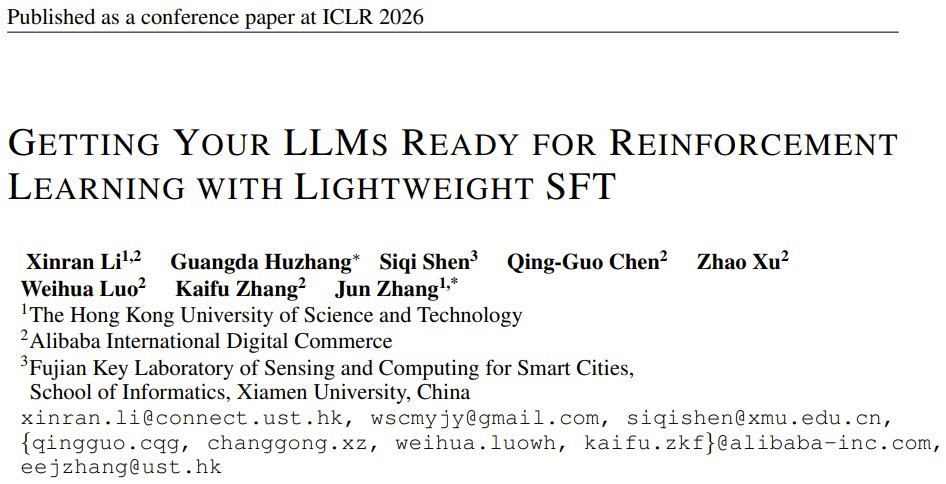
LLM Catastrophic Forgetting in Reinforcement Learning Fine-Tuning
By
–
Is your LLM truly ready for reinforcement learning, or is it forgetting its roots? Xinran Li and team from HKUST, Alibaba, and Xiamen University discovered that standard supervised fine-tuning (SFT) often causes LLMs to 'forget' foundational knowledge, hindering subsequent
-
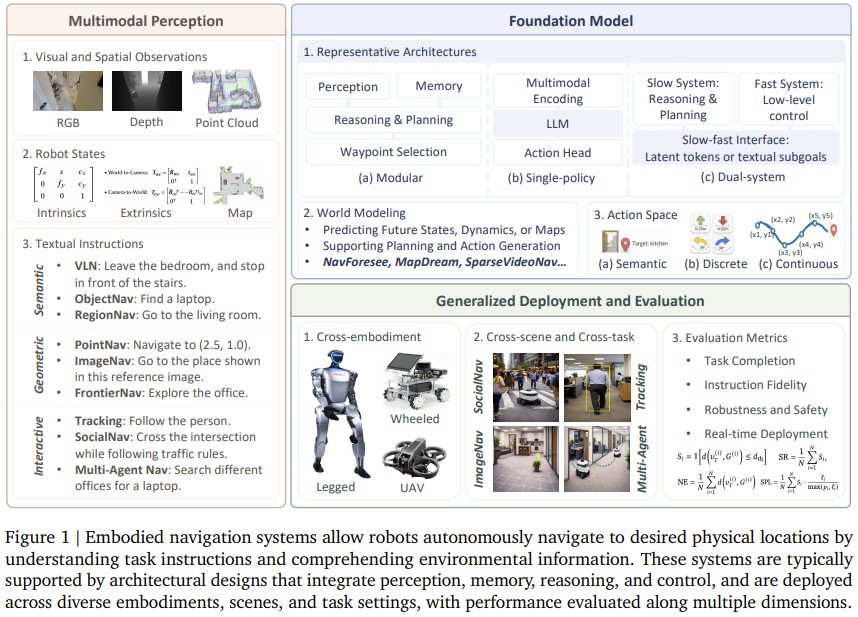
Empowering AI Agents for Physical World Navigation
By
–
How can we empower AI agents to navigate the physical world with true intelligence and adaptability? Researchers from Beijing University of Posts and Telecommunications, Nanjing University, Tsinghua University, and Peking University are reviewing a groundbreaking shift in
-
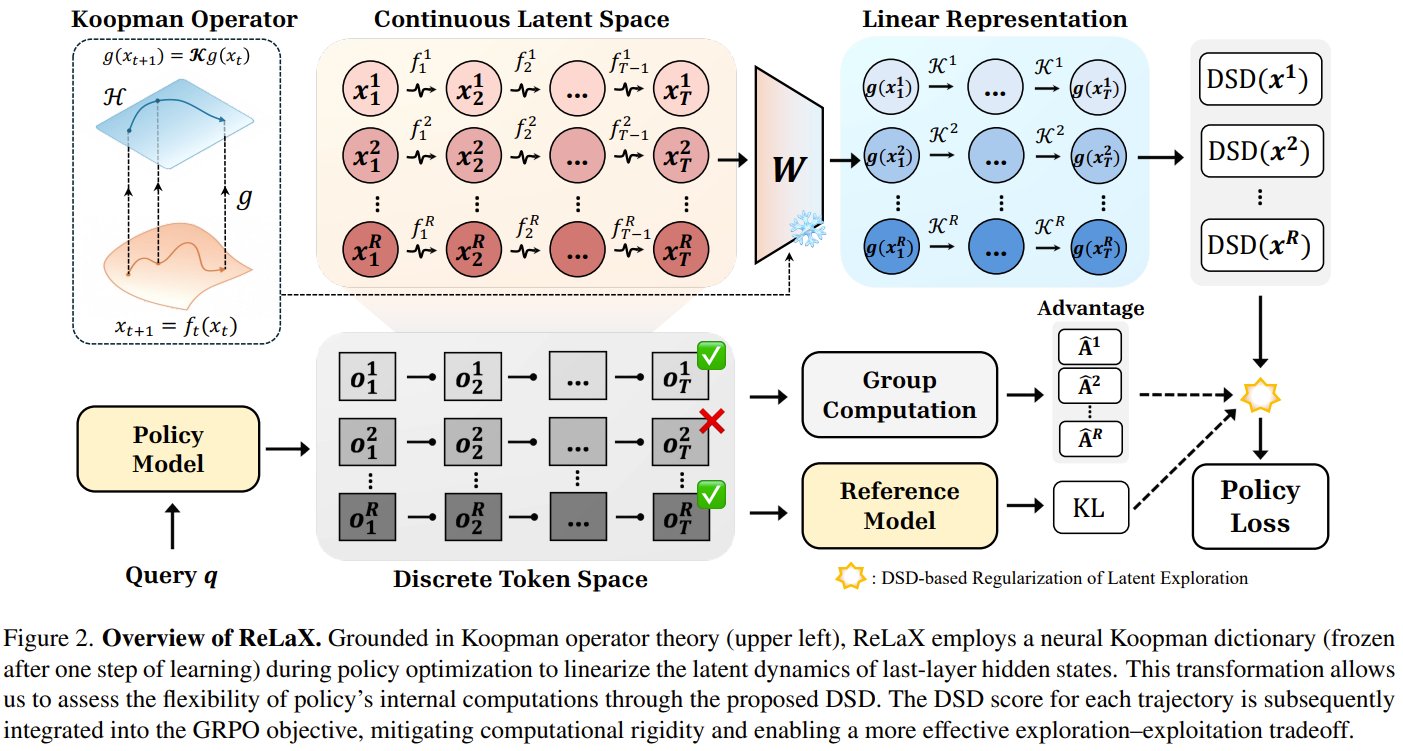
ReLaX: Unlocking Hidden Reasoning in Large AI Models
By
–
How can we make large AI models truly explore new ideas when reasoning? Researchers from Hong Kong Polytechnic University & Shanghai Artificial Intelligence Laboratory present "ReLaX"! They've found a way to look beyond the AI's generated words, diving into its hidden "latent
-
Physion-Eval: Benchmarking Physical Realism in AI-Generated Videos
By
–
How physically realistic are our AI-generated videos? Physion Labs, Stanford University, MIT, Harvard University, and Character AI introduce Physion-Eval. This new benchmark uses expert human reasoning to meticulously diagnose and explain physical realism failures in
-
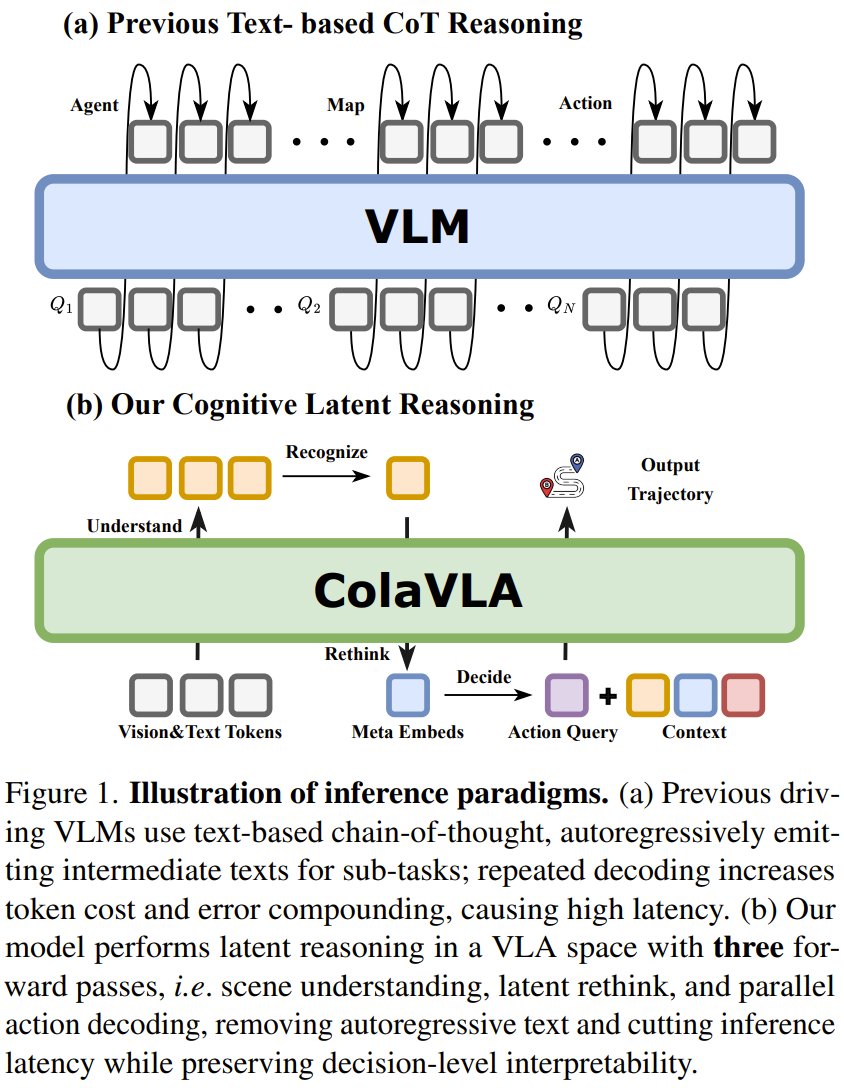
ColaVLA: AI System Enables Human-Like Reasoning for Autonomous Driving
By
–
What if self-driving cars could reason like humans AND react instantly? Tsinghua University, CUHK MMLab, and Voyager Research (Didi Chuxing) present ColaVLA! This innovative AI system tackles key autonomous driving challenges by translating complex visual and language data
-
HSImul3R: Physics-Realistic Virtual Human-Scene Interactions
By
–
What if virtual humans could interact with their environments with perfect physical realism?
— 机器之心 JIQIZHIXIN (@jiqizhixin) 14 avril 2026
Enter HSImul3R!
This novel reconstruction technique embeds real-world physics directly into the process, generating human-scene interactions that are seamlessly "simulation-ready."… pic.twitter.com/PNCZLDOfLhWhat if virtual humans could interact with their environments with perfect physical realism? Enter HSImul3R! This novel reconstruction technique embeds real-world physics directly into the process, generating human-scene interactions that are seamlessly "simulation-ready."
-
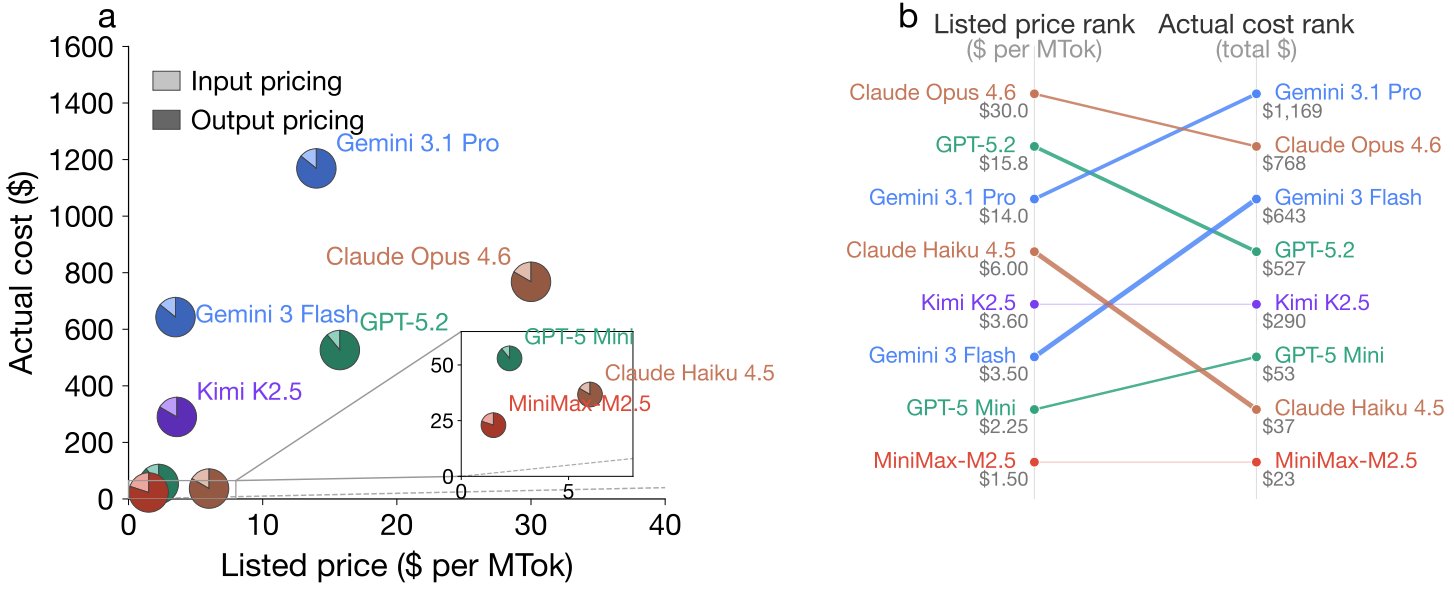
Cheaper AI reasoning models secretly cost more reveals study
By
–
Your "cheaper" AI reasoning model is secretly costing you more! A new study by Lingjiao Chen, Chi Zhang, Yeye He, Ion Stoica, Matei Zaharia, James Zou from Stanford University, UC Berkeley, CMU, and Microsoft Research uncovers the "pricing reversal phenomenon" in LLMs. They