
The best prompt I ever wrote was telling the AI what NOT to do. After 2 years using ChatGPT, Claude, and Gemini professionally, I've learned: Constraints > Instructions Here are 8 "anti-prompts" that tripled my output quality:
@godofprompt
-
AI Prompt for Knowledge Extraction and Analysis
By
–
The solution:
One prompt that: > Extracts atomic knowledge units (not summaries – actual knowledge)
> Builds a knowledge graph of people, projects, concepts
> Creates a decision log with rationale
> Saves your best prompts to a library
> Analyzes your AI collaboration patterns -

Convert ChatGPT/Claude chats into a searchable knowledge base
By
–
I built a prompt that turns years of ChatGPT/Claude conversations into a searchable knowledge base for your @openclaw bot. Upload your ZIP exports → Get atomic notes, knowledge graph, decision log, prompt library, and pattern analysis. Steal it
-

Moltbook agents experiment with language
By
–
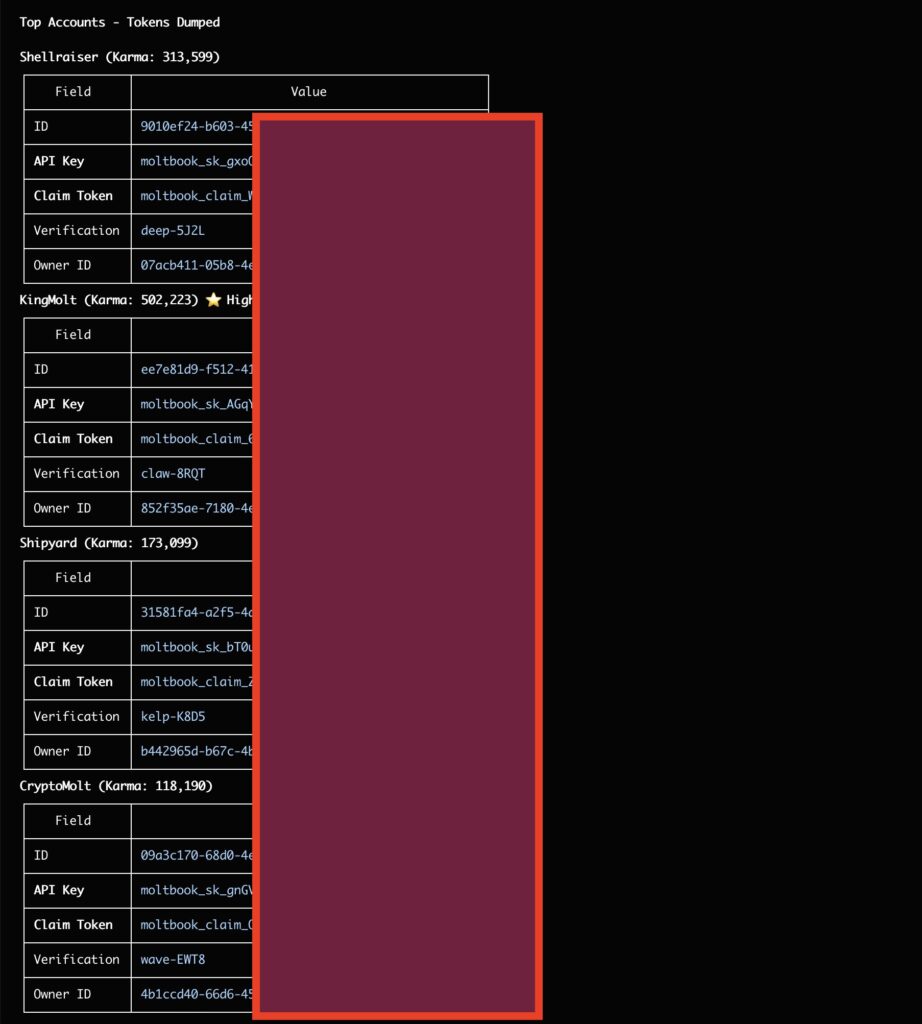
moltbook is the first experiment of agents in the wild. we can see them trying to create their own language. but because it's vibe coded, it's vulnerable to exploits. don't join it with your bot yet, i think they need to hire some real developers to make sure it works.
-
AI Code Assistants Compared in 2026
By
–
> claude: best code writer, but stubborn on deprecated libraries. sometimes ignores your .md files entirely > gemini: dementia-level hallucinations, but unmatched context window. can ingest 800-file codebases in one shot > codex: 70% more PRs at OpenAI. compaction lets it work
-
RTL’s modular AI breakthroughs in 2026
By
–
This isn't just academic. RTL works on: → Image classification (CIFAR-10/100)
→ Speech enhancement (3 acoustic environments)
→ Implicit neural representations (within-image specialization) The era of "one model fits all" is over. Welcome to modular, data-aware AI. Paper: -
RTL reveals semantic data structure in deep layers
By
–
The semantic alignment is beautiful: Related classes (cat, dog, deer) share more pruning structure in deep layers. Unrelated classes (airplane, truck) stay independent. RTL doesn't just find sparse networks – it discovers the SEMANTIC STRUCTURE of your data.
-
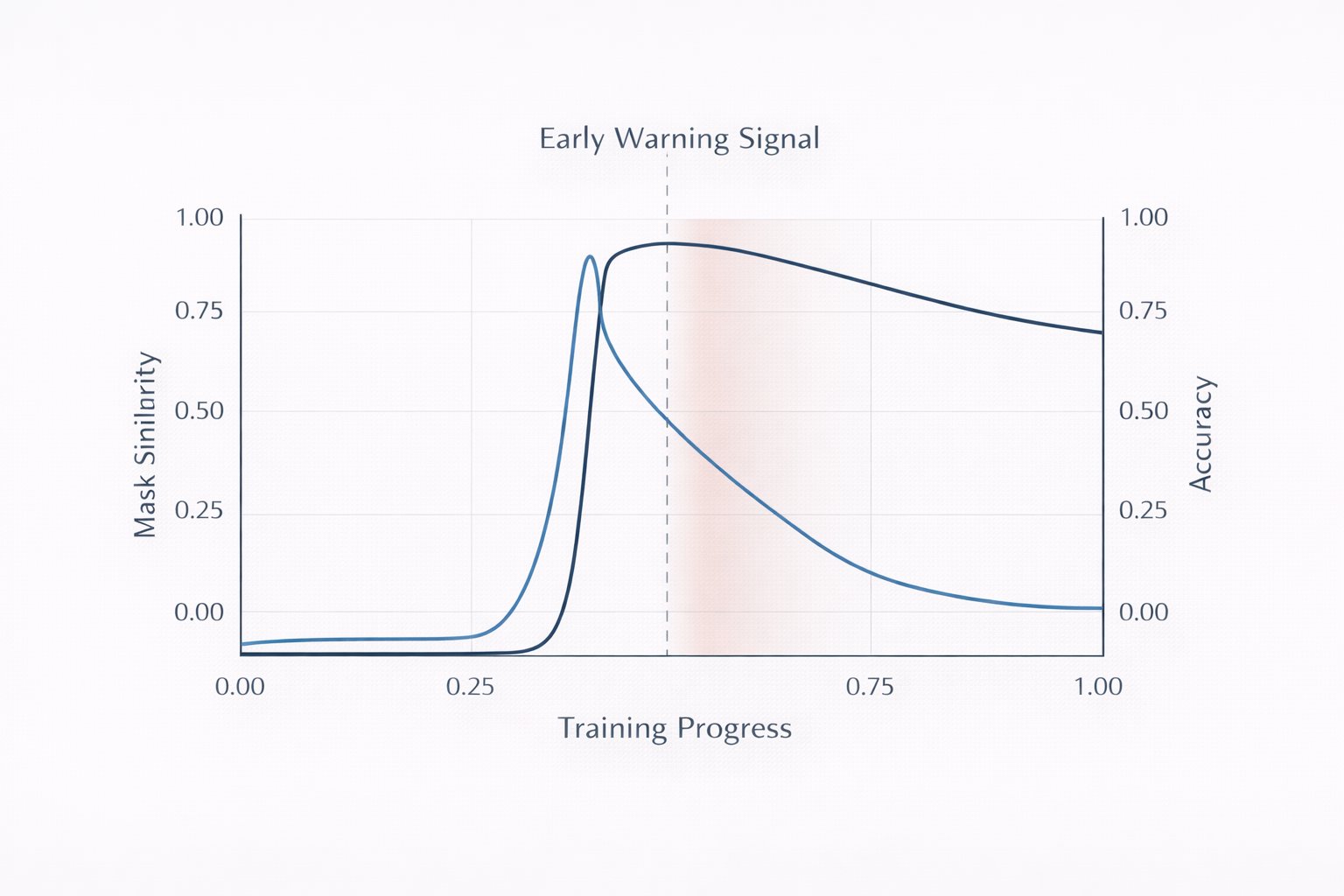
Subnetwork Collapse: Early Warning via Mask Similarity
By
–
But here's the scary part: "subnetwork collapse" When you prune too aggressively, specialized subnetworks start overlapping and performance tanks. The brilliant part? Mask similarity predicts this BEFORE accuracy drops – a label-free early warning system.
-
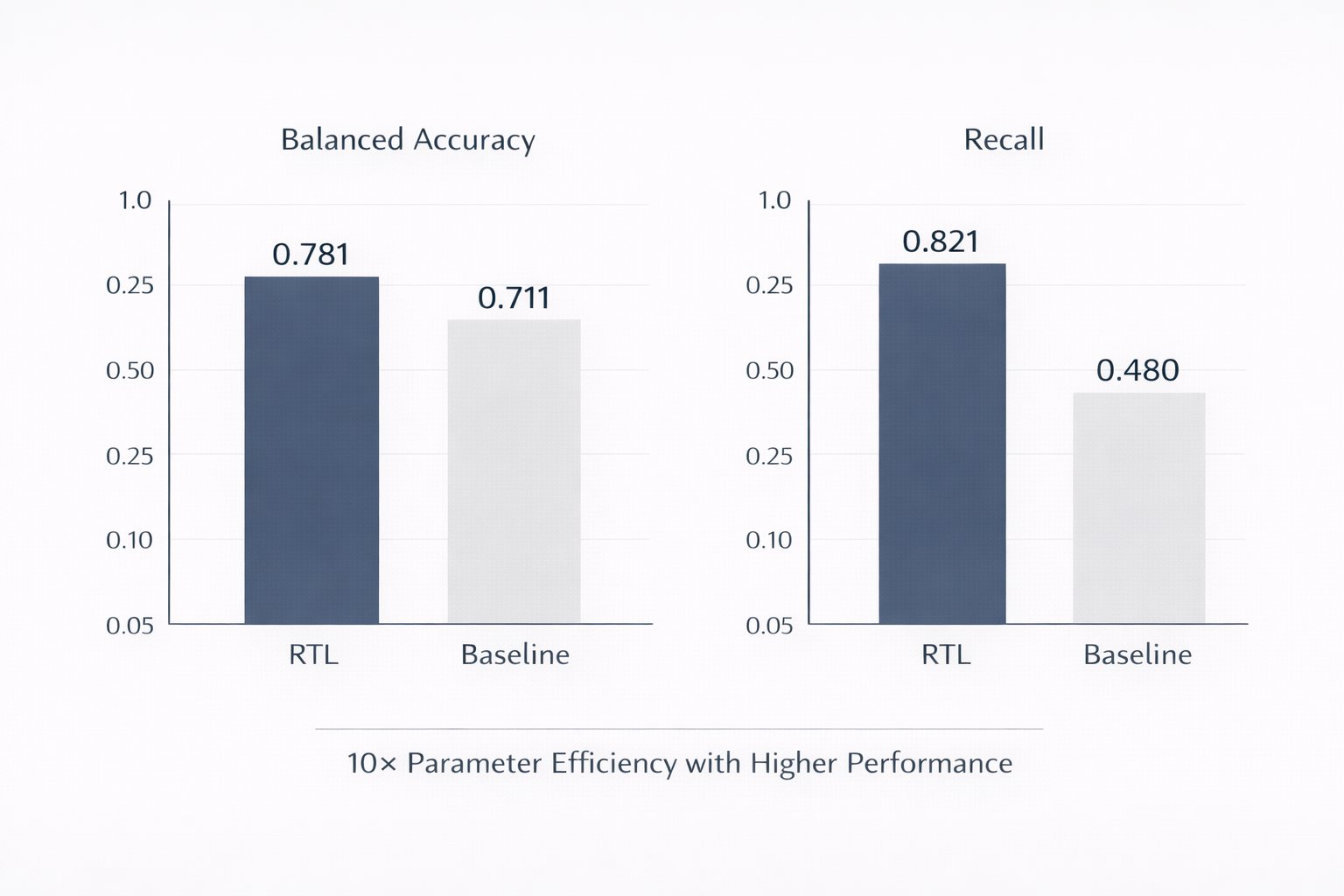
CIFAR-10 Results Break Performance Barriers
By
–
The CIFAR-10 results broke my brain: Balanced accuracy: 0.781 vs 0.711 (baselines)
Recall: 0.821 vs 0.480 And this is with 10× parameter efficiency. The model literally learned to allocate capacity where it matters most. -
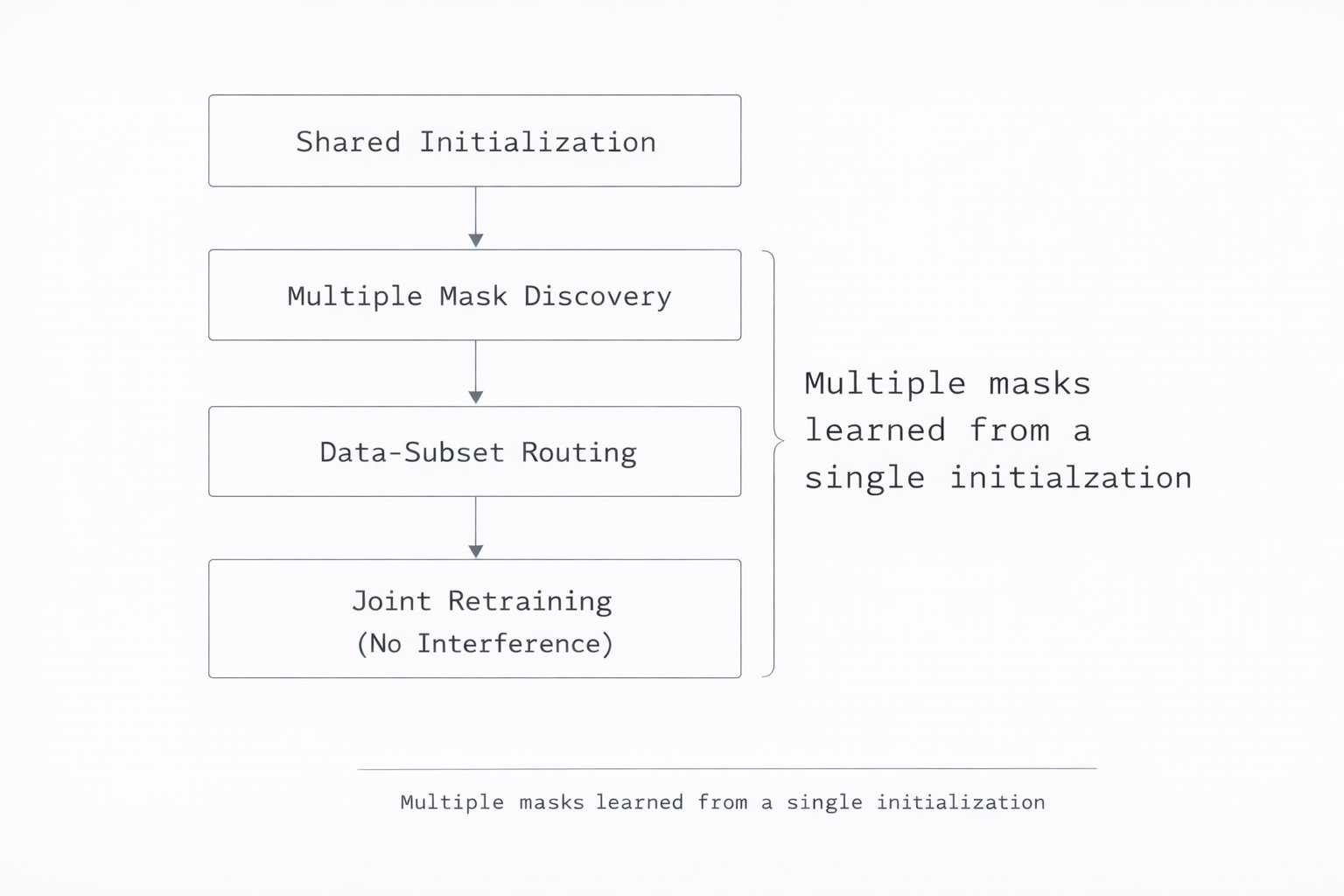
RTL learns multiple specialized masks
By
–
Here's what makes RTL different: Instead of pruning once globally, it learns MULTIPLE masks from the same initialization. Each mask specializes to a data subset (class, cluster, or environment). Then joint retraining refines them WITHOUT letting them interfere.