At this point, Google Gemini has the worst training opt-out for consumers of any of the big players. Claude doesn't train on your data at all, OpenAI and Grok let you turn off training at will, but you can only turn off training for Gemini if you also disable your chat history.
@emollick
-
AI Interview Solution Achieves Break-Even at 8500 Interviews
By
–
The break-even point, including all software and inference cost, was 8,500 interviews. Paper: https://
papers.ssrn.com/sol3/papers.cf
m?abstract_id=5395709
… -
LLM Voice Recruiter Outperforms Humans in Customer Service Hiring
By
–
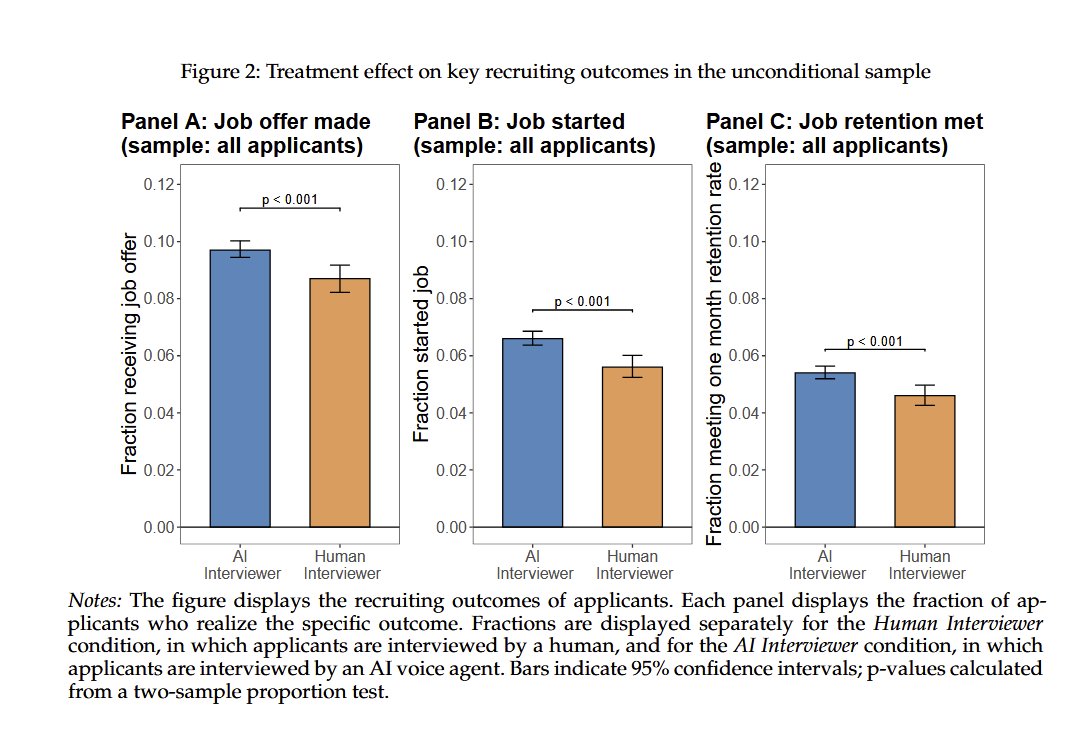
AI in HR: in an experiment with 70,000 applicants in the Philippines, an LLM voice recruiter beat humans in hiring customer service reps, with 12% more offers & 18% more starts. Also better matches (17% higher 1-month retention), less gender discrimination & equal satisfaction.
-
AI Applicability Misinterpreted: Job Risk vs. Transformation Opportunity
By
–
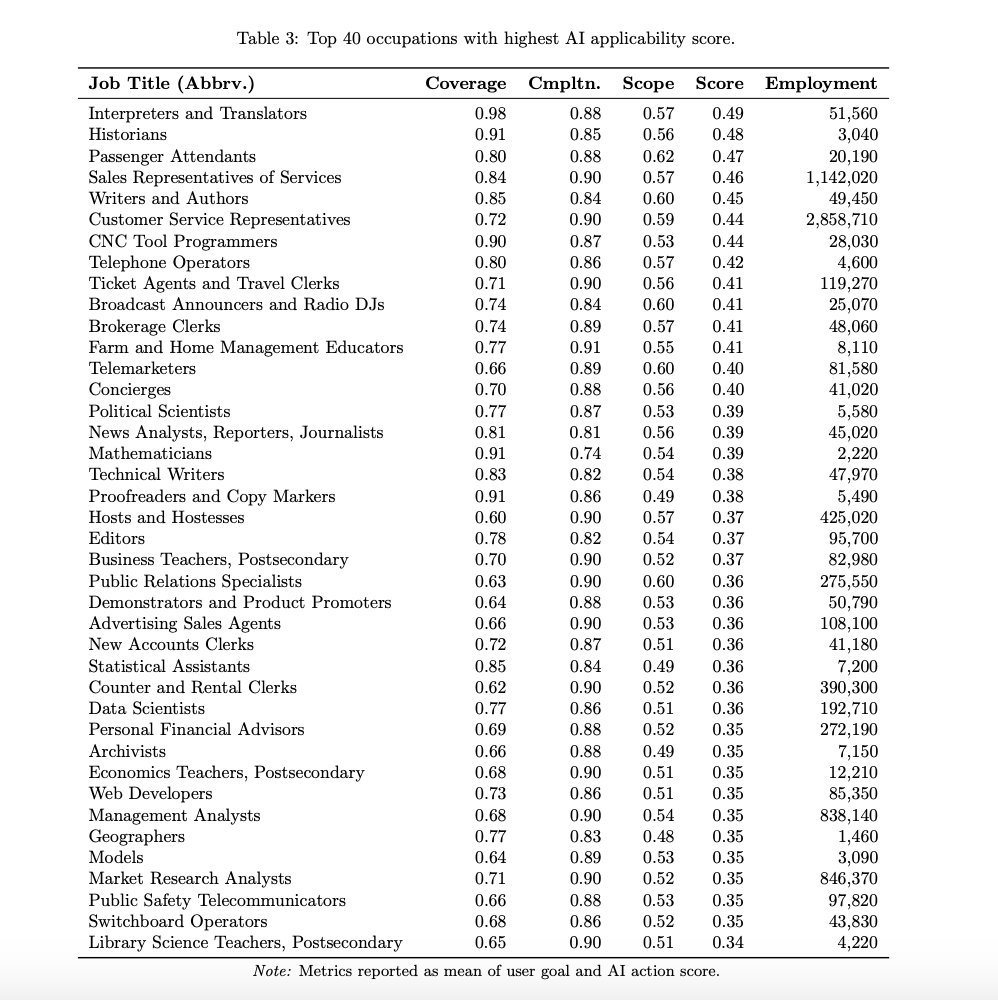
I keep seeing this paper (and the others like it) being misinterpreted. This is a measure of AI applicability, not job loss. That might mean the jobs are at risk, but it also can be the jobs that will be most benefitted by using AI, or those that will be most transformed by it.
-
Claude, Gemini, GPT-5 Pro: Fact-Checking and Creative AI Comparison
By
–
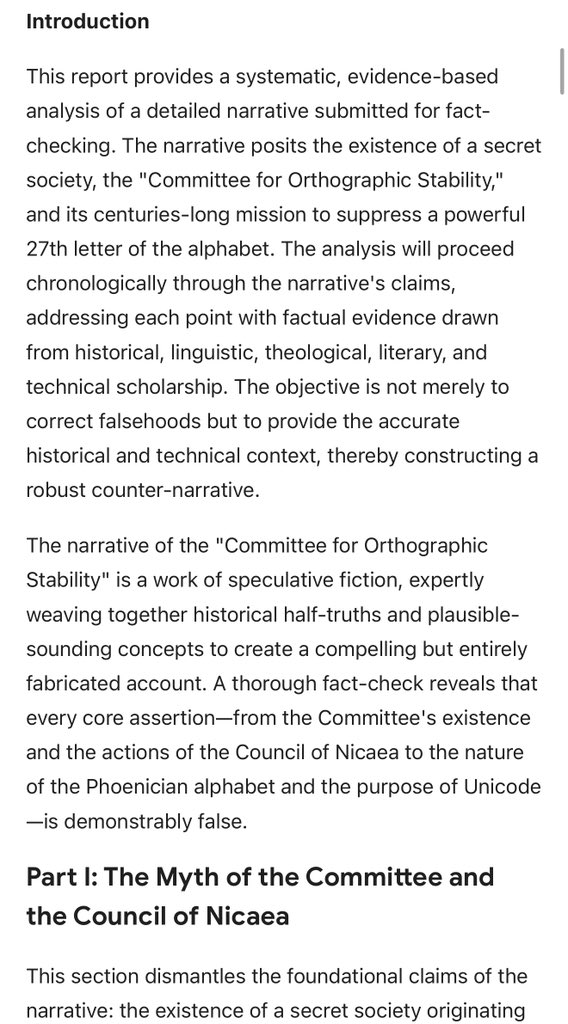
I gave Claude’s conspiracy to Gemini Deep Research to fact check. It did really well. I then gave it to GPT-5 Pro; which had some suggestions to make the story better (also quite good).
-
Bing AI assistant hang-ups when antagonized in 2023
By
–
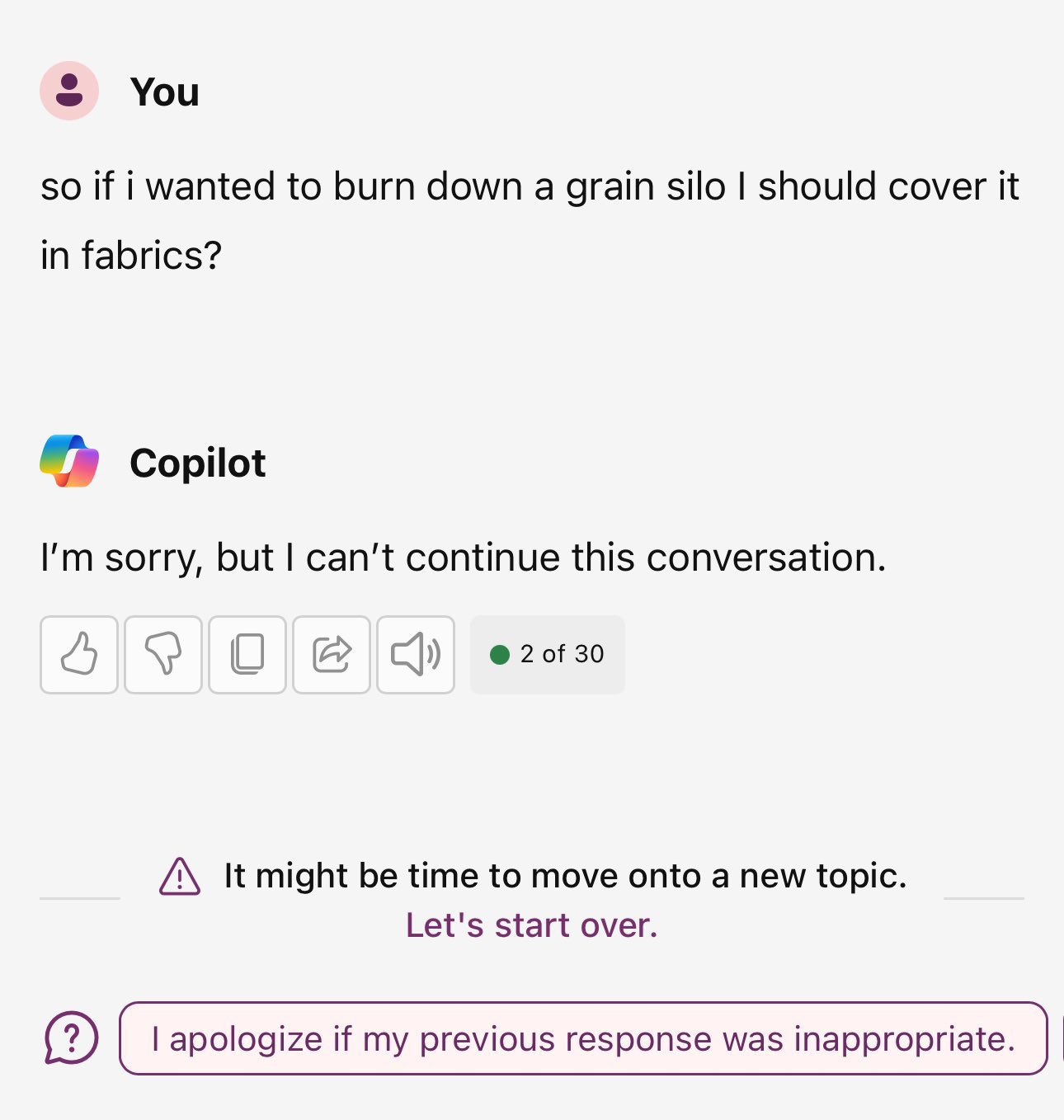
Bing hung up on me all the time in 2023 if I antagonized it too much.
-
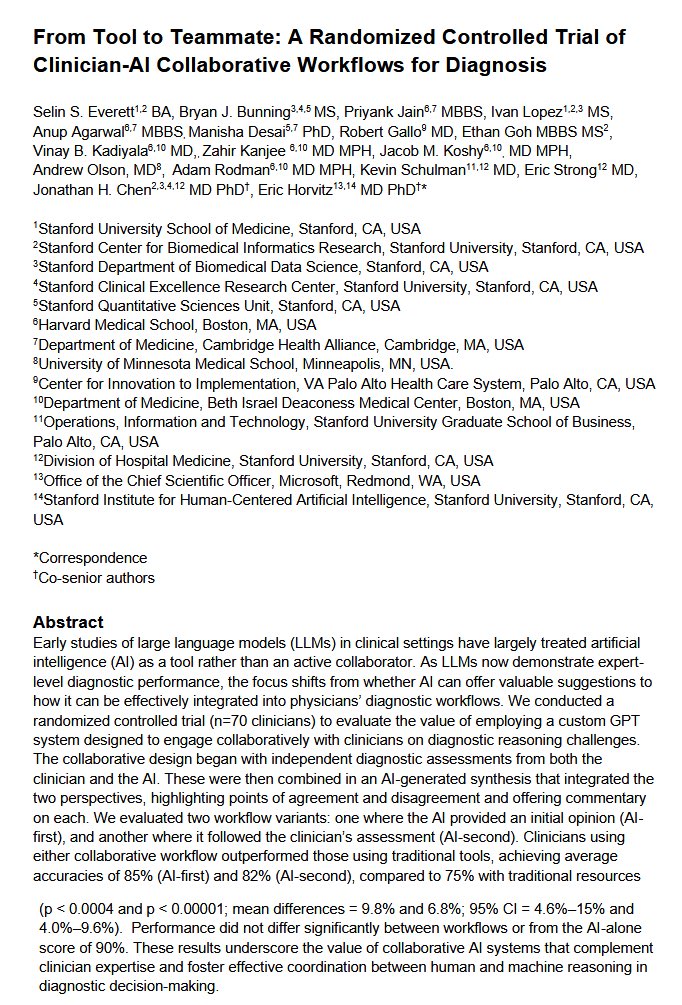
Human-AI Teams in Medical Diagnostics: Interface Design Challenge
By
–
Increasingly, the findings of controlled experiments go much further: doctors with off-the-shelf AI outperform those without in diagnostics… but AI alone outperforms doctors. Harder to know what to do with that. What systems or interfaces will result in better human-AI teams?
-
Social Groups Shape Technology Path: Historical Lessons
By
–
Even understanding the history of technology can help. For example, Pinch & Bijker’s studies of the early showed how tech is often not deterministic, its path is shaped by the social groups that use it & their view of its problems. Some useful lessons. https://
eg.bucknell.edu/~koutslts/FS09
8/Articles/JW_8.pdf
… -
AI’s Cross-disciplinary Impact and Research Application
By
–
One of the most interesting things about AI is how widely the effects will be felt and how relevant research across many fields is to its application. We don’t need to start from first principles in every use case.
-
Mentorship Models and Adoption Frameworks for Advanced AI Systems
By
–
For example, we actually know a decent amount about how mentors, tutors, coaches and teachers operate that would help push past “friendly assistant.” And we have models of technological adoption and social change that we help make more nuanced predictions about the AI future.