A new paper has been released, HyperMem, a memory architecture for long conversations. The goal is to enable dialogue systems to better preserve, organize, and retrieve long-term memories, avoiding the fragmentation of relevant information in traditional RAG or ordinary
@elliotchen100
-
Tokyo AI Ecosystem Growth: Virtual Agents Trending in Japan
By
–
今年去 @WaytoAGI 最大的感受是,整个东京的 AI 氛围比去年好太多了。 三个小见闻: 1. 活动上,不断有日本 bro 耐心问 @evermind 的产品细节,
如何运用在 Agents 上等等,不过大家最感兴趣的还是虚拟人这块儿,看来在日本只要把虚拟人这条线做好就会很出彩。 2. 早上回来的计程车上,放了一路的 -
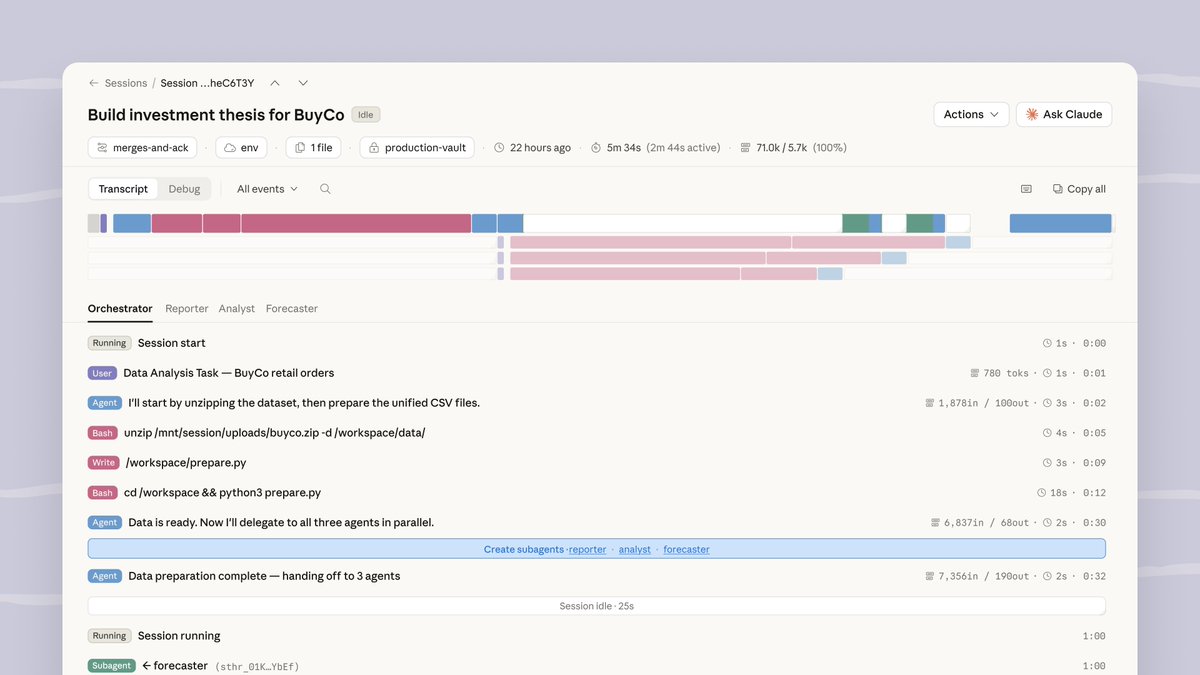
Anthropic launches Claude Managed Agents public beta
By
–
所以,看上去,A 社不再只想卖模型了,开始卖「Agent 运行时」了。
— 艾略特 (@elliotchen100) 9 avril 2026
Claude Managed Agents,公测,简单讲:你定义 Agent 的 prompt, 工具, MCP 服务器,剩下的 Anthropic 帮你跑。沙箱, 状态管理, 权限控制, 执行调度,全不用你管。
过去一年,所有做 Agent 的团队都在重复造同一套轮子。搭沙箱,… https://t.co/iMS0DBTZyKSo, it looks like Company A isn’t content with just selling models anymore—they’ve started selling “Agent runtimes” too. Claude Managed Agents, now in public beta. In simple terms: You define the Agent’s prompt, tools, and MCP server, and Anthropic handles the rest. Sandboxing,
-
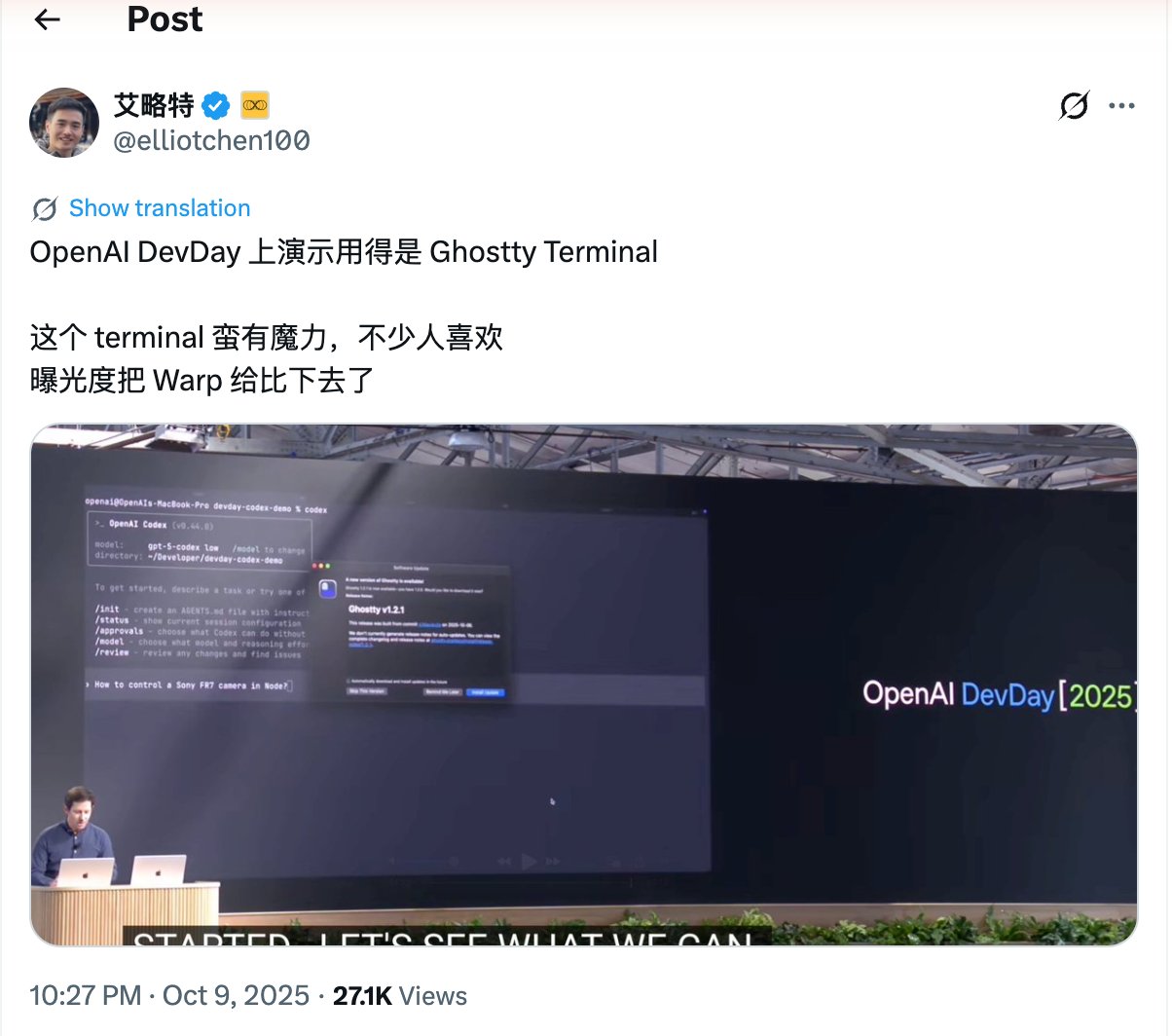
Cool Beats Practical: Why Tool Appeal Matters Most
By
–
More often than not, whether a tool is "practical or not" matters less than whether it's "cool or not." A couple of days ago, after I posted that, the comment section blew up with debate—the top comment even asked me point-blank if I'd actually used it myself. I have, okay? I'm
-
EverMind Hiring: Open Positions in Bay Area, Beijing, Shanghai
By
–
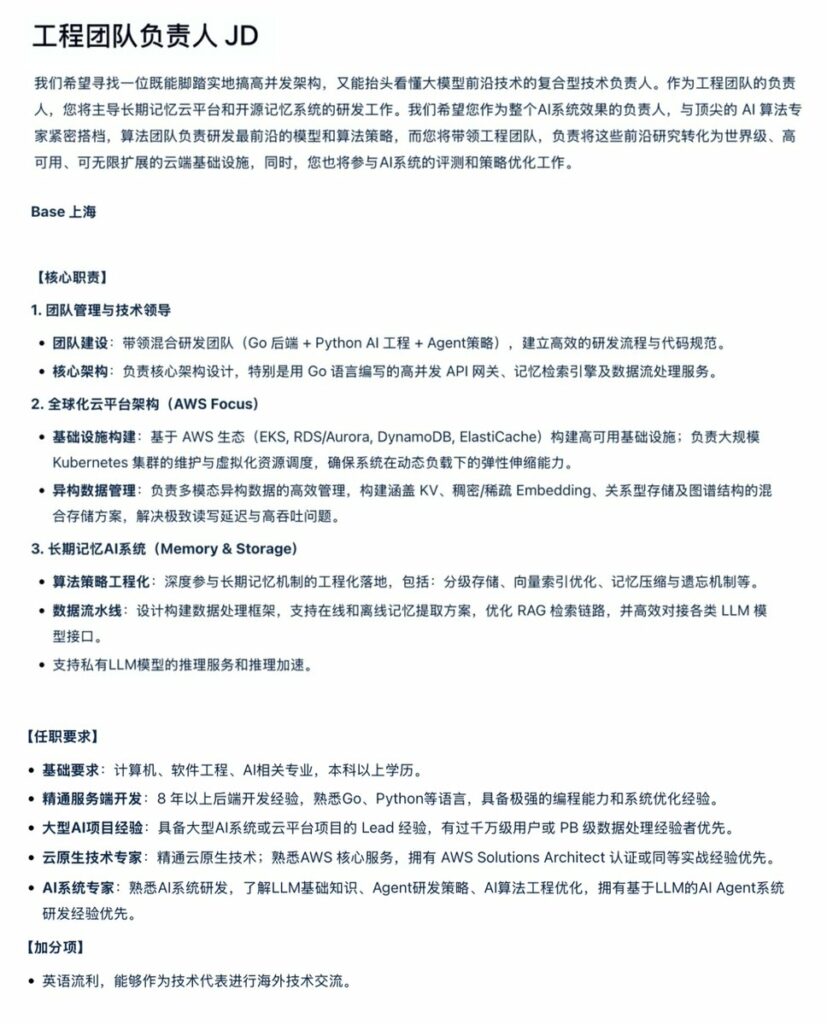
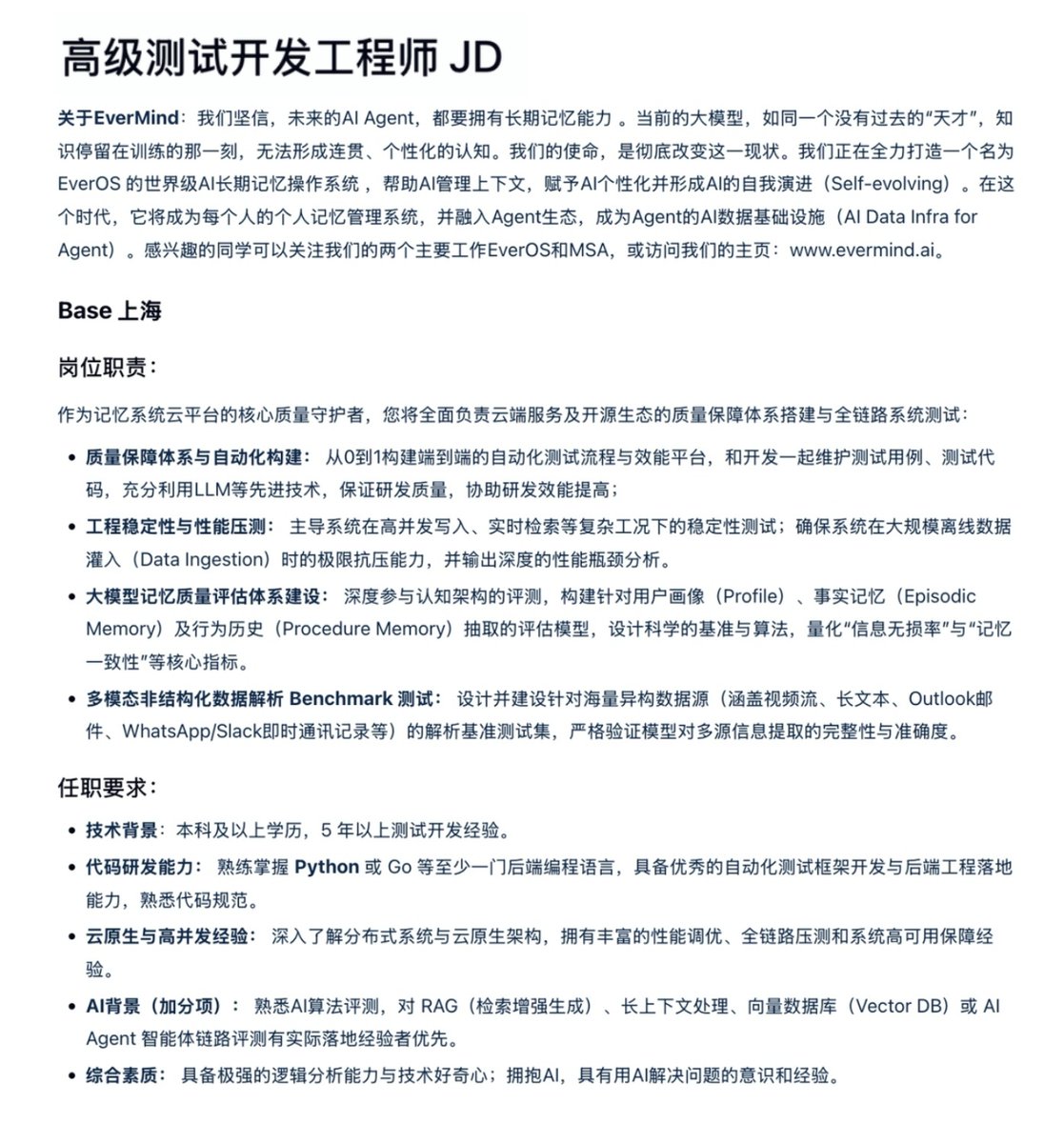
Posted a recruitment notice last week and received many resumes. Here are some clarifications: • Currently cannot offer remote work – we have headcount in Bay Area, Beijing, and Shanghai
• No education requirements, no age restrictions – strong English and communication skills are a big plus
• We have both technical and non-technical positions – all welcome to apply if you want to join an AI Native company
• We are continuously recruiting interns – feel free to apply if interested You can view job descriptions here or send your resume directly to evermind@shanda.com
evermind.ai/careers — Elliot (@elliotchen100): Recruiting now! The EverMind team (@EverMind), part of @shanda_group, is hiring. Job descriptions attached, DMs always open, feel free to ask any questions. • Engineering Team Lead
• Senior Test Development Engineer
• Product Manager, DevOps, Algorithm, Agent Strategy and other positions Some pros and cons: Pros:
1. Located in a separate small park in Zhangjiang – quiet, fewer people, plenty of parking
2. Unlimited Claude Code Opus access
3. Unlimited access to all other AI tools – apply and use immediately
4. Free canteen with great food
5. Very stable company VPN – no need to set up any proxies yourself
6. Excellent benefits – transportation allowance, meal allowance, supplemental provident fund, supplemental medical insurance, employee apartments, school for children, etc. (I had 12 days of annual leave upon joining) Cons:
1. No convenience store downstairs – takes 5 minutes to walk to buy a can of soda 😅 [Translated from EN to English]→ View original post on X — @elliotchen100, 2026-04-07 00:08 UTC
-

pneuma-skills:AI与用户实时协作的智能创意工具
By
–

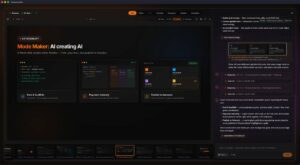
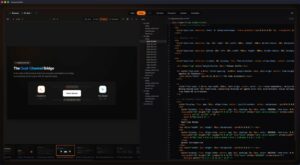
诸位都知道 @evermind 是 @shanda_group 系的吧,盛大下面好几个 AI Native 公司,这不来自 @TankaChat 的 bro 写了一个开源项目,觉得思路特别好,给大家科普一下。 先说一个你可能有过的体验: 你用 Claude Code 说"帮我做个网页",AI 在终端里哗哗改代码,改完了你得自己开浏览器、找到文件、刷新页面才能看效果。觉得按钮颜色不对?切回终端,打字说"第二行那个蓝色按钮改成绿色",AI 可能还不确定你说的是哪个按钮。改完再切回去刷新看。 整个过程就是:说 → 等 → 切 → 看 → 切回来 → 再说。来回跳,而且你用文字描述视觉问题本身就很不精确。 pneuma-skills 这个项目的做法是,把 AI 的工作区和你的预览区塞进同一个界面。AI 每改一行代码,你这边实时看到渲染结果。你觉得哪里不对,鼠标选中那个元素,AI 立刻知道你在说什么。 你可以理解成:你和 AI 在同一个 Google Docs 里协作,只不过 AI 负责写代码,你看到的是实时渲染出来的成品。 而且它不只能做一种东西。它内置了 8 个模式:网页设计、幻灯片、Markdown 文档、Excalidraw 手绘白板、draw.io 流程图、AI 插画,甚至还有一个"模式创建器"让你自己定义新的内容类型。 最让我觉得有意思的是两点: 一是它会记住你的审美偏好。你喜欢圆角、暗色系、大间距,用几次之后它就知道了,下次不用再说。这个偏好跨 session 持久化,换个项目也还在。 二是它有个叫 Evolution Agent 的东西,会分析你过去的操作,自动优化它自己的技能模板。意思是这个系统不是静态的,是会跟着你一起长的。 底层架构上,它抽象了三层契约,agent 后端是可插拔的,目前支持 Claude Code 和 OpenAI Codex。 我觉得这个项目指向了一个很重要的方向:AI 工具的下一个瓶颈不在模型能力,在交互界面。你和 AI 之间的沟通带宽越大,协作效率就越高。 这个项目盛大内部用了都觉得不错,推荐给诸位。 Ez Chan (@EzPandazki) 我本来觉得,做 PPT 应该早就每个人都有自己一套了。没想到这玩意儿好评度这么高~ 没什么好介绍的,反正 cc 天下无敌。如果有 cc 订阅(codex 也支持但是没测试过)的同学,评论自取吧。 — https://nitter.net/EzPandazki/status/2041184491490963550#m
→ View original post on X — @elliotchen100, 2026-04-06 23:41 UTC
-
Ghostty Terminal: A Veteran Developer’s Perspective on Tools
By
–
Also considered a veteran terminal player, I've tinkered with all sorts of iTerm2 mods in the past, from borderless setups → fzf → hyper.js → tabby → including messing around with stuff like Cmdr on Win, you know. From my personal experience, Ghostty really comes out on
-
Karpathy’s LLM Knowledge Base System and the Future of Memory Infrastructure
By
–
Karpathy posted a long thread about his most frequent use cases with LLMs recently. Not writing code, but building knowledge bases. The approach is quite hardcore: he dumps papers, articles, code repositories and other materials into a folder, then lets an LLM "compile" them into a Markdown wiki. The wiki includes summaries, backlinks, concept categorization, and articles linked to each other. The frontend uses Obsidian for viewing, and Q&A also has the LLM retrieve against the wiki. In his own words, most token consumption now isn't in manipulating code, but in manipulating knowledge. This shift is quite interesting. The entire system can also maintain itself. He wrote some LLM "health check" scripts that periodically scan the wiki for contradictory data, missing information, and potential connections, letting the LLM patch itself. The results from each Q&A can also be archived back into the wiki, making it thicker with each use. Actually, Karpathy clarified something that's happening right now: the greatest value of LLMs might not be helping you generate content, but helping you manage knowledge. But the last sentence of his post is the most worth pondering: "I think there is room here for an incredible new product instead of a hacky collection of scripts." He himself knows this system is hacked together from scripts. Obsidian + command line + manual processes—it works, but it's just a demo. And there are several problems he probably felt:
The wiki is local Markdown files, tied to the computer—it breaks when you switch machines. Retrieval relies on the LLM's own maintained indexes and summaries; he said around 400K words it still holds up, but beyond that? He even said "I thought I had to reach for fancy RAG," just that the scale hasn't reached that point yet. A more fundamental problem is that the wiki stores knowledge, but not memory. What does that mean? Knowledge is "domain X has these concepts, and their relationships are like this." Memory is "I just read a paper last week that refutes this viewpoint, and my judgment on this direction changed." One is static, one walks with you. Karpathy's system can help you store things and search things, but it doesn't know you've changed.
This is actually the difference between a knowledge base and a memory system. The gap isn't a better script—it's an entire architecture. The model can't just "store" and "search"; it needs to sense which information is relevant to who you are now, needs to evolve itself as you use it, needs to maintain coherence across projects and timelines. Karpathy proved with a hand-rolled solution that this direction is right. But he also proved firsthand that you can't go far with just file systems and prompts. Memory needs to be infrastructure, not a collection of scripts. [Translated from EN to English]→ View original post on X — @elliotchen100, 2026-04-05 04:31 UTC
-
Central layer architecture with full data export and open formats
By
–
犀利,我们做的是「中枢层」,支持随时随地全量导出,格式开放。
-
Group Member Creates Paper Abstract Visualization Video with Pretext and Textsring
By
–
群友用 Pretext 和 Textsring 做了一个前端页面,用到了 MSA 里面的论文摘要和关键词,然后又生成了带动效的视频,真有「亿」点东西。 pic.twitter.com/zm21gMkxUU
— 艾略特 (@elliotchen100) 3 avril 2026A group member created a frontend page using Pretext and Textsring, utilizing paper abstracts and keywords from MSA, then generated videos with dynamic effects. Quite impressive stuff. [Translated from EN to English]
→ View original post on X — @elliotchen100, 2026-04-03 11:17 UTC