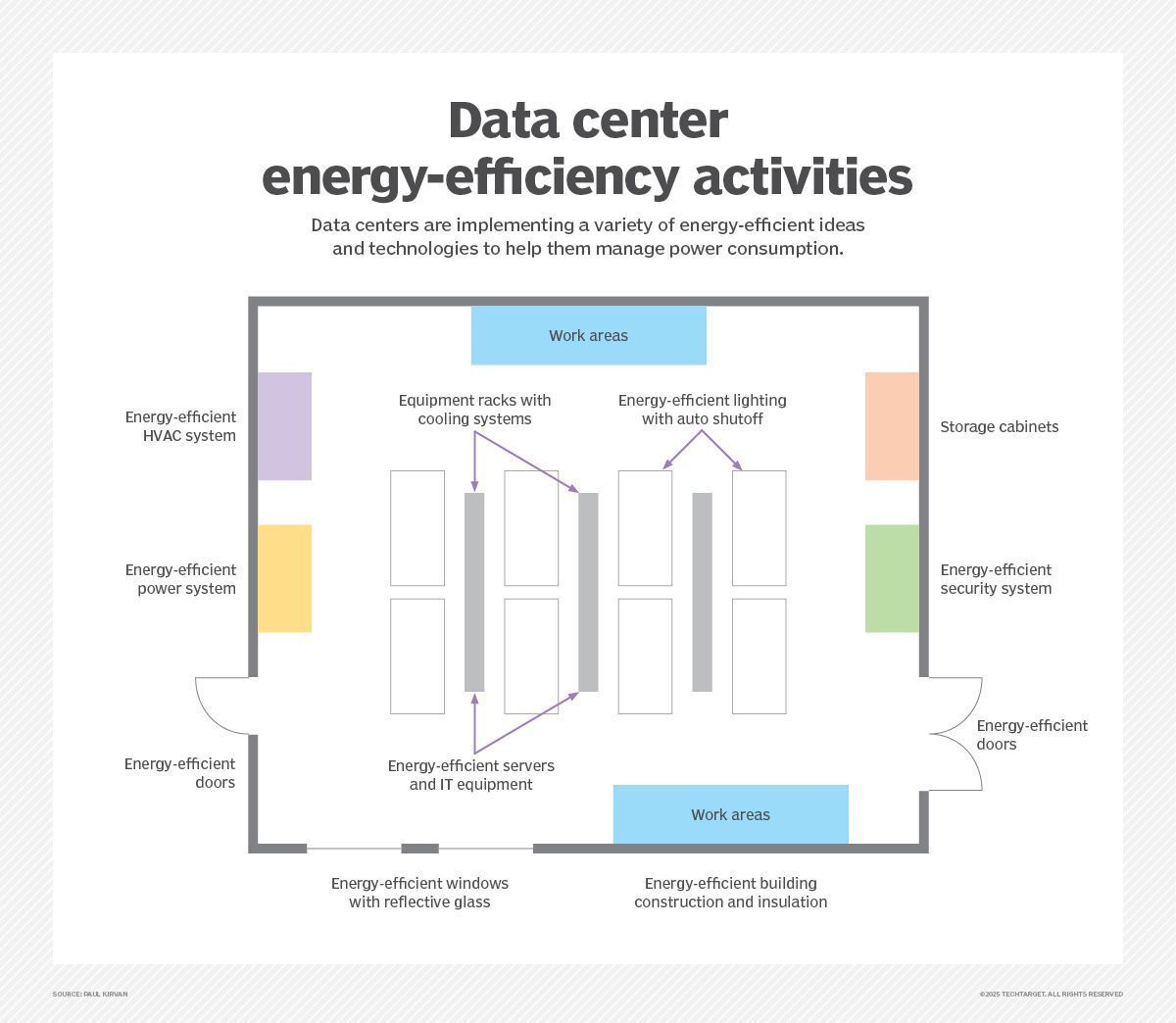
Data centers hinge on precise energy orchestration across cooling and power. As AI demand strains capacity, design choices hit cost and uptime, pushing efficiency into daily operations. Source @EyeOnTech_TT via @antgrasso
@antgrasso
-

Synthetic Workforce Models for Strategic HR Planning
By
–
Synthetic workforce models let organizations simulate roles and skills without exposing personal data, opening a controlled space for strategic decisions. From here, hiring, reskilling, and mobility can be planned with measurable impact. Microblog @antgrasso
-
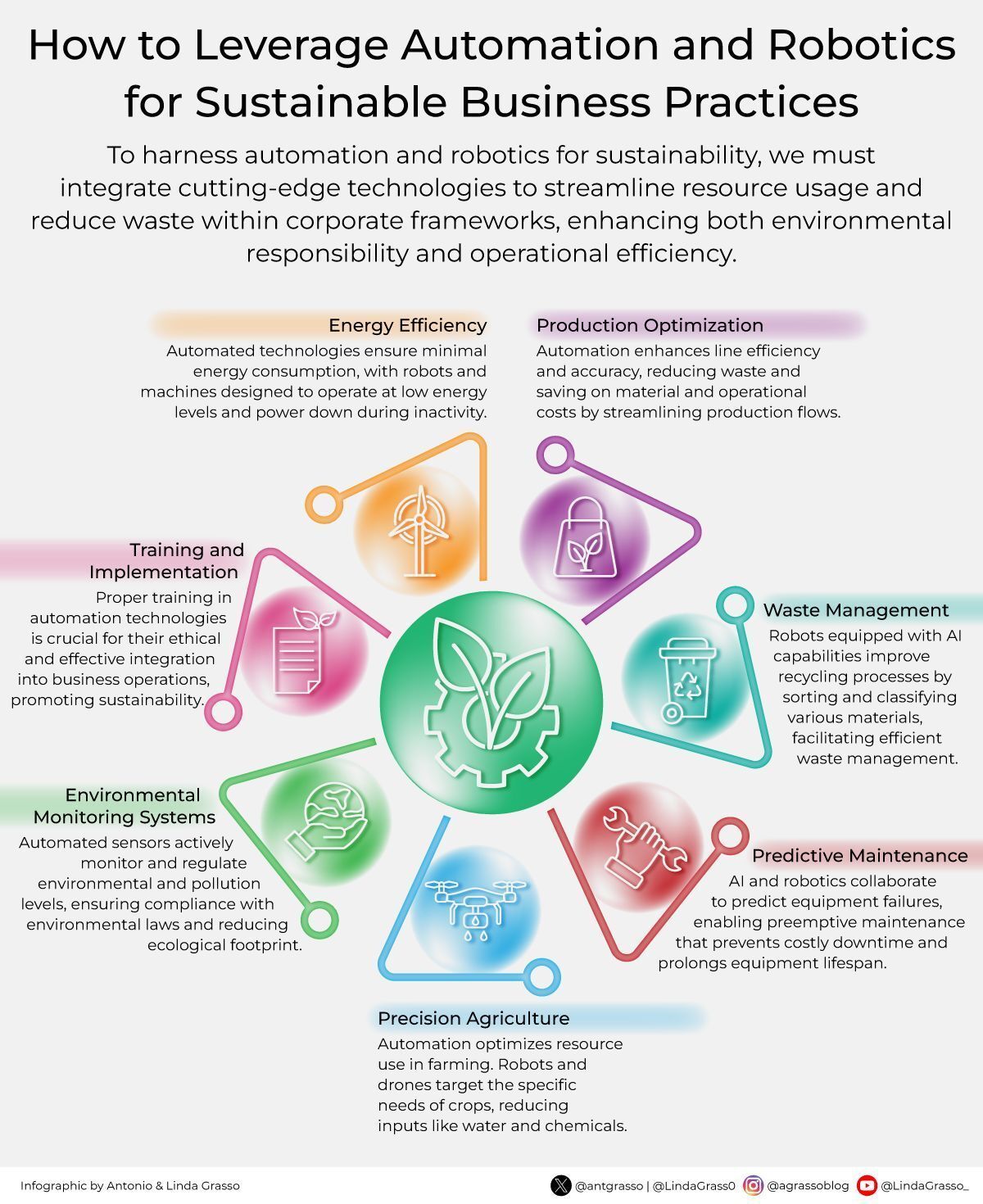
Automation and Robotics Drive Sustainable Business Operations
By
–
Automation and robotics are becoming practical tools for sustainable business, guiding how organizations reduce waste, optimize resources, and align innovation with environmental responsibility while keeping operations efficient and ready for growth. Microblog by @antgrasso
-
Efficiency-Driven Choices Compress Optionality With Strategic Costs
By
–
Your parallel is relevant.
Efficiency-driven choices tend to compress optionality over time, and rebuilding it later comes at a higher cost, but with a very different strategic value. -
Connectivity as Business Infrastructure: Adaptive Performance and Security
By
–
Connectivity is still treated as a convenience, but many business decisions now depend on stable performance everywhere. Combining adaptive performance and security helps turn it into a reliable working environment. @TMobileBusiness
-
Energy Constraints Define Real Limits for Scaled AI Systems
By
–
Exactly. This pattern repeats across different domains. Once scale becomes relevant, energy stops being a background factor and starts defining the real limits of what systems can deliver.
-
Energy as Structural Condition for AI Sustainability
By
–
Thank you.
I appreciate your reflection.
It brings the discussion to the right level. Energy is moving from a background variable to a structural condition that shapes what can actually be built and sustained over time. -

Scaling Future Energy Systems Across Industries and Markets
By
–
The real challenge is not defining the future of energy systems, but delivering it at scale across industries, infrastructures, and markets.
-
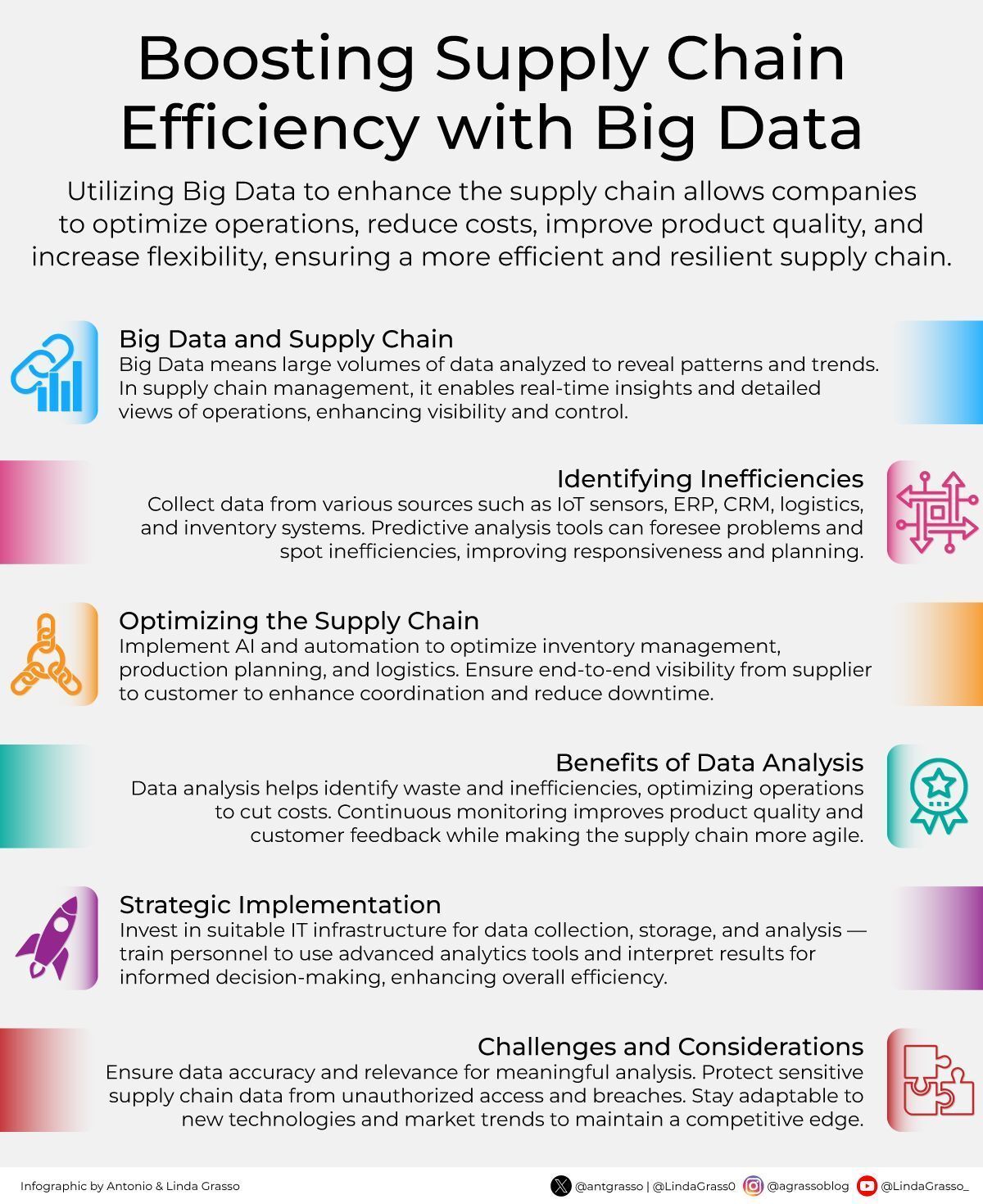
Data-Driven Supply Chain Optimization Through Predictive Analytics
By
–
Data is becoming the operational backbone of supply chains, where every delay or surplus can be traced and anticipated. Organizations need integrated data flows and predictive models so planning decisions align with real conditions. Microblog @antgrasso
-
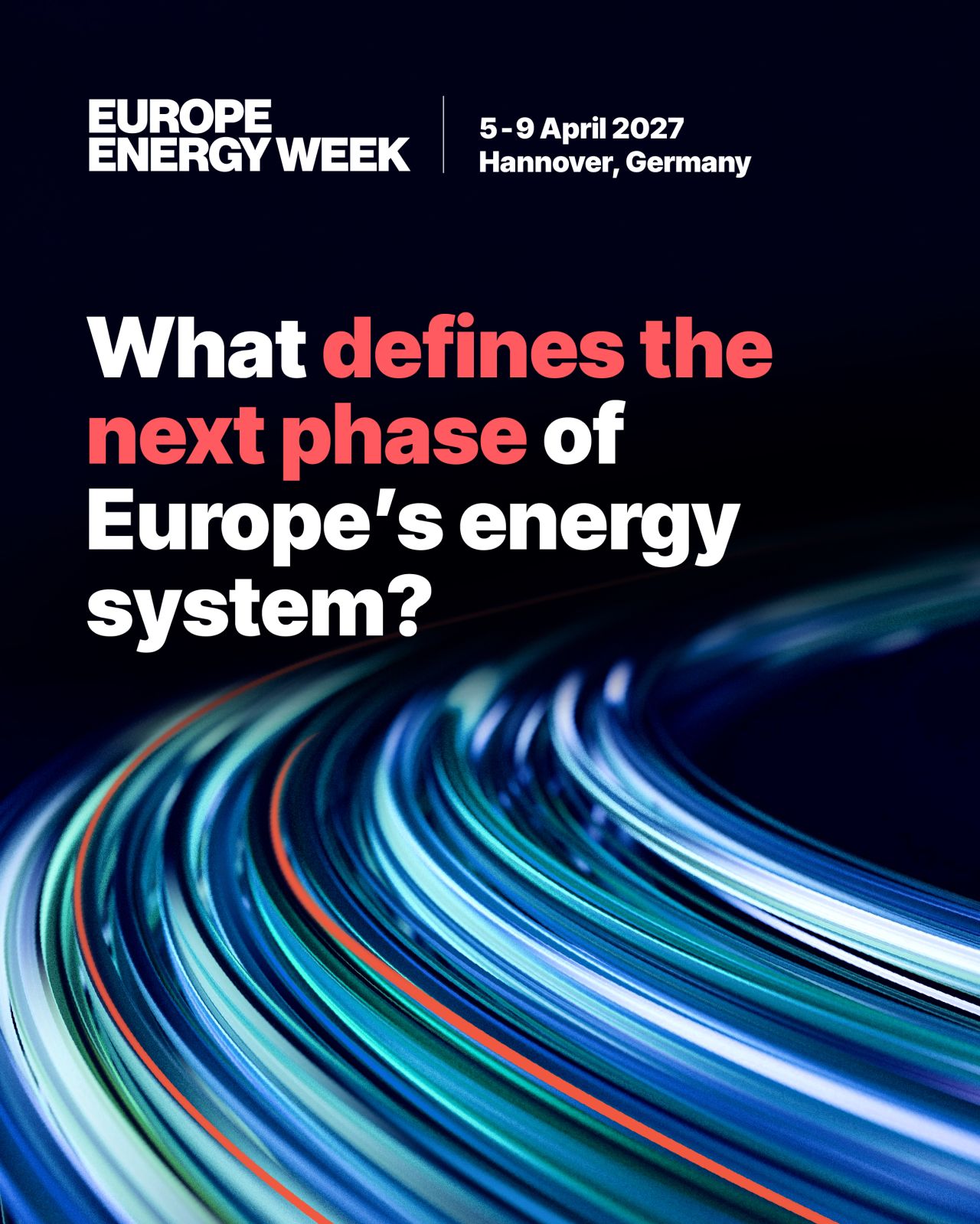
Energy Systems Integration: Multi-Technology Approach at Scale
By
–
The next phase of energy systems will not be defined by a single technology, but by how well different sources and infrastructures can work together at scale.