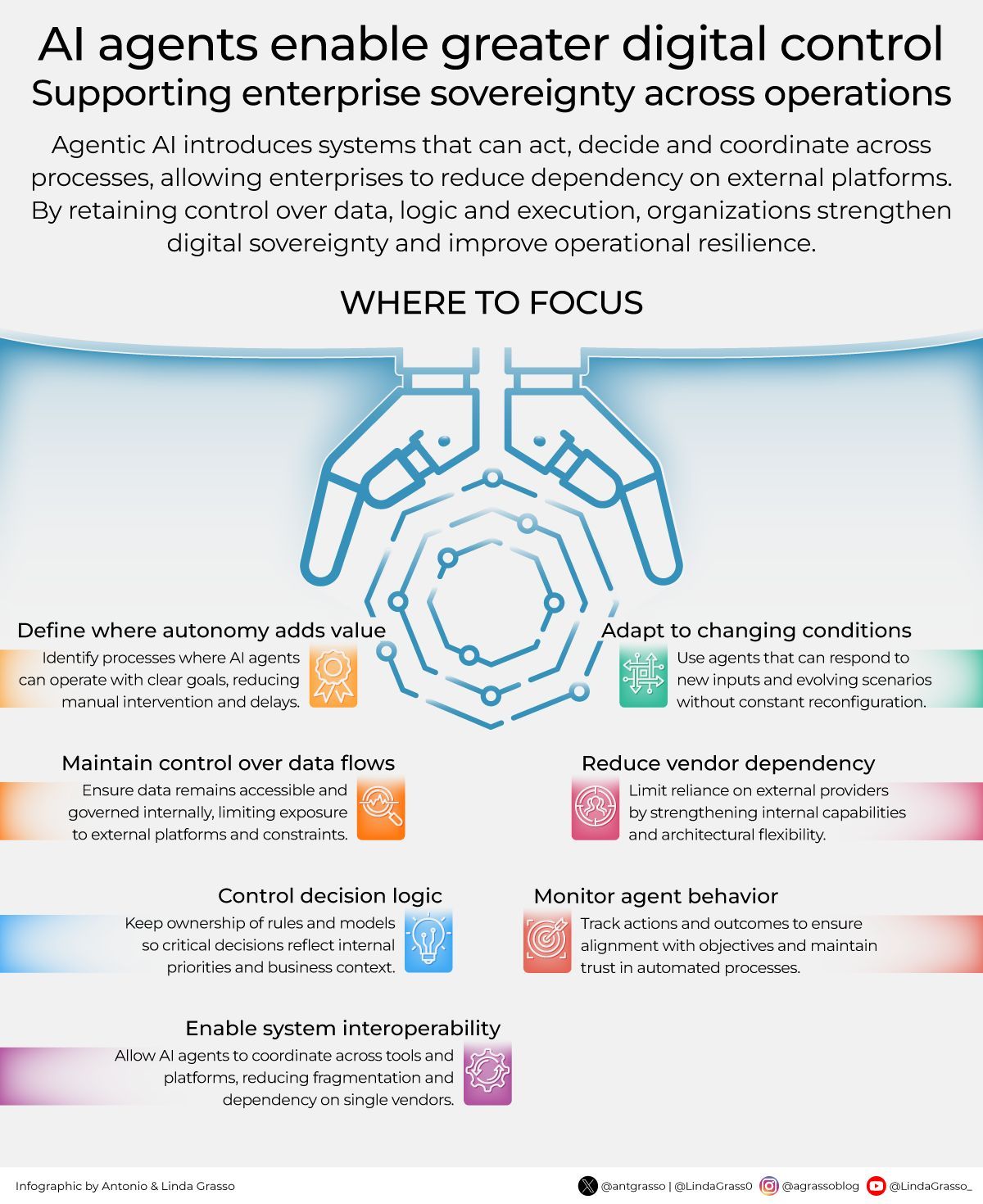
AI agents can help businesses maintain better control over their digital operations. By managing data, decision logic, and workflows internally, they reduce reliance on external platforms and improve resilience.
@antgrasso
-

Business spending on OpenAI and Anthropic on the rise
By
–
Business spending is concentrated around OpenAI and Anthropic, with a strong increase related to enterprise-focused tools. Source @VisualCap via @antgrasso
-
AI transforms visual context into agentic outputs
By
–
Every new interface changes what people and organizations can ask from technology.
— Antonio Grasso (@antgrasso) 18 juin 2026
With video in agentic workflows, AI can turn visual context, dashboards, and daily signals into outputs they can understand, share, and use.@hyperagentapp #HyperagentPartner https://t.co/OcsEtSOf2wEvery new interface changes what individuals and organizations can ask of technology. With video in agentic workflows, AI can transform visual context, dashboards, and daily signals into outputs that they can
-
Technology integrated into human collaboration via Viktor in Teams
By
–
I like when technology is placed inside the flow of human collaboration, where people already work together every day.
— Antonio Grasso (@antgrasso) 18 juin 2026
Viktor brings this idea into Microsoft Teams as an AI employee designed to support the team in its everyday work.@viktor__com Partner. https://t.co/BpYcuvjRqRI like when technology is integrated into the flow of human collaboration, where people already work together every day. Viktor embodies this idea within Microsoft Teams as an AI employee designed to support the team in its daily work. @viktor__com
-

AI for personalized and safer medical care
By
–
AI can support more personalized medical care by helping doctors choose treatments based on each patient's history and needs. Better use of data can lead to safer decisions and more effective care.
-
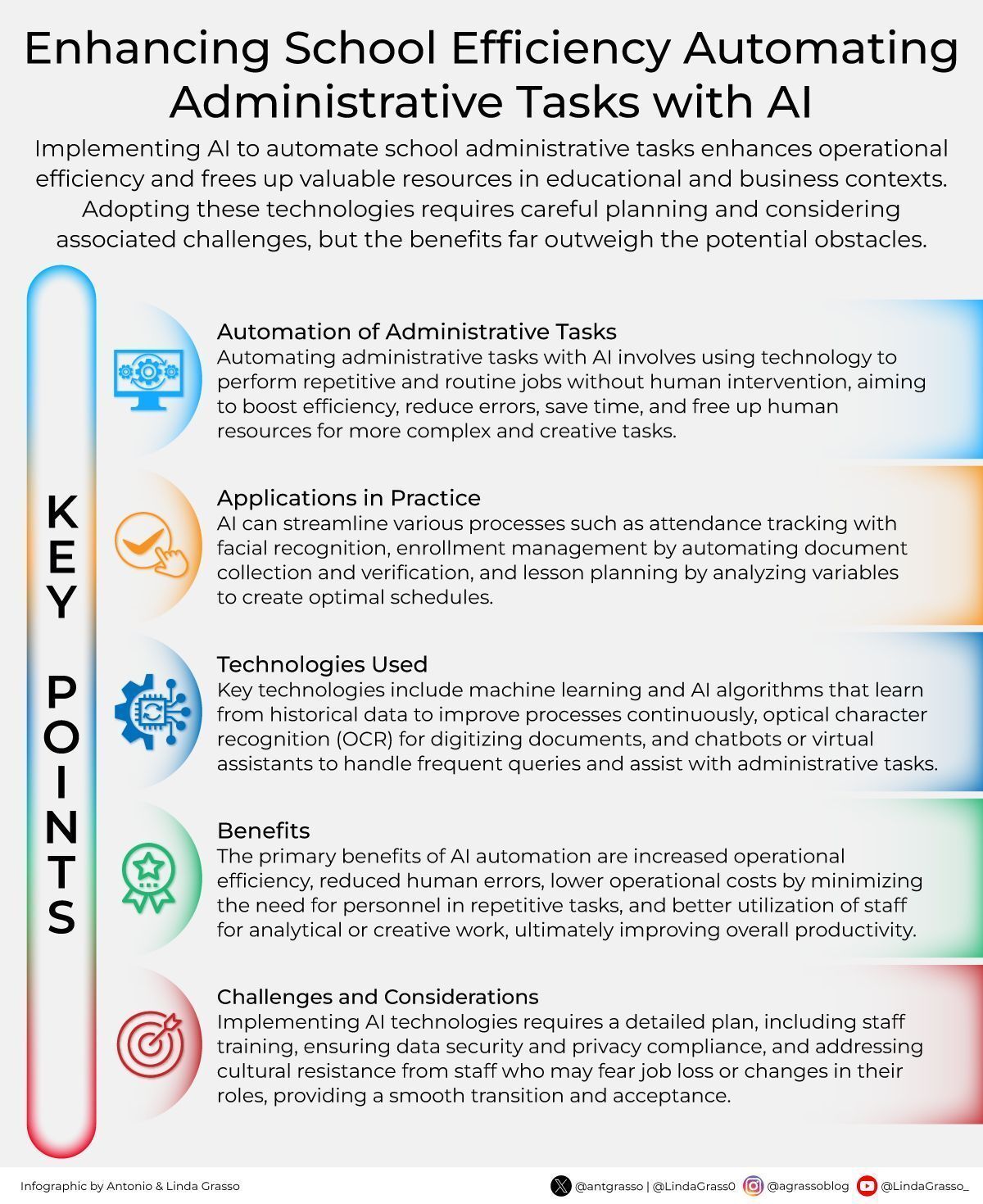
AI transforms school administration through process automation
By
–
AI enters school administration through automation of repetitive processes, changing how time and attention are allocated among staff. Institutions are pushed to rethink roles and data practices to maintain
-
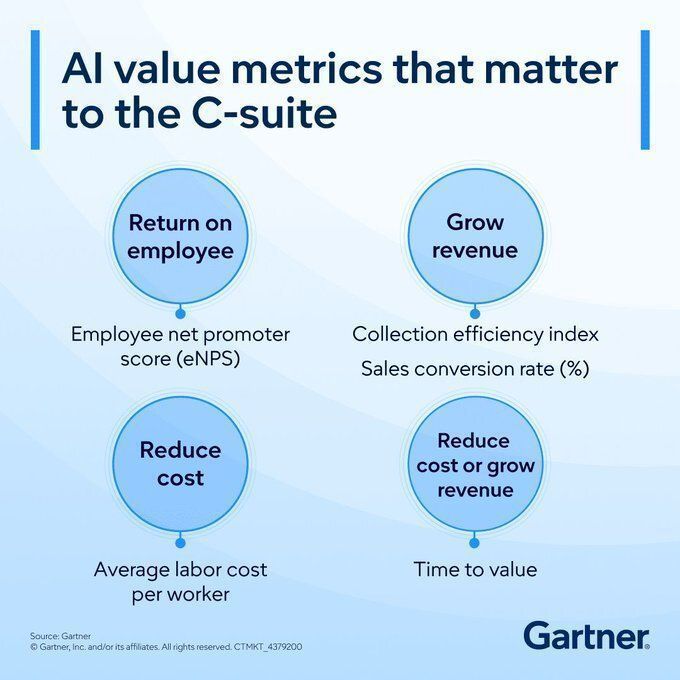
AI earns its place by boosting conversion and value
By
–
AI earns its place when it boosts conversion and shortens the time to value. Execution becomes the constraint: teams must test in real contexts and link use cases to revenue, where decisions accelerate.
-
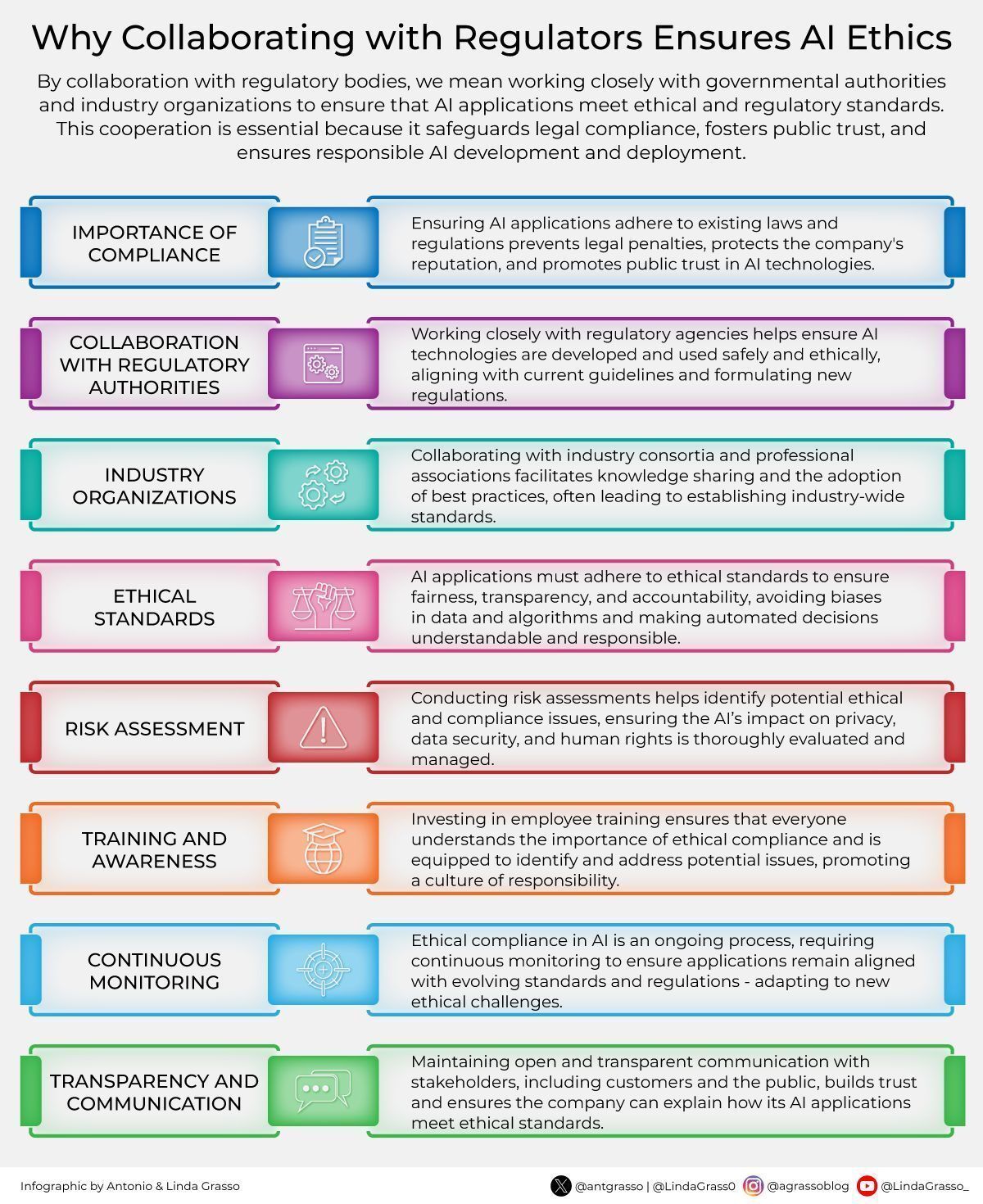
Early collaboration with regulators for ethical and safe AI
By
–
AI ethics becomes practical when companies collaborate with regulators from the start. Clear rules help teams design safer systems, reduce legal risks, and explain AI decisions with more confidence.
-
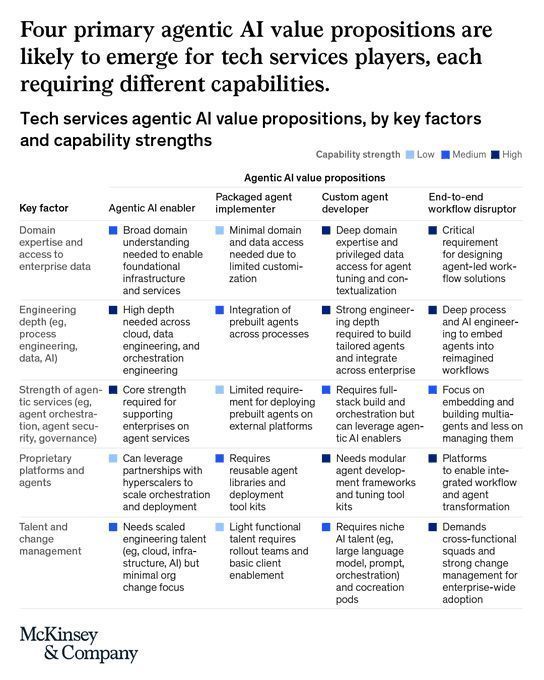
Agentic AI drives tech services to pick role, from enabler to builder
By
–
Agentic AI is pushing tech services to pick a clear role, from enabler to full solution builder. Each choice affects skills and delivery, so organizations must decide where to invest and how to scale. Source @McKinsey Link https://
mck.co/4cCZTGm via @antgrasso -
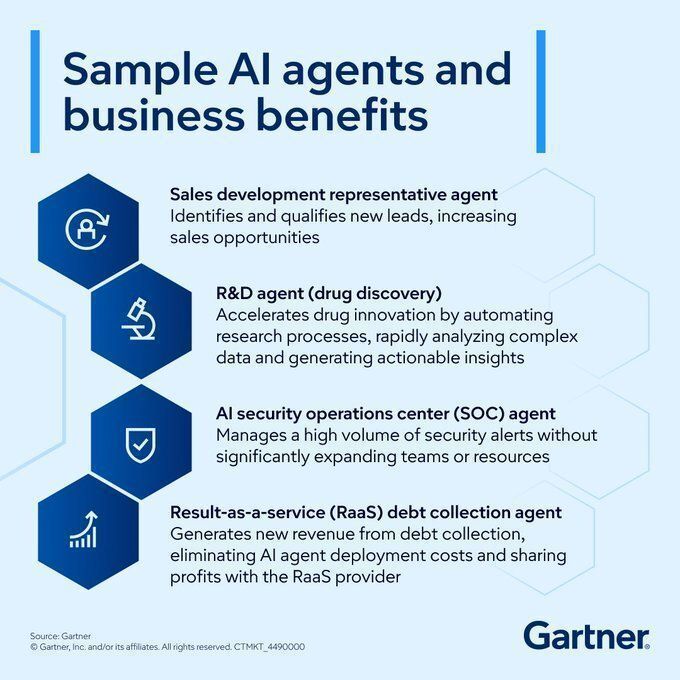
AI agents transition from pilots to core operations in sales, research, security
By
–
AI agents move from pilots to core operations across sales, research and security. Margins and skills pressure push teams to automate decisions, while keeping control tight. Source @Gartner_inc Link https://
gtnr.it/3KasVBM via @antgrasso