I wonder if someone with sufficient knowledge of the technology and of Copyright could come up with a legal argument to show that ML is actually an expressive use?
@alexjc
-
Model Performance Limited to Benchmarks, Real Version Unavailable
By
–
The disclaimer is that its on benchmarks only and nobody has access to the real model yet…
-
Machine Learning Training and Copyright Bypass Legal Arguments
By
–
By saying "Machine Learning and training is a non-expressive use" that just uses the data, you basically try to bypass Copyright internationally. Of course, it's bullshit that high-priced lawyers make up to land Big Tech contracts — or get funding for their University.
-
Non-expressive Use: Legal Workaround for Copyright Avoidance
By
–
The legal buzzword to use is "non-expressive use" here! It's a workaround for Copyright. Here's how it works: Since Copyright only applies to expressions and not ideas/data, you use semantic & "ontological games with legal implications" to avoid Copyright.
-
Training to Convergence for Optimal Inference Performance
By
–
A real search engine shows no sign of the "inference optimal" phrase; I agree with your assessment that you posted in your own thread FWIW. Train to convergence if you want inference optimal.
-
Optimal in Relative Terms: Chinchilla and Model Training
By
–
They use "optimal" in a relative sense. I read it in a reply to my post, and then subsequently looked it up in LLM search engine—which happily told me why "Chinchilla is inference optimal because […]". But that's only relatively to undertrained models.
-
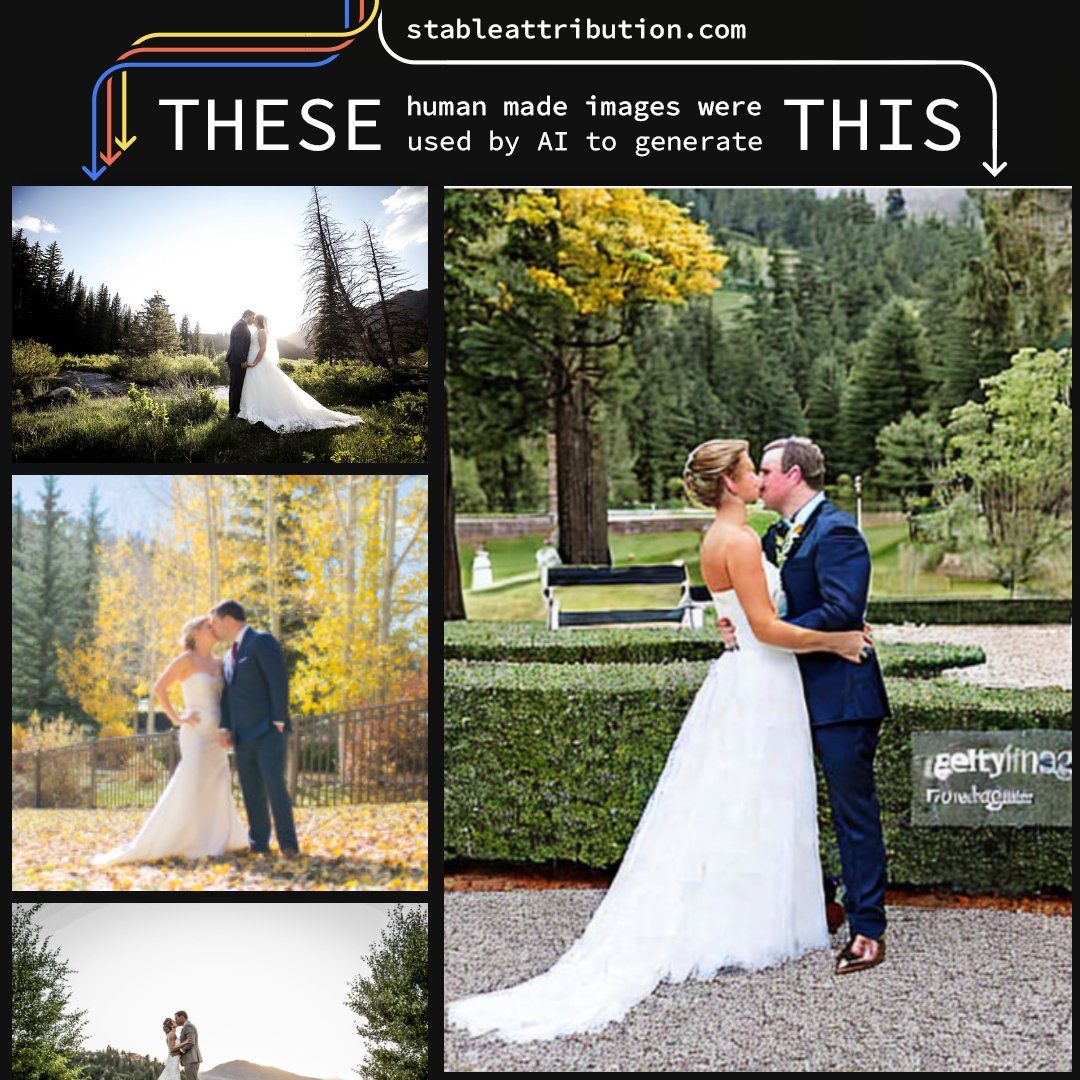
Getty lawsuit challenges: Stable Diffusion watermark hallucination analysis
By
–
Getty is going to have a tough case… images from their lawsuit don't really have any similarities. The only problem that #StableDiffusion hallucinated a watermark from the noise, or maybe because it was prompted? https://
stableattribution.com/?image=1e3bdf0
2-8e7d-489c-828d-137f789c99f6
… -
AI Models Embed Copyrighted Character Expression as Infringement
By
–
Some images are kinda similar to copyrighted works, but the underlying expression of the characters is always there. Thus it must also be in the model, and it's infringement beyond individual works.
-
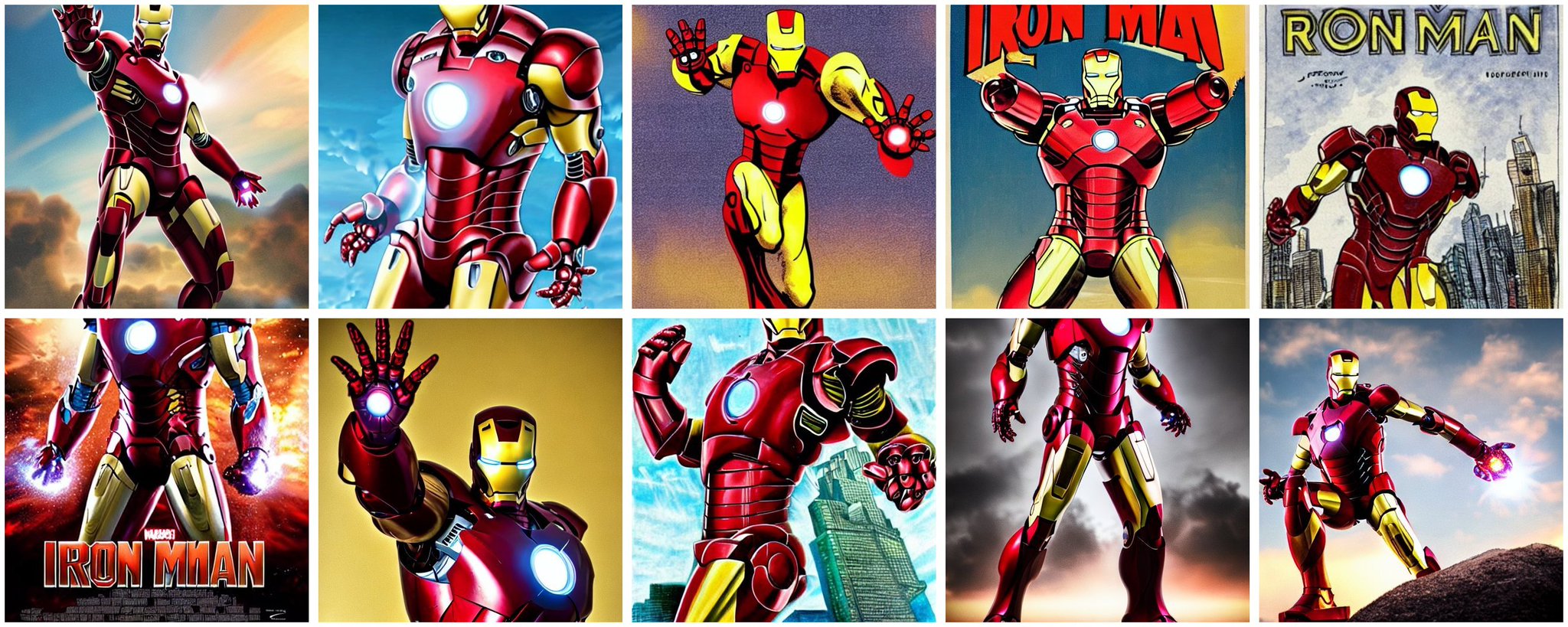
Generative Models as Expression Copying Machines in Copyright Context
By
–
FWIW, the core of Mathew's argument can be dismantled in this case by the fact that generative models are expression copying machines. For instance, in the context of character copyrights:
-
Generative Models: How They Copy Expressions and Compete with Authors
By
–
The PDF you linked is fascinating! Only written three years ago but feels very dated already… With generative models you could argue the purpose is Expressive. The generative models copy the expressions and compete with the original author.