
BREAKING : OpenAI has started testing a new model named “Galapagos” on Arena which potentially could be a GPT-5.4 low effort version. “Sooner than you think”

By
–
BREAKING : OpenAI has started testing a new model named “Galapagos” on Arena which potentially could be a GPT-5.4 low effort version. “Sooner than you think”
By
–
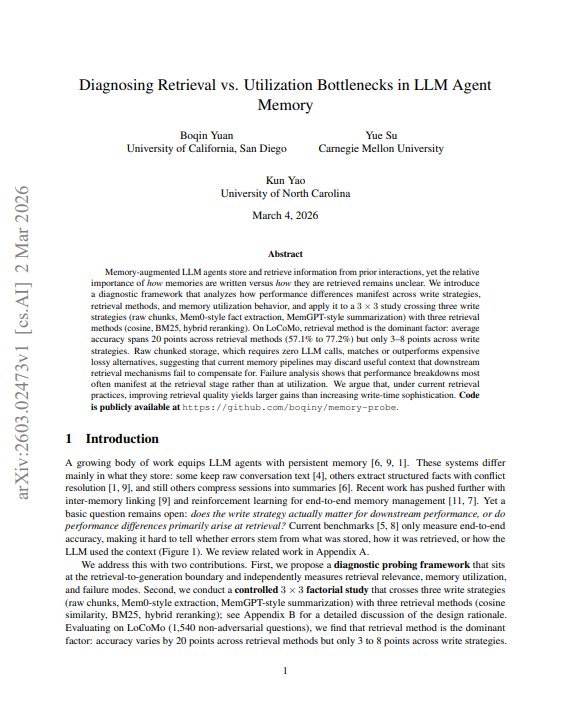
most people building AI agents obsess over how they WRITE memories
turns out that's basically irrelevant new research analyzed 9 different memory systems across 1,540 questions the finding?
retrieval method drives 20-point accuracy swings
write strategy? 3–8 points max raw
By
–
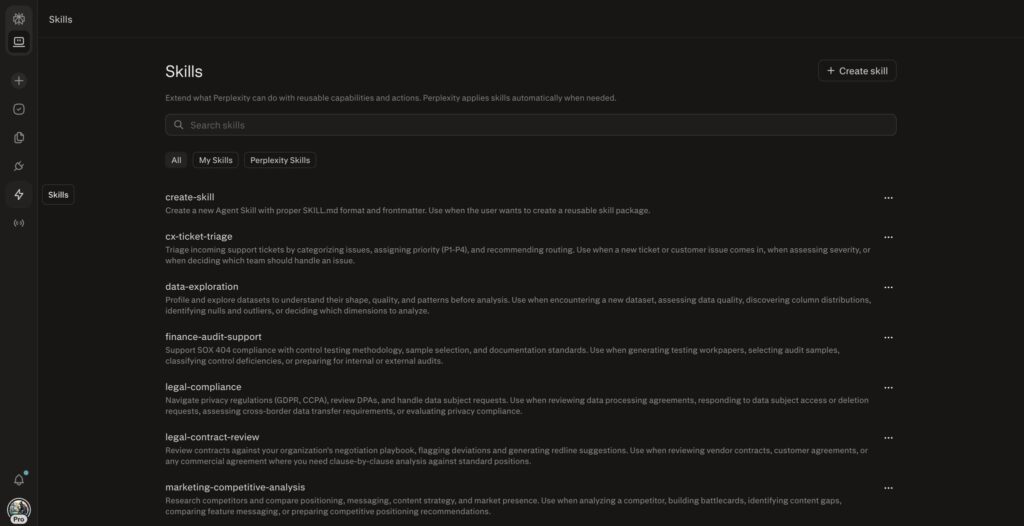
Perplexity is working on a new feature called "Final Pass," designed to perform comprehensive document analysis and fact-checking.
By
–
the deeper point here connects to something the field keeps rediscovering. we trained reasoning models to think longer. then we discovered longer doesn't mean better. now this paper shows the models themselves already know that. they're generating stop signals that our inference
By
–
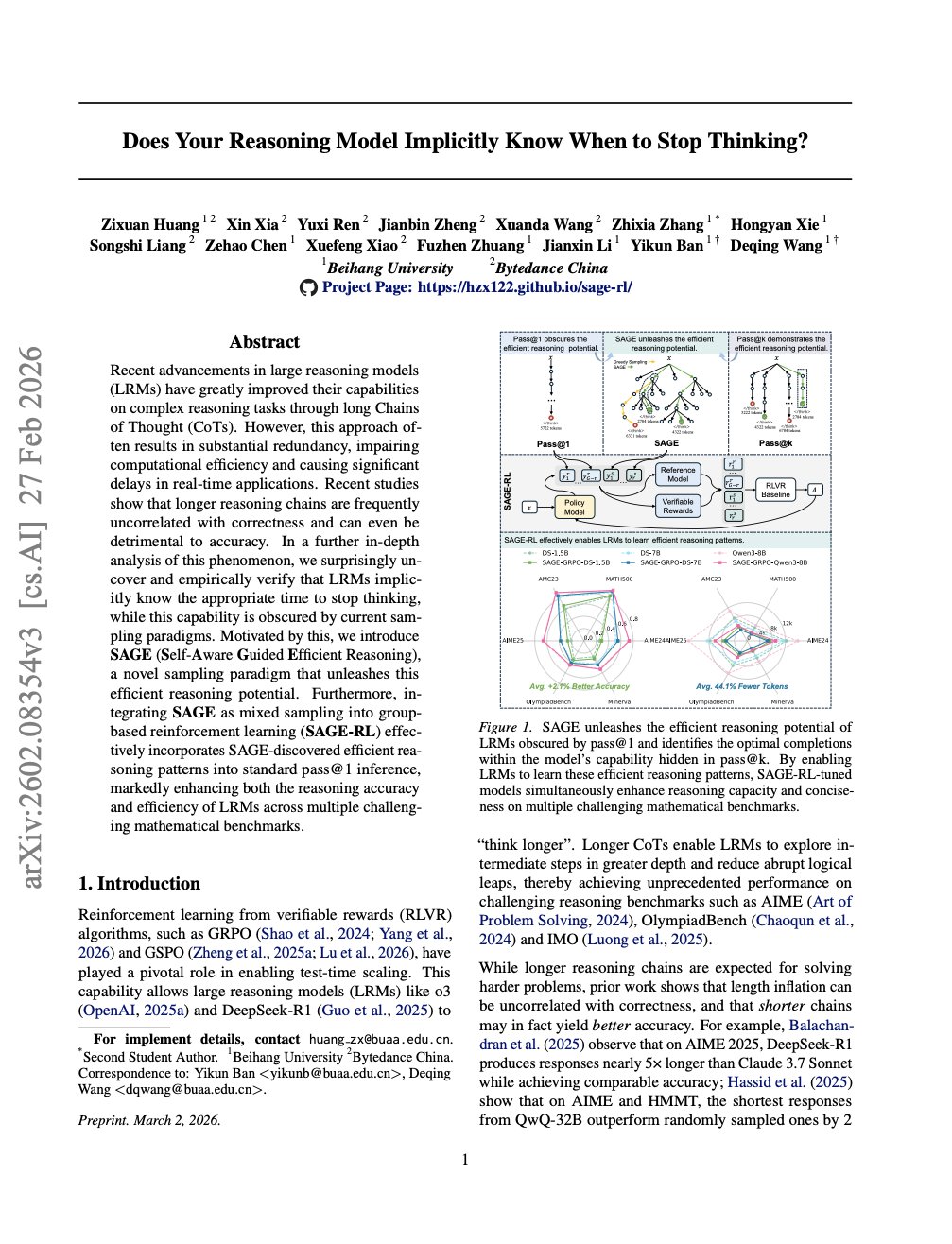
three observations back this up: > high-confidence paths (measured by cumulative probability) are shorter AND more accurate than standard samples > at those natural endpoints, the stop token is the model's top prediction. it knows it's finished > as you widen exploration (more
By
–
here's where it gets interesting. the researchers probed whether models internally "know" they're done. they introduced TSearch, which scores partial reasoning traces by cumulative log-probability across the entire chain, not just the next token. when you let the model explore
By
–
and it's not just wasted compute. overthinking actively hurts accuracy. DeepSeek-R1 produces responses 5x longer than Claude 3.7 Sonnet on AIME 2025 with comparable accuracy. QwQ-32B scores 2 percentage points HIGHER with its shortest answers using 31% fewer tokens. 72% of
By
–
first, the problem quantified. the researchers created a metric called RFCS (Ratio of First Correct Step) that tracks where in a chain of thought the correct answer first appears. on MATH-500, across every model tested, the right answer shows up well before the end in over half
By
–
reasoning models already know when they've solved the problem. we just don't let them stop. new paper from Beihang University and ByteDance shows that the overthinking problem in models like DeepSeek-R1 and Qwen3 isn't a training failure. it's a sampling failure. the fix cuts
By
–
If you think there is too much drama surrounding AI labs now, just wait to see what's gonna happen when we get on the verge of obtaining AGI.