BREAKING: Claude has 7 built-in features that most users never configure. Each one takes under 5 minutes to set up and permanently changes how Claude works for you. Here's the full list:
PROMPT ENGINEERING
-

Using GPT 5.5 for Equidistant Point Placement
By
–
I just told GPT 5.5 to come up with a new equidistant point placement on the plane based on the recent OpenAI research paper. Should we be worried?
-
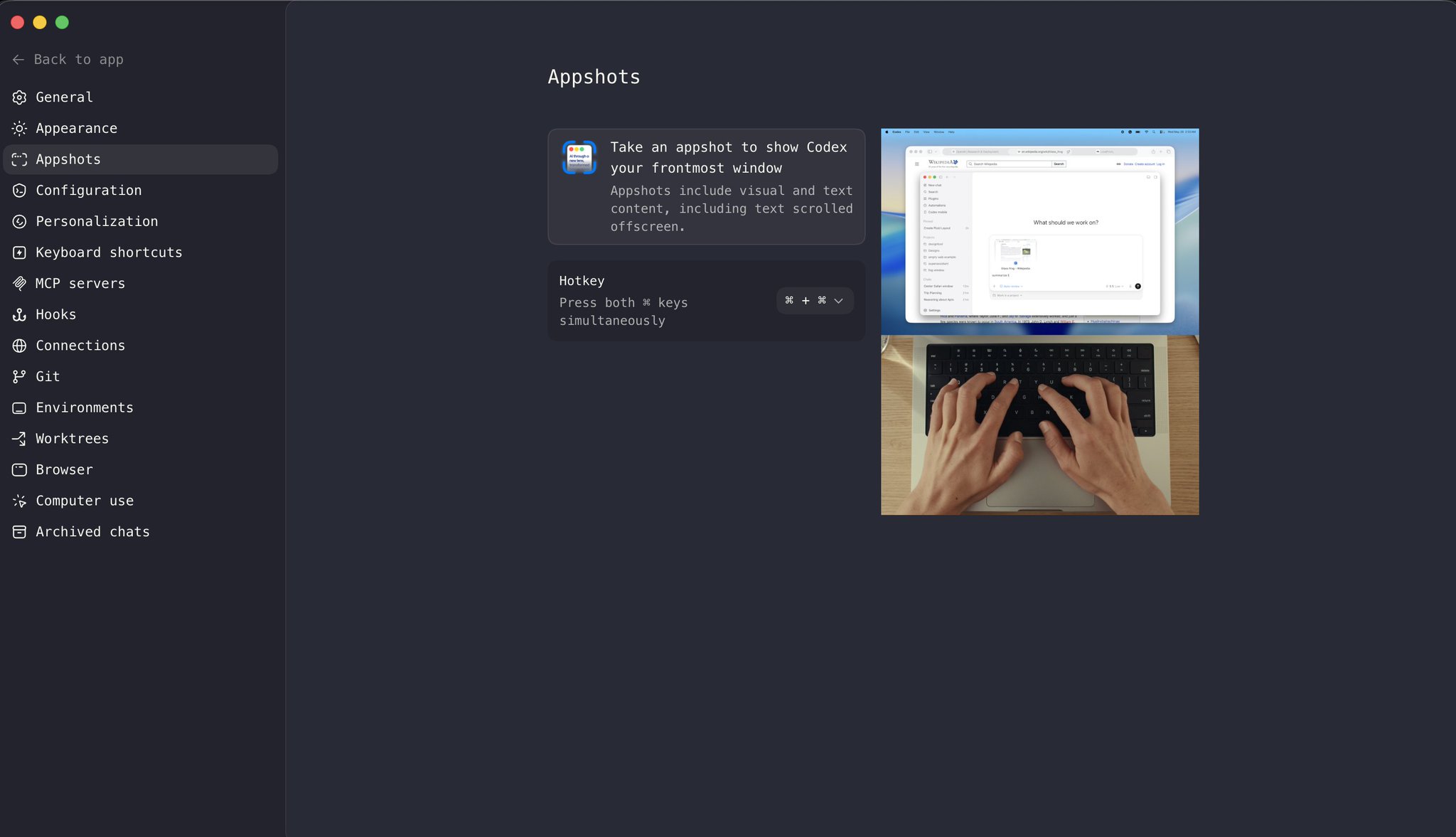
Codex on macOS: Appshots, annotation editor, /goal command, shareable plugins
By
–
OPENAI : Codex on macOS now supports Appshots, allowing users to quickly add context from any app directly to the prompt. Besides that, a new annotation editor is now available in the browser, the/goal command is enabled by default, and Plugins are now shareable.
-
AI Competitive Edge Shifts to Digital Workflow Orchestration
By
–
The competitive edge in business is moving beyond who can write the best prompt. It is shifting toward who can orchestrate the best digital workflow. For the past two years, much of the AI conversation inside organizations has centered on prompt engineering, chatbot adoption,
-
Optimize Your AI Agents with the Right Context
By
–
This applies to any AI coding agent, not just Codex. Cursor, Claude Code, and Antigravity all follow the same approach. Stop asking it to write code from scratch. Provide it with the elements that help you focus on the problem you actually want to solve.
-
Building a news dashboard with KroWork’s thought process
By
–
1/ I finally tried building my own tool with KroWork to see if this "Chat-to-software" thing is as easy as they say.
— Chubby♨️ (@kimmonismus) 21 mai 2026
I asked the agent, Kro, for a news dashboard, and updating to the latest version lets you see the full KroWork thought process mapping out the system logic. It… pic.twitter.com/vC6LPMym2D1/ I finally tried building my own tool with KroWork to see if this "Chat-to-software" thing is as easy as they say. I asked the agent, Kro, for a news dashboard, and updating to the latest version lets you see the full KroWork thought process mapping out the system logic. It
-
Frameworks and Prompts to Validate an AI MVP
By
–
7 prompts. 3 frameworks. One Perplexity deep research session. You go from "what should I build?" to validated MVP scope with a launch plan. Before writing a single line of code. I built these from Christensen's Jobs-to-Be-Done and Kim & Mauborgne's Blue Ocean Strategy. The
-
Apply JTBD Demand Detector to an AI Opportunity
By
–
Prompt 5: "The JTBD Demand Detector" "For the strongest opportunity you identified, apply
Clayton Christensen's Jobs-to-Be-Done framework. Research what 'job' the target user is actually hiring
a product to do. Not features. The underlying progress
they're trying to make. -
Incumbent Weakness Mapper: Competitor Analysis Prompt
By
–
Prompt 3: "The Incumbent Weakness Mapper" "Take the top 5 pain points from your research. For each one, do deep research on every existing
product that claims to solve it. For each competitor, I need: their pricing model, the
most common user complaints, specific feature gaps -
Prompt: Pain Point Mining for AI/Niche Tools
By
–
Prompt 2: "The Pain Point Miner" "Based on the [NICHE] projects you just found, I need
you to do deep research on the complaints and unmet
needs people are expressing around these tools and
this space in general. Search Reddit threads, X posts, Product Hunt comment
sections,