Reading Minds with AI: Researchers Translate Brain Waves to Images: Two researchers from Osaka University were able to reconstruct highly accurate images from human brain activity obtained by fMRI. Read this article if you are curious to find out what… https://
kdnuggets.com/2023/03/readin
g-minds-ai-researchers-translate-brain-waves-images.html?utm_source=dlvr.it&utm_medium=twitter&utm_campaign=reading-minds-with-ai-researchers-translate-brain-waves-to-images
…
MACHINE LEARNING
-
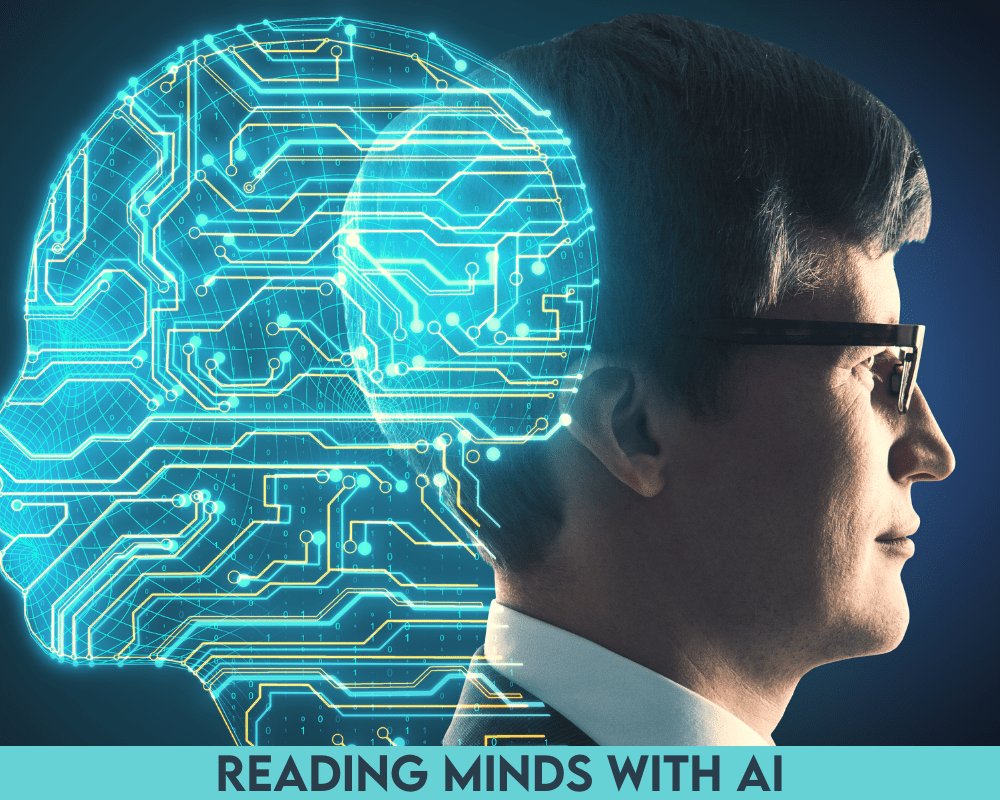
AI Reconstructs Images from Human Brain Activity Using fMRI
By
–
-
Fast-Trained AI Model Achieves Strong Benchmarks, 7B Model Incoming
By
–
The important piece of info to remember here is that we trained this model in under 10 days. The training was even called internally “YOLO RUN”. We’re excited about these benchmarks but can do even better. We've already started work to train a 7B model.
-
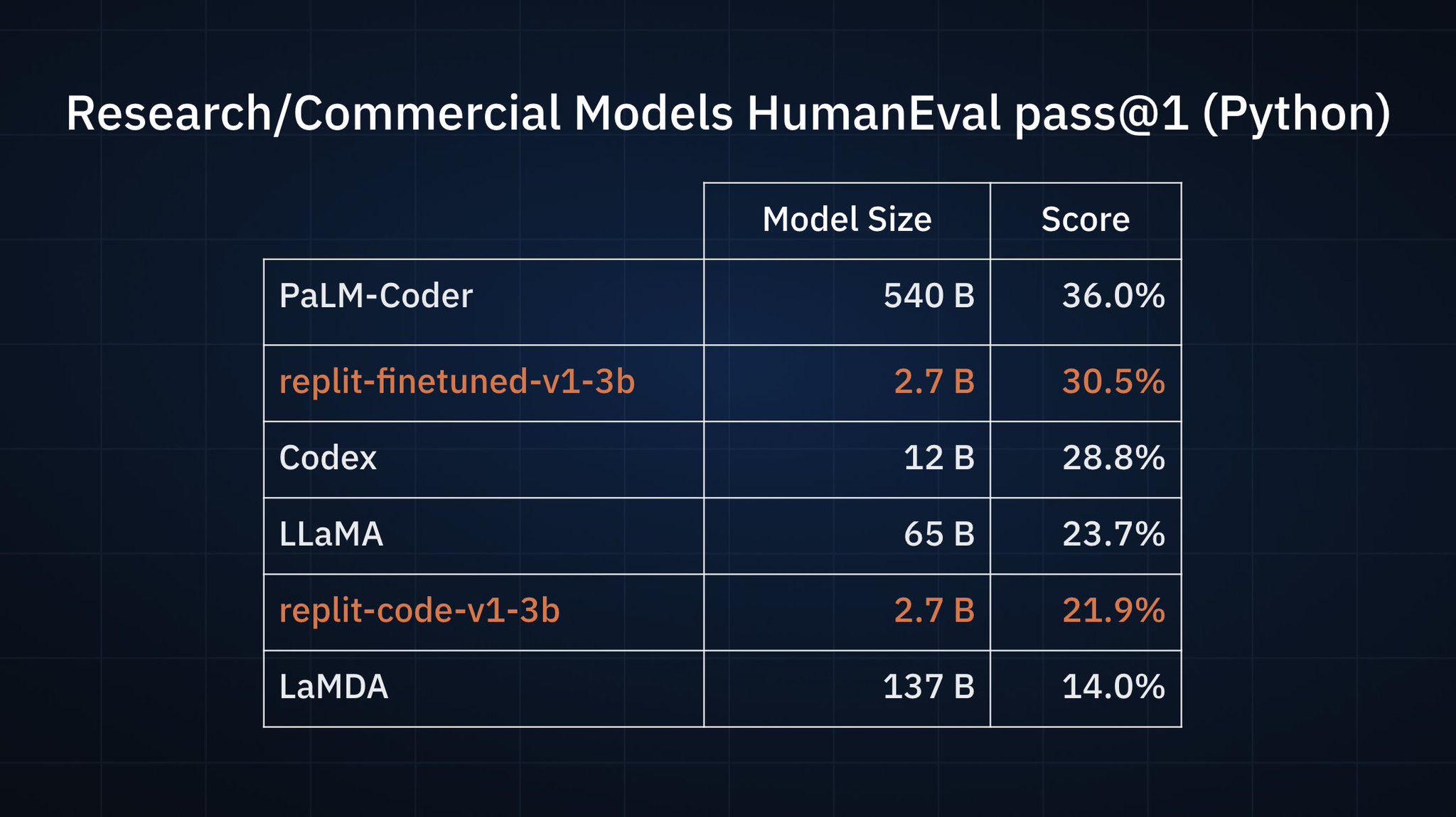
Replit Fine-Tuned Model Outperforms Codex with Better Efficiency
By
–
Both models also benchmark impressively well against commercial models. replit-finetuned-v1-3b is by far the smallest model on the table and it outperformed Codex and LLaMA. PaLM-Coder is 200x larger and we’re closing in on their performance with much better latency.
-
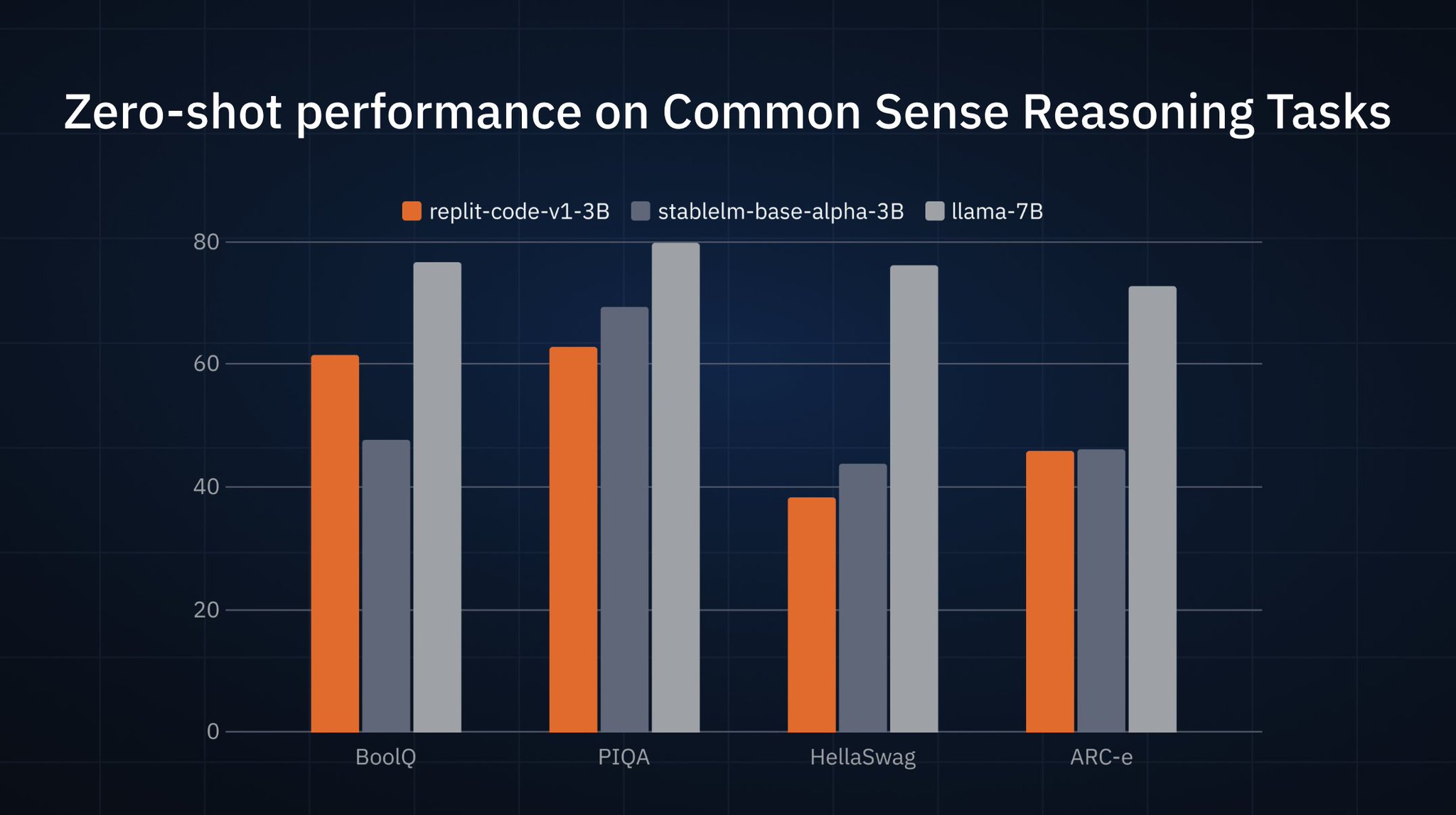
Code Model Demonstrates Surprising Non-Coding Reasoning Capabilities
By
–
We also noticed a surprising capability in non-coding reasoning, despite the model being trained entirely on code. We benchmarked against models trained for reasoning tasks and replit-code-v1-3b performed incredibly well.
-
TF-IDF Fundamentals: Term Frequency and Inverse Document Frequency
By
–
Le TF IDF n'a aucun rapport entre le machine learning et le SEO. Term frequency Inverse document frequency
-
REMEDIS: Self-Supervised Learning Framework for Medical Imaging
By
–
Learn about REMEDIS, a unified large-scale self-supervised learning framework for building foundation medical imaging models that shows significant improvement in data-efficient generalization across medical imaging tasks and modalities. Check it out → https://t.co/65GL7hR6k0 pic.twitter.com/OJRgedDd0P
— Google AI (@GoogleAI) 26 avril 2023Learn about REMEDIS, a unified large-scale self-supervised learning framework for building foundation medical imaging models that shows significant improvement in data-efficient generalization across medical imaging tasks and modalities. Check it out → https://
goo.gle/41HmauE -

Machine Learning AI Banking Finance 2023 Crisis Prevention
By
–
Applications of Machine Learning and AI in Banking and Finance in 2023: Introduction Could the American recession of 2008-10 have been avoided if machine learning and artificial intelligence had been used to anticipate the stock market, identify hazards,… https://
analyticsvidhya.com/blog/2023/03/m
achine-learning-and-ai-in-banking-and-finance/?utm_source=dlvr.it&utm_medium=twitter
… -
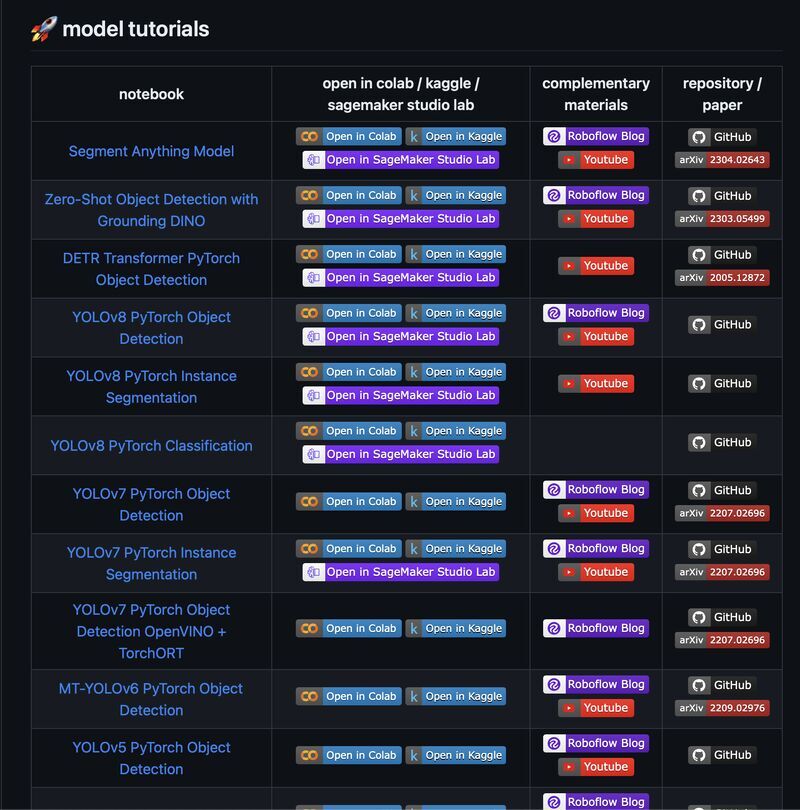
YOLO Object Detection Tutorials with Python PyTorch Resources
By
–
Dozens of #ComputerVision tutorials on different applications of YOLO models for #ObjectDetection and Classification using #Python and #PyTorch:
– tutorials:
https://
youtube.com/watch?v=fFCWrM
FH2UY&list=PLZCA39VpuaZZJ-aS7B7pZVrD9AtRx8-7u
…
– Github notebooks: https://
github.com/roboflow/noteb
ooks
… #DataScience #AI #DeepLearning #MachineLearning -
Festo GripperAI Uses AI Calculate Object Center Gravity
By
–
Exciting innovation at Festo! The GripperAI uses AI to calculate the center point of gravity for any unknown object, making it perfect for logistics and flexible for any robot or handling system. #festo_iiot #innovation #ai #automation @festo_global @IIoT_World pic.twitter.com/xVVUeBwgh0
— Lucian Fogoros (@fogoros) 26 avril 2023Exciting innovation at Festo! The GripperAI uses AI to calculate the center point of gravity for any unknown object, making it perfect for logistics and flexible for any robot or handling system. #festo_iiot #innovation #ai #automation @festo_global @IIoT_World
-
Optimizing Deep Networks for Datacenter Performance: Complexity and Cost Tradeoffs
By
–
It is harder than you think! It is a fun exercise to consider optimizing deep nets for high cycle times across a datacenter, but it is not at all straightforward, and the “cost of computation” goes way up versus maximizing the work that a single system can do.