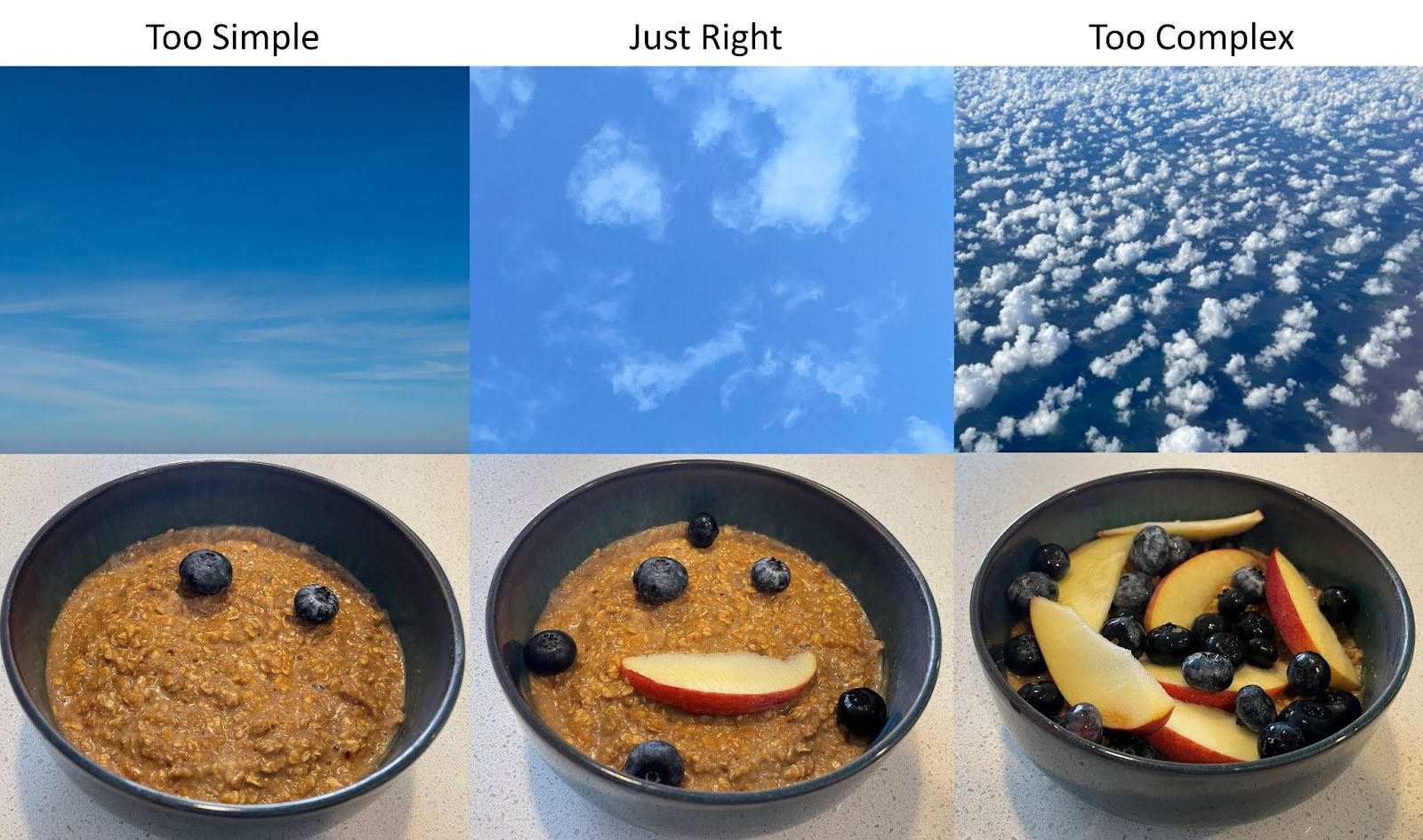
They also discovered what they call the "Goldilocks Zone of Pareidolia." This class of images is where pareidolia is most likely to occur. If the image is too simple, then there’s insufficient detail to form a face. Too complex, and the algorithm will just view it as visual
MACHINE LEARNING
-

New ‘Faces in Things’ Dataset Advances Face Detection Algorithms
By
–
This new dataset, “Faces in Things,” dwarfs those of previous studies that typically used only 20-30 stimuli. This scale allowed the researchers to explore how state-of-the-art face detection algorithms behaved after fine-tuning on pareidolic faces, & could also act as a
-
AI Models Struggle with Pareidolic Face Recognition Until Animal Training
By
–
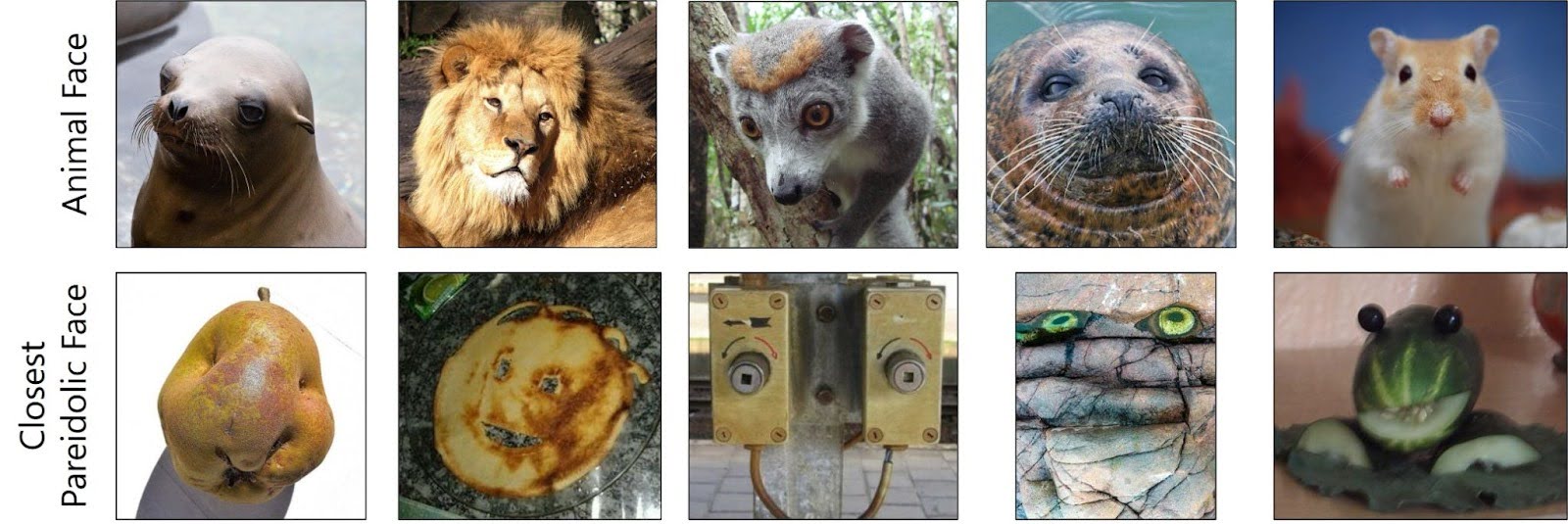
Among key findings, the team found that AI models don’t seem to recognize pareidolic faces like we do. They observed that it wasn’t until they trained algorithms to recognize animal faces, that they became significantly better at detecting pareidolic faces.
-
Evolutionary link between animal face recognition and pareidolia
By
–
This unexpected connection hints at a possible evolutionary link between our ability to spot animal faces — crucial for survival — & our tendency to see faces in inanimate objects.
-
Pareidolia: How AI and Humans Detect Faces Differently
By
–
What does seeing a face in the moon have to do w/AI identifying tigers?
— MIT CSAIL (@MIT_CSAIL) 2 octobre 2024
MIT CSAIL has introduced a human-labeled dataset of these illusory faces in everyday objects (a phenomenon called "pareidolia"), revealing how humans & AI detect faces differently. The group also discovered… pic.twitter.com/uSB4XU7L6zWhat does seeing a face in the moon have to do w/AI identifying tigers? MIT CSAIL has introduced a human-labeled dataset of these illusory faces in everyday objects (a phenomenon called "pareidolia"), revealing how humans & AI detect faces differently. The group also discovered
-

Researchers Create Large Facial Pareidolia Dataset for Computer Vision
By
–
Face pareidolia had been largely unexplored in computer vision until now. The researchers’ extensive, human-labeled dataset of >5,000 pareidolic images far surpasses previous collections.
-
Data Leader’s Technical Guide to Scaling Generative AI
By
–
A data leader’s technical guide to scaling gen AI
#AI #AIio #BigData #ML #NLU #Futureofwork @oluskayacan @richardkimphd @MariaFariello @johnpearcenews5 @ResurgentAV @rohanmuralee @globaliqx -
Everyday Transformers Optimizations: KV Cache, FlashAttention, PagedAttention
By
–
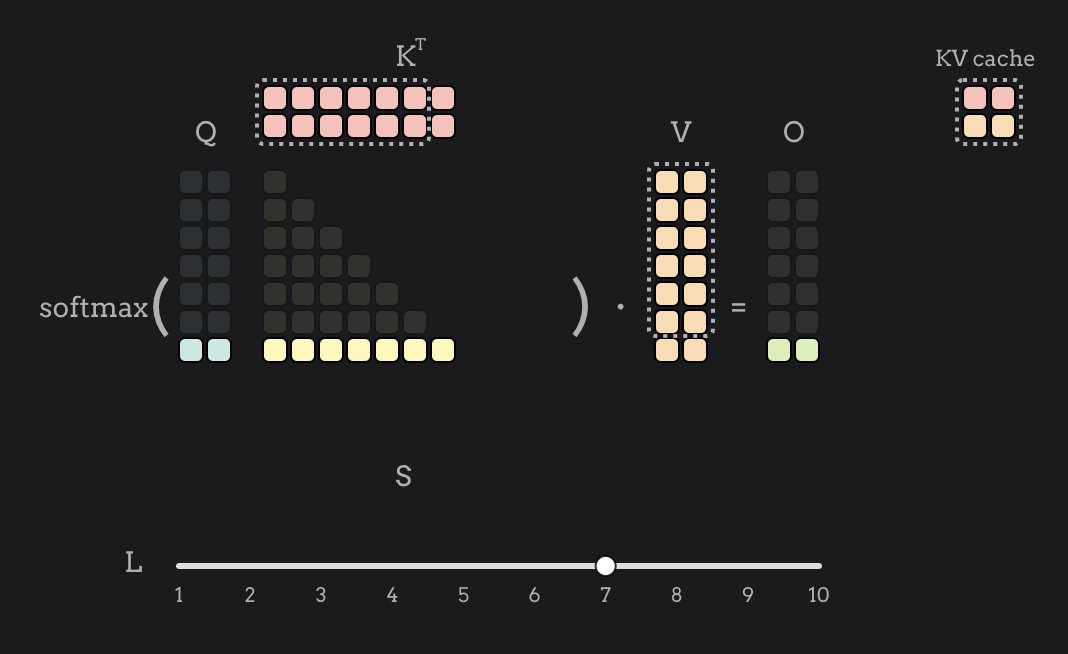
This blog post is really cool: to understand everyday Transformers optimizations like KV cache, FlashAttention or PagedAttention: https://
astralord.github.io/posts/transfor
mer-inference-optimization-toolset/
… Image below is the interactive visualization for KB cache! -
Causal and Anti-causal Learning in Explanatory Models
By
–
Are you driving at an answer that might look at a causal explanation? I'm thinking of @bschoelkopf and notions of causal and anti causal learning. But maybe that doesn't help here (I just like it ;-))
-

Google Demos LookupViT: Sub-Quadratic Attention at ECCV2024
By
–
Want a scalable and robust foundational model that also saves computational costs? Drop by the #ECCV2024 Google Booth at 10:30am CEST where Googlers Rajat Koner, Sujoy Paul and Gagan Jain will demo LookupViT, an information compression idea leading to sub-quadratic attention.