PROMPT 4 – El escáner de huecos Aquí es donde la cosa se pone espeluznantemente buena: "Con base en todos los artículos subidos, identifique las 5 investigaciones
Preguntas que NADIE ha respondido completamente todavía. Para cada espacio:
– ¿Por qué existe? (¿demasiado
LLMS
-
Using LLMs for Automated Research Gap Analysis
By
–
-
Prompt template for document analysis and summarization
By
–
PROMPT 1 – El protocolo de admisión Utilice esto cuando cargue sus documentos por primera vez: "Voy a compartir [X] artículos sobre [tema].
Antes de preguntar cualquier cosa, haz esto: 1. Enumere cada artículo por autor + año + afirmación principal en una oración
2. Agruparlos -
A Prompt for Identifying Contradictions Across Multiple Documents
By
–
PROMPT 2 – El buscador de contradicciones La mayoría de los investigadores pasan por alto esto. Esta indicación no: "En todos los documentos cargados, identifique cada punto donde dos
o más autores se contradicen directamente entre sí. Para cada contradicción:
– Indique ambas -

Using Claude for Academic Research and Literature Analysis
By
–
| ÚLTIMA HORA: Claude ahora puede investigar como un estudiante de doctorado de Stanford. Aquí os dejo los 9 mejores e infalibles prompts de Claude que convierten más de 40 artículos de investigación en revisiones de literatura estructuradas, mapas de conocimiento y lagunas de
-
Gemini Excels in Benchmarks, Becoming Top AI for Code
By
–
The ACM Turing Award will be announced tomorrow. Any guesses on who won it?
-
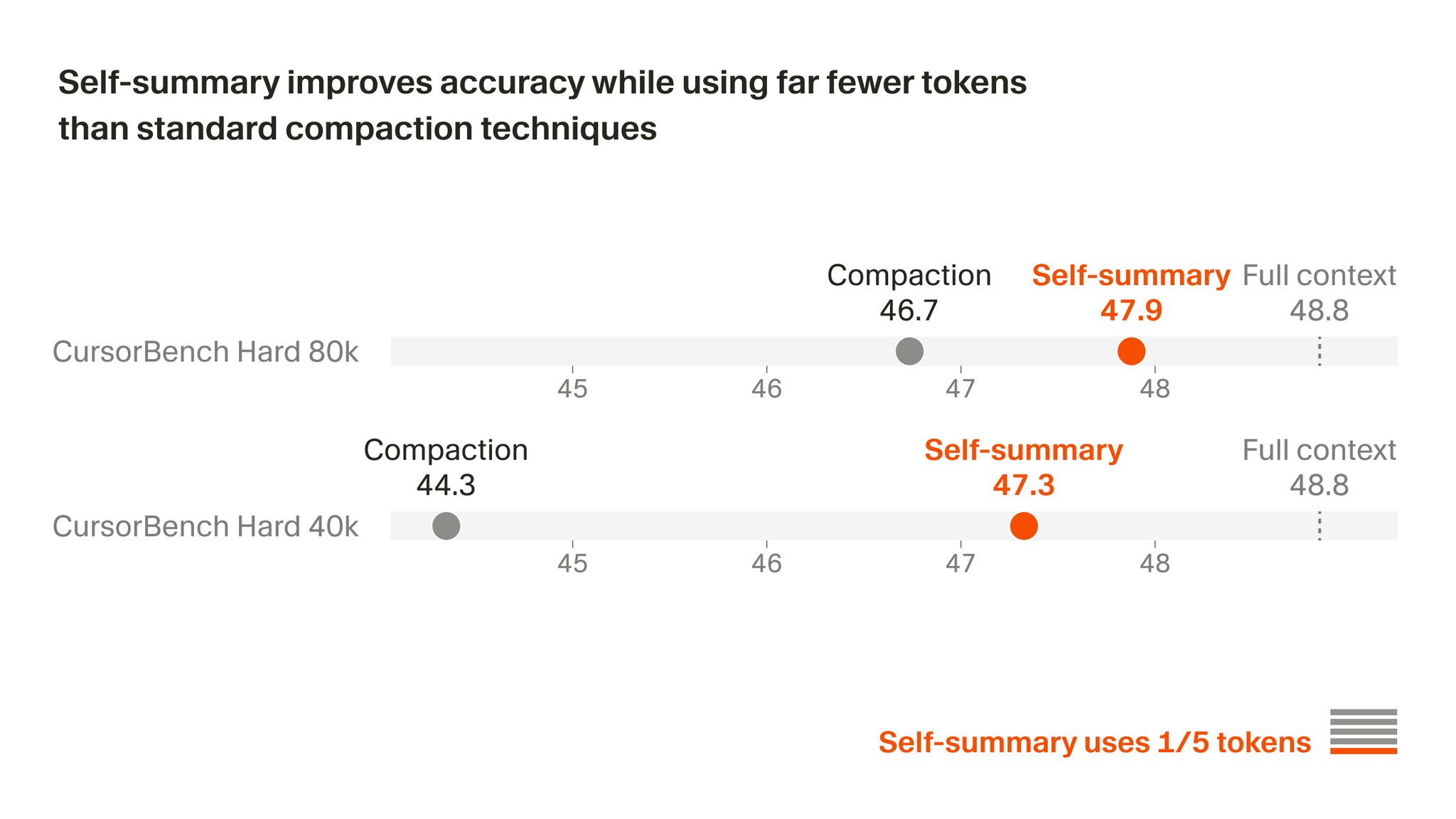
Composer Uses RL Self-Summarization to Cut Compaction Error 50%
By
–
We trained Composer to self-summarize through RL instead of a prompt. This reduces the error from compaction by 50% and allows Composer to succeed on challenging coding tasks requiring hundreds of actions.
-
Building Reliable Agents for Production Deployment
By
–
💫 New LangChain Academy Course: Building Reliable Agents 💫
— LangChain (@LangChain) 17 mars 2026
Shipping agents to production is hard. Traditional software is deterministic – when something breaks, you check the logs and fix the code. But agents rely on non-deterministic models.
Add multi-step reasoning, tool… pic.twitter.com/fWt2UhHQEbNew LangChain Academy Course: Building Reliable Agents Shipping agents to production is hard. Traditional software is deterministic – when something breaks, you check the logs and fix the code. But agents rely on non-deterministic models. Add multi-step reasoning, tool
-
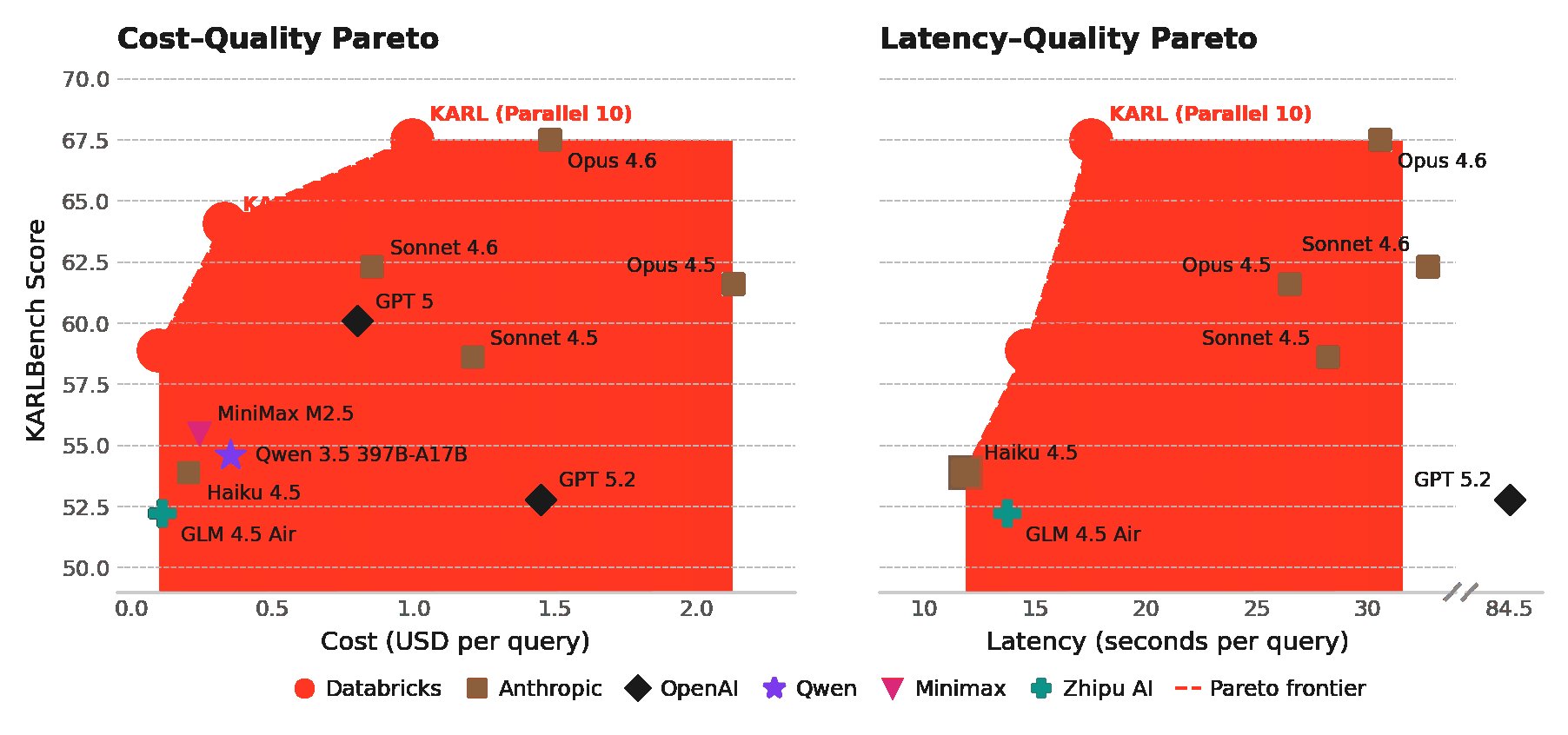
KARL: Knowledge Agents via Reinforcement Learning Research
By
–
"You can think of this as RAG — but like RAG plus plus plus plus plus plus, all the way up to 200 vector database calls." — @jefrankle
, Chief AI Scientist at Databricks. We published new research on KARL — Knowledge Agents via Reinforcement Learning — a RAG agent trained -

Codex Rate Limited by Excessive Subagent Usage
By
–
lol i got rate limited by codex for using too many subagents