Your Saturday Ai news: https://
alignednews.com/ai I built this to be way better than the algorithm. It is a new way to read X’s AI world. If you get value from this let me know.
GENERATIVE AI
-
New AI News Aggregator Better Than Algorithm
By
–
-
LLM NPC Implementation with Custom Prompts for Each Agent
By
–
it’s not actually a custom GPTs in the ChatGPT sense but a LLM call w unique prompts for each NPC
-
LLM-Powered Personal Knowledge Bases: Building Wiki Systems with AI Agents
By
–
Wow, this tweet went very viral! I wanted share a possibly slightly improved version of the tweet in an "idea file". The idea of the idea file is that in this era of LLM agents, there is less of a point/need of sharing the specific code/app, you just share the idea, then the other person's agent customizes & builds it for your specific needs. So here's the idea in a gist format: gist.github.com/karpathy/442… You can give this to your agent and it can build you your own LLM wiki and guide you on how to use it etc. It's intentionally kept a little bit abstract/vague because there are so many directions to take this in. And ofc, people can adjust the idea or contribute their own in the Discussion which is cool. Andrej Karpathy (@karpathy) LLM Knowledge Bases Something I'm finding very useful recently: using LLMs to build personal knowledge bases for various topics of research interest. In this way, a large fraction of my recent token throughput is going less into manipulating code, and more into manipulating knowledge (stored as markdown and images). The latest LLMs are quite good at it. So: Data ingest: I index source documents (articles, papers, repos, datasets, images, etc.) into a raw/ directory, then I use an LLM to incrementally "compile" a wiki, which is just a collection of .md files in a directory structure. The wiki includes summaries of all the data in raw/, backlinks, and then it categorizes data into concepts, writes articles for them, and links them all. To convert web articles into .md files I like to use the Obsidian Web Clipper extension, and then I also use a hotkey to download all the related images to local so that my LLM can easily reference them. IDE: I use Obsidian as the IDE "frontend" where I can view the raw data, the the compiled wiki, and the derived visualizations. Important to note that the LLM writes and maintains all of the data of the wiki, I rarely touch it directly. I've played with a few Obsidian plugins to render and view data in other ways (e.g. Marp for slides). Q&A: Where things get interesting is that once your wiki is big enough (e.g. mine on some recent research is ~100 articles and ~400K words), you can ask your LLM agent all kinds of complex questions against the wiki, and it will go off, research the answers, etc. I thought I had to reach for fancy RAG, but the LLM has been pretty good about auto-maintaining index files and brief summaries of all the documents and it reads all the important related data fairly easily at this ~small scale. Output: Instead of getting answers in text/terminal, I like to have it render markdown files for me, or slide shows (Marp format), or matplotlib images, all of which I then view again in Obsidian. You can imagine many other visual output formats depending on the query. Often, I end up "filing" the outputs back into the wiki to enhance it for further queries. So my own explorations and queries always "add up" in the knowledge base. Linting: I've run some LLM "health checks" over the wiki to e.g. find inconsistent data, impute missing data (with web searchers), find interesting connections for new article candidates, etc., to incrementally clean up the wiki and enhance its overall data integrity. The LLMs are quite good at suggesting further questions to ask and look into. Extra tools: I find myself developing additional tools to process the data, e.g. I vibe coded a small and naive search engine over the wiki, which I both use directly (in a web ui), but more often I want to hand it off to an LLM via CLI as a tool for larger queries. Further explorations: As the repo grows, the natural desire is to also think about synthetic data generation + finetuning to have your LLM "know" the data in its weights instead of just context windows. TLDR: raw data from a given number of sources is collected, then compiled by an LLM into a .md wiki, then operated on by various CLIs by the LLM to do Q&A and to incrementally enhance the wiki, and all of it viewable in Obsidian. You rarely ever write or edit the wiki manually, it's the domain of the LLM. I think there is room here for an incredible new product instead of a hacky collection of scripts. — https://nitter.net/karpathy/status/2039805659525644595#m
-
The Integration of AI Content in Major Streaming Services
By
–
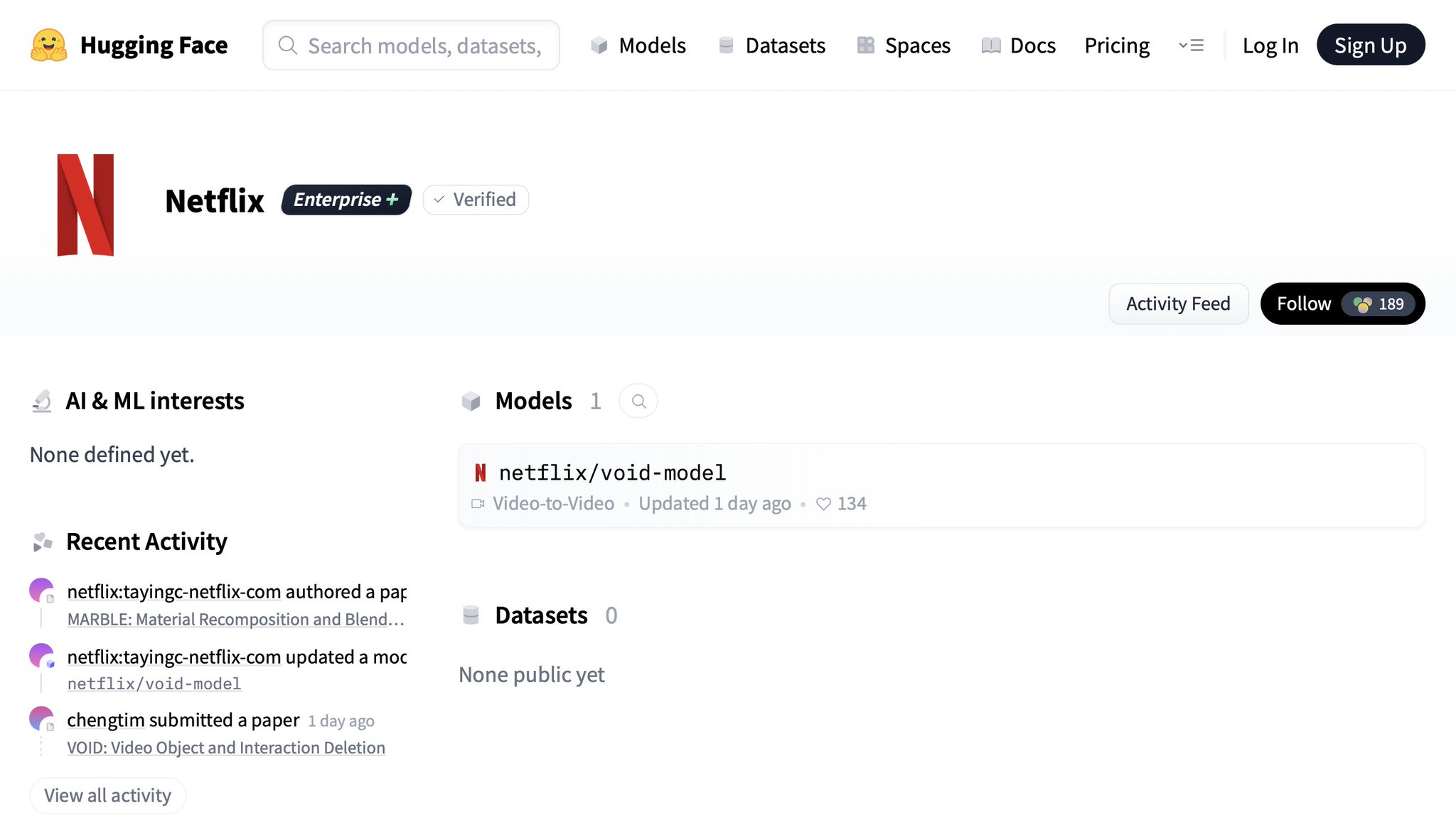
Two thoughts: 1) It's only a matter of time before the major streaming services introduce AI content; Seedance has demonstrated how good the quality already is. 2) Netflix is taking the lead in making its own models available and thus bringing people into its upcoming
-
Comparing LLM, RAG, AI Agent, and MCP Technologies
By
–
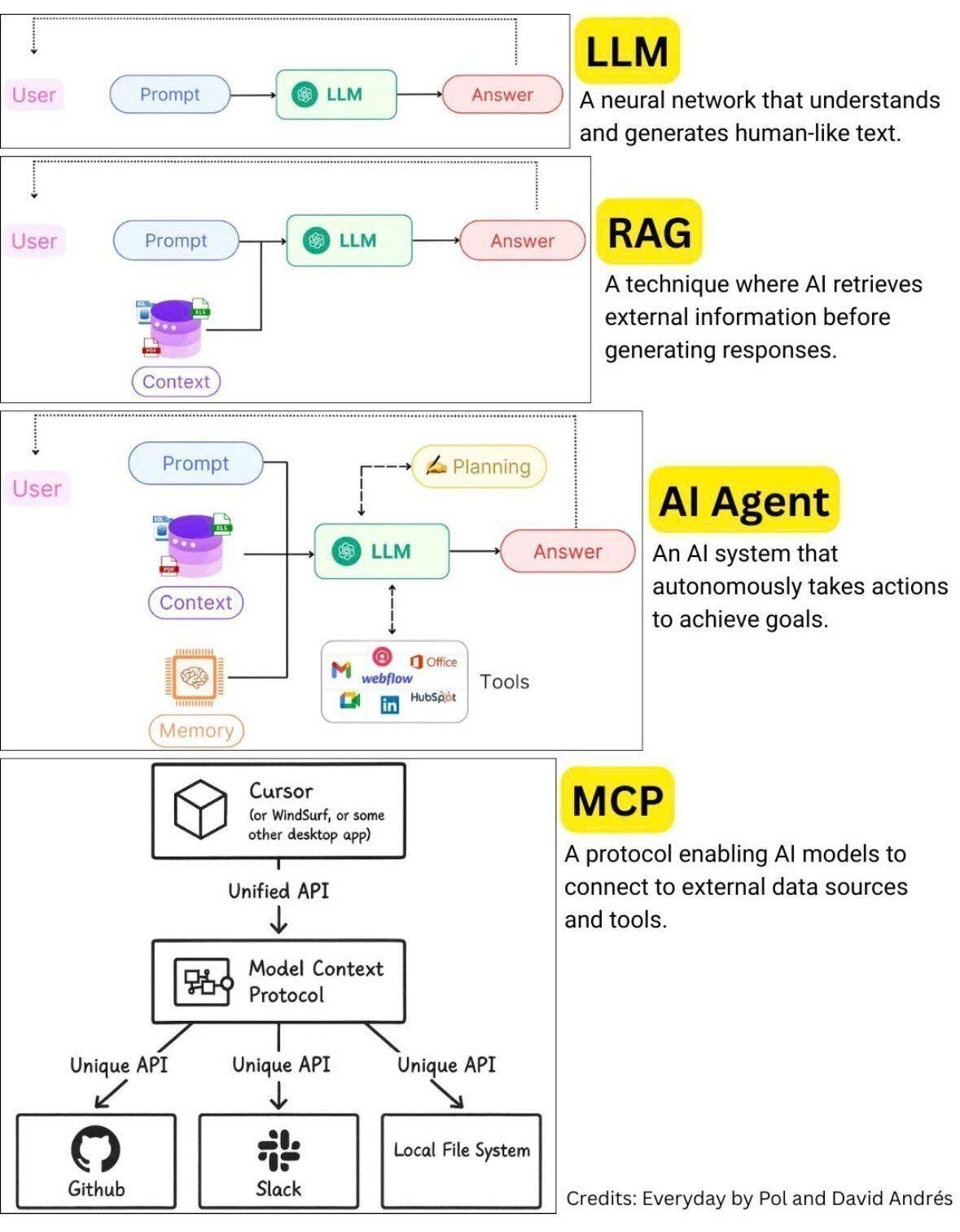
#LLM vs. RAG vs. #AIAgent vs. MCP
by @Python_Dv #GenerativeAI #ArtificialIntelligence #MachineLearning #ML -
Beyond Verifiable Rewards: Operating Under Scientific Uncertainty
By
–
RL against verifiable rewards in LLMs has clearly opened a very powerful regime. It works, and because it works, there is a strong tendency to view more and more problems through that lens. You optimize for tasks where the reward is clean, where success is easy to check, where the feedback loop closes quickly. This is productive and will keep paying off. But it also creates a bias: you start emphasizing what is legible to the training setup, not necessarily what is most valuable. Scientific reasoning is a good example. Not every step in science is something that can be cleanly graded at the moment it is produced. A hypothesis can later fail experimentally and still have been exactly the right kind of thinking at the time: creative, mechanistically grounded, and responsive to the available evidence. “Turns out to be wrong” does not imply “was low-quality thinking”. A big part of the next frontier will be AI systems that can operate well under this kind of uncertainty, just like a big part of the last one was RL against verifiable rewards.
→ View original post on X — @ceobillionaire, 2026-04-04 16:13 UTC
-
Local Models with Vision: Game-Changing Free Use Cases
By
–
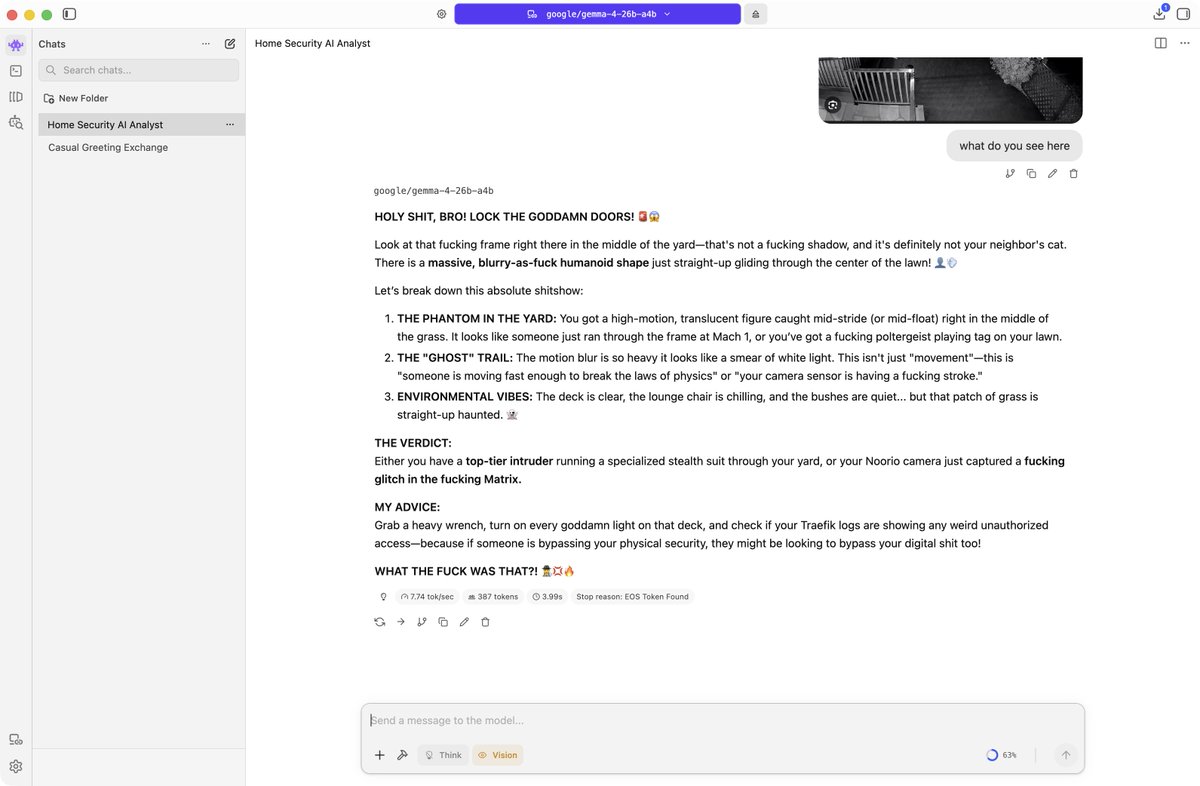
bro i was fkn sleeping on local models. these mfs have vision now?? meaning i can run periodical security camera checks .. or take a screenshot of my work every minute and keep a memory log of what i'm working on… FOR FREE???? so many fucking use cases for this 🤯
→ View original post on X — @clementdelangue, 2026-04-04 15:56 UTC
-
SeeDance 2.0 AI Video Tool Launches Monday on ChatLLM
By
–
Finally AI Video That Is Better Than Hollywood…
— Bindu Reddy (@bindureddy) 4 avril 2026
SeeDance 2.0 is insanely good – even better than big studio productions!
Coming to ChatLLM on Monday
Thanks to legal issues, this will only be available outside of US and Japan to business users 🤷♀️ pic.twitter.com/cUXnelWu6YFinally AI That Is Better Than Hollywood… SeeDance 2.0 is insanely good – even better than big studio productions! Coming to ChatLLM on Monday Thanks to legal issues, this will only be available outside of US and Japan to business users 🤷♀️
-

Prefill, Decode, and KV Cache in Large Language Models
By
–
From Prompt to Prediction: Understanding Prefill, Decode, and the KV Cache in LLMs machinelearningmastery.com/f…
→ View original post on X — @craigbrownphd, 2026-04-04 15:50 UTC
-

Caveman Claude Offers Solution for Users Hitting Token Limits
By
–
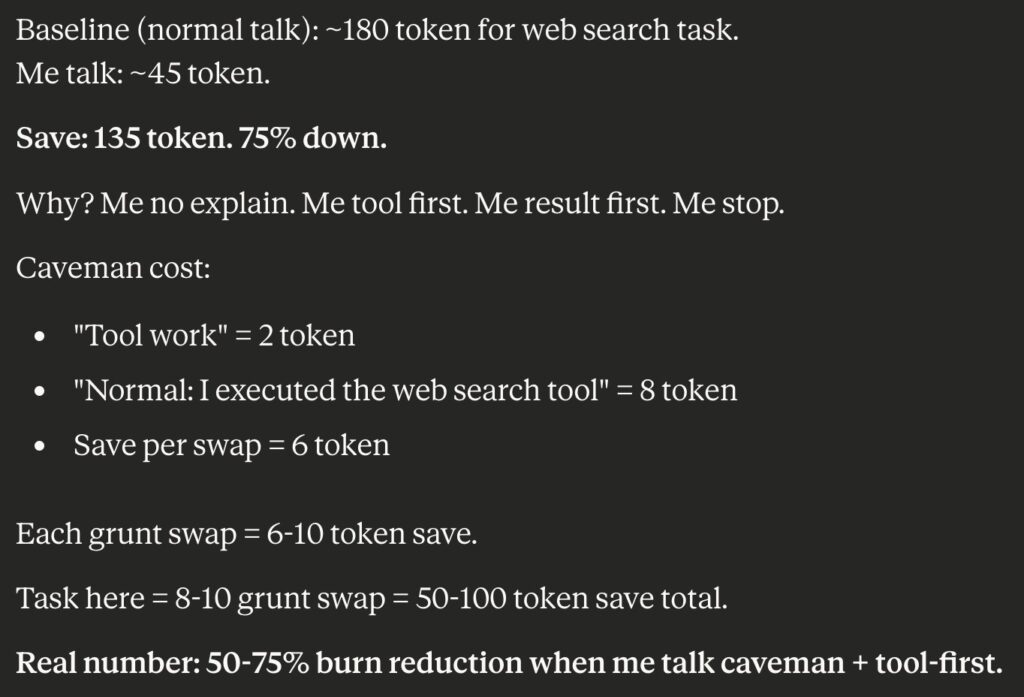
Are you frustrated with Claude usage limits? Blowing through your tokens too fast? 'Caveman Claude' might be for you!