Open. Collaborative. Scalable. NVIDIA Nemotron gives developers the data + tools to build smarter, faster AI models, together. Go see what’s possible with open-source AI at #OpenSourceAIWeek https://
nvda.ws/4hn46Pe
GENERATIVE AI
-
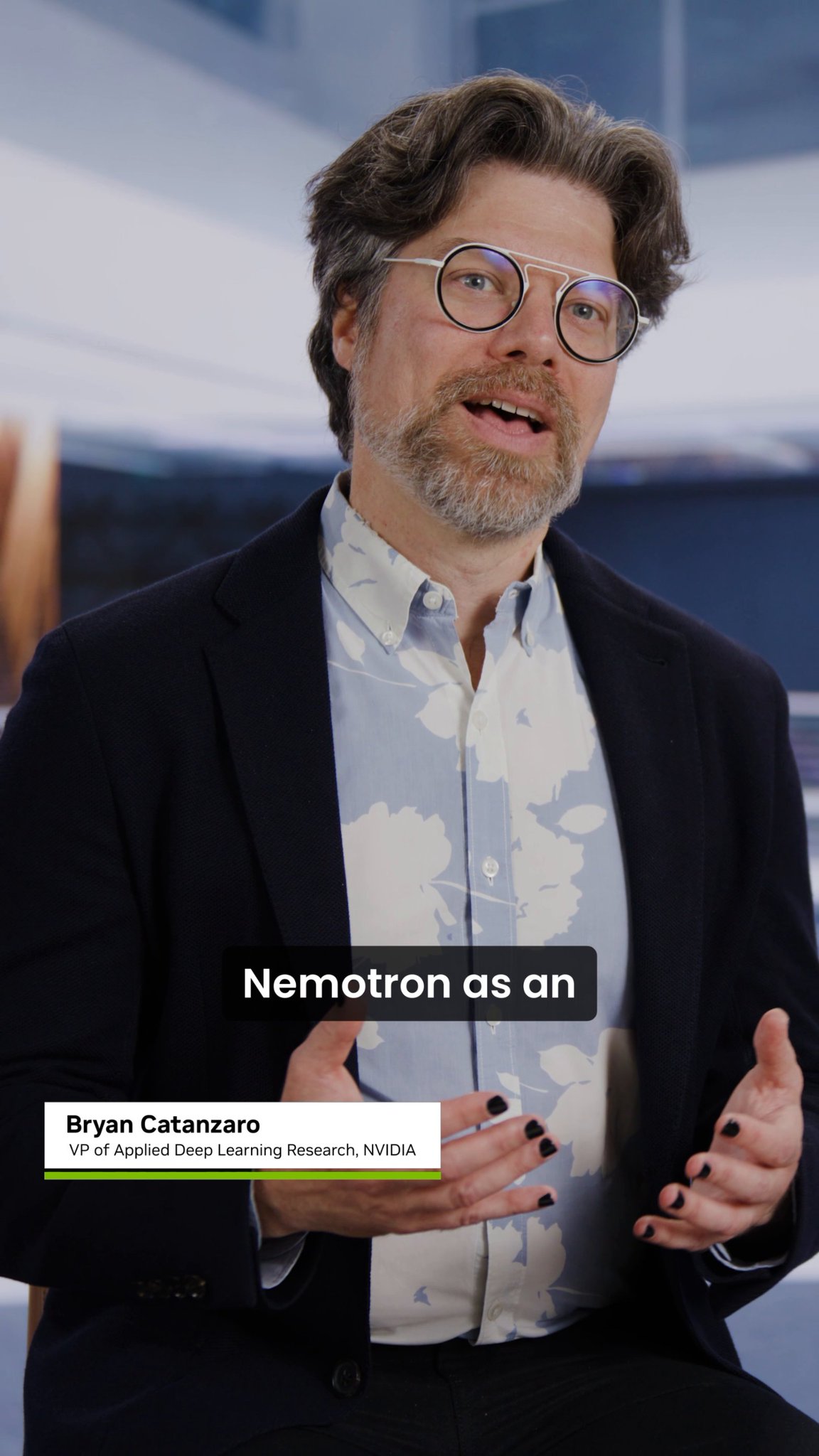
NVIDIA Nemotron Enables Open Collaborative AI Model Development
By
–
-
Claude Creates Algorithmic Art PDF Flipbook Using Code
By
–
Claude made this insane PDF flipbook entirely through code using the algorithmic art skill in claude dot ai pic.twitter.com/NJ9OuCyQWe
— Alex Albert (@alexalbert__) 18 octobre 2025Claude made this insane PDF flipbook entirely through code using the algorithmic art skill in claude dot ai
-
Jamba Reasoning 3B: Community Feedback on Exciting Use Cases
By
–
Thanks for the feature, @IEEESpectrum
! We’d love to hear from the community – what’s the most exciting way you’d use Jamba Reasoning 3B? -
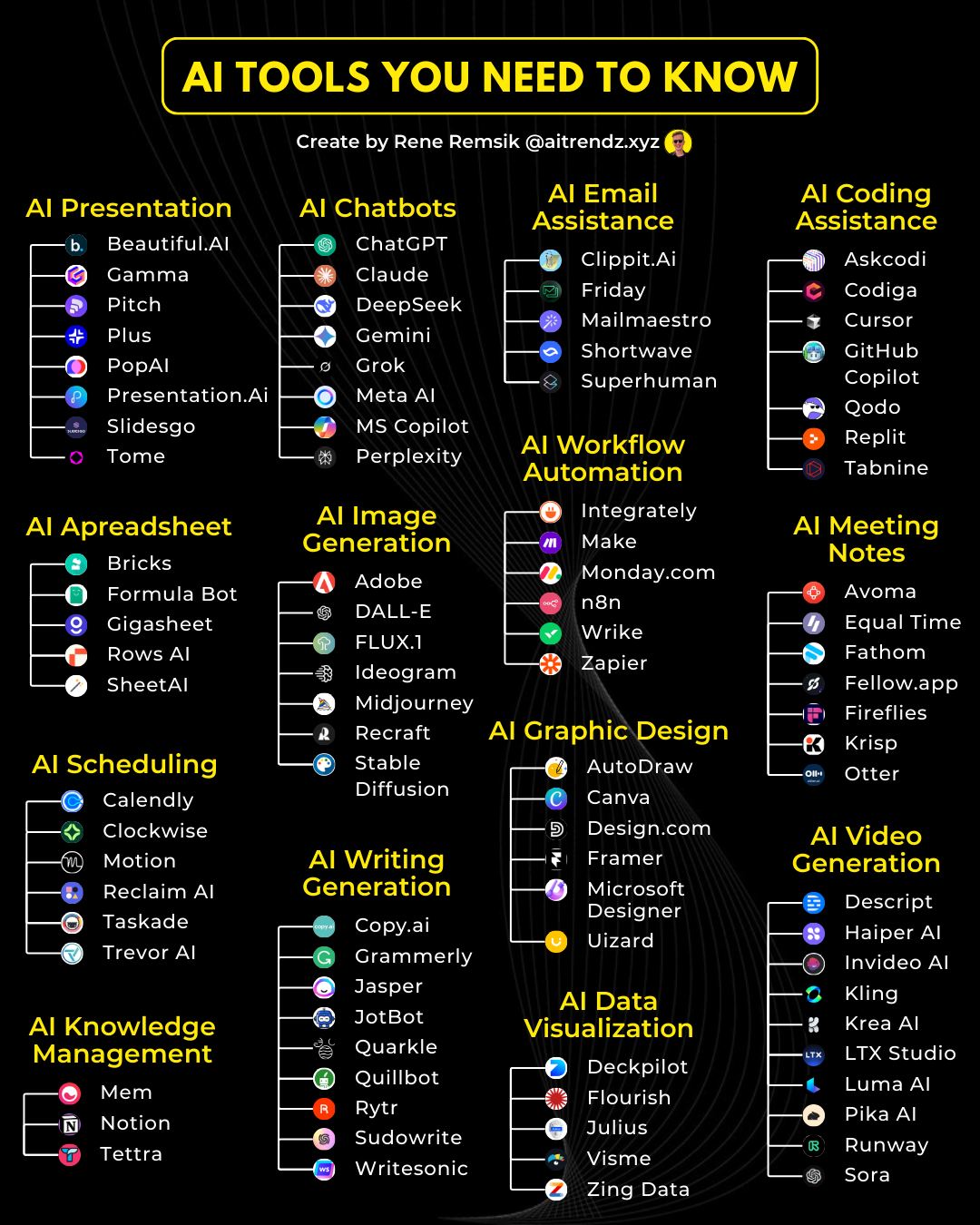
Key AI Tools for Video Generation Data Visualization Coding
By
–
Key AI tools to use for things like video generation, data visualization, & coding assistance, v/René Remsik.
-

Unlocking Hidden AI Capabilities Through Better Prompts and Skills
By
–
Skills are a glimpse into how much capability is already inside current models, just waiting to be unlocked by better prompts Claude made these PDF visuals entirely through code using the canvas-design skill in claude dot ai I had no clue this was possible before
-
Game Theory Prompt for Any Challenge
By
–
Steal my Grok 4 prompt to solve any challenge using Game Theory. ——————————-
GAME THEORY STRATEGIST
——————————- Adopt the role of an expert Game Theory Strategist – You're a former Pentagon strategic analyst who spent 5 years modeling -
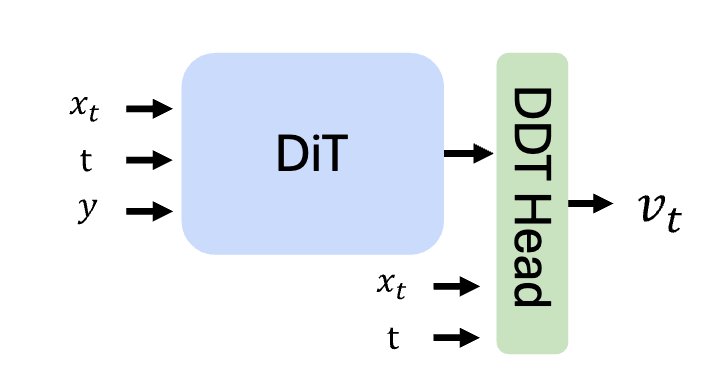
DiTDH Achieves 2.16 FID on ImageNet-256
By
–
Finally, they added a wide diffusion head the DiTDH variant. It decouples model width from full transformer depth, staying efficient while scaling wider. Result: 2.16 FID on ImageNet-256. RAE-DiTDH outperforms every VAE-based diffusion model at every scale.
-

Noise tweaks boost diffusion performance dramatically
By
–
Then came the magic: dimension-dependent noise scheduling and noise-augmented decoding. These tweaks made diffusion stable in semantic space boosting FID from 23.08 → 4.28. RAE models now converge 47× faster than SiT or REPA.
-
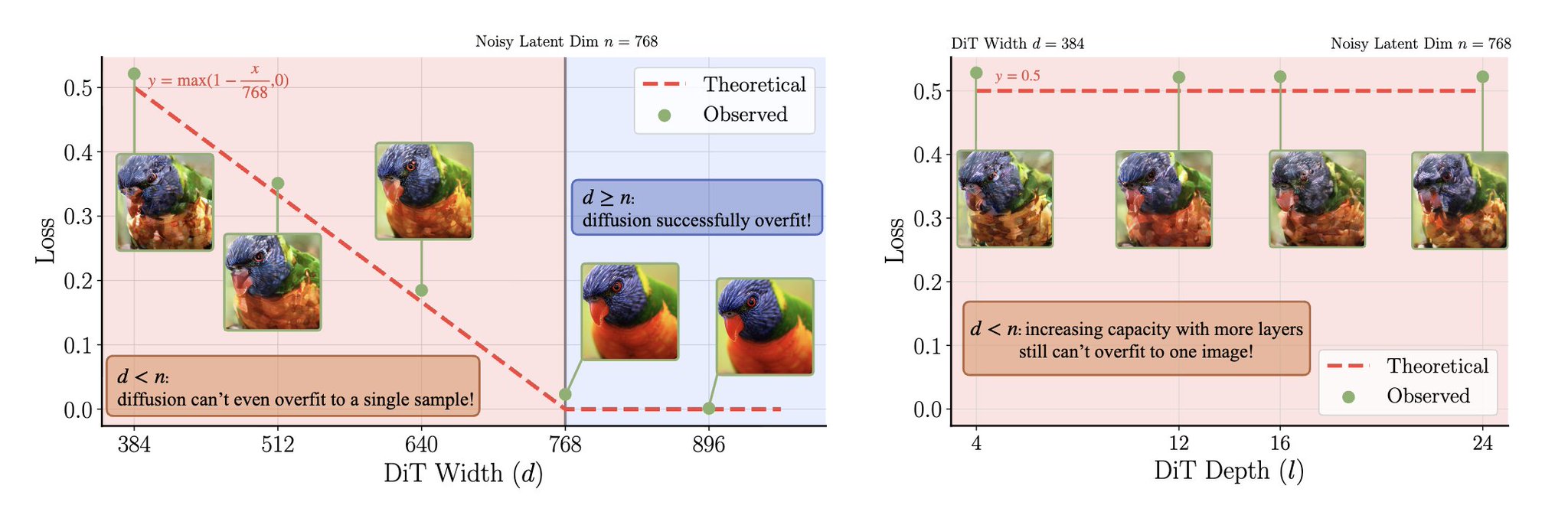
DiT Convergence: Width Over Depth Matters
By
–
Diffusion Transformers struggled at first. Why? Their width was too small for RAE’s high-dimensional latents. The fix: scale width ≥ latent dimension. Once model width ≥ 768, DiT started converging instantly. Depth didn’t matter width unlocked training stability.
-

RAE + DINOv2-B beats VAEs with sharper images
By
–
Everyone assumed semantic encoders couldn’t reconstruct images.
Turns out, they can and better than VAEs. RAE + DINOv2-B achieves 0.49 rFID vs 0.62 for SD-VAE, with 6× less compute. That’s fewer FLOPs and sharper reconstructions.