I don’t believe there are any restriction on Starshield, which is basically the US military version of Starlink, but I’m happy to be corrected.
BIG TECH
-
Countries Should Develop Own AI Models for Military Independence
By
–
Isn’t a high time for countries to develop their own AI models? What if companies like OpenAI doesn’t allow other governments to use their models for military operations?
→ View original post on X — @skathirmani, 2026-03-02 15:48 UTC
-
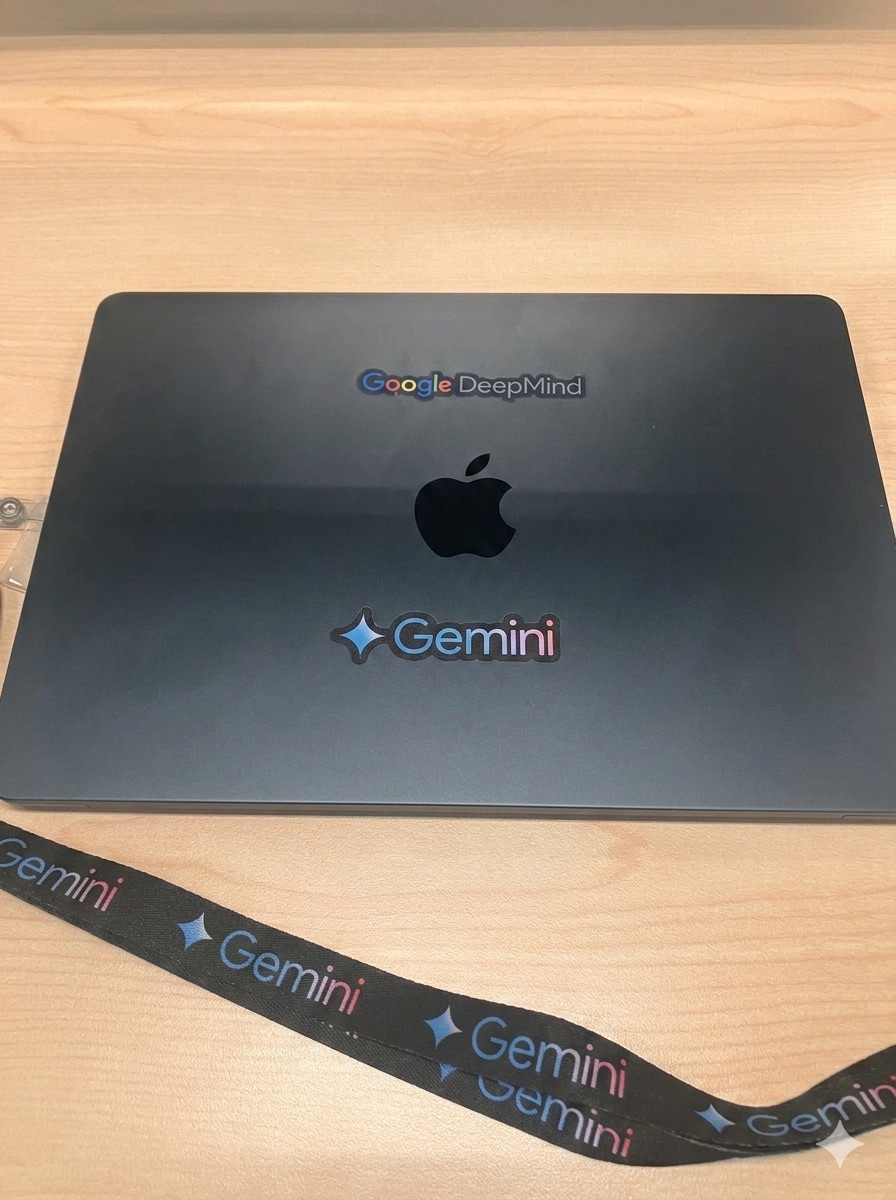
Jinjie Ni Joins Google DeepMind as Research Scientist
By
–
Congrats and welcome @NiJinjie to the center of AGI (🇸🇬 branch). Taking highly technical and capable researchers like this and giving them a chance to be at the frontier to make tons of impact for Gemini has been one of the most rewarding things of founding & building GDM in SG. Jinjie Ni (@NiJinjie) Life update: I’ve joined @GoogleDeepMind as a research scientist to work on ✨gemini scaling and RL, under the leadership of Yi Tay (@YiTayML) and Quoc Le (@quocleix). I feel extremely fortunate to be on the critical path towards AGI and can't wait to help push the frontier of gemini capabilities! 🚀 — https://nitter.net/NiJinjie/status/2028471474265420141#m
-
Anthropic in Conflict with War Department over Alignment
By
–
Anthropic and Alignment Anthropic is in a standoff with the Department of War; while the company's concerns are legitimate, its position is intolerable and misaligned with reality. https://stratechery.com/2026/anthropic-and-alignment/ [Translated from EN to English]
→ View original post on X — @benthompson, 2026-03-02 11:00 UTC
-
Anthropic acquires Vercept, xAI focuses on computer use agents for 2026
By
–
– Anthropic acquires Vercept
– xAI's MacroHard heavily focuses on Computer use 2025 was the year of agents in CLI
2026 is shaping up to be the year of computer use agents. -
OpenAI criticism deserves nuance: frontier innovation requires visible risk
By
–
I’m honestly tired of watching OpenAI get cast as the default villain in every AI debate. They try something bold, it’s dangerous. They move fast, it’s irresponsible. They partner, it’s corruption. They compete, it’s opportunism. Meanwhile, plenty of other companies move quietly, wait for validation, copy what works, avoid the hardest calls — and somehow escape the same scrutiny. Let’s be honest. OpenAI ships at scale. They deploy first. They test boundaries in public. That means they make visible mistakes. Visible tradeoffs. Visible bets. But that’s also what pushing a frontier looks like. If you’re the company actually attempting moonshots, integrating with institutions, scaling globally, and defining new categories, you’re going to absorb more risk and more criticism than everyone standing safely behind you. Do we really believe other AI companies aren’t navigating the same ethical gray zones? The same regulatory ambiguity? The same pressure between innovation and governance? Or is it just easier to project all systemic anxiety onto the biggest target? The standard keeps rising for OpenAI. Higher than for startups. Higher than for open source projects. Higher than for incumbents moving quietly in the background. Criticism is necessary. Accountability matters. But pretending only one company operates in tension with power, policy, and profit feels intellectually dishonest. Frontier innovation is messy. Governance is incomplete. The incentives are complex. If we want responsible AI, we should demand better systems, not just better villains. Because the reality is this: The companies actually trying to reshape infrastructure will always look riskier than the ones waiting to copy the outcome. And asking them to innovate without taking risk is asking them to do nothing at all.
→ View original post on X — @arrakis_ai, 2026-03-01 03:32 UTC
-
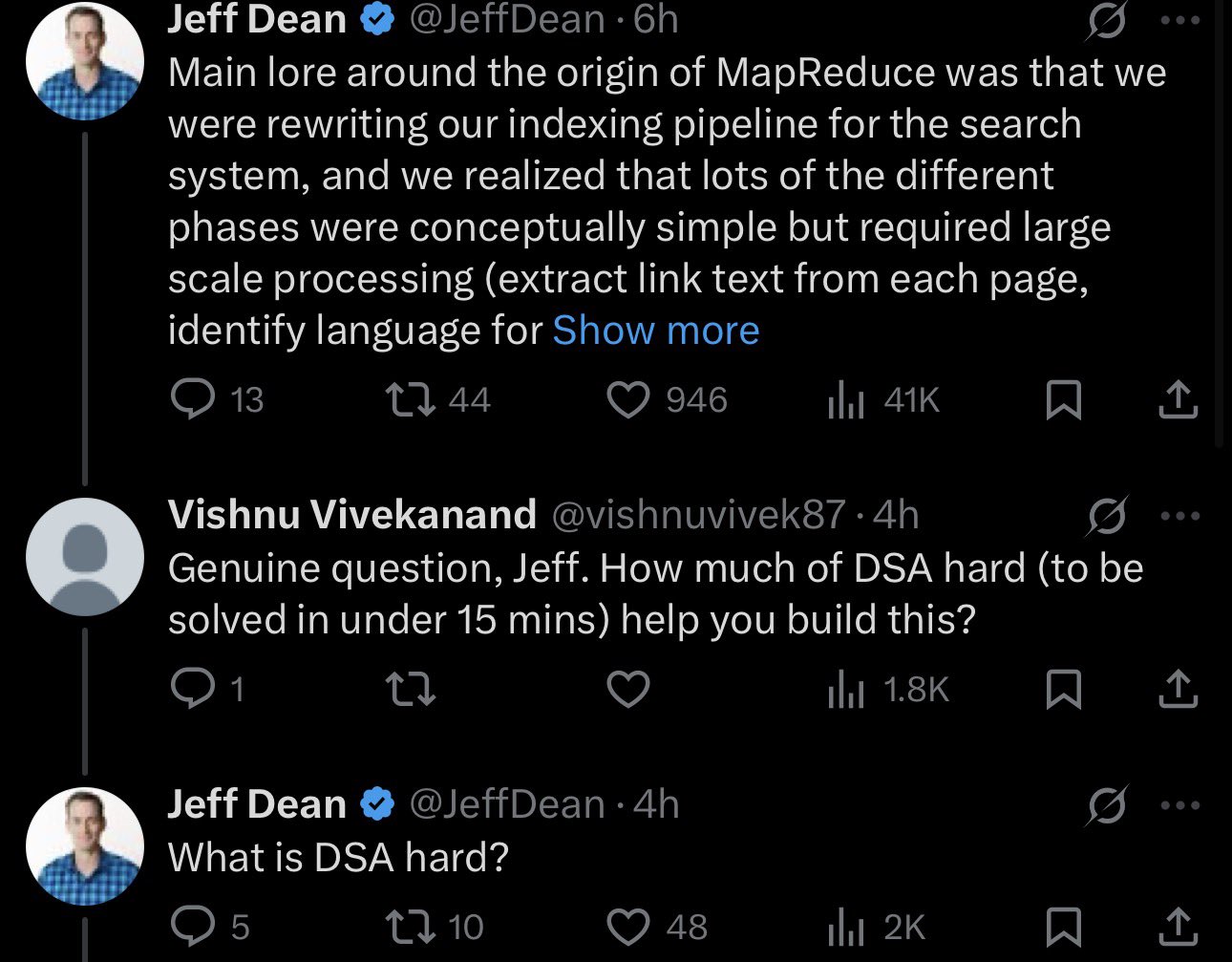
New Jeff Dean Fact Just Dropped
By
–
new jeff dean fact just dropped https://t.co/r5BB8J8m9B pic.twitter.com/kBey2bifLw
— Latent.Space (@latentspacepod) 28 février 2026new jeff dean fact just dropped
-
Anthropic Rejects Supply Chain Risk Designation from Department of War
By
–
We do not think Anthropic should be designated as a supply chain risk and we’ve made our position on this clear to the Department of War.
-
AI Company Reaches Defense Department Agreement for Classified Deployment
By
–
Yesterday we reached an agreement with the Department of War for deploying advanced AI systems in classified environments, which we requested they make available to all AI companies. We think our deployment has more guardrails than any previous agreement for classified AI
-
OpenAI Department of War Agreement Establishes AI Usage Redlines
By
–
Our agreement with the Department of War upholds our redlines: – No use of OpenAI technology for mass domestic surveillance. – No use of OpenAI technology to direct autonomous weapons systems. – No use of OpenAI technology for high-stakes automated decisions (e.g. systems such