It's only been a day since we've released MCP and folks are already starting to build tons of stuff on top of it. The future of MCP is truly going to be community-led and not controlled by any single entity. Here are some of the highlights I'm seeing from across the industry:
AUTOMATION
-
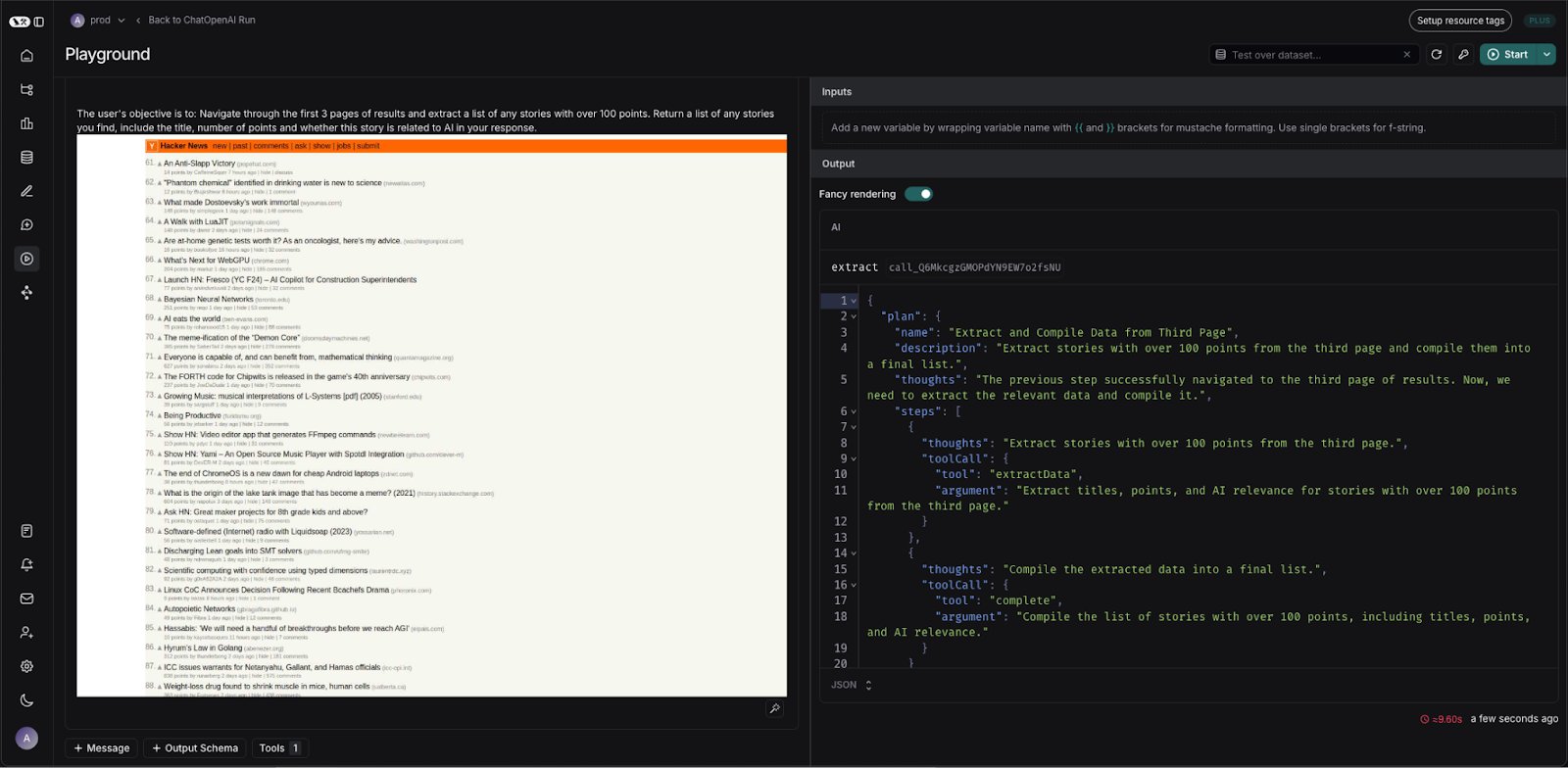
Deep Dive Into Browser Agents with Airtop
By
–
Want an in-depth look into browser agents? Check out our deep dive with Airtop
-
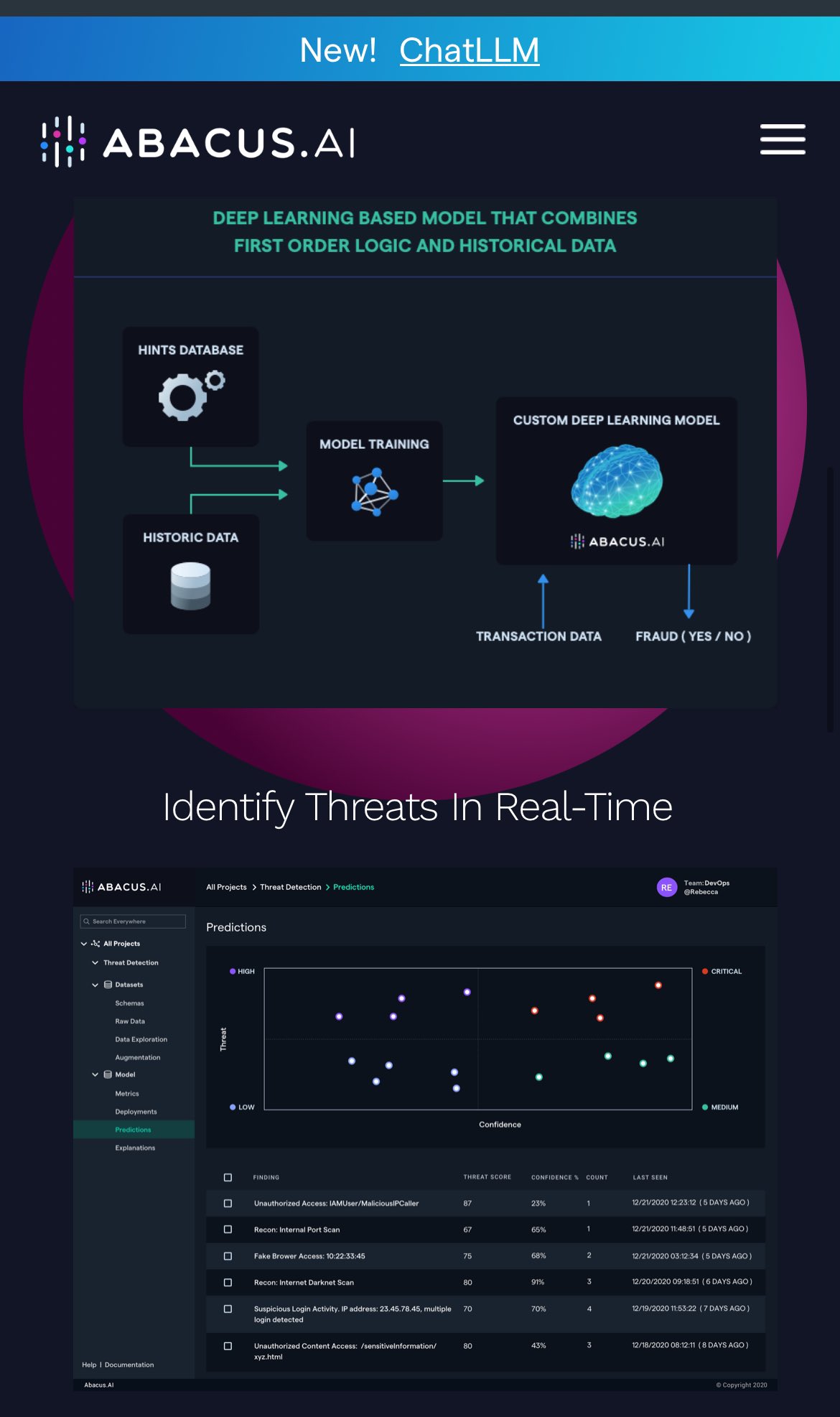
AI-Powered Fraud Detection and Security Protection Services
By
–
Deploy #AI-powered Fraud & Security protection services with completely autonomous, accurate, #DeepLearning systems to keep your organization secure: http://
abacus.ai/fraud by @AbacusAI ————
#GenAI #GenerativeAI #FraudDetection #MachineLearning #ML #DataScience #CyberSecurity -
Claude can perform web searches using server tools
By
–
After that, just ask Claude to make a web search for you! The server tools automatically get loaded in to the system prompt so that Claude knows it has access to them.
-
Add Brave Search MCP Server Configuration to Your File
By
–
Then, just add this to that file and save it: { "mcpServers": { "brave-search": { "command": "npx", "args": ["-y", "@modelcontextprotocol/server-brave-search"], "env": { "BRAVE_API_KEY": "ADD_YOUR_API_KEY_HERE" } } }
} -

Enterprise AI Suite Launches for Generative AI Applications and Agents
By
–
ICYMI: We launched a powerful enterprise AI suite to help businesses develop and deliver generative AI applications and agents that can be customized to meet business needs. From content generation to automated report generation to personalized communications — deployed in 30
-
OpenAI manifest files enable local system integration via plugins
By
–
i dont think openai had a desktop at the time, but you could put anything you wanted behind their manifest files, eg https://
openai.com/index/chatgpt-
plugins/#browsing
… to connect to local retrieval systems -
MCP Protocol Unifies Local and Remote Resource Access
By
–
Part of what makes MCP powerful is that it handles both local resources (your databases, files, services) and remote ones (APIs like Slack or GitHub's) through the same protocol
-
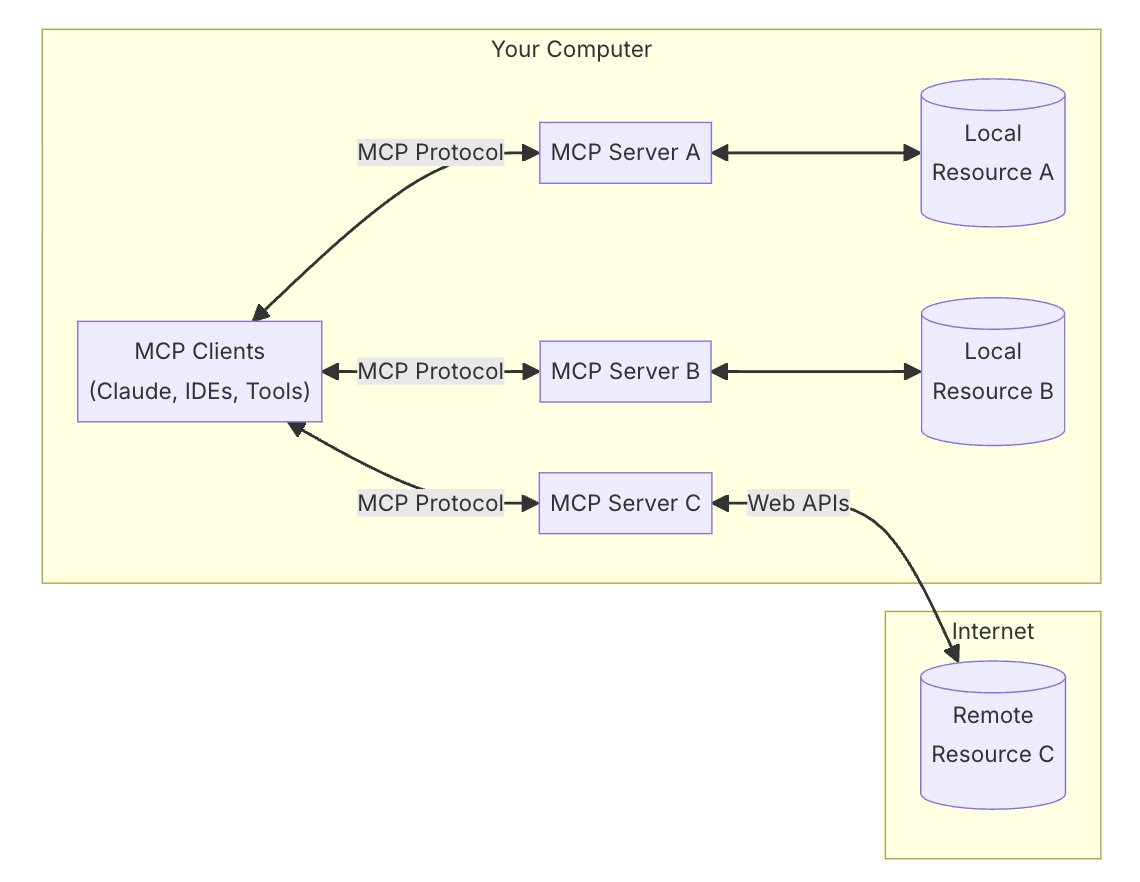
MCP Architecture: Client-Server Model for Service Integration
By
–
At its core, MCP follows a client-server architecture where multiple services can connect to any compatible client. Clients are applications like Claude Desktop, IDEs, or AI tools. Servers are light adapters that expose data sources.
-
MCP: Standard Protocol for LLM External System Integration
By
–
Getting LLMs to interact with external systems isn't usually that easy. Today, every developer needs to write custom code to connect their LLM apps with data sources. It's messy, repetitive work. MCP fixes this with a standard protocol for sharing resources, tools, and prompts.