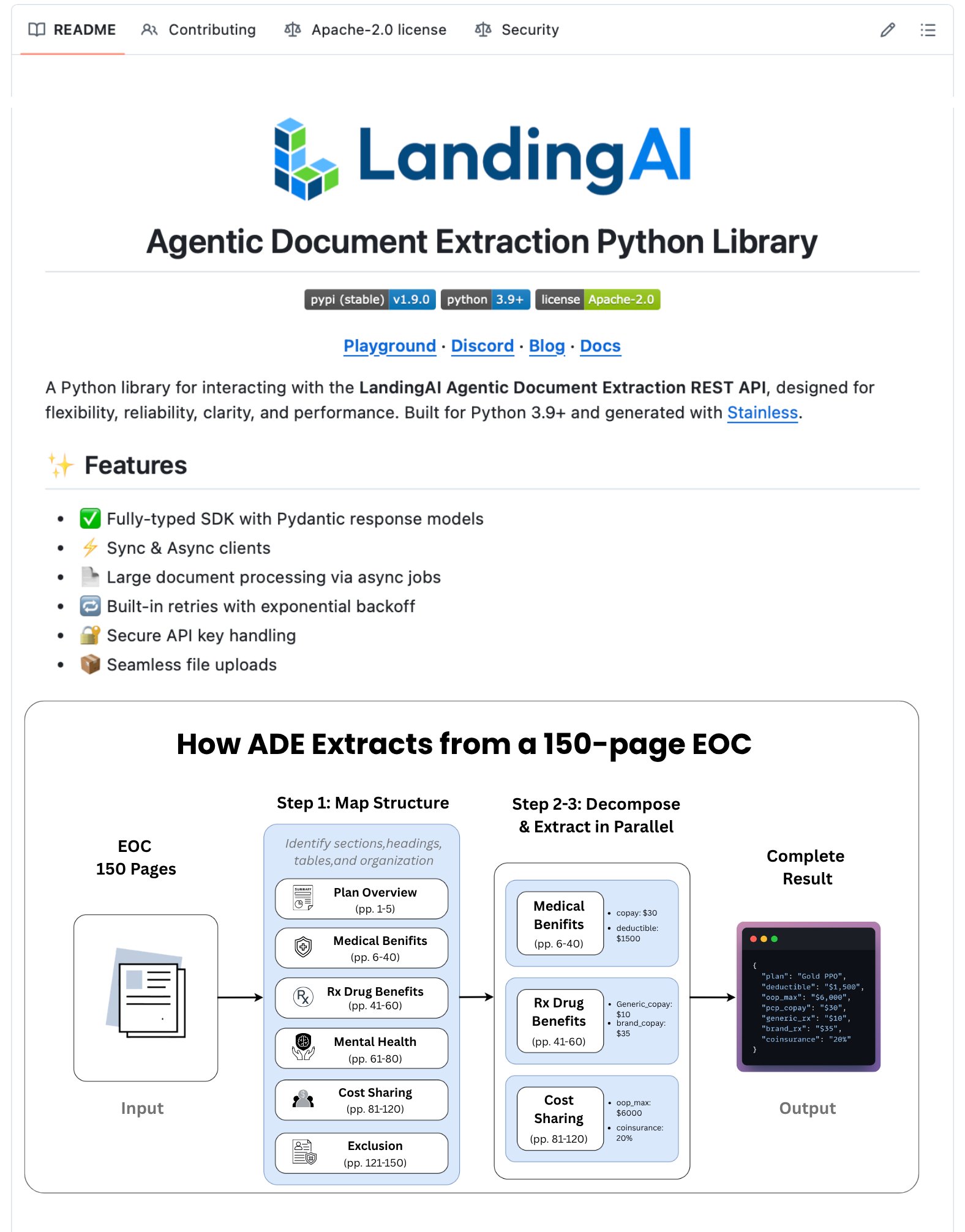
Document extraction will never be the same! Traditional document extraction pipelines break on long and complex documents. You process a 100-page contract. Split it into chunks. Extract data from each chunk separately. Stitch the results back together manually. A table spanning
@sumanth_077
-
Quantized Model Runs on 3GB Memory Requirements
By
–
16GB for the full model, but the quantized version runs on ~3GB
-
Voxtral 4B Model: Advanced Text-to-Speech AI Release
By
–
Voxtral 4B Model: https://
huggingface.co/mistralai/Voxt
ral-4B-TTS-2603
… You can also try it here: https://
console.mistral.ai/build/audio/te
xt-to-speech/?utm_source=sumanth&utm_medium=x&utm_campaign=audio
… -
Mistral Open Sources Voxtral TTS Voice Cloning Model
By
–
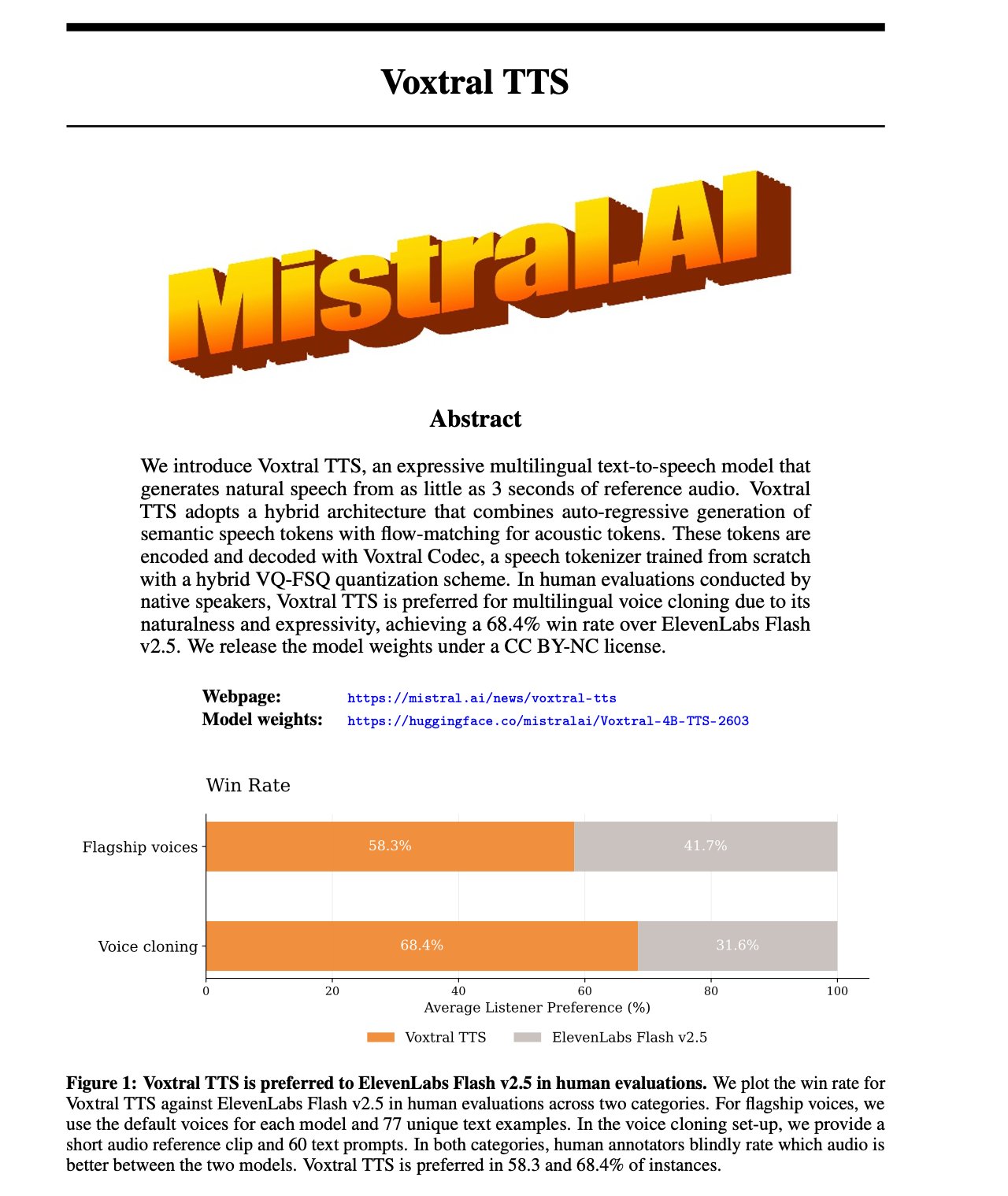
Clone any voice with just a 3-second audio clip! Mistral just open sourced Voxtral TTS, a text-to-speech model that clones voices from 3 seconds of audio and runs on edge devices. Here's what makes it different. Most TTS models need cloud GPUs and long audio samples. Voxtral
-
Custom Kernels Reduce GPU Memory Requirements for AI Models
By
–
Yeah the custom kernels make the difference, most setups need 15-20GB for similar models
-
AutoAgent: Build LLM Agents Using Natural Language
By
–
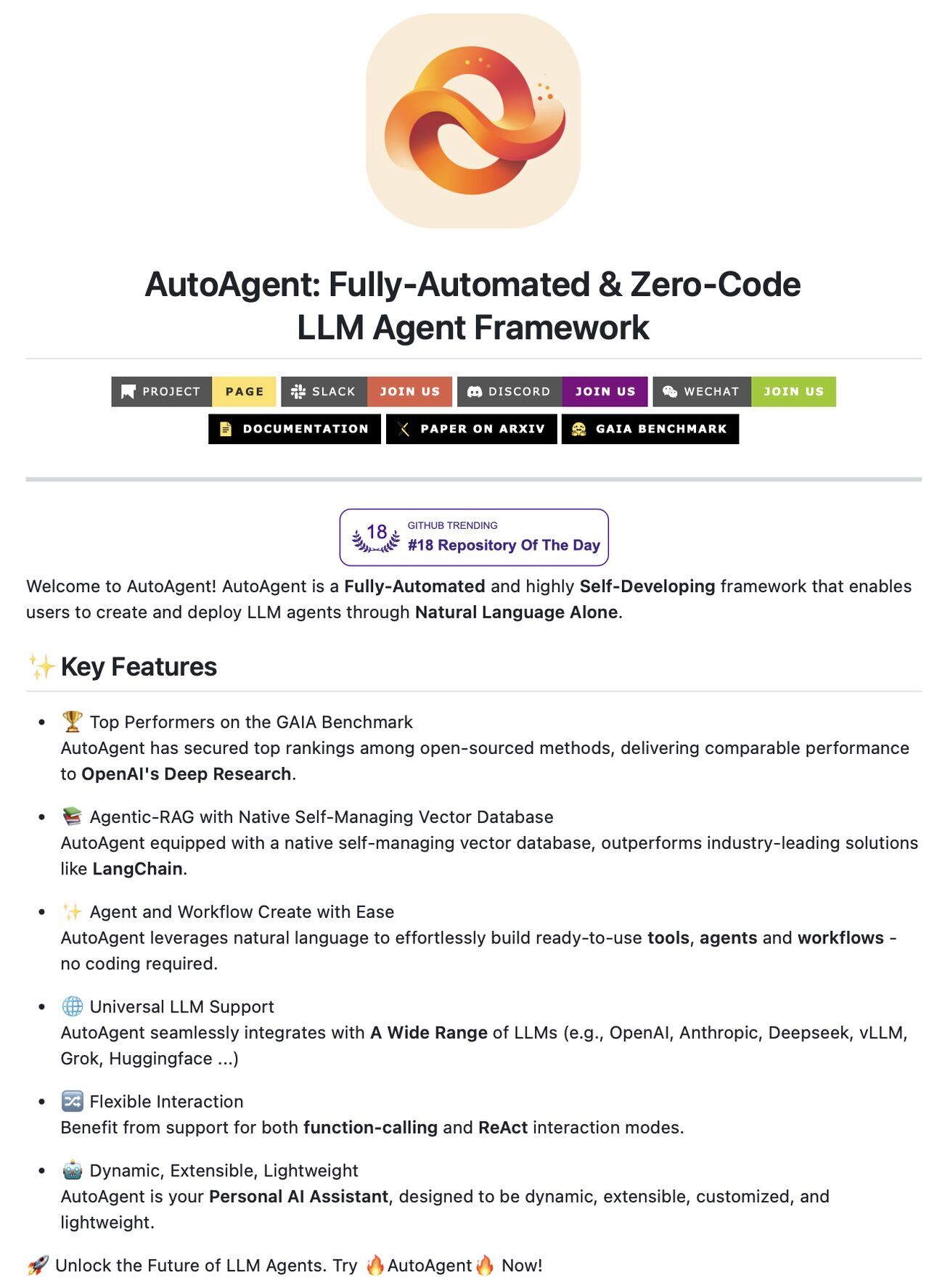
Build and deploy LLM agents just using natural language! AutoAgent is the Fully-Automated & Zero-CodeLLM Agent Framework that let's you create and deploy LLM agents using just natural language. Key Features: Agentic-RAG – Built-in self-managing vector database,
-
Microsoft Open Sources VibeVoice-ASR for 60-Minute Speech Processing
By
–
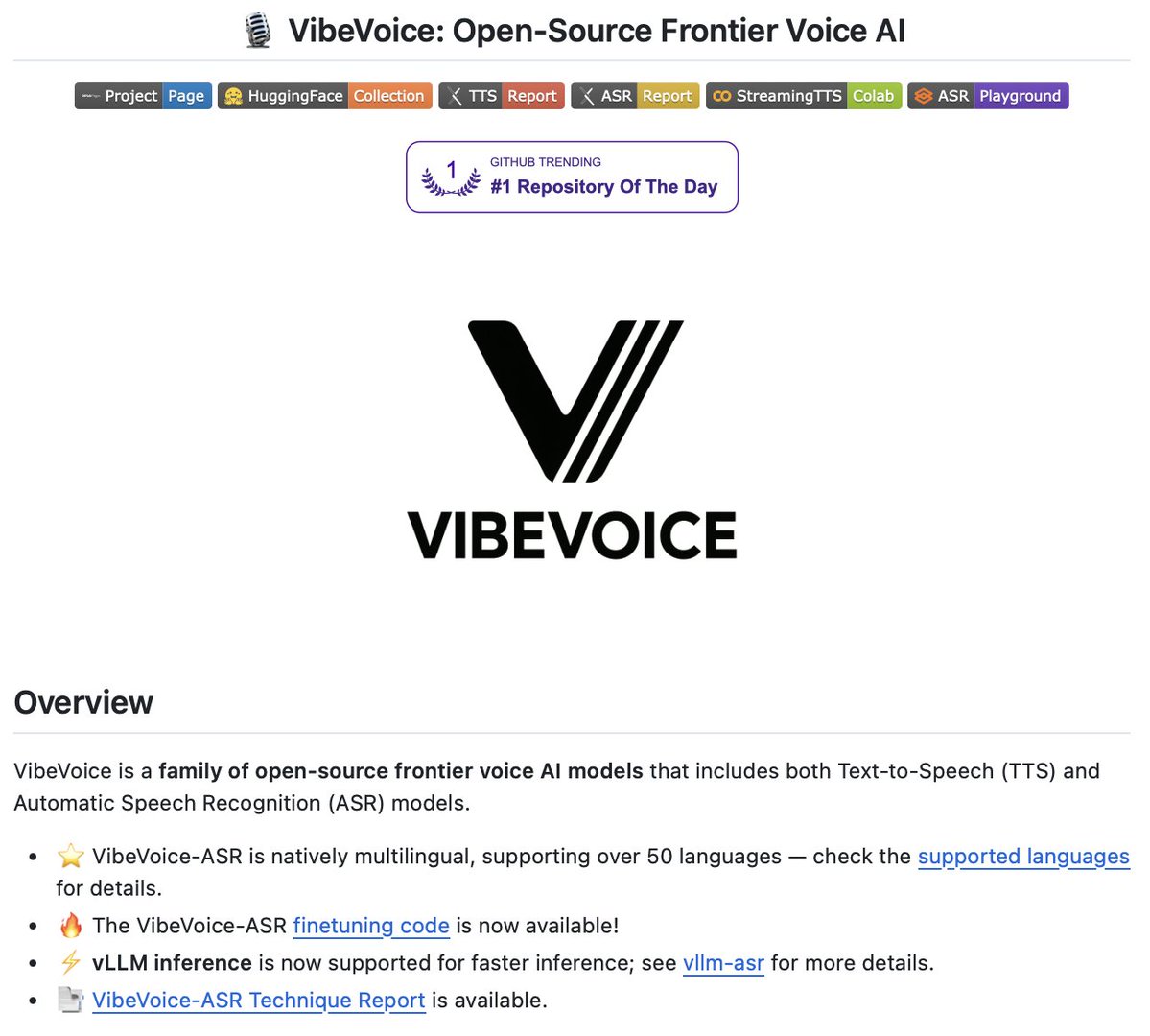
If you found it useful, reshare it with your network Follow me → @Sumanth_077 for more insights and tutorials on AI Engineering! nitter.net/Sumanth_077/status/204… Sumanth (@Sumanth_077) Microsoft just fixed a major speech recognition problem! They open sourced VibeVoice-ASR, a speech-to-text model that processes 60 minutes of audio in a single pass. Here's the problem with most ASR models. They slice audio into short chunks, usually 30 seconds or less. Process each chunk separately. Lose speaker context between segments. You get disconnected transcripts that can't track who said what across a full meeting. VibeVoice-ASR handles 60 minutes of continuous audio without chunking. The model maintains global context across the entire hour. The output is structured. Who spoke, when they spoke, what they said. Speaker diarization, timestamps, and transcription all in one pass. Key features: • 60-minute single-pass processing without chunking audio • Structured output: speaker labels, timestamps, and content combined • Customized hotwords: provide specific names or technical terms to improve accuracy • Multilingual support: 50+ languages • Joint ASR, diarization, and timestamping in one model The model is 7B parameters. Available on Hugging Face with finetuning code included. I've shared the repo link in the comments! — https://nitter.net/Sumanth_077/status/2041157100840051111#m
→ View original post on X — @sumanth_077, 2026-04-06 14:14 UTC
-
Microsoft Shares VibeVoice GitHub Repository
By
–
Github Repo: github.com/microsoft/VibeVoi… [Translated from EN to English]
→ View original post on X — @sumanth_077, 2026-04-06 14:12 UTC
-
Microsoft Open Sources VibeVoice-ASR for 60-Minute Speech Recognition
By
–
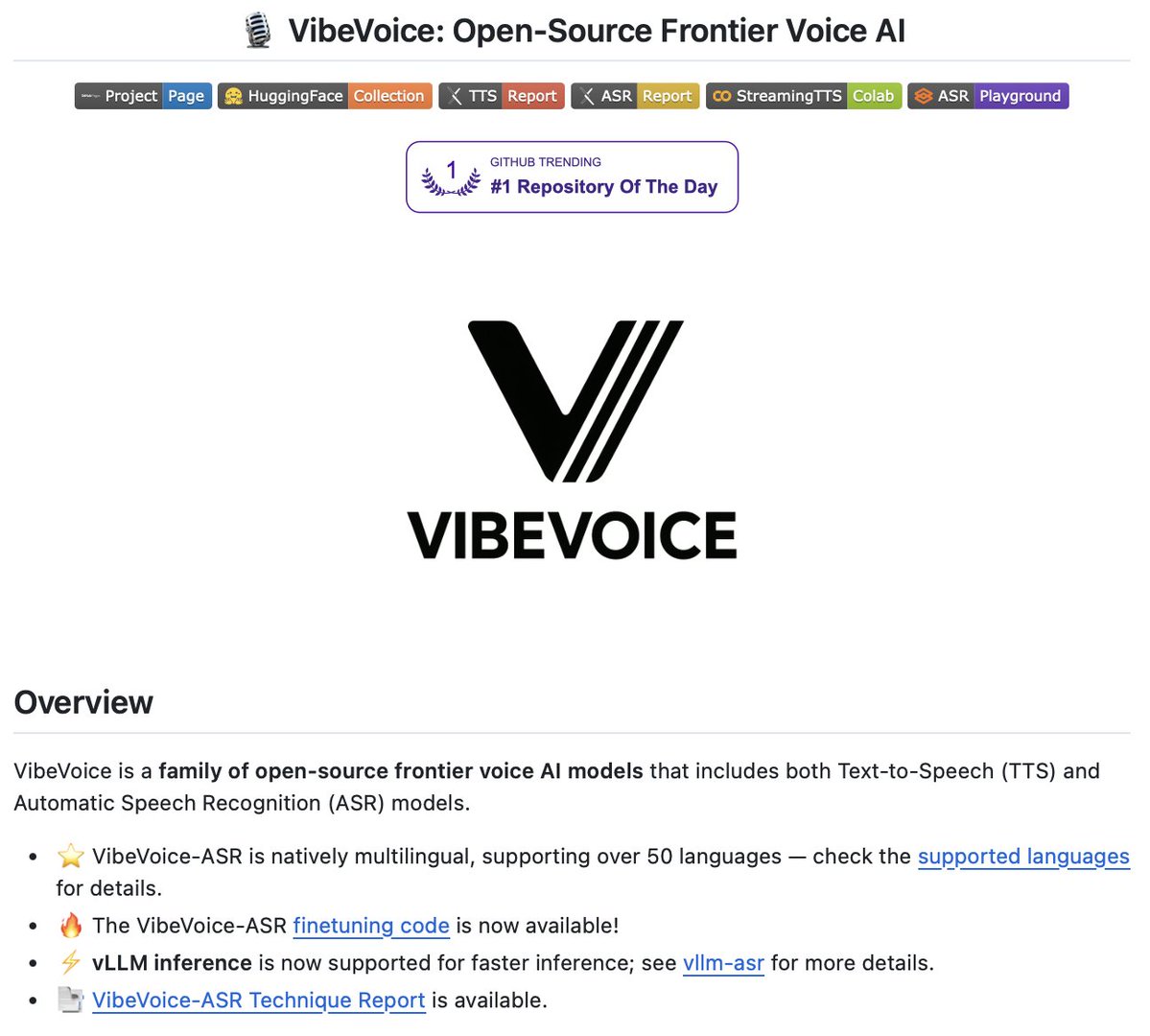
Microsoft just fixed a major speech recognition problem! They open sourced VibeVoice-ASR, a speech-to-text model that processes 60 minutes of audio in a single pass. Here's the problem with most ASR models. They slice audio into short chunks, usually 30 seconds or less. Process each chunk separately. Lose speaker context between segments. You get disconnected transcripts that can't track who said what across a full meeting. VibeVoice-ASR handles 60 minutes of continuous audio without chunking. The model maintains global context across the entire hour. The output is structured. Who spoke, when they spoke, what they said. Speaker diarization, timestamps, and transcription all in one pass. Key features: • 60-minute single-pass processing without chunking audio • Structured output: speaker labels, timestamps, and content combined • Customized hotwords: provide specific names or technical terms to improve accuracy • Multilingual support: 50+ languages • Joint ASR, diarization, and timestamping in one model The model is 7B parameters. Available on Hugging Face with finetuning code included. I've shared the repo link in the comments!
→ View original post on X — @sumanth_077, 2026-04-06 14:12 UTC
-
Production-Scale Testing Enables Real Adversarial AI Validation
By
–
Agreed on the adversarial concern, but the economics here enable production-scale testing which is where real adversarial validation happens