4 libraries that accelerates fine-tuning of LLMs (100% open-source)
@sumanth_077
-
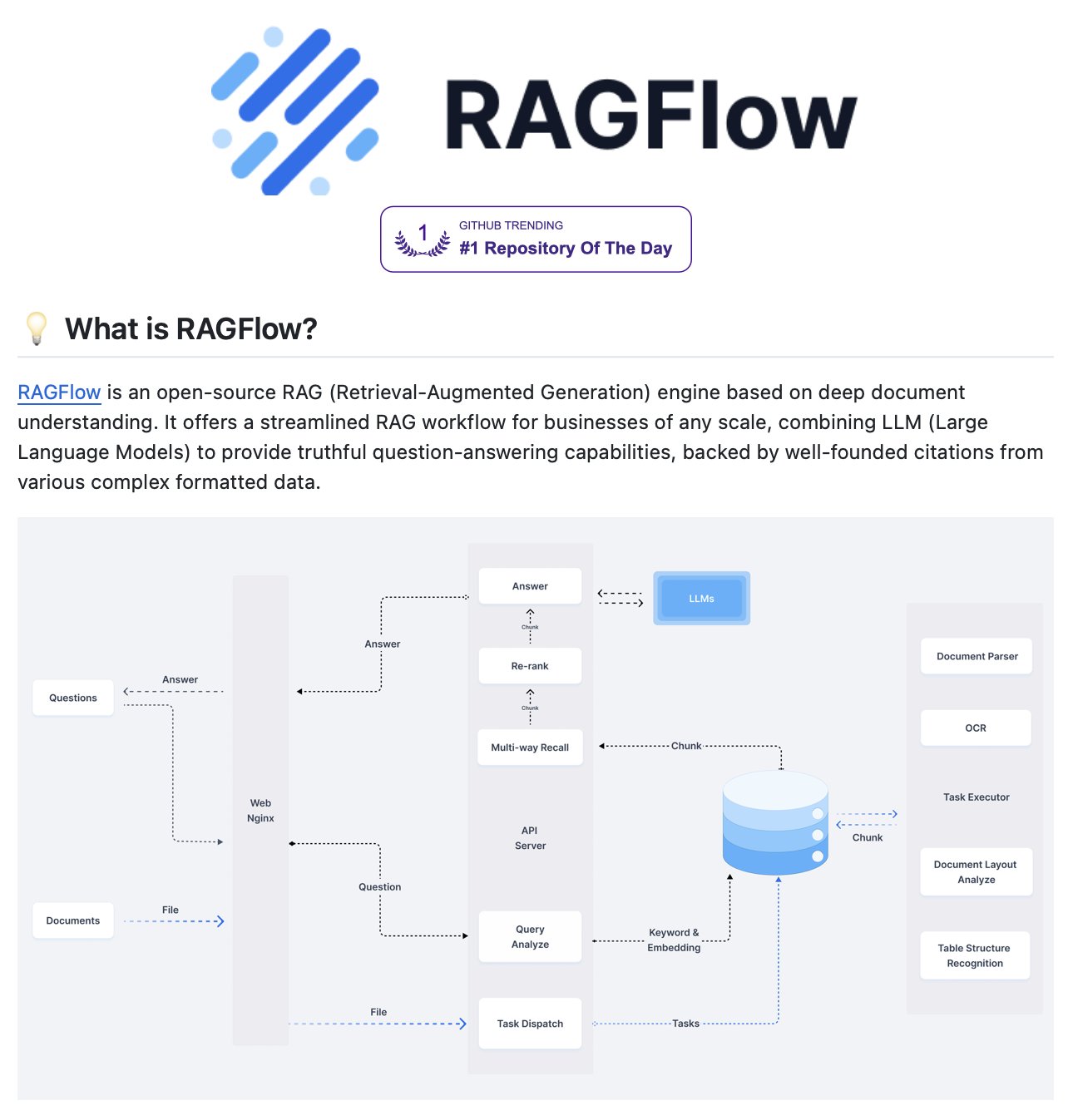
RAGFlow: Open-Source RAG Engine for Deep Document Understanding
By
–
RAG engine for deep document understanding! RAGFlow is an open-source RAG engine for deep document understanding and streamlined knowledge workflows from complex data formats. 100% Open Source
-
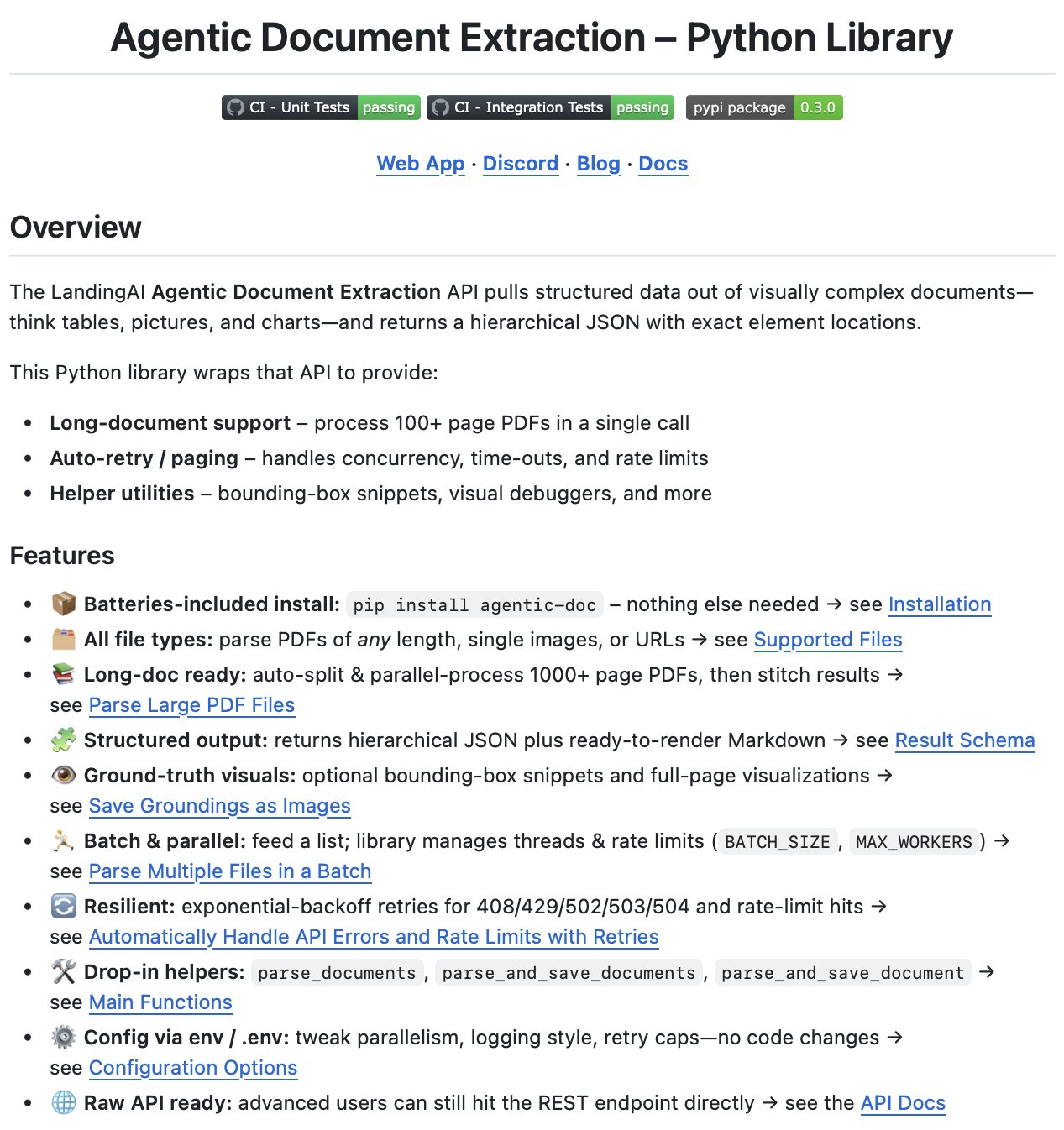
Agentic Doc: Python Library for Document Data Extraction
By
–
Turn documents into LLM-ready data! Agentic Doc is a Python library for agentic document extraction. It pulls structured data from visually complex documents like tables, images, and charts and returns a hierarchical JSON with exact element locations. 100% Open Source
-
AI Agent Tutorials and Pydantic-Based Agentic Applications
By
–
I've created AI Agent tutorials and more in this repo. I'll be building Agentic Applications using Pydantic. 100% open source. Check out the repo and don't forget to leave a star:
-
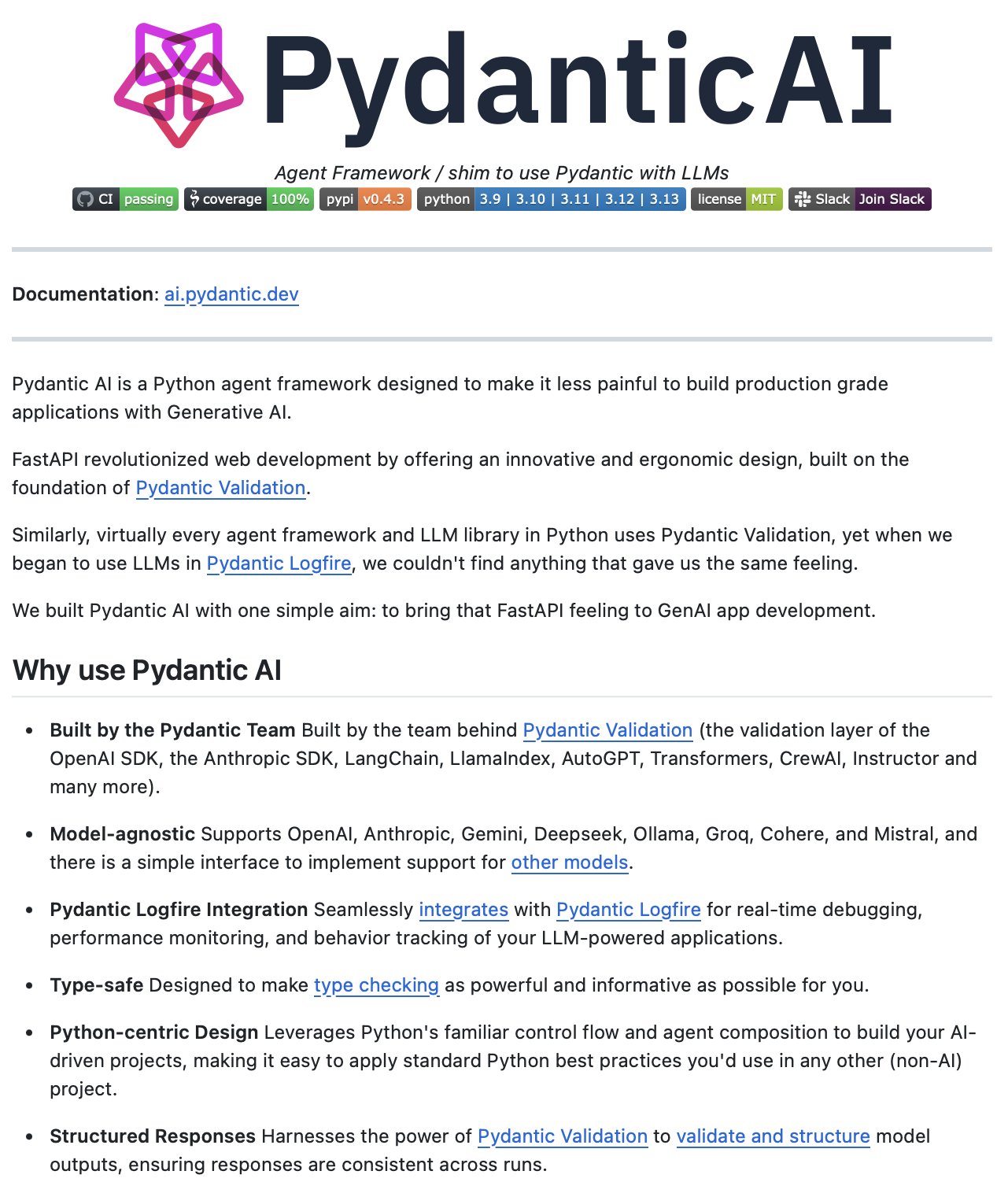
PydanticAI: Open Source Python Framework for Production Agentic AI Applications
By
–
Build production-grade Agentic AI apps in pure Python! PydanticAI is a Python agent framework designed to simplify building production-grade Agentic applications. 100% Open Source
-

TraycerAI Planning Agent Transforms Tasks Into Executable Structured Plans
By
–
Turn any task into a structured plan your agents can execute!
— Sumanth (@Sumanth_077) 14 juillet 2025
TraycerAI just dropped Planning Agent, the tool that explores your repo and builds detailed execution plans for Claude, Cursor, Copilot, and more.
Here's how it works:
1. @TraycerAI takes your task and builds a… pic.twitter.com/YxWL4Zlje3Turn any task into a structured plan your agents can execute! TraycerAI just dropped Planning Agent, the tool that explores your repo and builds detailed execution plans for Claude, Cursor, Copilot, and more. Here's how it works: 1. @TraycerAI takes your task and builds a
-
Rethinking Agent Architecture: New Paper Insights
By
–
If you're building agents, now is the time to rethink the architecture. Checkout the Paper here: https://
arxiv.org/pdf/2506.02153 -
Adopting Small Language Models Without Rebuilding Your Tech Stack
By
–
Adopt SLMs without rearchitecting your entire stack: → Start by auditing where LLMs are used and which tasks can be offloaded
→ Use distillation and fine-tuning to train SLMs on those subtasks
→ Gradually replace LLMs with SLMs in your pipeline, monitor, and optimize -
SLMs Rapid Improvement and Easy Migration from LLMs
By
–
A few takeaways: 1. SLMs are improving rapidly, even at the same parameter size
2. Migrating from LLMs to SLMs is easier than expected -
Why Small Language Models Excel for Agentic AI Applications
By
–
Here’s why SLMs are a better choice for agentic AI: • High task accuracy on focused, repetitive tasks
• Lower memory usage and faster inference
• Huge cost savings over time
• Easy to slot into a hybrid setup with LLMs for general reasoning