2. LLaMA Factory • Fine-tune over 100 models (LLaMA, Mistral, Gemma, etc.) using a simple CLI or WebUI
• Supports LoRA, QLoRA, full or frozen fine-tuning across 2–8‑bit precision GitHub repo:
@sumanth_077
-
LLaMA Factory: Fine-tune 100+ Models with Simple CLI
By
–
-
Unsloth AI: Fast LLM Fine-tuning with 70% Less VRAM
By
–
1. Unsloth AI • Fine-tune models like Qwen3, Llama 4, and Gemma 3 up to 2× faster with 70% less VRAM
• Supports low-resource setups and runs on consumer GPUs or even Colab/Kaggle with ~3 GB VRAM GitHub repo: -
Four Open Source Libraries Accelerate LLM Fine-tuning
By
–
Fine-tuning massive LLMs used to be painfully slow, but not anymore! Here are 4 libraries that accelerates fine-tuning of Large Language Models 100% Open Source
-
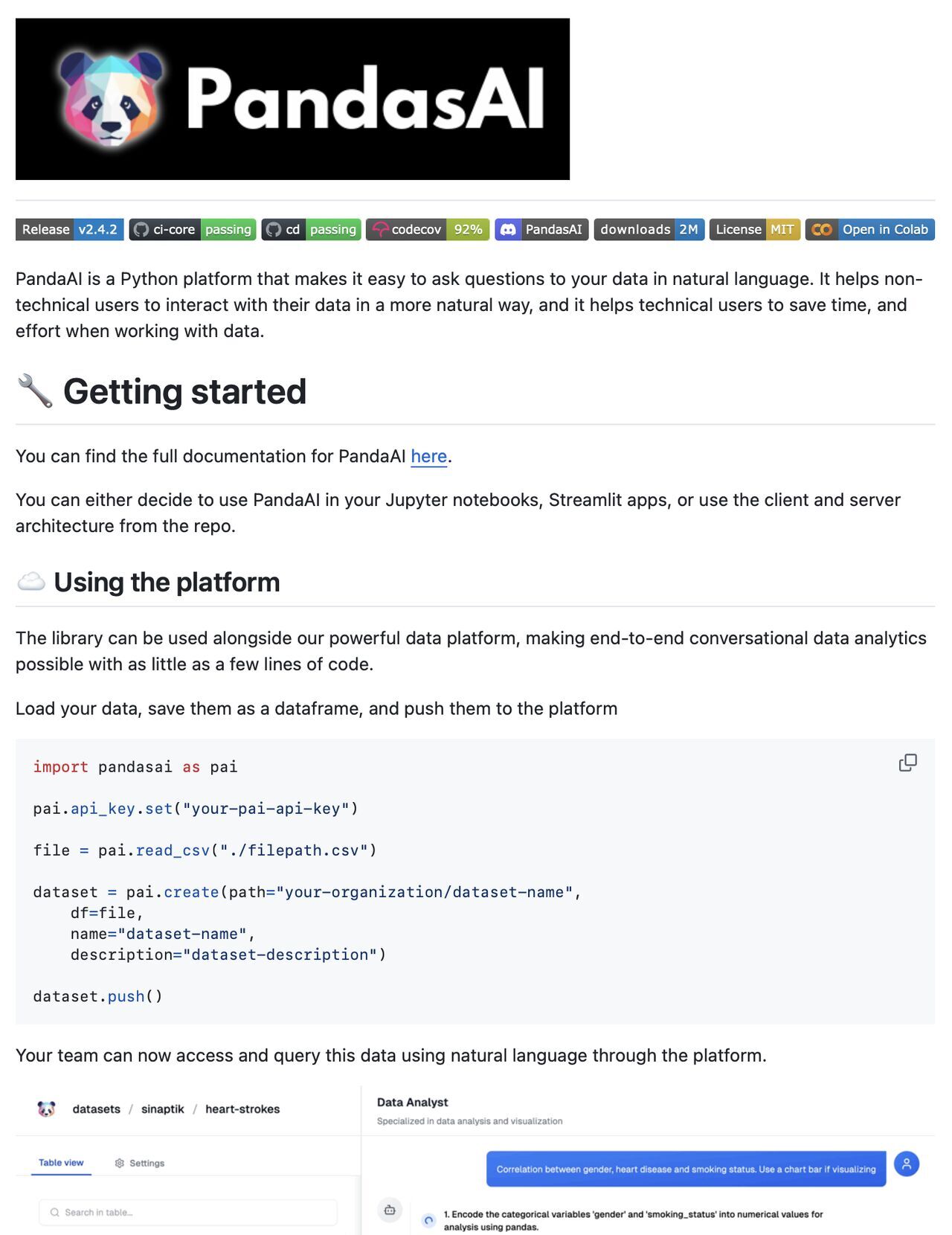
PandasAI: Generative AI Library Adds Natural Language to Pandas
By
–
Python library that adds Generative AI capabilities to Pandas! PandasAI analyzes complex data frames and plot visualizations just by using natural language. 100% Open Source
-
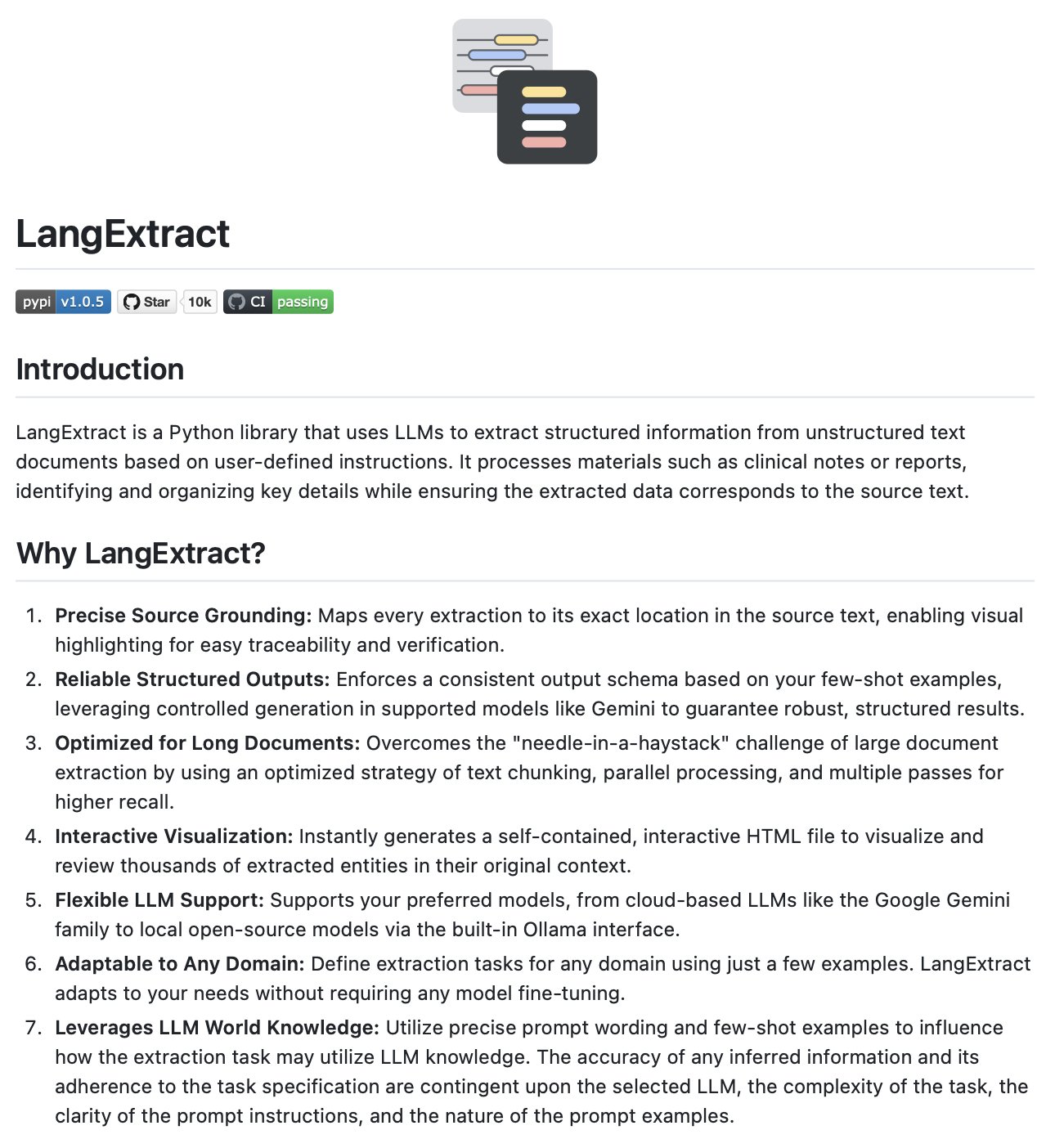
Google Releases LangExtract Python Library for Data Extraction
By
–
Google just released a python library for data extraction! LangExtract is a python library that extracts structured information from unstructured text documents with precise source grounding and interactive visualization. 100% Open Source
-
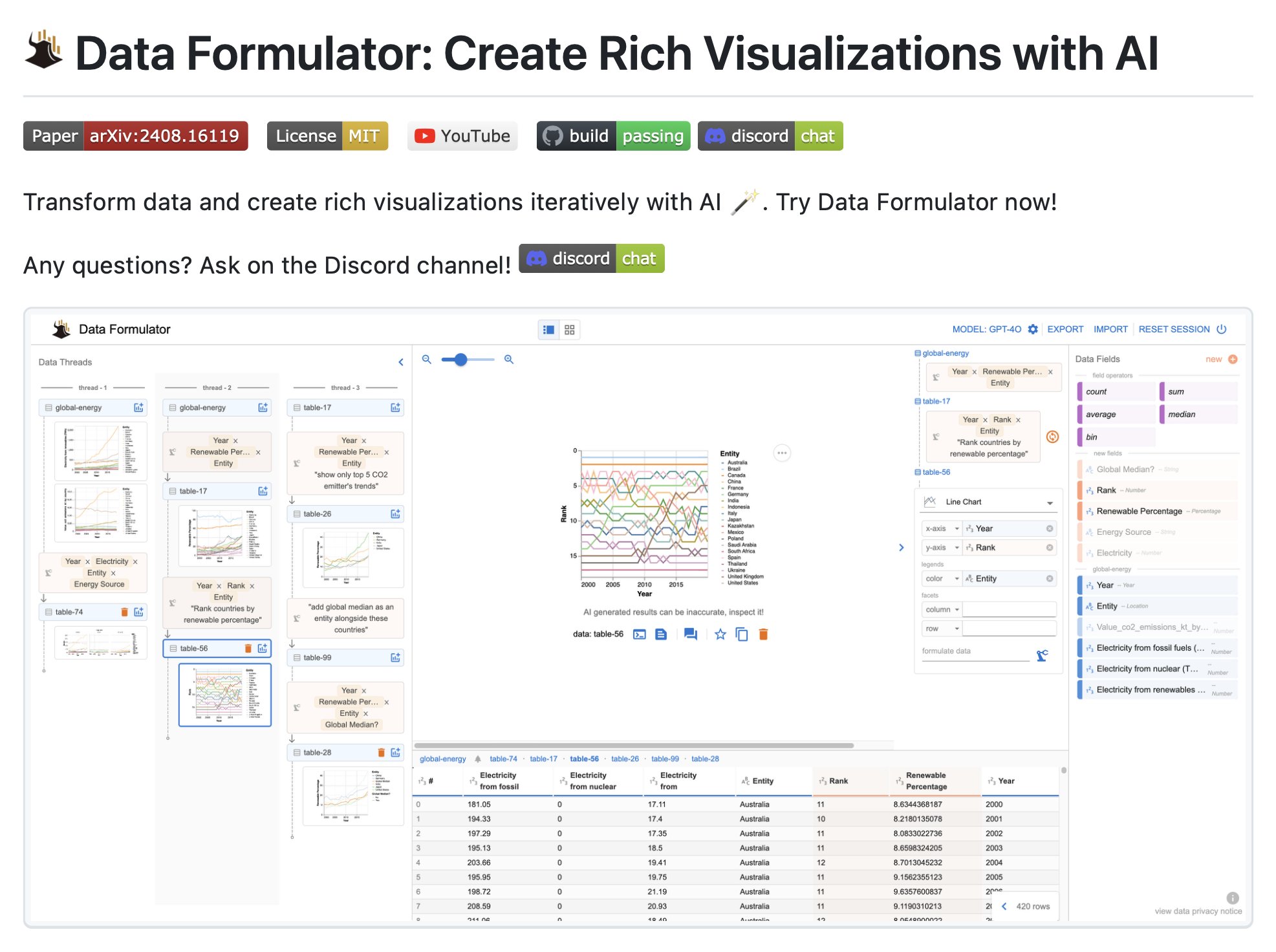
Microsoft launches Data Formulator, AI-powered open-source visualization tool
By
–
Microsoft released an AI powered data analysis tool! Data Formulator is an AI-powered tool for analysts to iteratively create rich visualizations. It's no-code & 100% open-source
-

Stanford CS336: Building Large Language Models from Scratch
By
–
Stanford CS336: Large Language Models from Scratch! This is a comprehensive course on LLMs, covers the full process of building one from scratch, including data collection, pretraining, transformer architecture, training, evaluation, and deployment.
-
Rethinking Agent Architecture: New Design Paradigms Emerge
By
–
If you're building agents, now is the time to rethink the architecture. Checkout the Paper here:
-
Adopting SLMs without rearchitecting your entire stack
By
–
Adopt SLMs without rearchitecting your entire stack: → Start by auditing where LLMs are used and which tasks can be offloaded → Use distillation and fine-tuning to train SLMs on those subtasks → Gradually replace LLMs with SLMs in your pipeline, monitor, and optimize
-
SLMs Improve Rapidly Migration From LLMs Easier Than Expected
By
–
A few takeaways: 1. SLMs are improving rapidly, even at the same parameter size 2. Migrating from LLMs to SLMs is easier than expected