
What’s a programming book that changed how you code? We'll start: Michael Sipser's "Introduction to the Theory of Computation."
@mit_csail
-
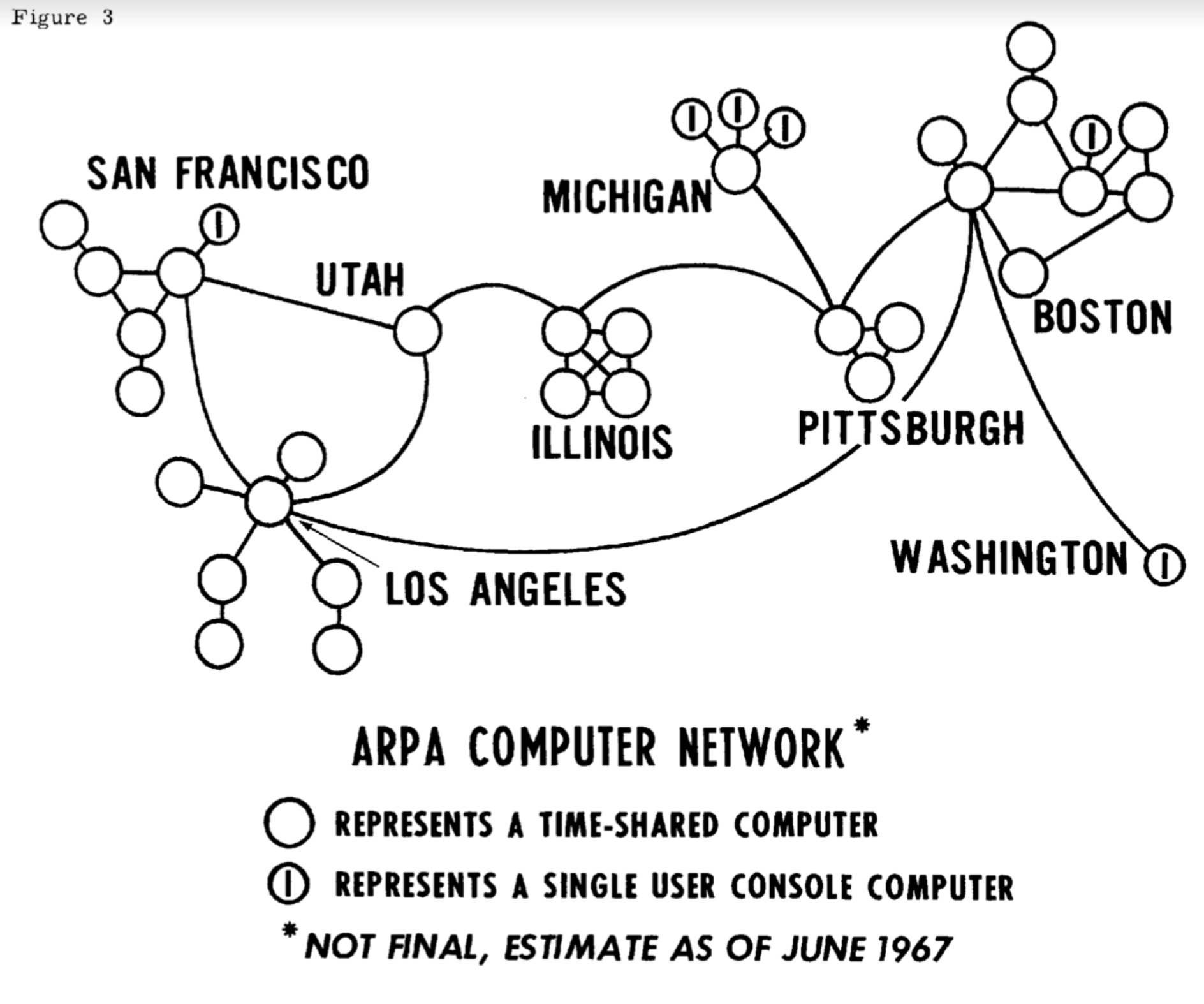
Larry Roberts ARPANet 1967 networking breakthrough
By
–
#otd in 1967 Larry Roberts presented his idea for an “ARPANet” for connecting multiple computers together across the United States. Full paper: https://
bit.ly/3TLjqKP -
Face Detection Study Reduces False Positives for Autonomous Systems
By
–
The study could potentially help face detection systems by reducing false positives, which might impact self-driving cars, human-computer interaction, & robotics. The dataset & models could also help areas like product design.
-
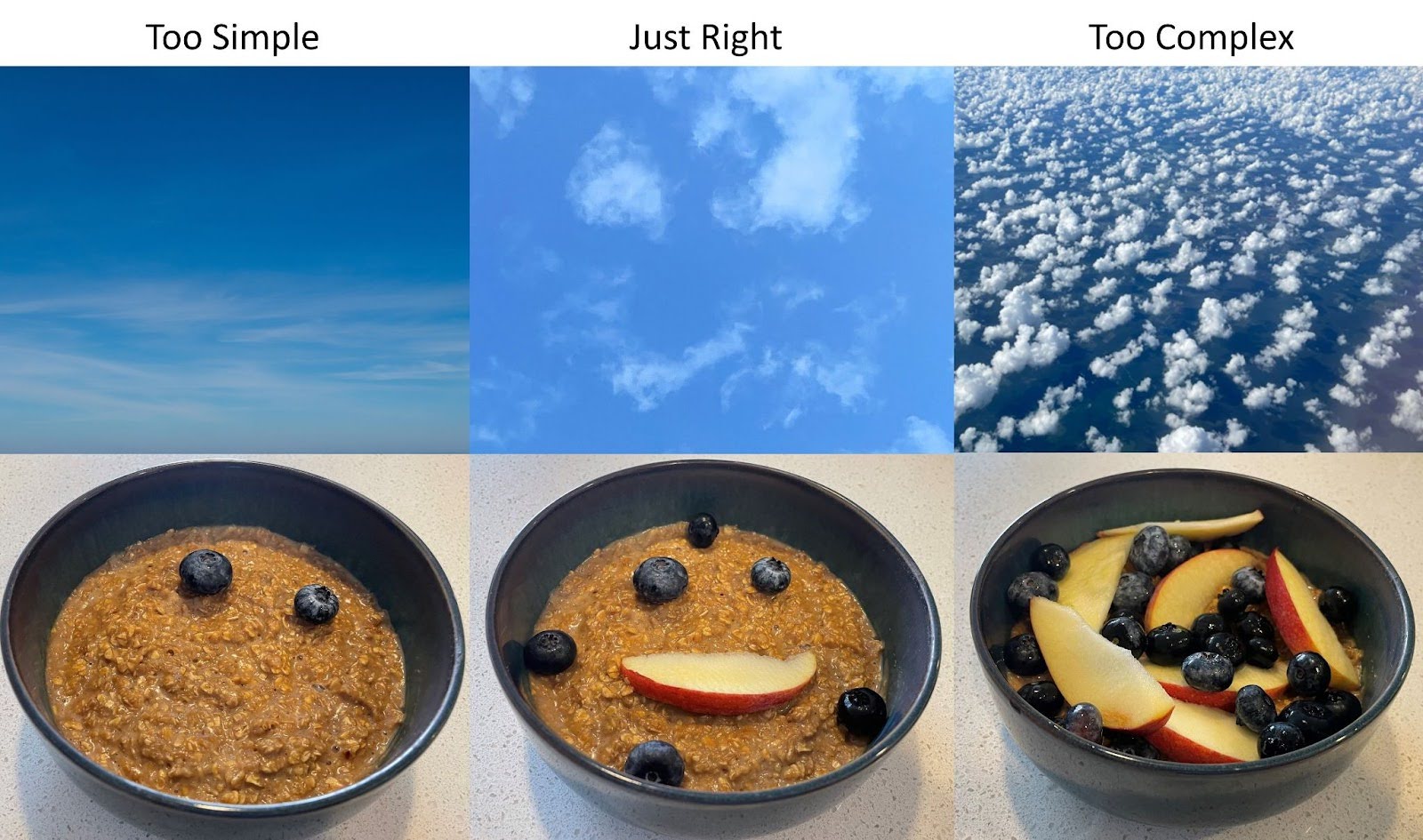
Goldilocks Zone of Pareidolia in Image Recognition
By
–
They also discovered what they call the "Goldilocks Zone of Pareidolia." This class of images is where pareidolia is most likely to occur. If the image is too simple, then there’s insufficient detail to form a face. Too complex, and the algorithm will just view it as visual
-

New ‘Faces in Things’ Dataset Advances Face Detection Algorithms
By
–
This new dataset, “Faces in Things,” dwarfs those of previous studies that typically used only 20-30 stimuli. This scale allowed the researchers to explore how state-of-the-art face detection algorithms behaved after fine-tuning on pareidolic faces, & could also act as a
-
Evolutionary link between animal face recognition and pareidolia
By
–
This unexpected connection hints at a possible evolutionary link between our ability to spot animal faces — crucial for survival — & our tendency to see faces in inanimate objects.
-
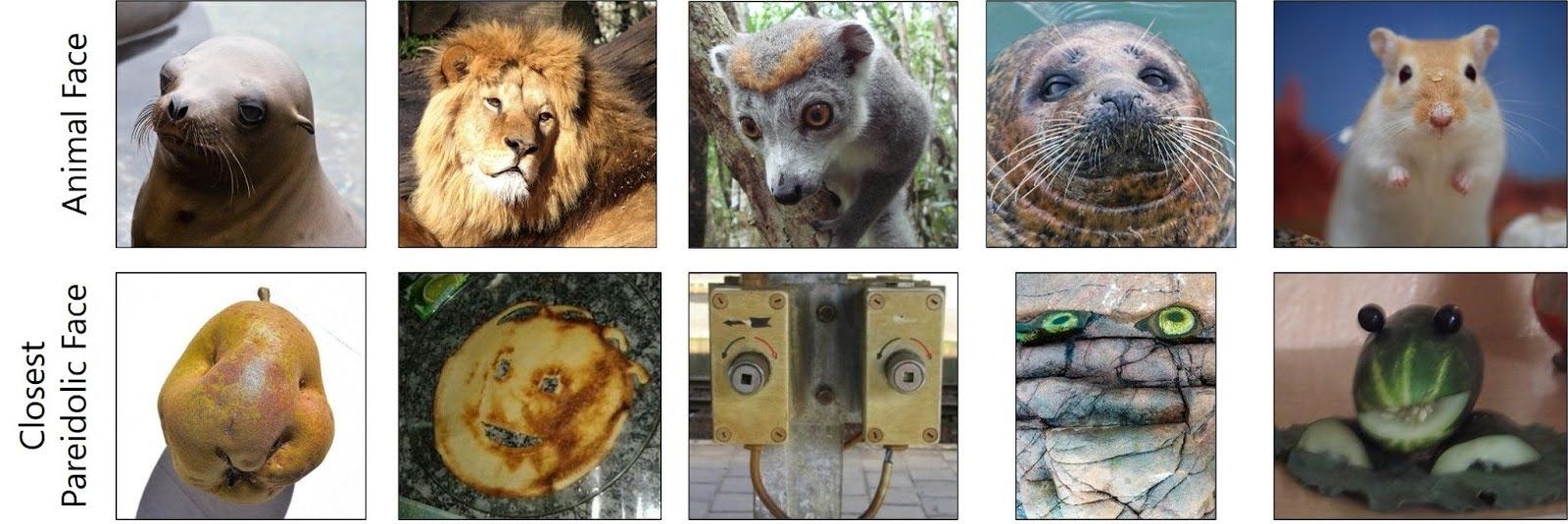
AI Models Struggle with Pareidolic Face Recognition Until Animal Training
By
–
Among key findings, the team found that AI models don’t seem to recognize pareidolic faces like we do. They observed that it wasn’t until they trained algorithms to recognize animal faces, that they became significantly better at detecting pareidolic faces.
-
Pareidolia: How AI and Humans Detect Faces Differently
By
–
What does seeing a face in the moon have to do w/AI identifying tigers?
— MIT CSAIL (@MIT_CSAIL) 2 octobre 2024
MIT CSAIL has introduced a human-labeled dataset of these illusory faces in everyday objects (a phenomenon called "pareidolia"), revealing how humans & AI detect faces differently. The group also discovered… pic.twitter.com/uSB4XU7L6zWhat does seeing a face in the moon have to do w/AI identifying tigers? MIT CSAIL has introduced a human-labeled dataset of these illusory faces in everyday objects (a phenomenon called "pareidolia"), revealing how humans & AI detect faces differently. The group also discovered
-

Researchers Create Large Facial Pareidolia Dataset for Computer Vision
By
–
Face pareidolia had been largely unexplored in computer vision until now. The researchers’ extensive, human-labeled dataset of >5,000 pareidolic images far surpasses previous collections.
-
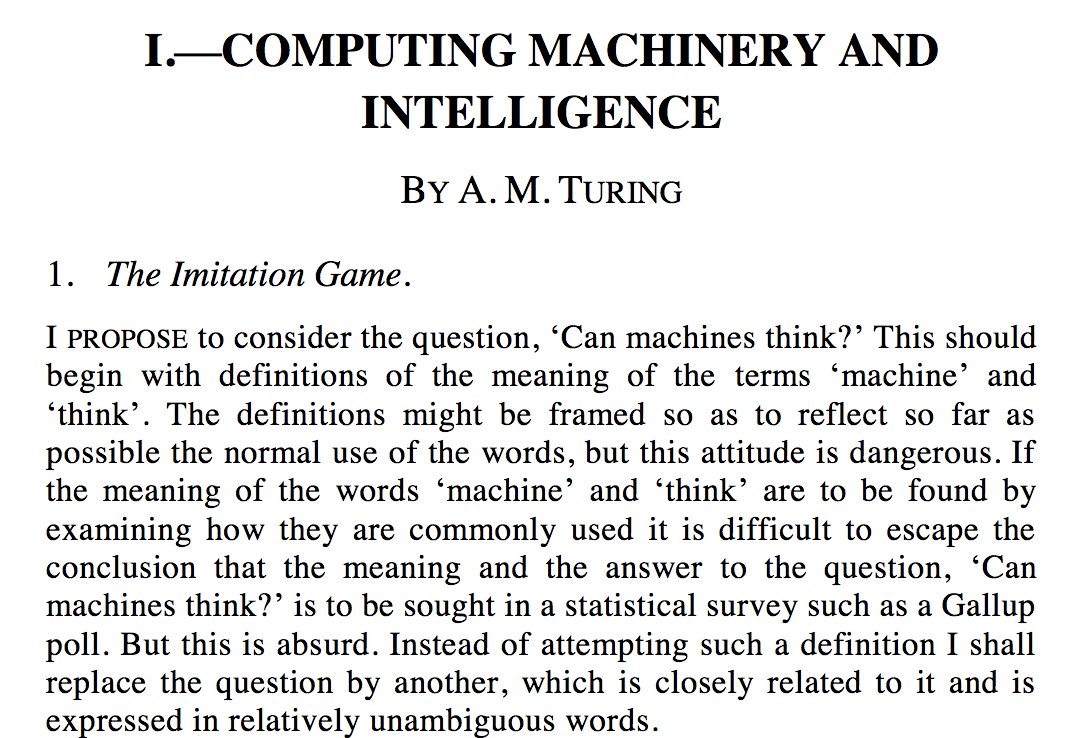
Alan Turing’s Computing Machinery and Intelligence Paper Anniversary
By
–
The Turing Test was born #otd in 1950 with Alan Turing’s seminal paper "Computing Machinery and Intelligence." https://
bit.ly/2Yiby9V