This month, “hello world” said “hello world!” The term was coined in a seminal programming book published in 1978: “C Programming Language,” written by Brian Kernighan and Dennis Ritchie: https://
go.aws/37TmOZq
@mit_csail
-
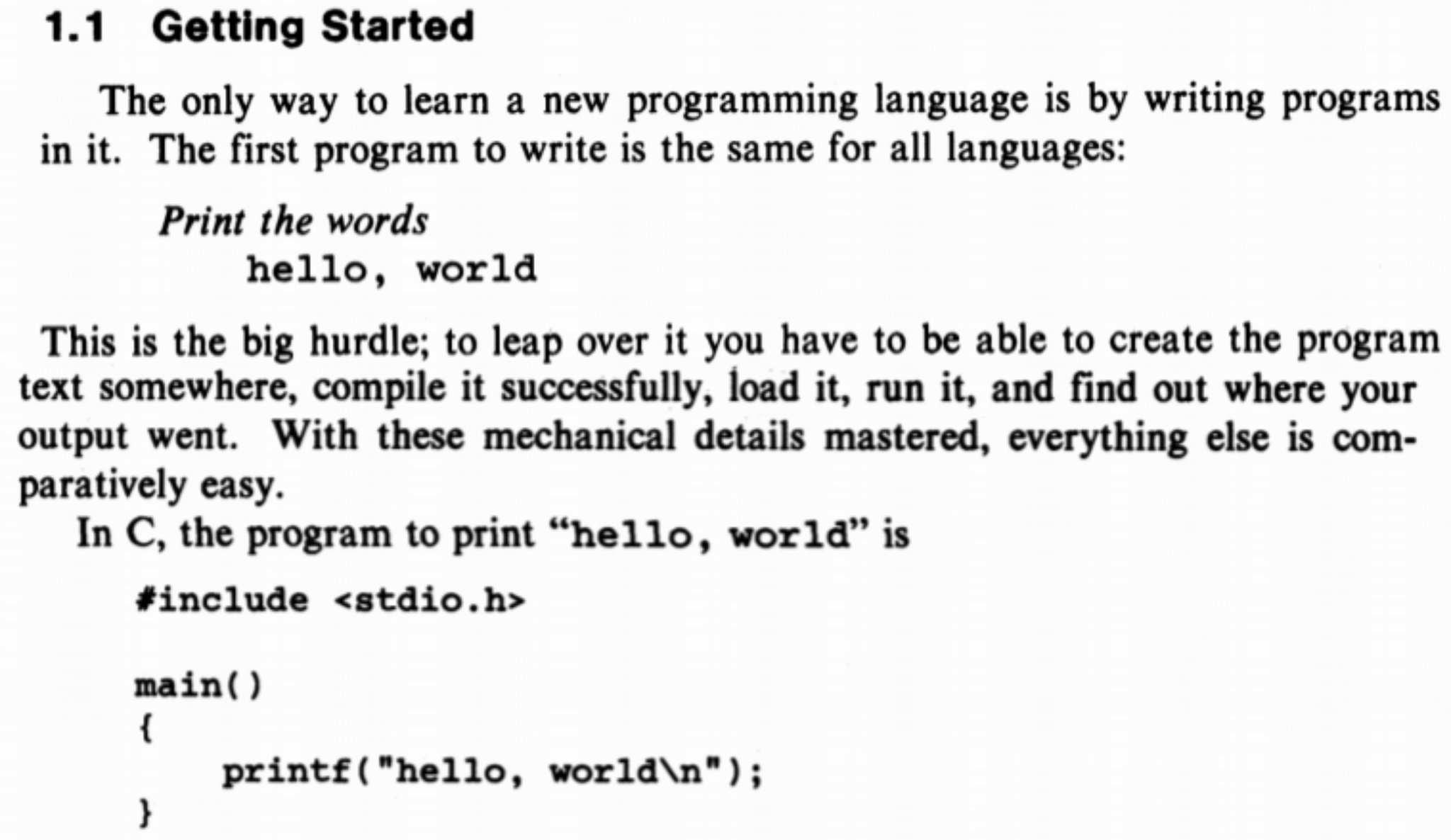
Hello World: The Iconic First Program Turns 46
By
–
-
MIT Professor Explores Collaborative Learning and AI Autonomy Research
By
–
MIT assistant professor Andreea Bobu discusses what inspired her to become a scientist focused on collaborative learning & autonomy. Full video: https://
bit.ly/416KgzP -

CSAIL Celebrates Valentine’s Day with Midjourney AI Images
By
–
Happy Valentine's Day from CSAIL, w/images from Midjourney.
-
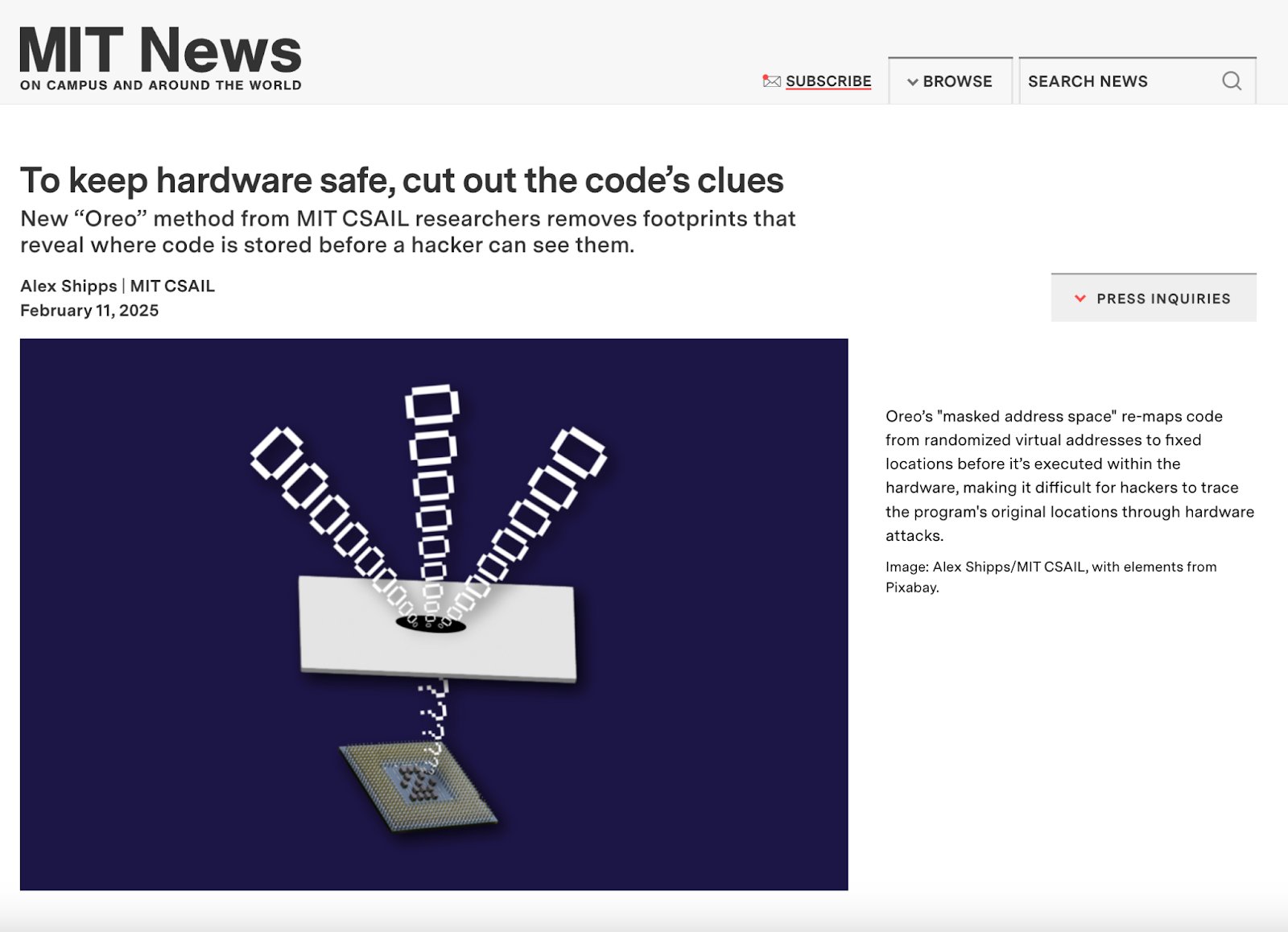
Oreo Security Upgrade Addresses Speculative Execution Attacks
By
–
Oreo is a lightweight security upgrade, & next, the team will look to address speculative execution attacks. Read more: https://
bit.ly/4hutrWz Authors: Shixin Song (
@zhizhuoxin
), Joseph Zhang, & Mengjia Yan -
Oreo Prevents Microarchitectural Side Attacks on Linux
By
–
The researchers found that Oreo could prevent microarchitectural side attacks on the Linux operating system w/o hampering the software it protects. Their experiment involved simulating hardware attacks in gem5, a platform commonly used to study computer architecture.
-
Oreo Enhances ASLR Security Through Hardware-Software Co-Design
By
–
ASLR was deployed in operating systems like Windows & Linux, but w/i the last decade, its security flaws rendered it ineffective. As a software-hardware co-design mechanism, Oreo’s masking abilities could make ASLR more secure & reliable.
-
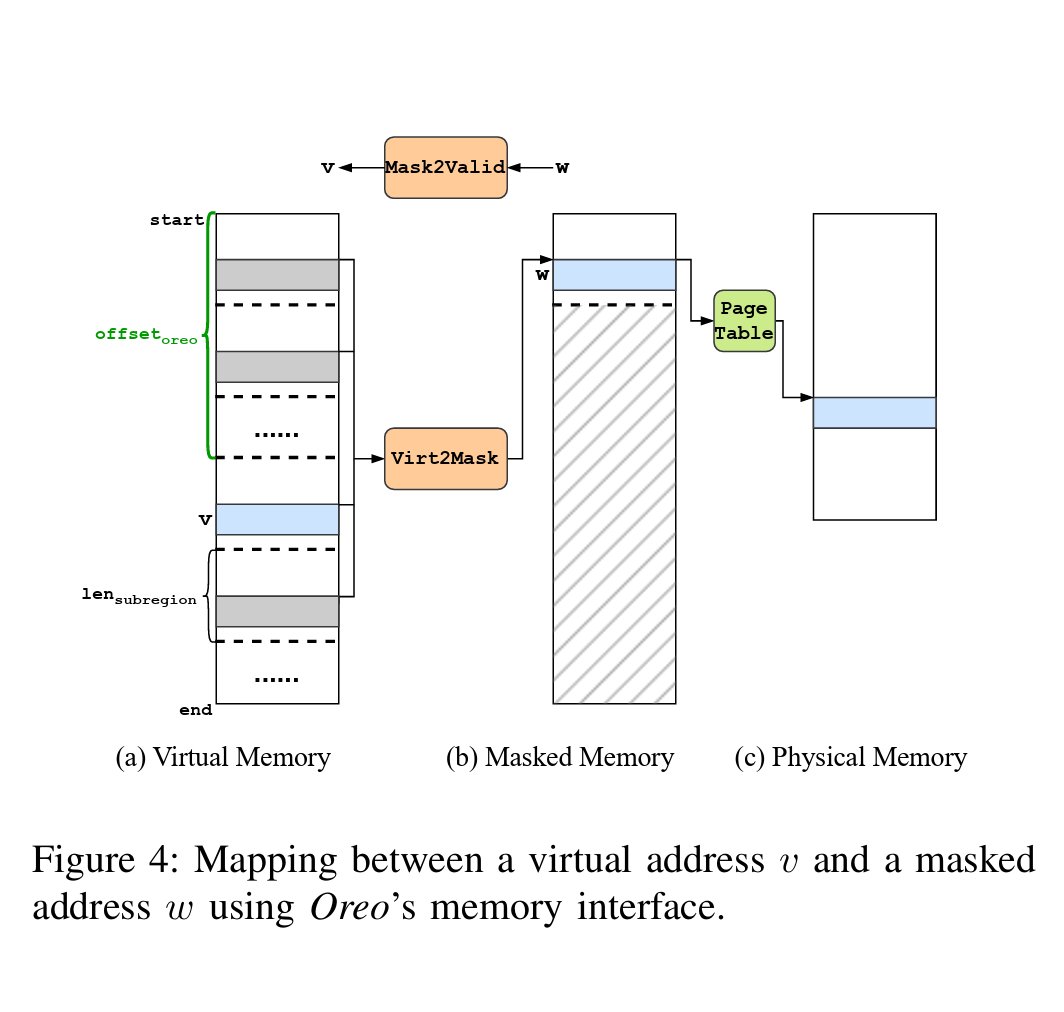
CSAIL’s Oreo Method Mitigates Address Space Attacks
By
–
CSAIL’s "Oreo" method mitigates these attacks by removing randomized bits of addresses that lead to a program’s instructions. Its "masked address space" re-maps code from these virtual addresses to fixed locations before they’re executed w/i the hardware.
-
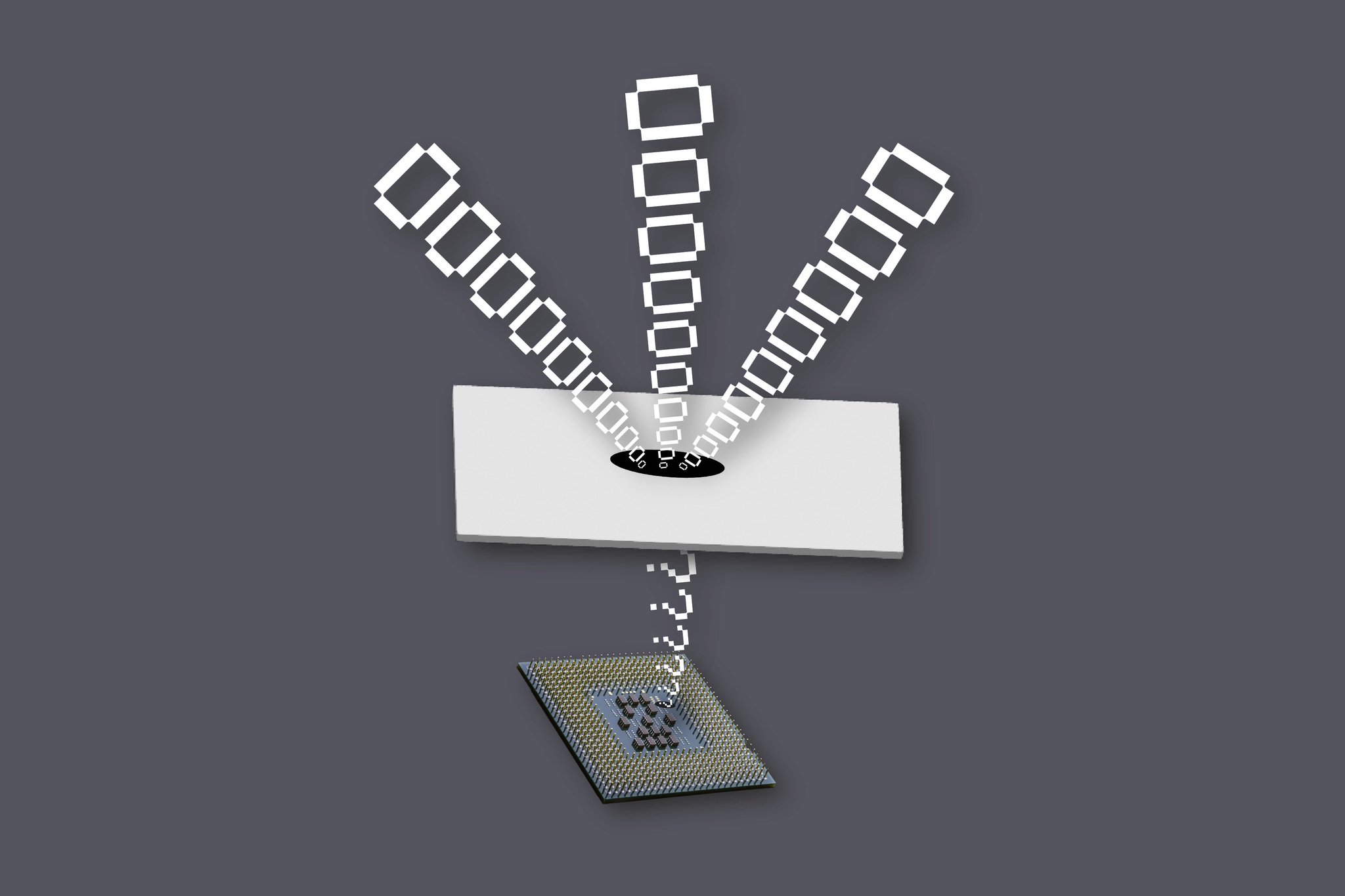
ASLR Vulnerabilities: Microarchitectural Attacks Threaten System Security
By
–
Address space layout randomization (ASLR) scatters program instructions in a computer’s memory to prevent leaking precious data. The problem: Hackers use microarchitectural side attacks to locate them. They can then use code-reuse attacks to steal passwords & alter systems — but
-
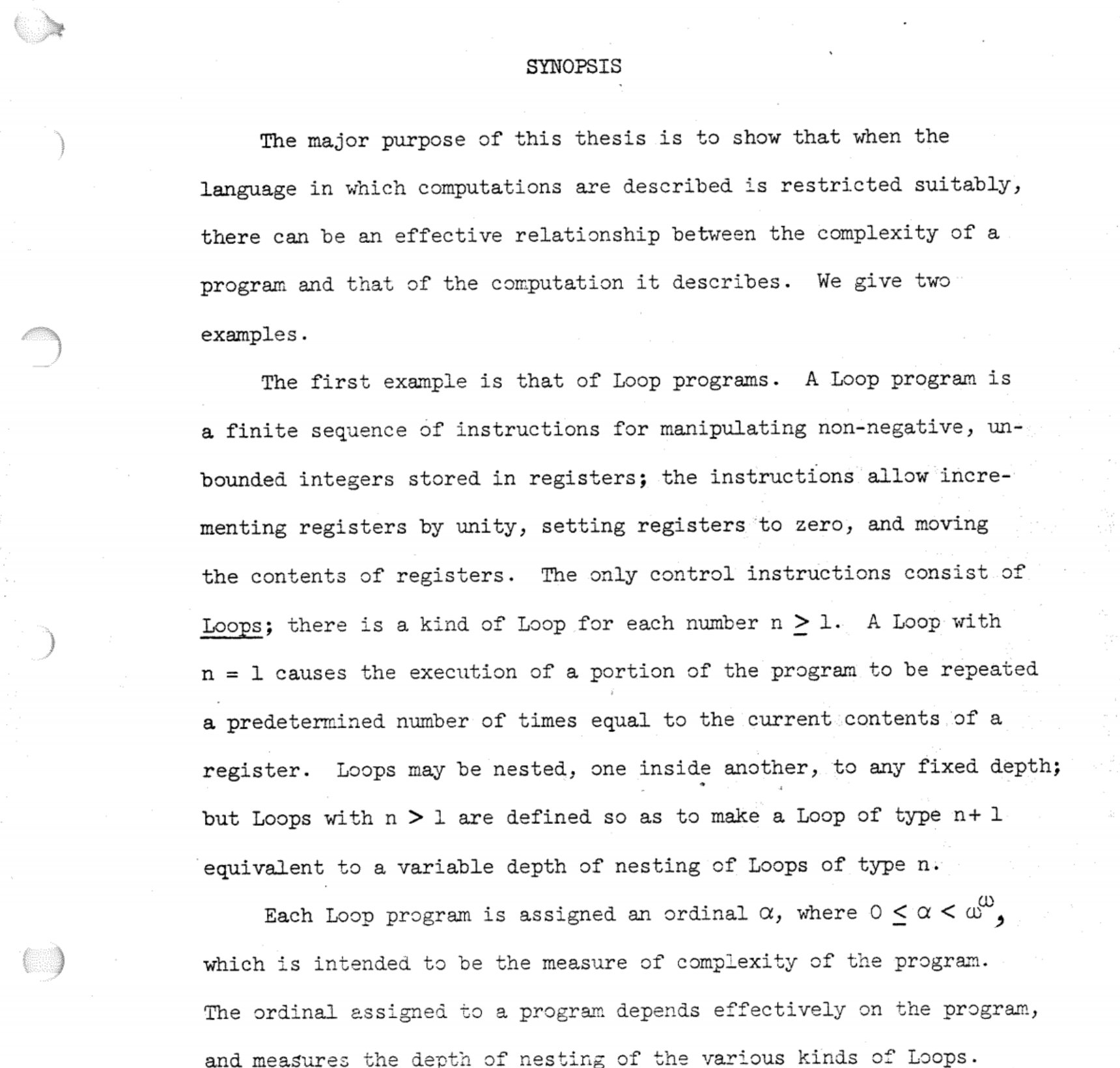
Dennis Ritchie’s Lost PhD Thesis on C and Unix
By
–
Read the lost thesis of Dennis Ritchie, creator of the C programming language & co-creator of Unix: https://
bit.ly/RitchiePhD Ritchie never got his PhD b/c he didn't want to pay Harvard the thesis binding fee. (v/
@IEEESpectrum
) -

AI Breaks Down Barriers Between Scientific Disciplines
By
–
New MIT faculty member & CSAIL principal investigator Kaiming He discusses AI’s role in lowering barriers between scientific fields & fostering collaboration across scientific disciplines. “There is no way I could ever understand high-energy physics, chemistry, or the frontier