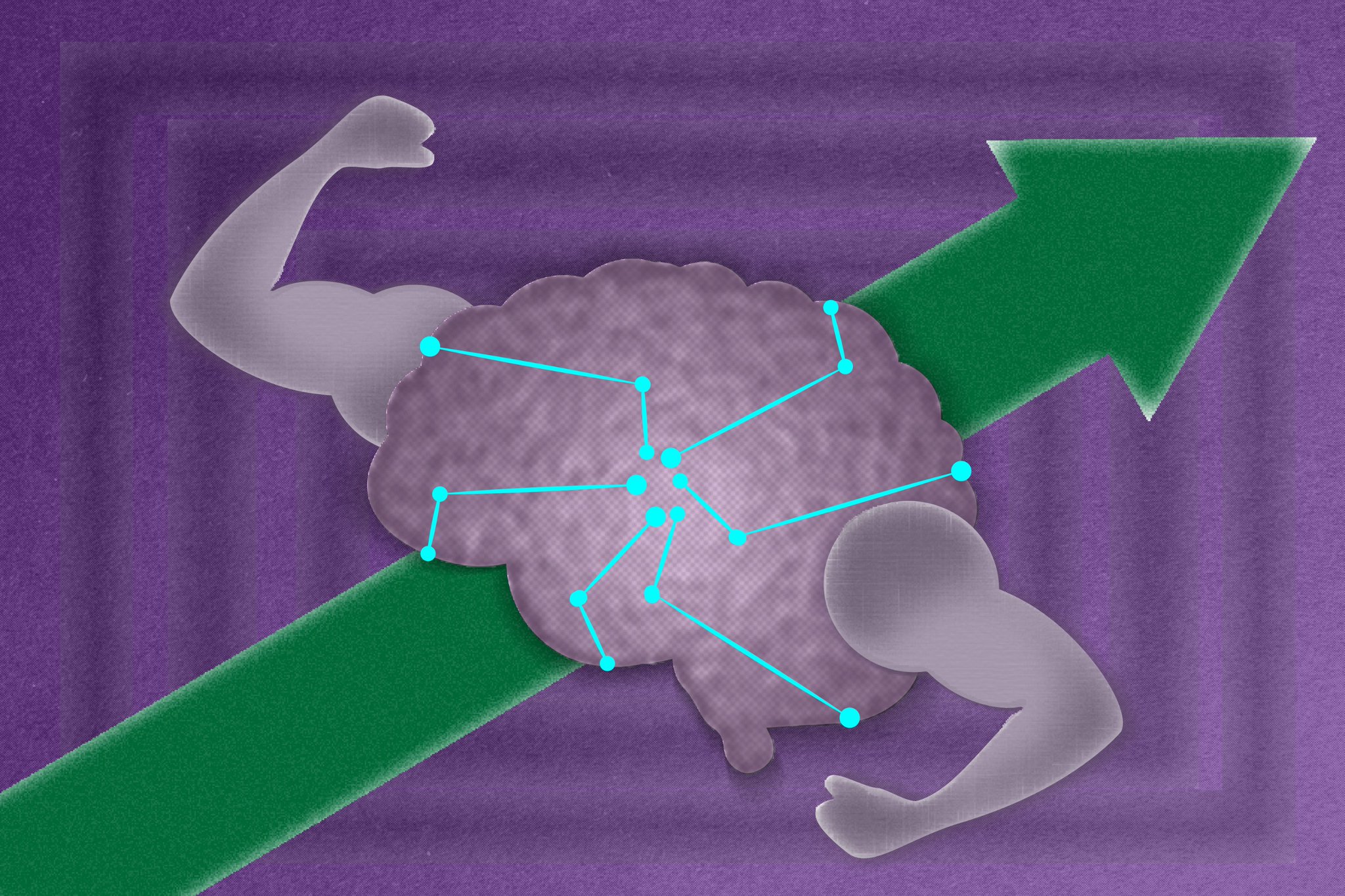
Do "untrainable" neural networks just need a helping hand to do modern tasks? MIT study reveals many "ineffective" networks may start from suboptimal starting points. CSAIL's short-term guidance method transferred structural knowledge to boost performance:
@mit_csail
-
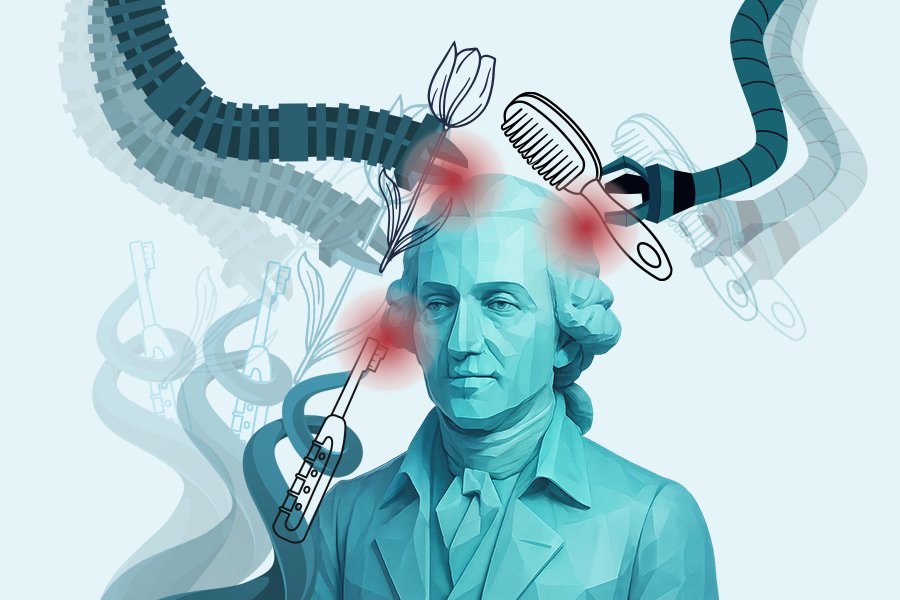
MIT Mathematics System Ensures Safe Flexible Robot Interactions
By
–
MIT system uses rigorous mathematics to ensure robots flex, adapt, & interact w/people & objects in a safe & precise way. It helps robots remain flexible & responsive w/o exceeding safe force limits: https://
bit.ly/3KynwV0 -

Major Neural Networks Overview Chart
By
–
All major neural networks, in one chart. v/The Asimov Institute
-
Underestimating Project Complexity: First Step to Failure
By
–
"The first step of any project is to grossly underestimate its complexity and difficulty." — Nicoll Hunt
-

Python Essentials for Data Visualization Guide
By
–
A breakdown of all Python essentials & how they can help you code data visualizations, v/
@TDataScience
: https://
bit.ly/494UV3M -

Matrix Types and Operations in Python Programming
By
–
Types of matrices & their operations, v/
@PythonPr
. -
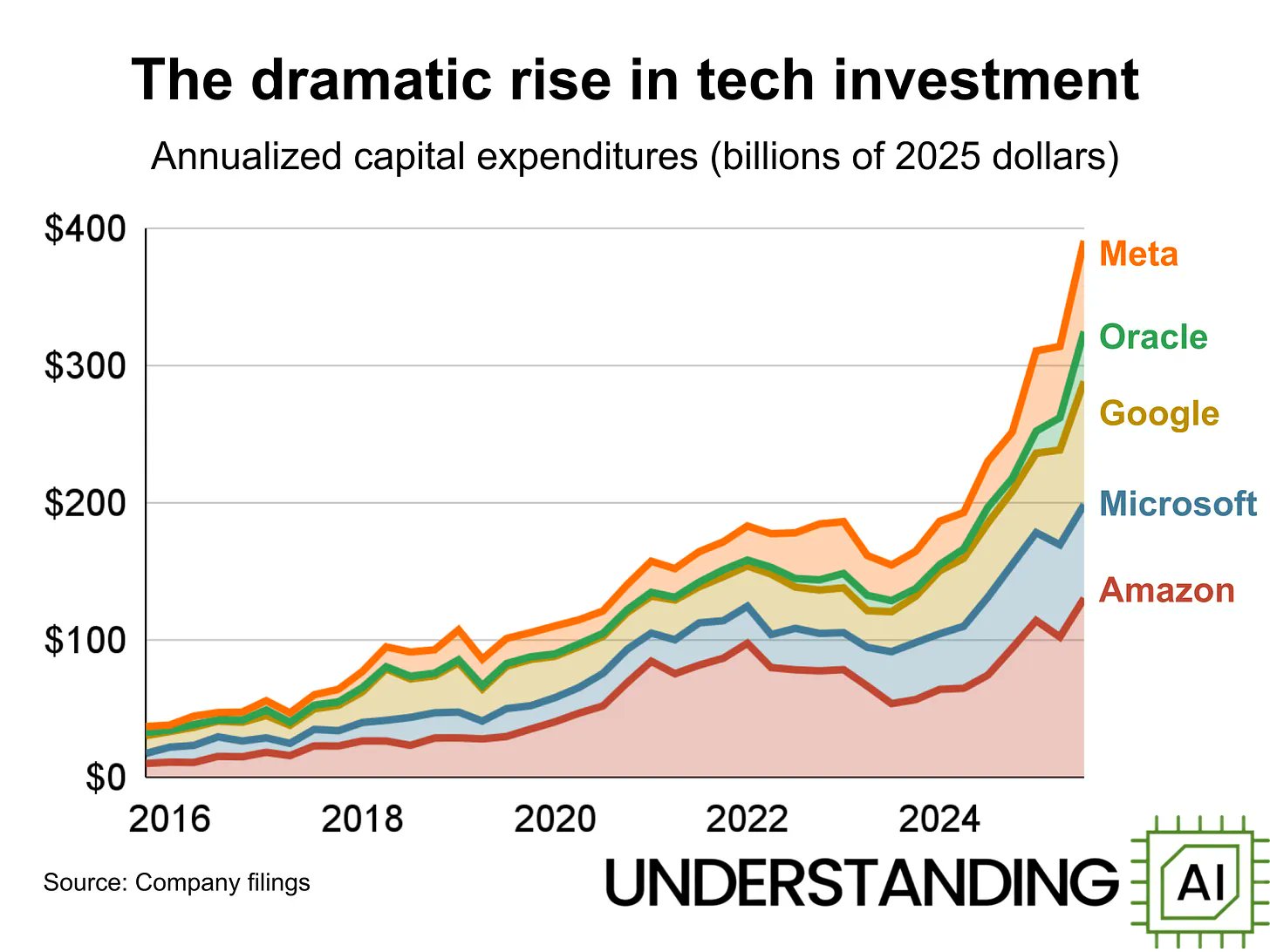
The AI boom explained through 16 comprehensive charts
By
–
The AI boom, as explained in 16 charts: https://
bit.ly/4oNR8fE -
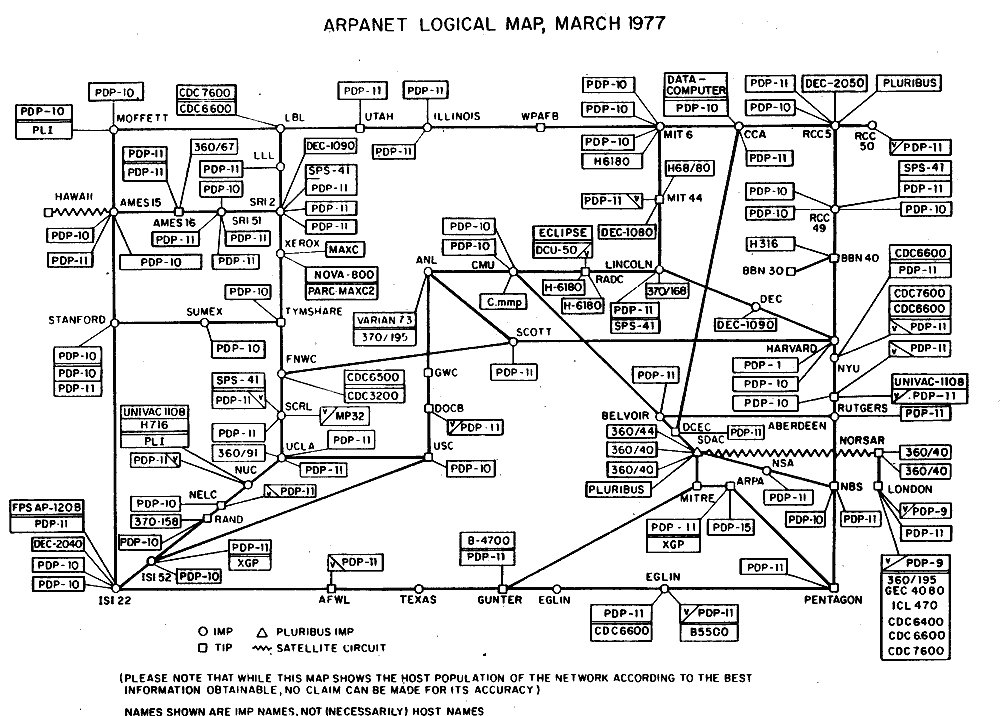
ARPANET 1977: The First Large-Scale Computer Network
By
–
A map of ARPANET back in 1977. It was the first large-scale computer network, connecting institutions like MIT & Stanford. The system was a predecessor to the Internet. v/The Computer History Museum
-
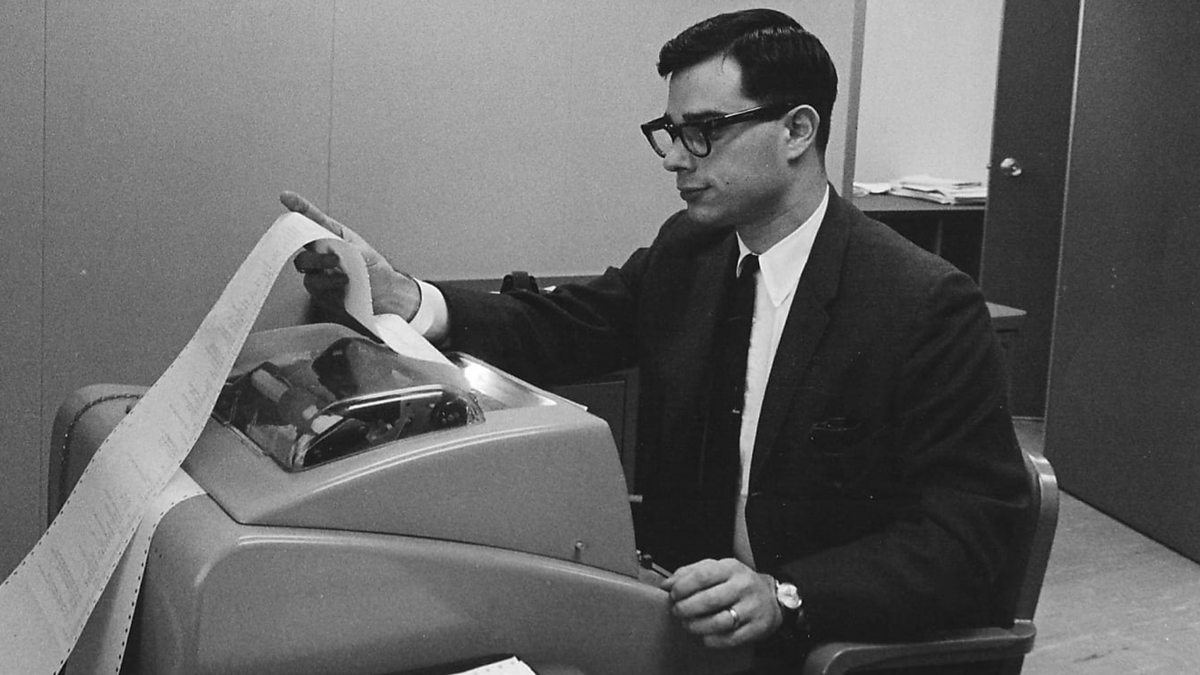
First Password Thief: Allan Scherr’s 1940 MIT Hack
By
–
The first password thief (at least, as we know it today) was born #otd in 1940. Allan Scherr was only allowed to use MIT’s time-sharing system 4 hrs/week, so he found a way to print out all the PWs and started logging in as other users. http://
bit.ly/3FYIJBG -
Fourier Transform Visualization Explained
By
–
The Fourier transform, visualized. pic.twitter.com/qZkojxlTRP
— MIT CSAIL (@MIT_CSAIL) 17 novembre 2025The Fourier transform, visualized.