Krea Video is here!
— KREA AI (@krea_ai) 9 mai 2024
this is how it works 👇
–
(sound on) pic.twitter.com/eld5RAoHdO
Krea is here! this is how it works –
(sound on)
By
–
Krea Video is here!
— KREA AI (@krea_ai) 9 mai 2024
this is how it works 👇
–
(sound on) pic.twitter.com/eld5RAoHdO
Krea is here! this is how it works –
(sound on)
By
–
Calling all designers and AI enthusiasts in SF! "AI in Design" is happening on May 20 at 1pm. if you have a cool project to showcase dm us, we'd love to chat! RSVP with the following link: https://
lu.ma/ai-design s/o to the amazing folks at @DsgnBuddies
, @skilldeck_io
By
–
and that's it! as simple as that. the next step is to take your illustrations to a canvas and play with more advanced features like Stylize.
By
–
we're building KREA as just a team of 3. if you're scrappy and passionate about the future of creative AI tools, shoot us a DM
By
–
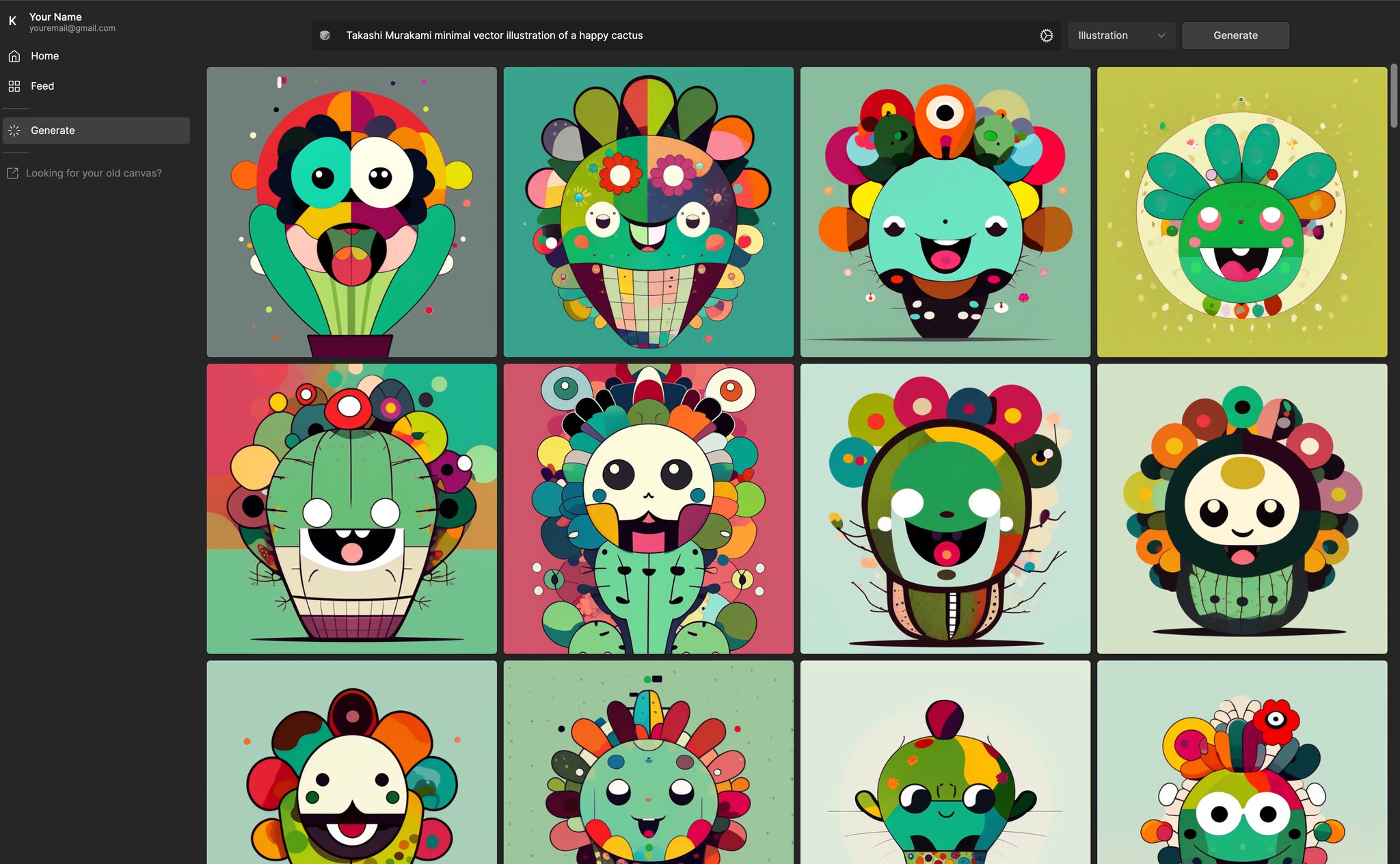
keep playing with different artistic styles!
By
–
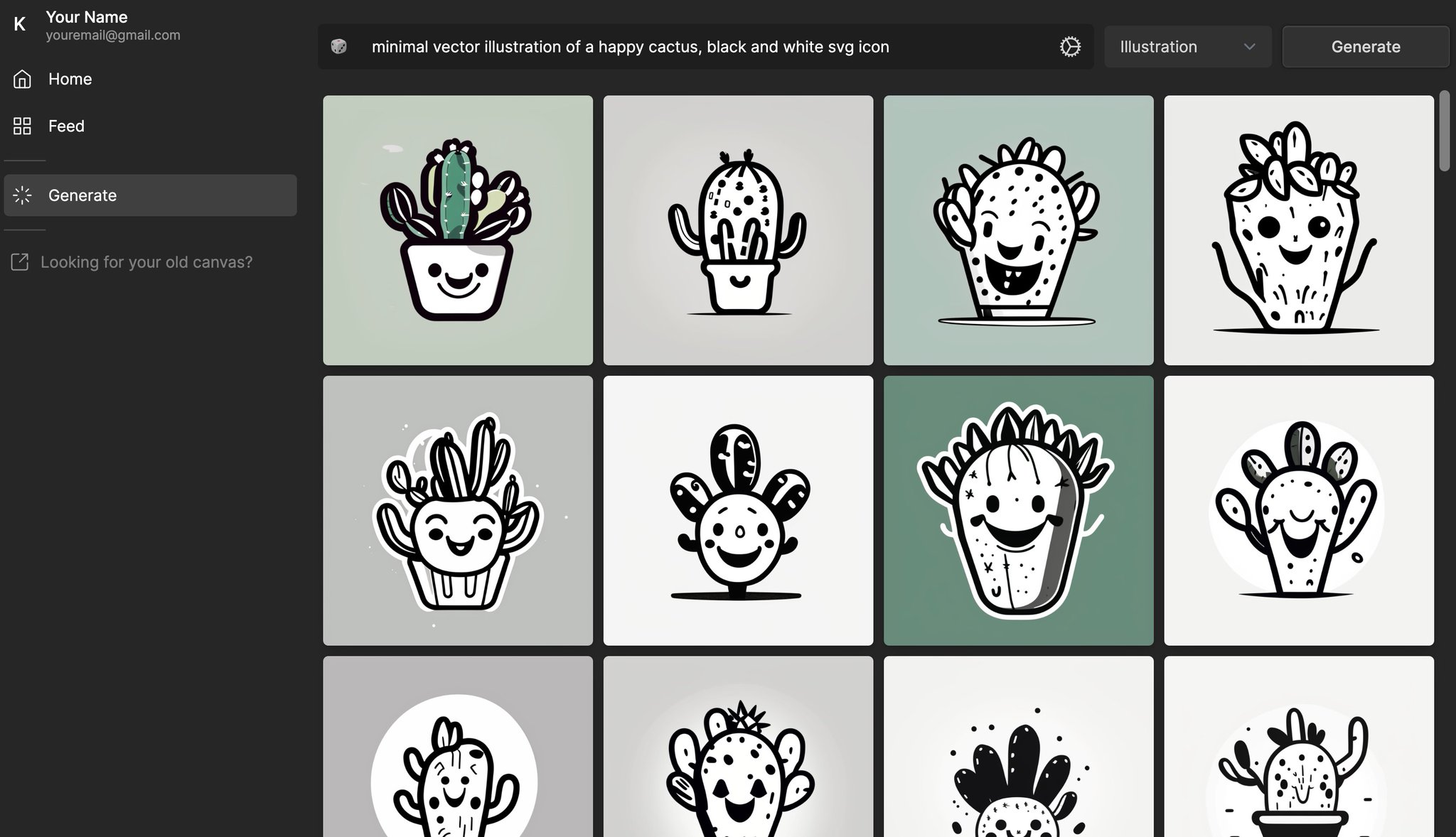
great! let's now be more concrete on our prompt. add "black and white svg icon" at the end of the previous prompt.
By
–
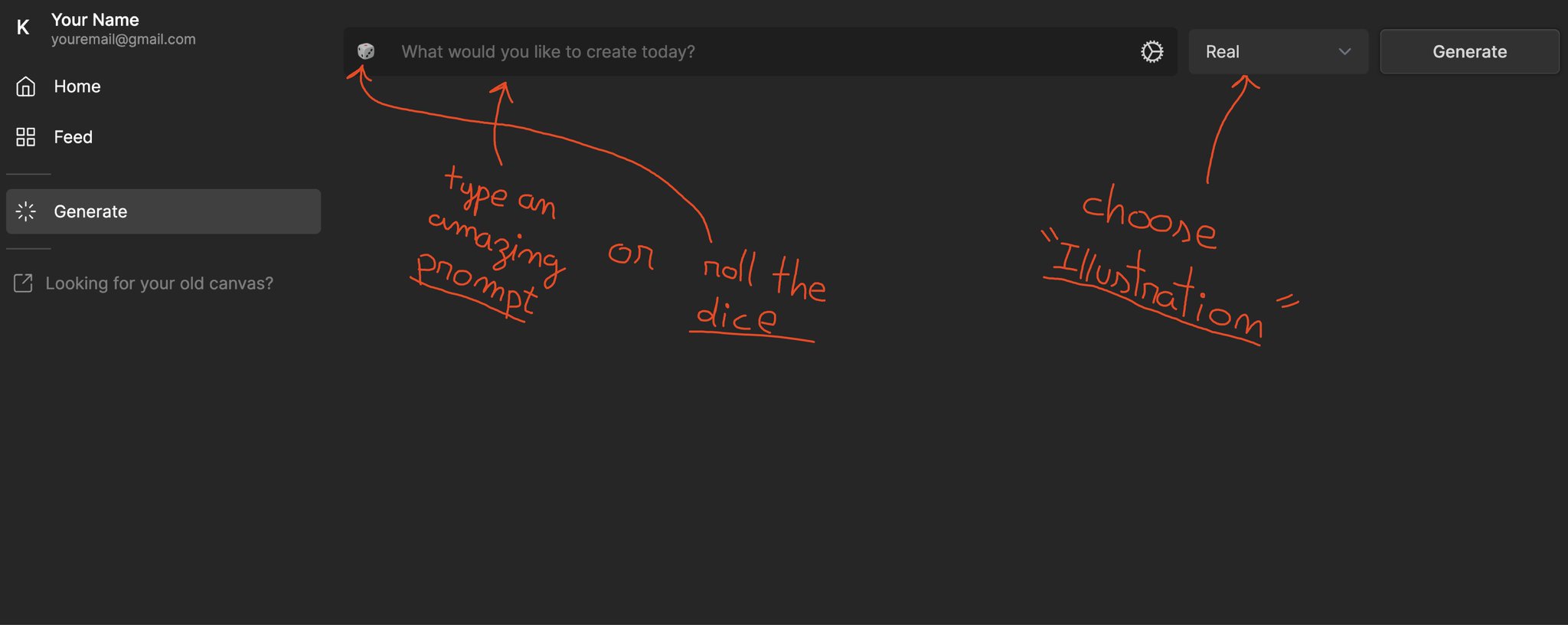
you'll see a minimal interface for generating images. you can either insert a prompt or roll the dice to get a random prompt. make sure to select the new AI engine ("Illustration").
By
–
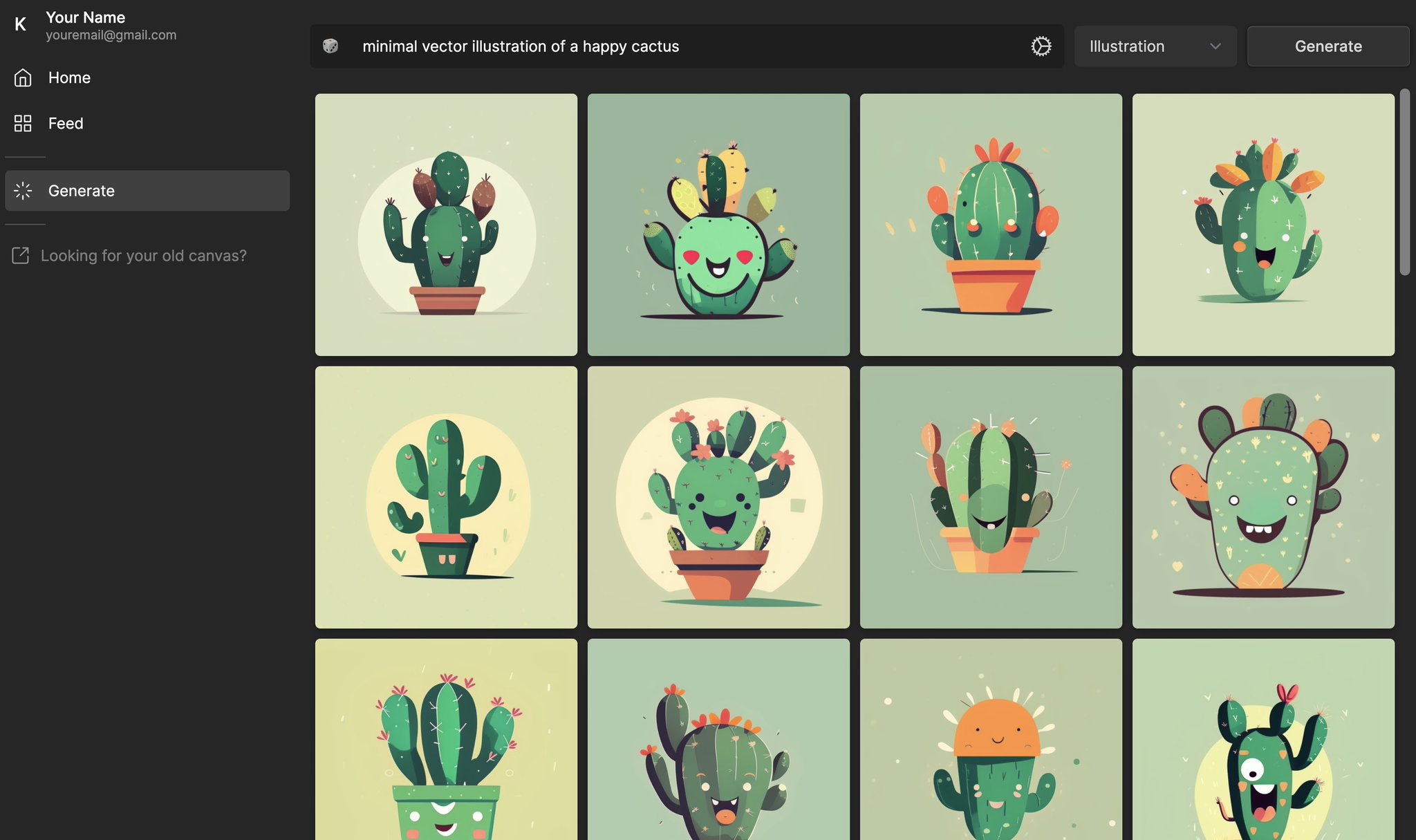
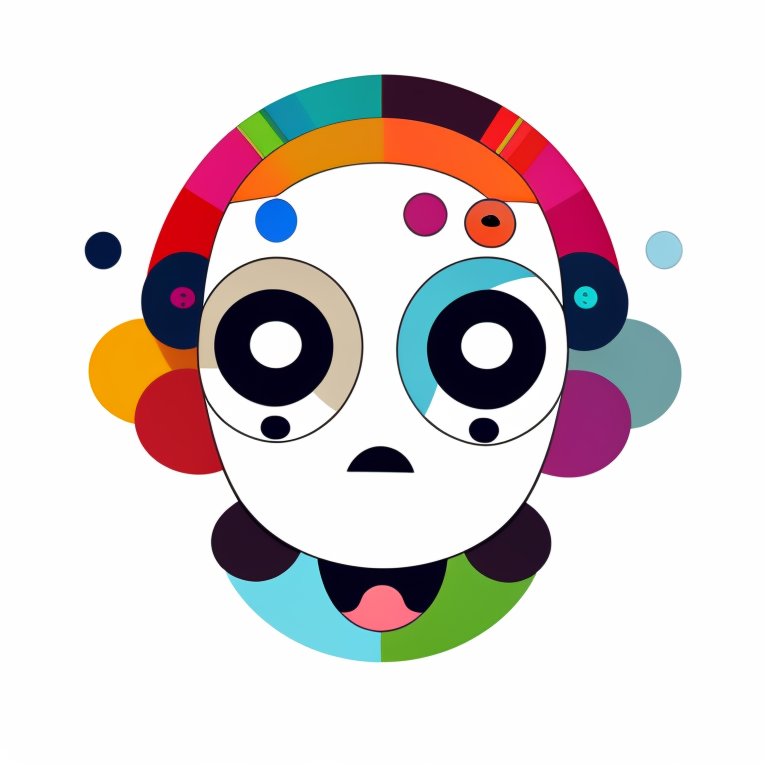
let's start with something simple: type "minimal vector illustration of a happy cactus" and click "Generate" a few times.
By
–
how to create AI generated illustrations with KREA
By
–
we just launched a new AI engine to generate illustrations! before starting, create a free account at http://
canvas.krea.ai