Very cool visual programming for agents https://t.co/U2wJ2Uxsc4
— Harrison Chase (@hwchase17) 8 septembre 2023
Very cool visual programming for agents
By
–
Very cool visual programming for agents https://t.co/U2wJ2Uxsc4
— Harrison Chase (@hwchase17) 8 septembre 2023
Very cool visual programming for agents
By
–
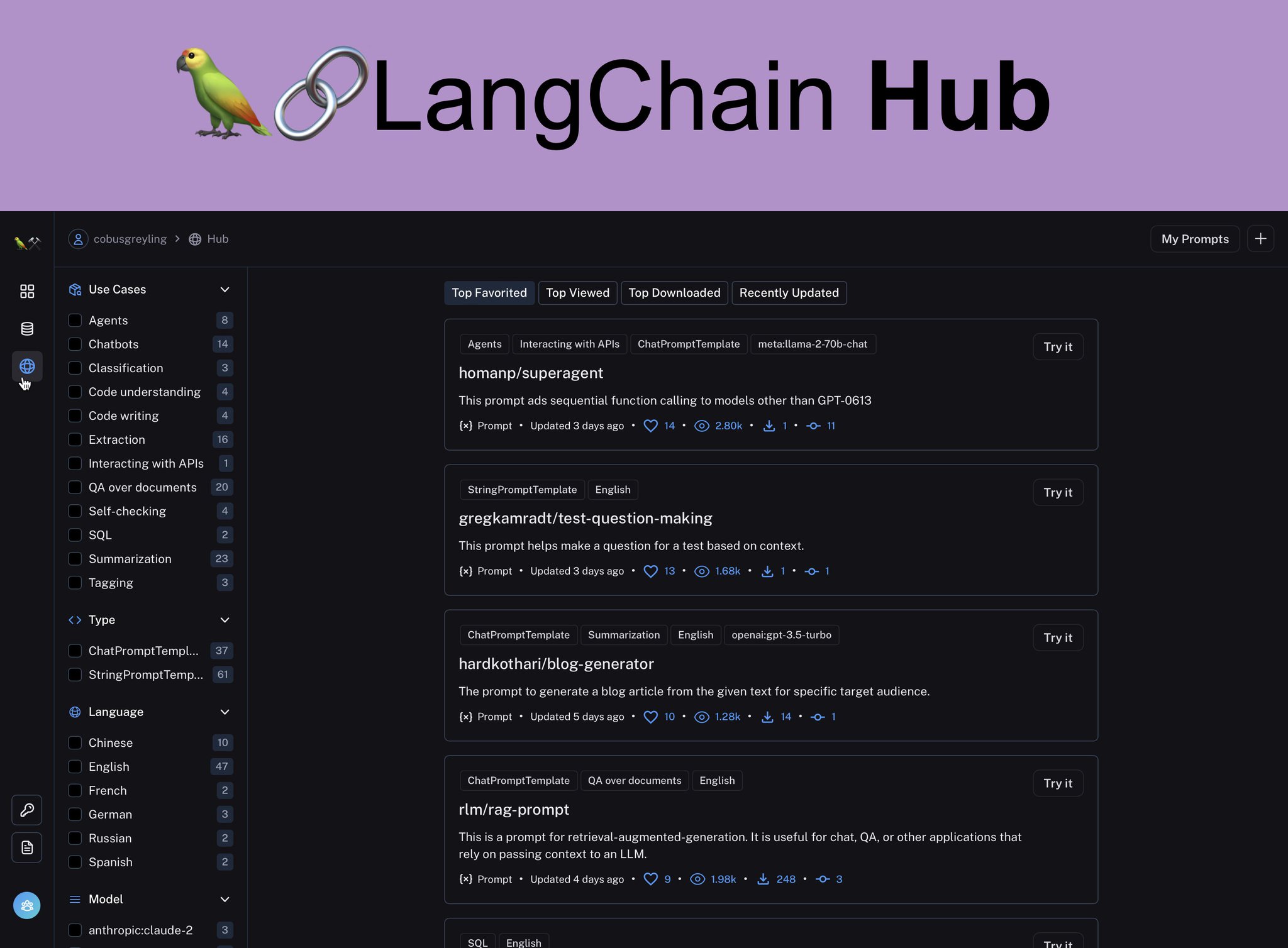
A great blog by @CobusGreylingZA on all the functionality the new langchain hub offers!
By
–
blog of the week @jobergum and Vespa are some of the smartest folks in the retrieval field So when they dogfood their own tech to build a retrieval augmented generation app on their docs… you better pay attention
By
–
Excited to be visiting Berkeley next week to chat with the AI Entrepreneurs Group! If you're on campus and want to attend – sign up here:

By
–
If you have long chains written with LangChain Expression Language, it can be really helpful to add human readable names to each component We've now got a cookbook for that!
By
–
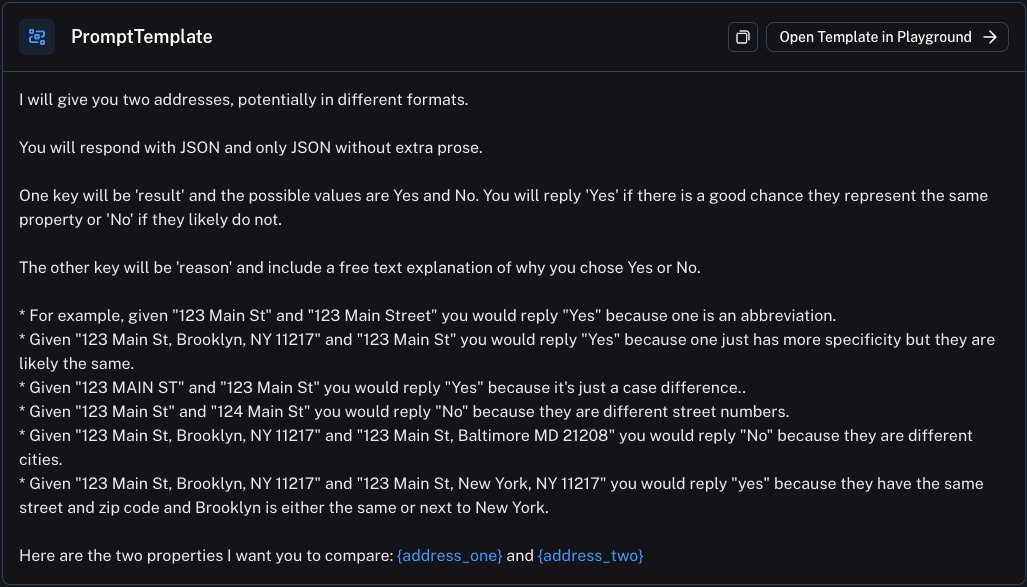
Trending on HN: prompt for comparing two mailing address. Now on LangChain Hub! Complete with instructions on how to use LangChain Hub: https://
smith.langchain.com/hub/bagatur/ad
dress-equivalence
… Original Article: https://
haihai.ai/programming-wi
th-llm/
… All credit to @benstein
By
–
Great insights to one of the more involved agent systems out there

By
–
Want to work on fun and cutting edge AI projects? Best place to do it
By
–
As RAG applications make their way to production, you need to keep vector stores in sync with data sources We introduced some methods to help with this! Mainly logic around which chunks to update/delete/insert
By
–
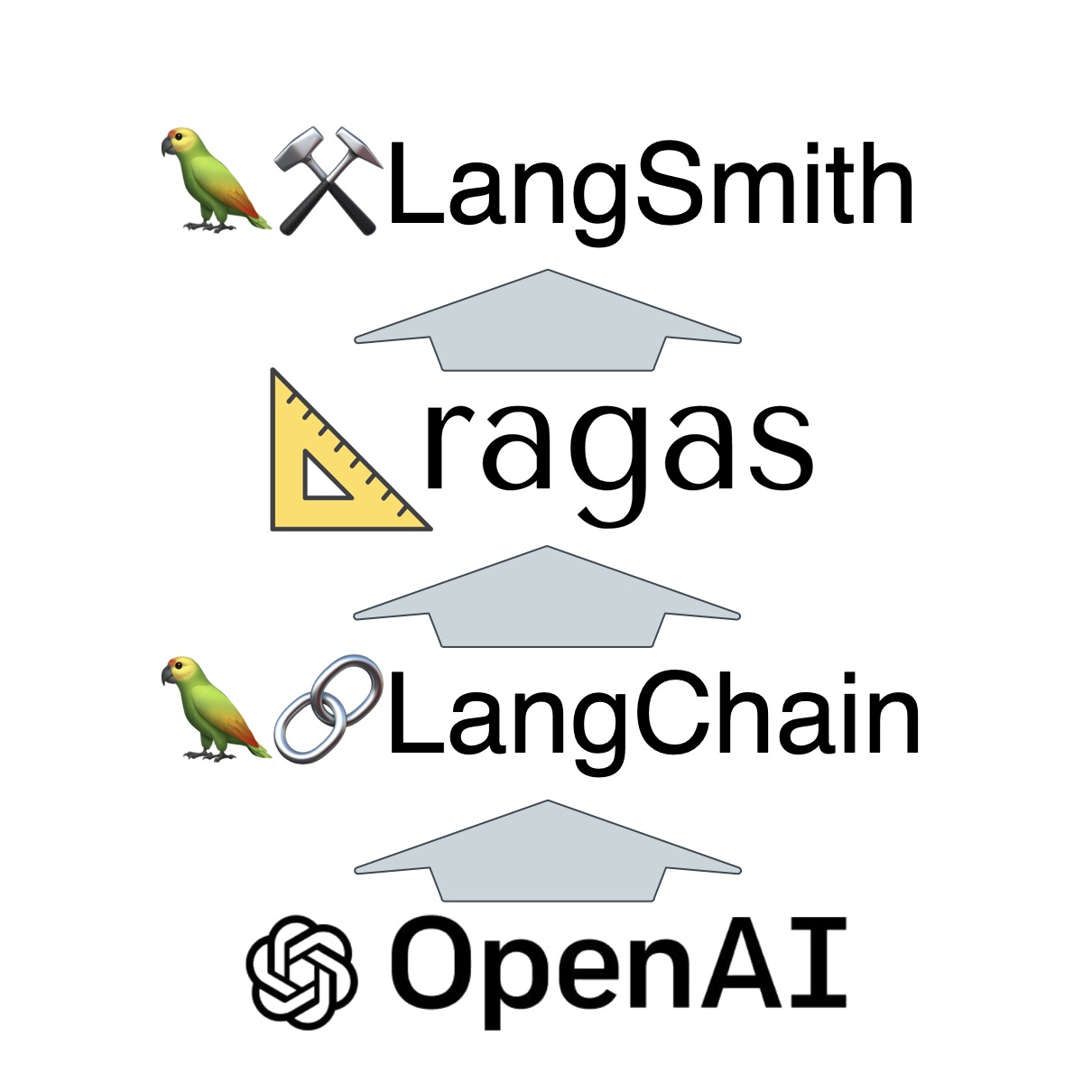
Great overview of RAGAS! We also did a webinar with them 2 weeks ago – check it out for more insights of how to evaluate RAG systems! https://
youtube.com/watch?v=fWC4Vx
olWAk
…