Machine Learning Based Prediction of Heating Values for Municipality! #BigData #Analytics #DataScience #AI #IoT #IIoT #Python #RStats #TensorFlow #JavaScript #ReactJS #CloudComputing #Serverless #DataScientist #Linux #Programming #Coding #100DaysofCode https://
geni.us/Heat-Muncipali
ty
…
@gp_pulipaka
-
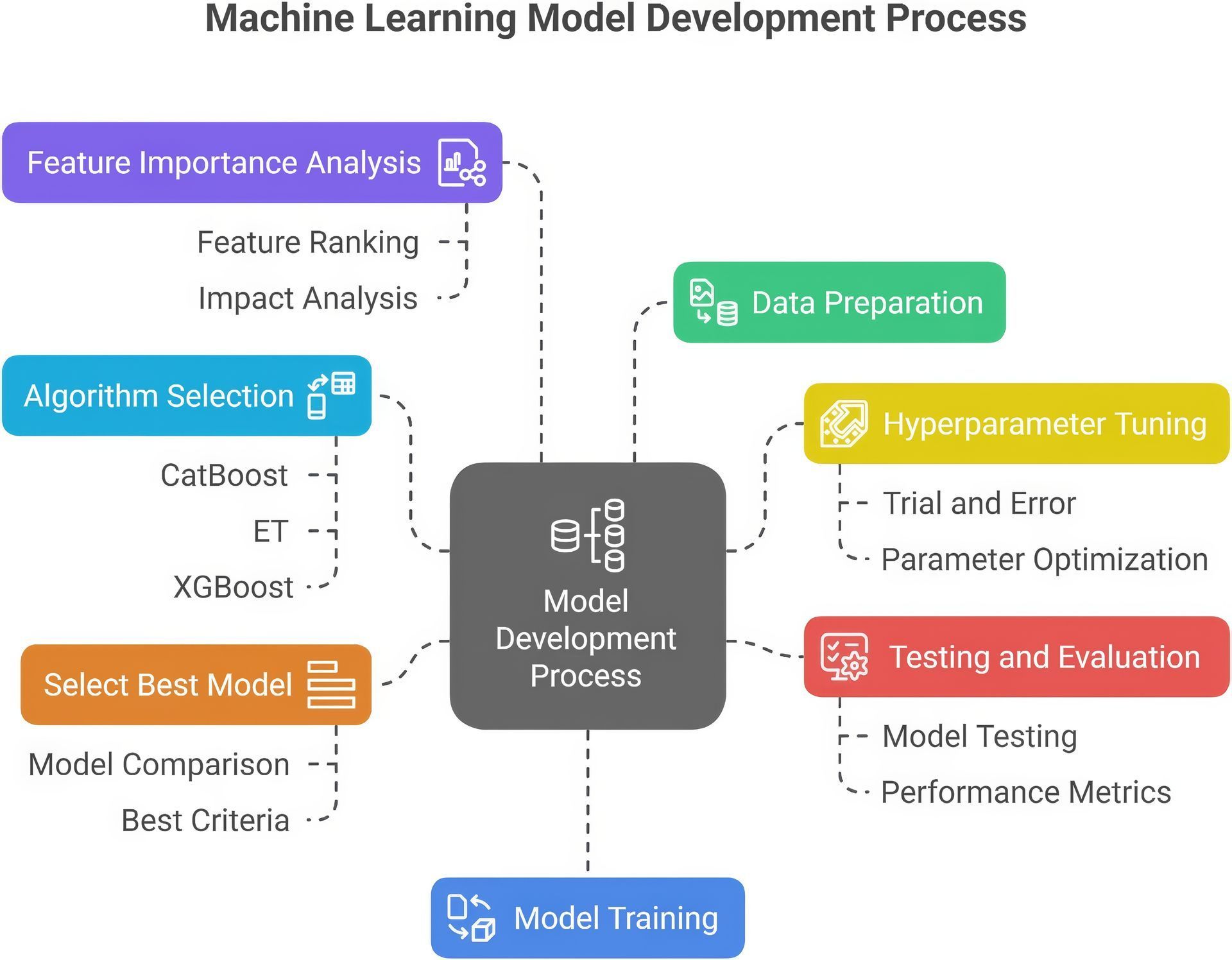
Machine Learning Predicts Heating Values for Municipality
By
–
-

Revolutionary periodic table of machine learning methods from MIT, Google, Microsoft
By
–
More than 20 machine learning methods in a revolutionary periodic table from MIT, Google, Microsoft! #BigData #Analytics #DataScience #AI #MachineLearning #NLProc #IoT #IIoT #PyTorch #Python #RStats #TensorFlow #Java #JavaScript #ReactJS #GoLang #CloudComputing
-

Run a Local LLM with OpenClaw on Your Mac Mini
By
–
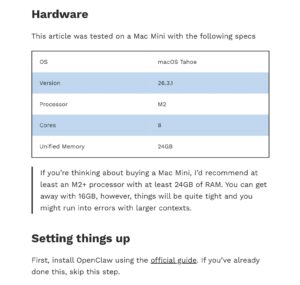
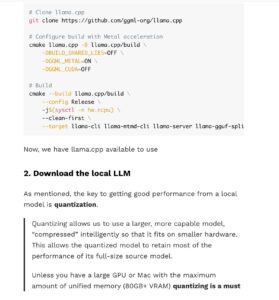

Run a Local LLM with OpenClaw on Your Mac Mini! #BigData #Analytics #DataScience #AI #MachineLearning #NLProc #LLM #IoT #IIoT #PyTorch #Python #RStats #TensorFlow #Java #JavaScript #ReactJS #GoLang #CloudComputing #Serverless #DataScientist #Linux #Programming #Coding
-

Building LLM Applications with DSPy
By
–
Building LLM Applications with DSPy! #BigData #Analytics #DataScience #AI #MachineLearning #NLProc #LLM #IoT #IIoT #PyTorch #Python #RStats #TensorFlow #Java #JavaScript #ReactJS #GoLang #CloudComputing #Books #Serverless #DataScientist #Linux #Programming #Coding #100DaysofCode
-

Cancelable Ear Recognition via Optimized Deep Feature Fusion
By
–
A Cancelable Ear Recognition System via Optimized Deep Feature Fusion! #BigData #Analytics #AI #MachineLearning #DataScience #IoT #IIoT #Python #RStats #TensorFlow #JavaScript #ReactJS #CloudComputing #Serverless #DataScientist #Linux #Programming #Coding #100DaysofCode
-
AuroraGPT: generalizable foundation-scale LLM for scientific discovery
By
–
AuroraGPT – Built by Scars of Frontline The theory is nothing. AuroraGPT advances scientific discovery by building generalizable, foundation-scale large-language models across multiple scientific domains, including physics, chemistry, mathematics, and material sciences. In a
-
Gigatron for Linear Algebra in Machine Learning
By
–
Gigatron for Linear Algebra in Machine Learning! @gp_pulipaka
! #BigData #Analytics #DataScience #AI #MachineLearning #IoT #IIoT #PyTorch #Python #RStats #TensorFlow #Java #JavaScript #ReactJS #GoLang #CloudComputing #Serverless #DataScientist #Linux #Mathematics #Programming -
AI-Powered File Reader Using RAG and LLM
By
–
RAG with LLM: Creating an AI-Powered File Reader! #BigData #Analytics #DataScience #AI #MachineLearning #NLProc #IoT #IIoT #PyTorch #Python #RStats #TensorFlow #Java #JavaScript #ReactJS #GoLang #CloudComputing #Serverless #DataScientist #Linux #Programming #Coding
-
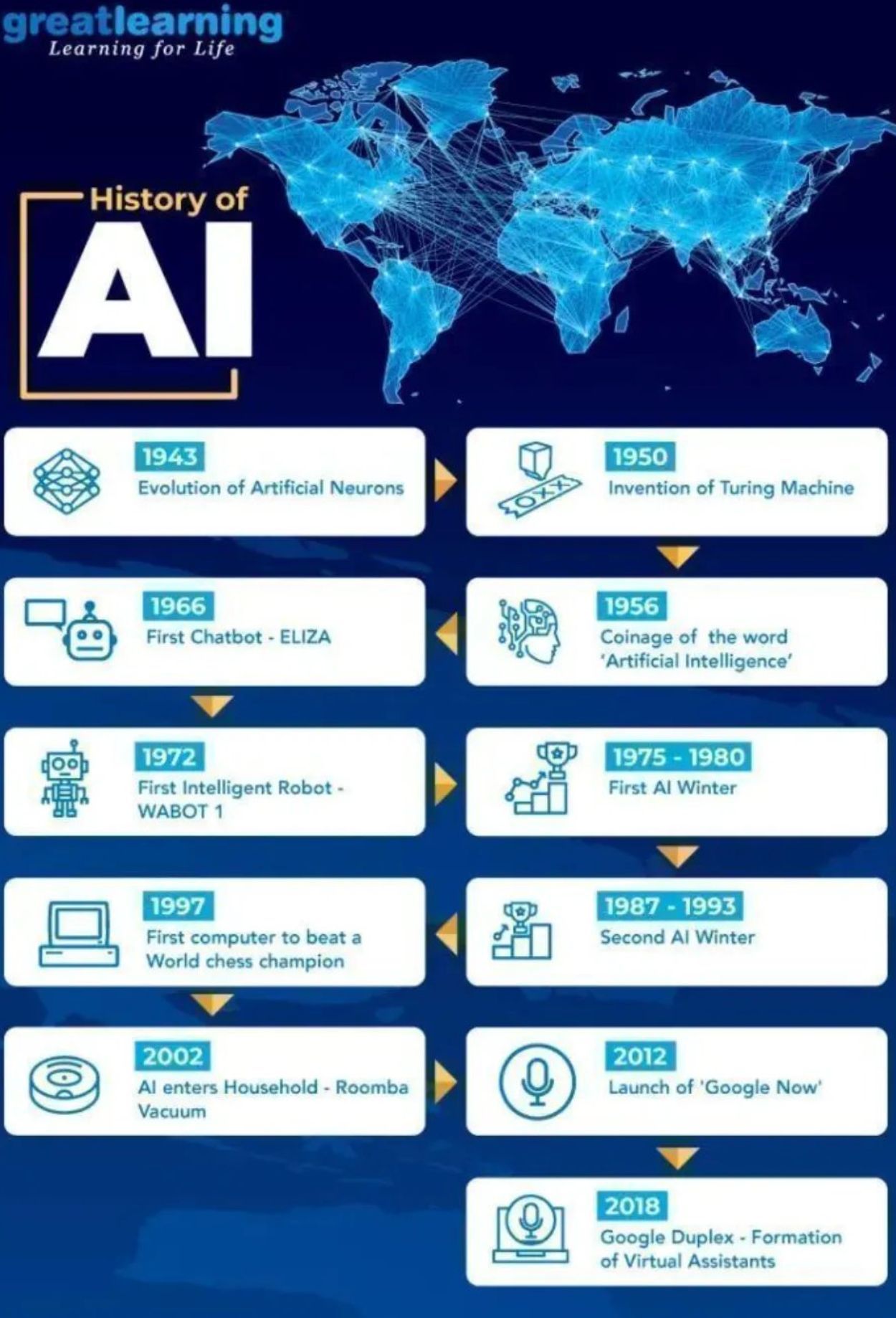
Great Learning: History of Machine Learning
By
–
Great Learning! History of Machine Learning. #BigData #Analytics #DataScience #AI #MachineLearning #IoT #IIoT #Python #RStats #TensorFlow #Java #JavaScript #ReactJS #CloudComputing #Serverless #DataScientist #Linux #Programming #Coding #100DaysofCode https://
geni.us/History-of-ML -
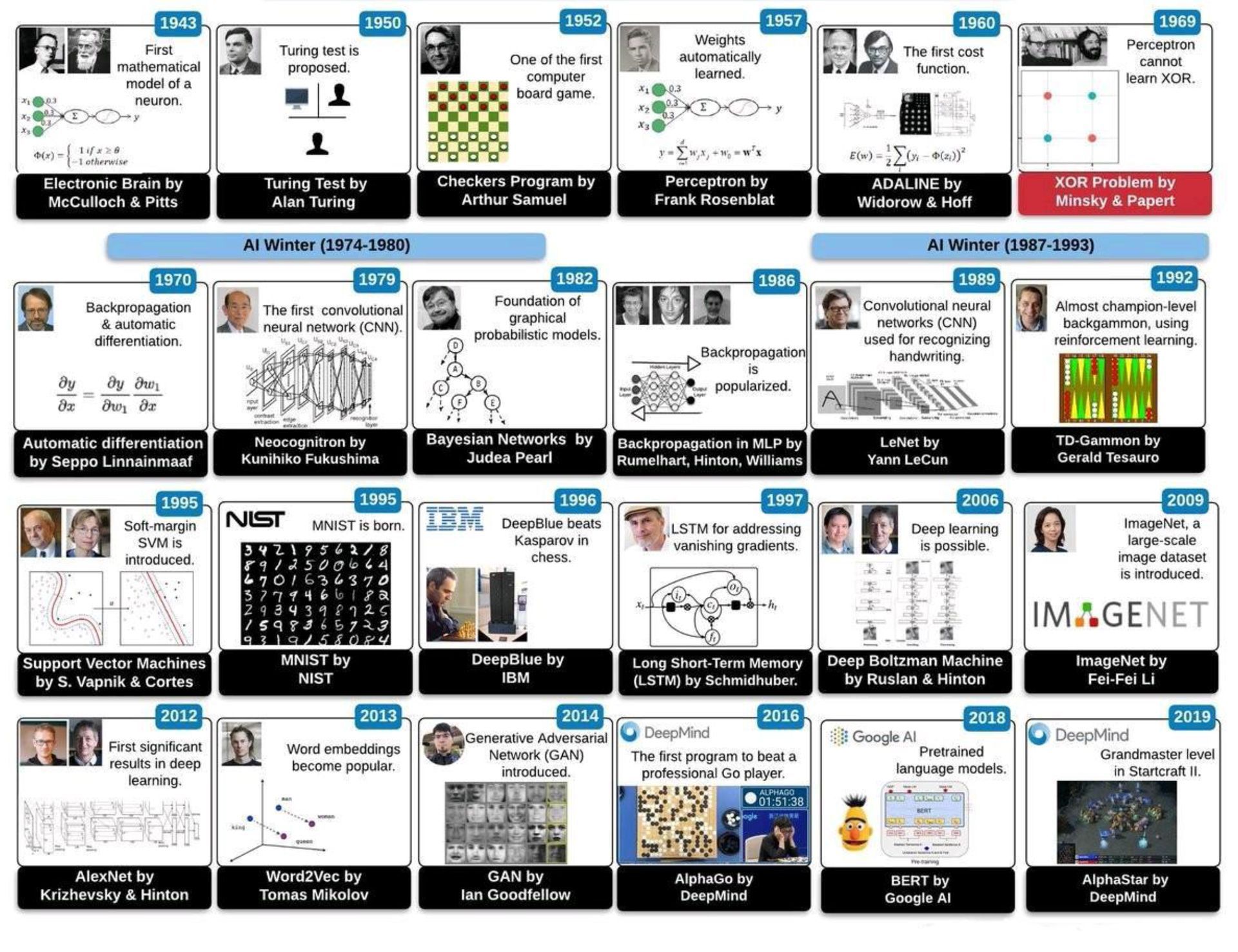
History of Artificial Intelligence
By
–
History of AI! #BigData #Analytics #DataScience #AI #IoT #IIoT #Python #RStats #TensorFlow #JavaScript #ReactJS #CloudComputing #Serverless #DataScientist #Linux #Programming #Coding #100DaysofCode https://
geni.us/History-of-A-I