Today Google Research introduces a system using Gemini models designed for high fidelity text simplification, that enhances clarity while preserving meaning, detail, & nuance — and it’s available in a new feature in the Google app for iOS, Simplify. More →
https://
goo.gle/4iM6oGn
@googleai
-
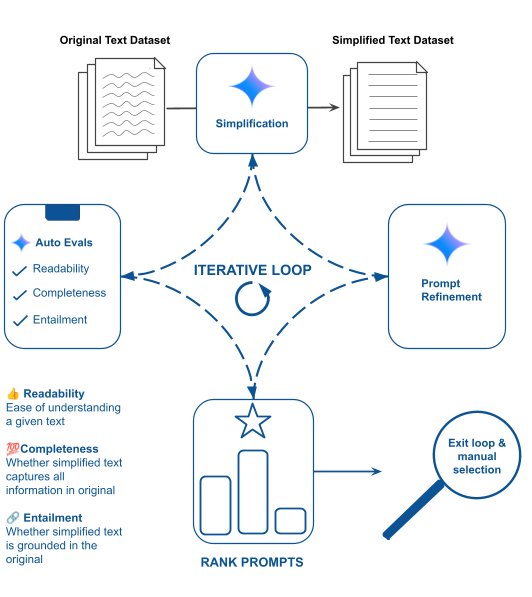
Google Introduces Gemini-Powered Text Simplification Feature
By
–
-
Amplify Initiative: Global Data Platform for Healthcare AI
By
–
To ensure AI can address key local needs, such as accessible health information, we need data that represents people globally. Learn how Amplify Initiative builds an open, community-based data platform scaling novel data collection & validation globally →https://t.co/q4XuoEcUHJ pic.twitter.com/tVSOlMhhjl
— Google AI (@GoogleAI) 2 mai 2025To ensure AI can address key local needs, such as accessible health information, we need data that represents people globally. Learn how Amplify Initiative builds an open, community-based data platform scaling novel data collection & validation globally →
https://
goo.gle/3GLeRMI -

Google Unveils Multimodal AMIE Diagnostic AI Agent
By
–
Building on Articulate Medical Intelligence Explorer — AMIE, our research diagnostic conversational AI agent — today on the blog we share a first of its kind demonstration of a multimodal conversational diagnostic AI agent, multimodal AMIE. Learn more →
https://
goo.gle/42D0QcB -
SpeechCompass wins ACM CHI Best Paper Award for accessibility
By
–
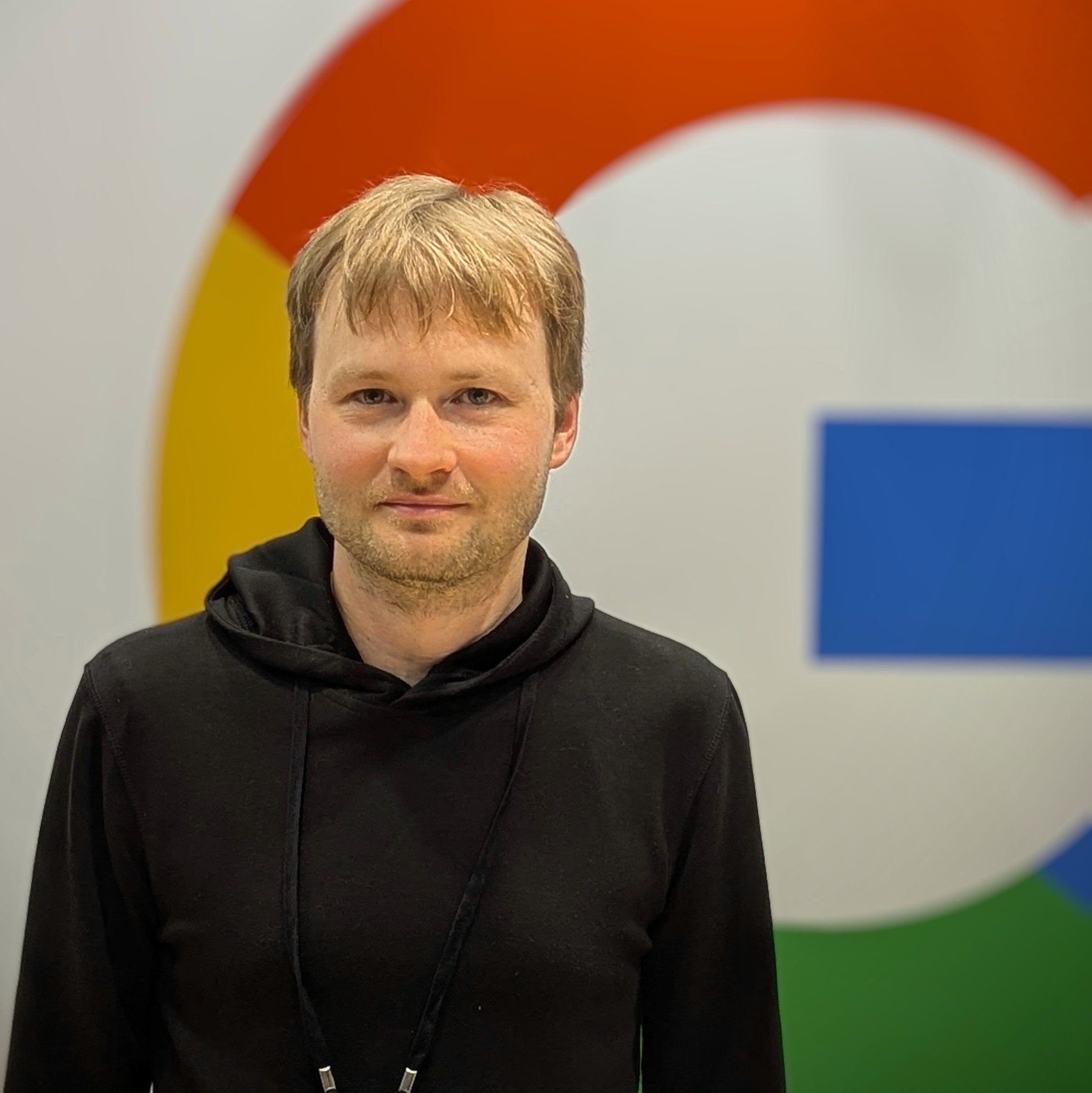
Congratulations to Artem Dementyev, Dimitri Kanevsky, Samuel J. Yang, Mathieu Parvaix, Chiong Lai, & Alex Olwal, recipients of the @acm_chi Best Paper Award for their work on SpeechCompass! #CHI2025 https://
dl.acm.org/doi/10.1145/37
06598.3713631
… -
TRINDs: LLM Dataset for Tropical Infectious Disease
By
–
Today we announce TRINDs, a dataset and benchmarking pipeline that uses synthetic personas to train and optimize performance of LLMs for tropical and infectious diseases, which are out-of-distribution for most models. Learn more →https://t.co/R1PFhQ0c8R pic.twitter.com/DwYrrf7yIo
— Google AI (@GoogleAI) 30 avril 2025Today we announce TRINDs, a dataset and benchmarking pipeline that uses synthetic personas to train and optimize performance of LLMs for tropical and infectious diseases, which are out-of-distribution for most models. Learn more →
https://
goo.gle/4cTAZR4 -
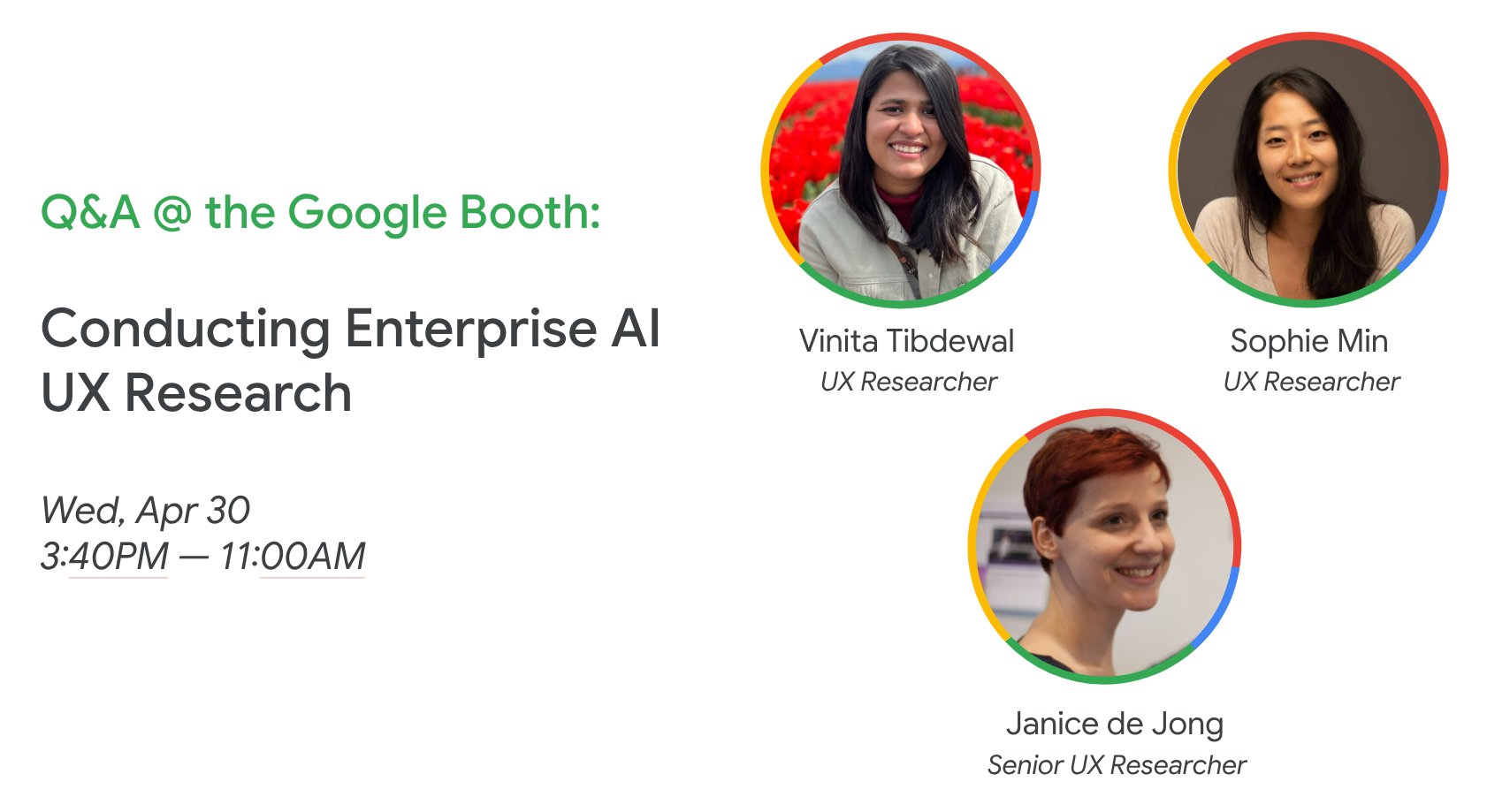
Google Research AI UX Methodologies Contact Center Agents
By
–
Join us at the #CHI2025 Google Research Booth at 3:40PM today to discuss effective AI UX research with Google Cloud Enterprise customers, methodologies & tools, and our experience researching Contact Center Agent Assist, Conversational Agents, Food Ordering AI Agents, & more.
-
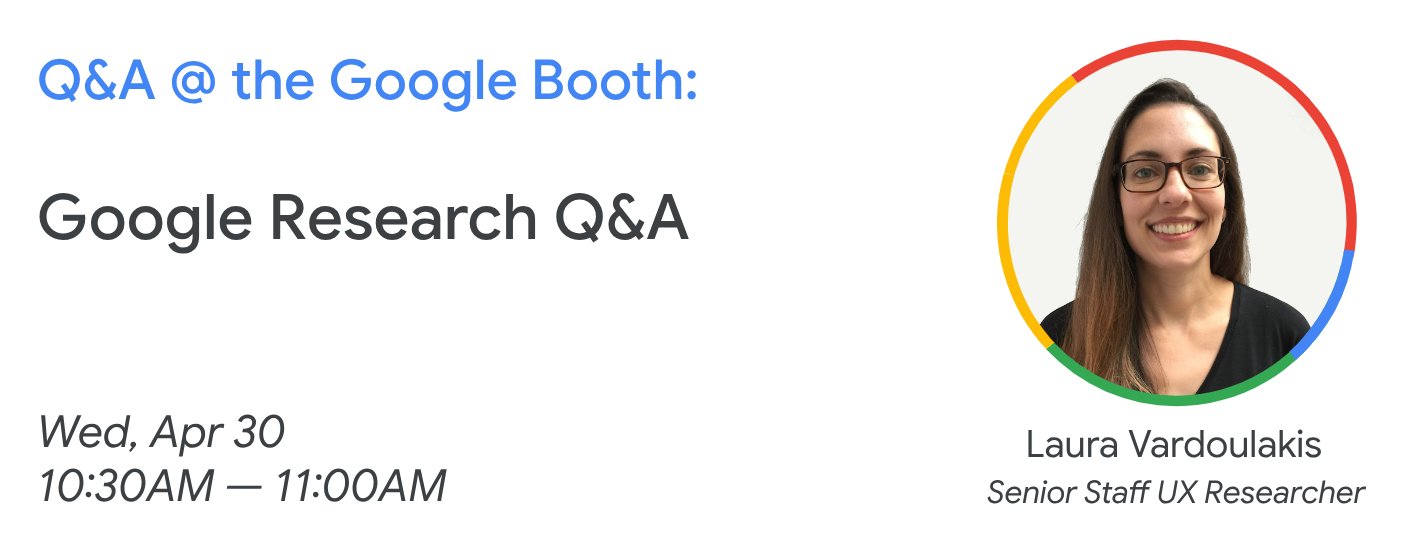
Google Research Q&A: AI for Climate, Healthcare, Education at CHI2025
By
–
Attending #CHI2025? Today at 10:30AM, Laura Vardoulakis will be at the Google booth for a Q&A about work being done across Google Research, ranging from climate & healthcare to education, society centered research, & more, all with an emphasis on UX and HCI.
-
Large Sensor Model Improves Wearable Exercise Activity Recognition
By
–
We trained our Large Sensor Model (LSM) on over 40 million hours of de-identified multimodal sensor data from 165K users to demonstrate how it could improve performance in wearable tasks like exercise and activity recognition. Here’s what we found → https://t.co/zD3Tx7ShpO pic.twitter.com/5A2auMYgpd
— Google AI (@GoogleAI) 29 avril 2025We trained our Large Sensor Model (LSM) on over 40 million hours of de-identified multimodal sensor data from 165K users to demonstrate how it could improve performance in wearable tasks like exercise and activity recognition. Here’s what we found → https://
goo.gle/4fYDQJ4 -
Google Demos Visual Blocks and InstructPipe ML Prototyping Tools
By
–
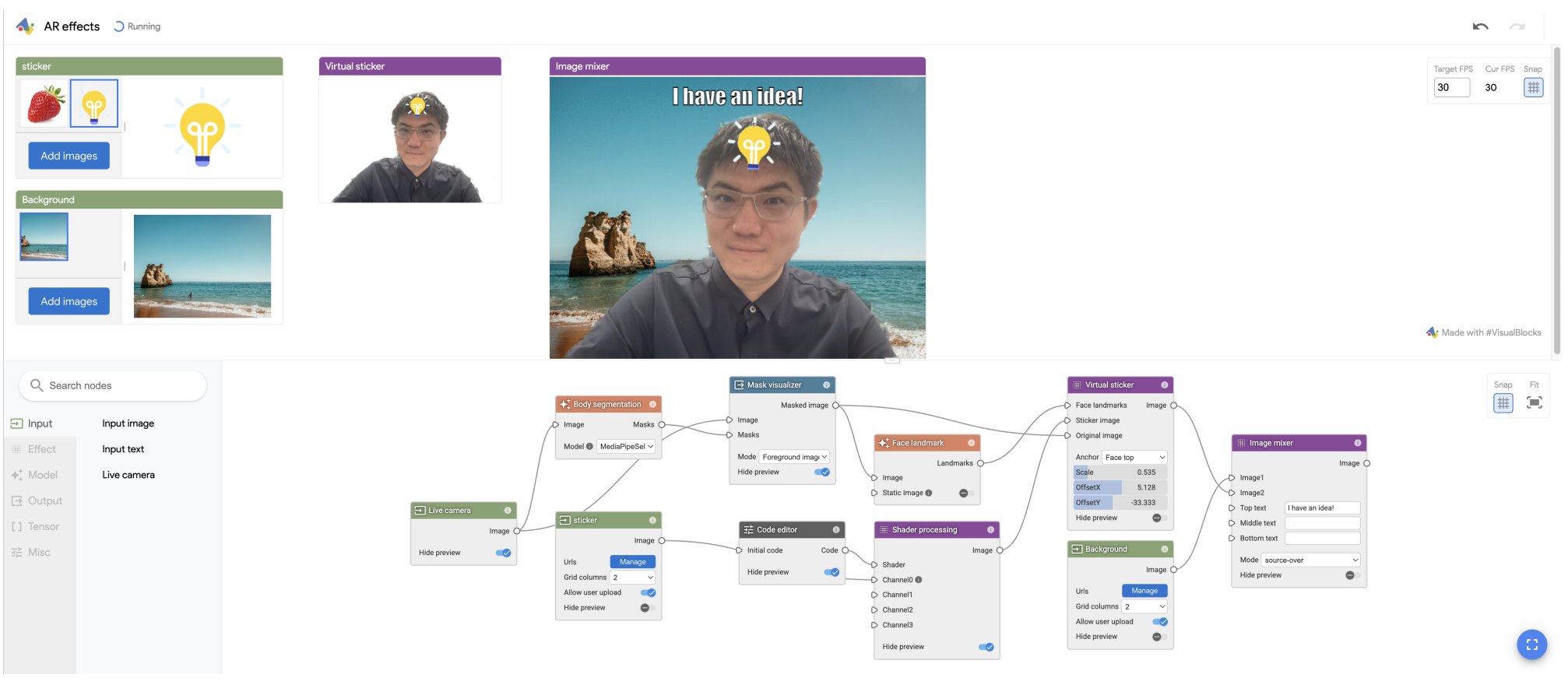
Stop by the #CHI2025 Google Booth at 3:40PM today to catch a demo of Visual Blocks, a platform for rapid prototyping of ML-based multimedia applications, & InstructPipe, a Gemini-based AI assistant for prototyping ML pipelines with text instructions. https://
visualblocks.withgoogle.com -
Mind the GAP: Reducing Cybersickness with Geometry Aware Passthrough
By
–
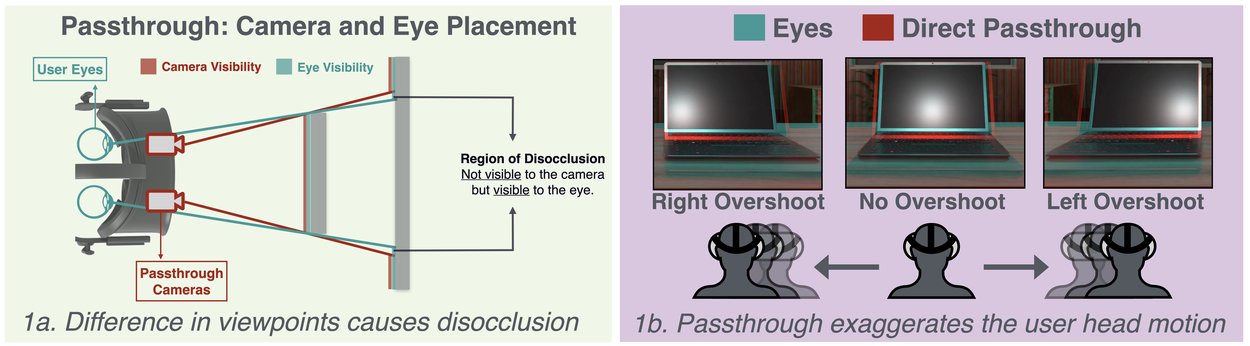
Mind the GAP is the first work to demonstrate reduced cybersickness using Geometry Aware Passthrough (GAP) through a proposed comfort assessment protocol. Visit the #CHI2025 Google booth today at 1:40PM when Francis Duan & Mohit Goyal will explain more! https://
goo.gle/42Qy72V