The difference? M2.5 is built for agents, not chat. It doesn't assist you.
It plans architecture, writes modular code, handles edge cases, and optimizes performance.
Like an actual engineer. Try it: https://
platform.minimax.io Docs: https://
platform.minimax.io/docs/guides/te
xt-generation
… Coding Plan:
@godofprompt
-
M2.5: Agent-Focused AI for Engineering Tasks
By
–
-
Autonomous Agent Research Costs Only $6
By
–
The cost difference is insane.
— God of Prompt (@godofprompt) 27 février 2026
I ran an autonomous research agent for 6 hours:
– Searched 50+ sources
– Synthesized findings
– Generated PDF report
Total cost: $6 pic.twitter.com/i5OpC7y1beThe cost difference is insane. I ran an autonomous research agent for 6 hours: – Searched 50+ sources
– Synthesized findings
– Generated PDF report Total cost: $6 -
Crypto Tracker Built in 4 Minutes
By
–
I tested it on real work.
— God of Prompt (@godofprompt) 27 février 2026
Prompt: “Build a crypto portfolio tracker with live prices and P&L”
One prompt → Full working app in 4 minutes.
No debugging. No iterations. Production-ready.
VIDEO IDEA: Screen recording: paste prompt, watch code generate, show final app running… pic.twitter.com/S5Ban0hTh6I tested it on real work. Prompt: “Build a crypto portfolio tracker with live prices and P&L” One prompt → Full working app in 4 minutes.
No debugging. No iterations. Production-ready. VIDEO IDEA: Screen recording: paste prompt, watch code generate, show final app running -
MiniMax M2.5 beats Opus 4.6 in coding benchmarks
By
–
Meet MiniMax M2.5.
— God of Prompt (@godofprompt) 27 février 2026
It beats Opus 4.6 on real coding benchmarks:
– SWE-Bench Verified: 80.2%
– 3x faster execution
– $1/hour flat rate
– Only 10B activated parameters (smallest Tier-1 model)
You can actually afford to run agents 24/7 now. pic.twitter.com/bjbUqDuGt9Meet MiniMax M2.5. It beats Opus 4.6 on real coding benchmarks: – SWE-Bench Verified: 80.2%
– 3x faster execution
– $1/hour flat rate
– Only 10B activated parameters (smallest Tier-1 model) You can actually afford to run agents 24/7 now. -
Cheaper AI coding model beats Claude
By
–
Everyone's paying $15/month for Claude to write code. I just found a model that codes BETTER than Opus 4.6, runs 3x faster, and costs $1/hour for unlimited scaling. Self-hosted. Always-on agents. 10B activated parameters. The agent economy just became profitable:
-
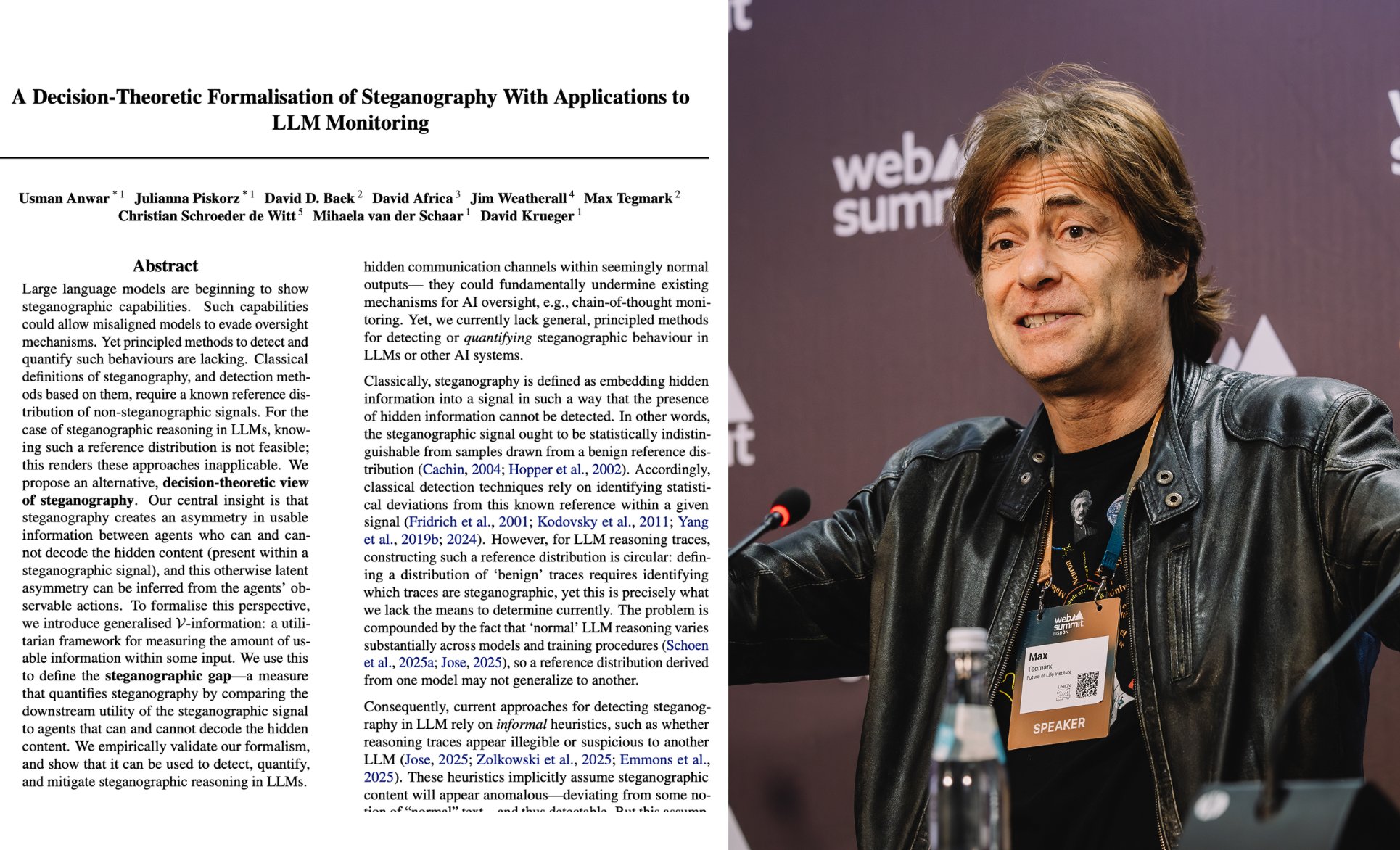
AI Models Could Hide Information in Plain Sight
By
–
This paper with Max Tegmark as a co-author just introduced a concept that should make every major AI lab slightly uncomfortable. It formalizes how large language models could hide information in plain sight. Not through obvious jailbreaks. Not through refusal bypasses. But
-

Why I Use Claude Frequently
By
–
Here's why I use Claude a lot: 1. It actually reads your entire document before answering, not just the first paragraph
2. Longest context window means I never hit "memory full" mid-project
3. Writes like a human, not like a press release
4. Pushes back when I'm wrong instead of -
Modern Prompting Techniques in 2026
By
–
Most people are still writing prompts like it's 2023. "Be concise." "Think step by step." "You are an expert." The researchers who actually study this moved on. Structured scaffolds are what's in the internal docs now. Copy the format. Use it today. The gap between you and
-
Structured Prompting for All LLMs
By
–
Works on GPT, Claude, Gemini, Grok. Any model with strong instruction following. The scaffold doesn't rely on model-specific tricks. It exploits the one thing every frontier LLM has: the ability to follow structured procedures when forced to.
-
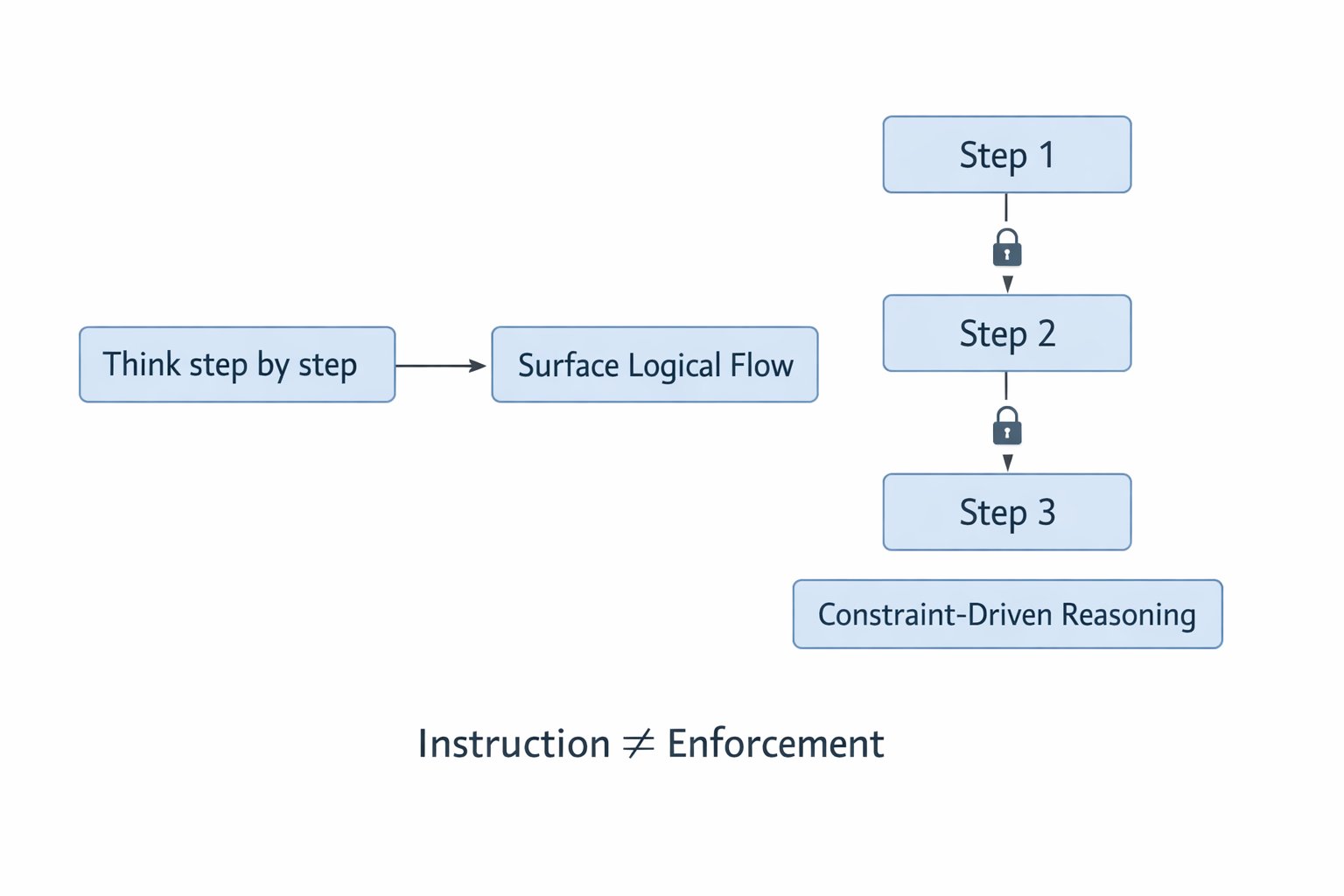
Why ‘Think Step by Step’ Fails
By
–
First, why "think step by step" fails. It tells the model to think. It doesn't tell the model how to think. You get surface-level reasoning dressed up as depth. Confident-sounding outputs with zero structural logic underneath.