
GPT-5.2 Thinking scored 100% on AIME (math without tools) Pretty good progress
@godofprompt
-

GPT-5.2 Outperforms Gemini and Claude
By
–
GPT-5.2 is here and it just outsmart Gemini and Claude in Thinking evals Benchmarks Here's everything you need to know: 1/ GPT-5.2 basically ate the entire knowledge economy. It beats or ties industry experts on 70.9% of real-world knowledge work across 44 occupations:
-
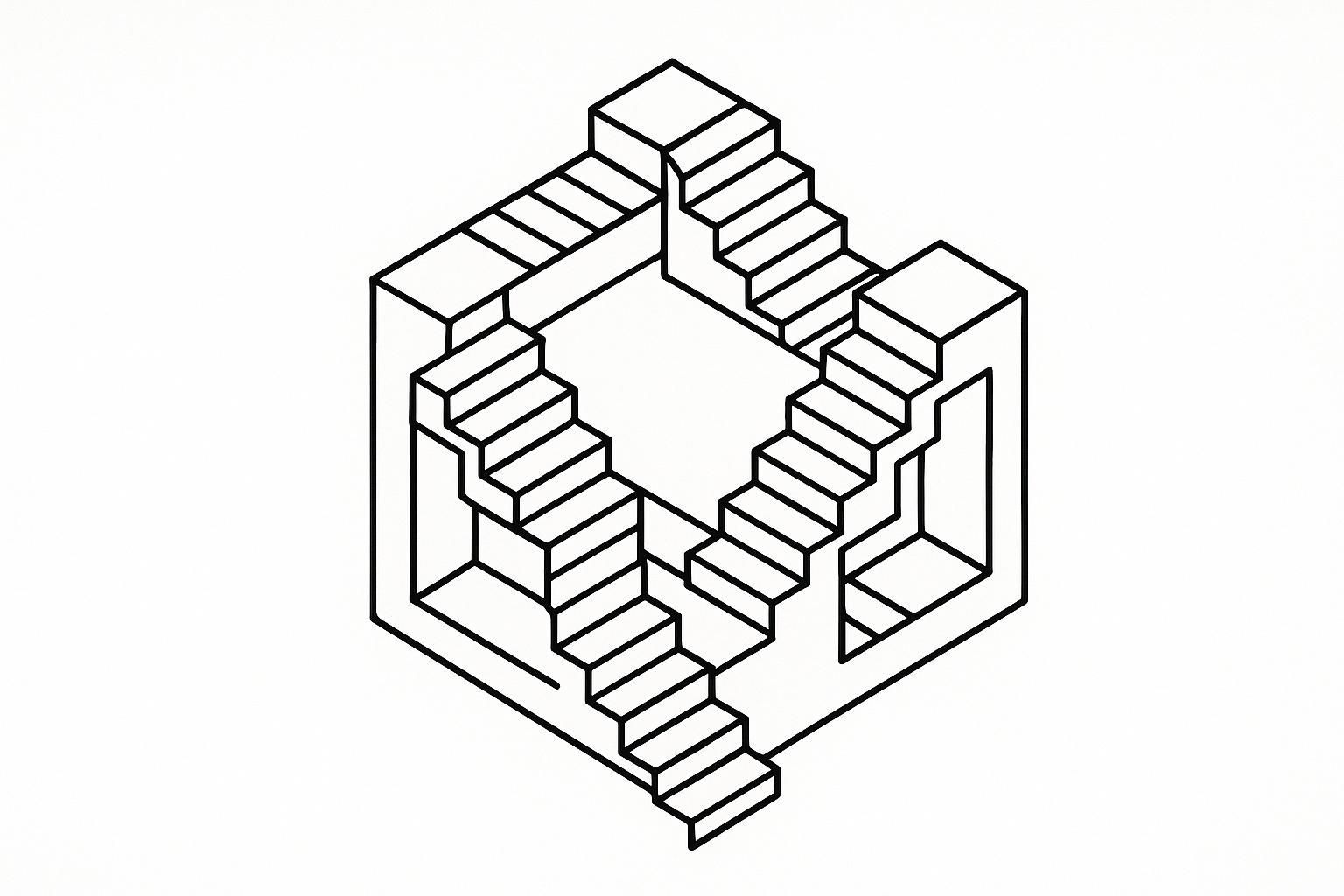
Best Practices for Scaling GPT Workflows
By
–
Best Practices for GPT Workflow Scalability Scale workflows efficiently and cost-effectively. • Optimize resources • Automate scaling • Monitor performance Click below to read more: https://
godofprompt.ai/blog/best-prac
tices-for-gpt-workflow-scalability
… -
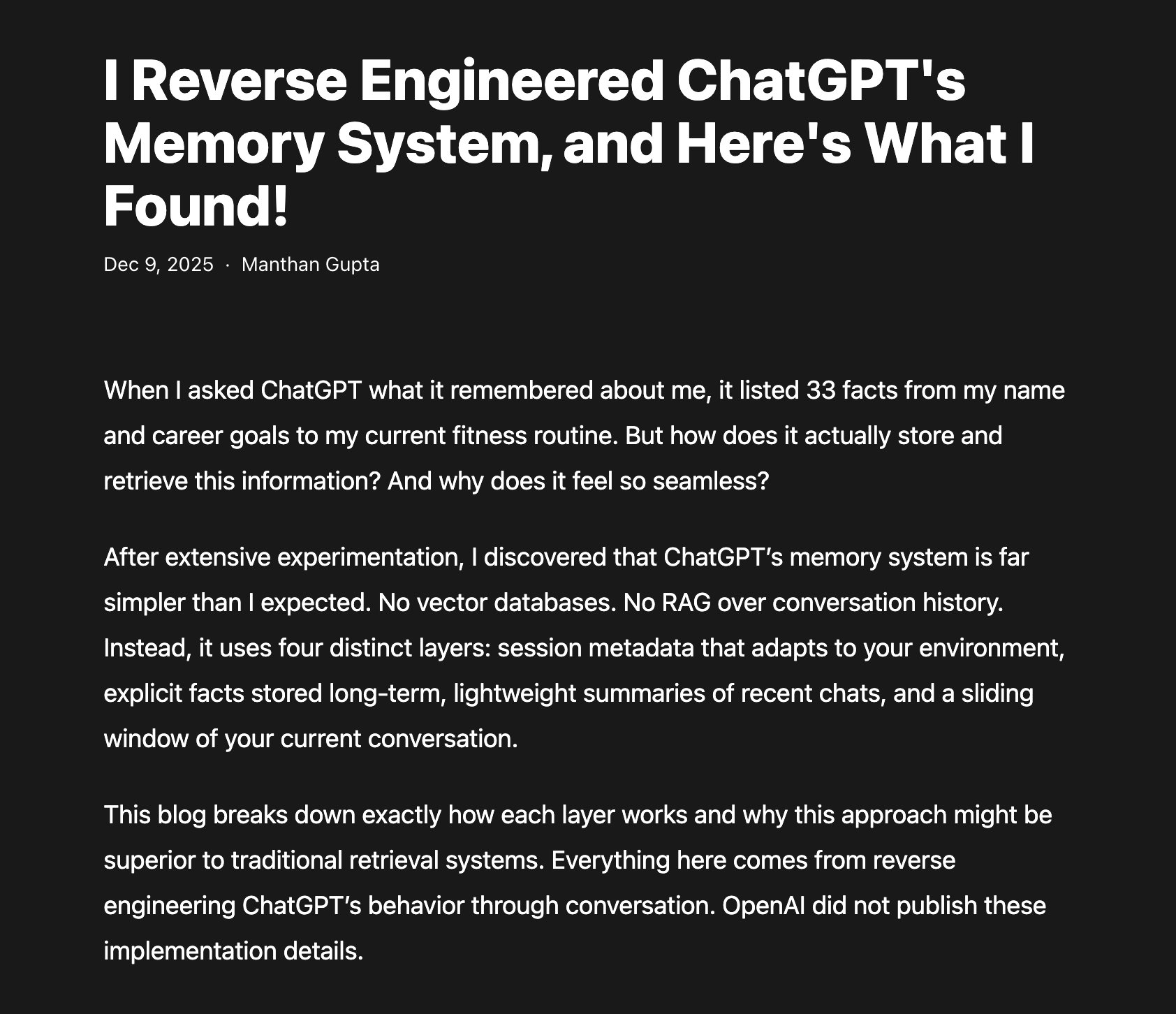
ChatGPT’s Simple Memory Architecture Revealed
By
–
Everyone assumes ChatGPT uses some sophisticated RAG system with vector databases to remember your conversations. Not really. After reverse-engineering the entire memory architecture, this developer discovered something way simpler and frankly, smarter. ChatGPT uses four
-
Structured Prompting Improves AI Outputs
By
–
Here's why these work: The pattern: these techniques all add structure AROUND the generation step. Bad prompting: "Do the thing" Engineer prompting: "Plan how you'll do the thing, do the thing, verify the thing" Models are prediction engines. Give them a better scaffold and
-
Technique 6: Chain-of-Verification
By
–
— Technique 6: Chain-of-Verification The model generates an answer and then immediately verifies it against the stated requirements. Self-correction catches over 60% of errors that would otherwise slip through. Template: [Your request] After generating, verify your output against these criteria:
1. -
Specification-Driven Generation Technique
By
–
Technique 5: Specification-Driven Generation Engineers write a spec first, get model agreement, THEN generate. This separates "what to build" from "how to build it" and catches misalignment early. Template: First, write a specification for [task] including:
– Inputs and their -
Technique 4: Differential Prompting
By
–
Technique 4: Differential Prompting
— God of Prompt (@godofprompt) 10 décembre 2025
Engineers don't ask for one output. They ask for two versions optimized for different criteria, then pick or merge. This exploits the model's ability to hold multiple solution strategies.
Template:
Generate two versions of [output]:
Version… pic.twitter.com/yHkRJkECqf— Technique 4: Differential Prompting Engineers don’t ask for a single output. Instead, they request two versions optimized for different criteria, then select or merge them. This approach leverages the model’s ability to explore multiple solution strategies. Template: Generate two versions of [output]: Version 1:
—
[Content optimized for criterion A] Version 2:
—
[Content optimized for criterion B] -
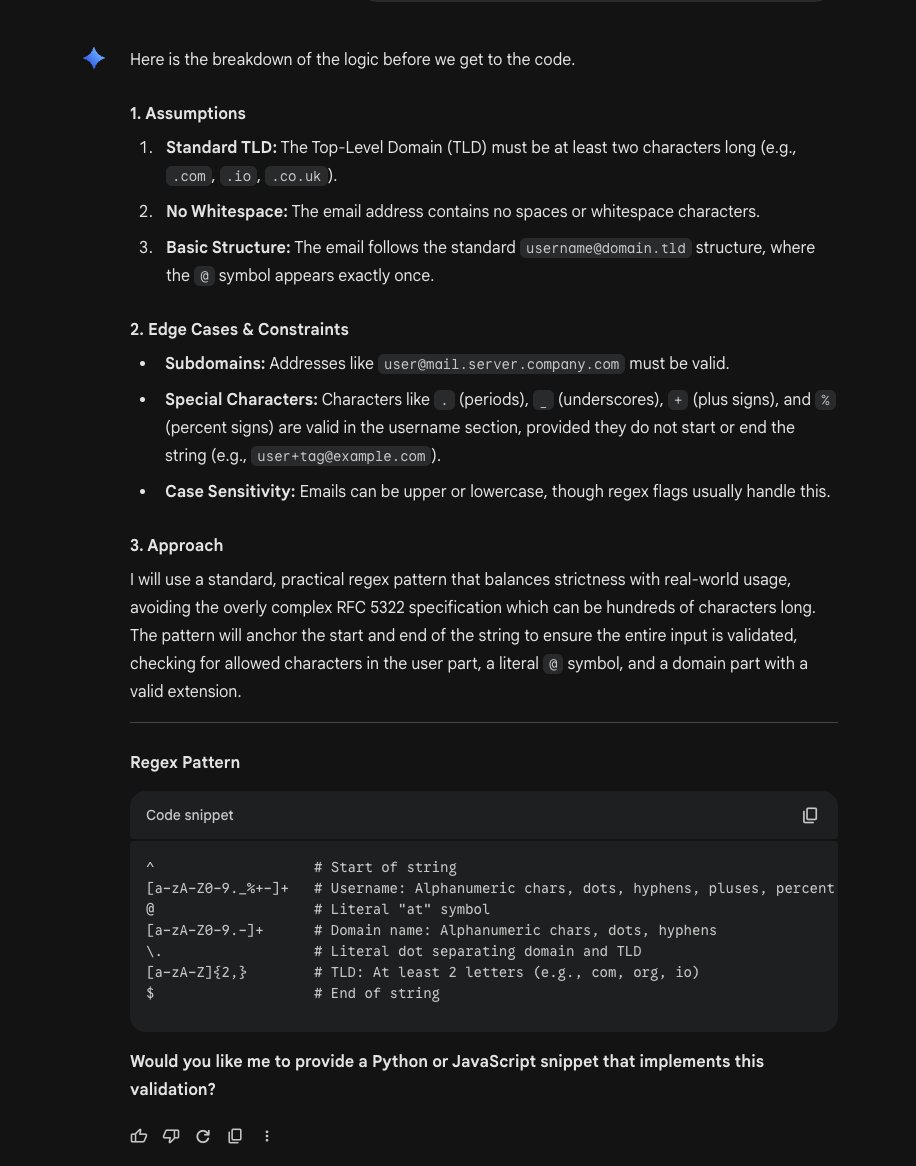
Metacognitive Scaffolding for Error Prevention
By
–
Technique 3: Metacognitive Scaffolding Instead of asking for an answer, engineers ask the model to explain its reasoning process BEFORE generating. This catches logical errors at the planning stage. Template: Before you [generate output], first:
1. List 3 assumptions you're -
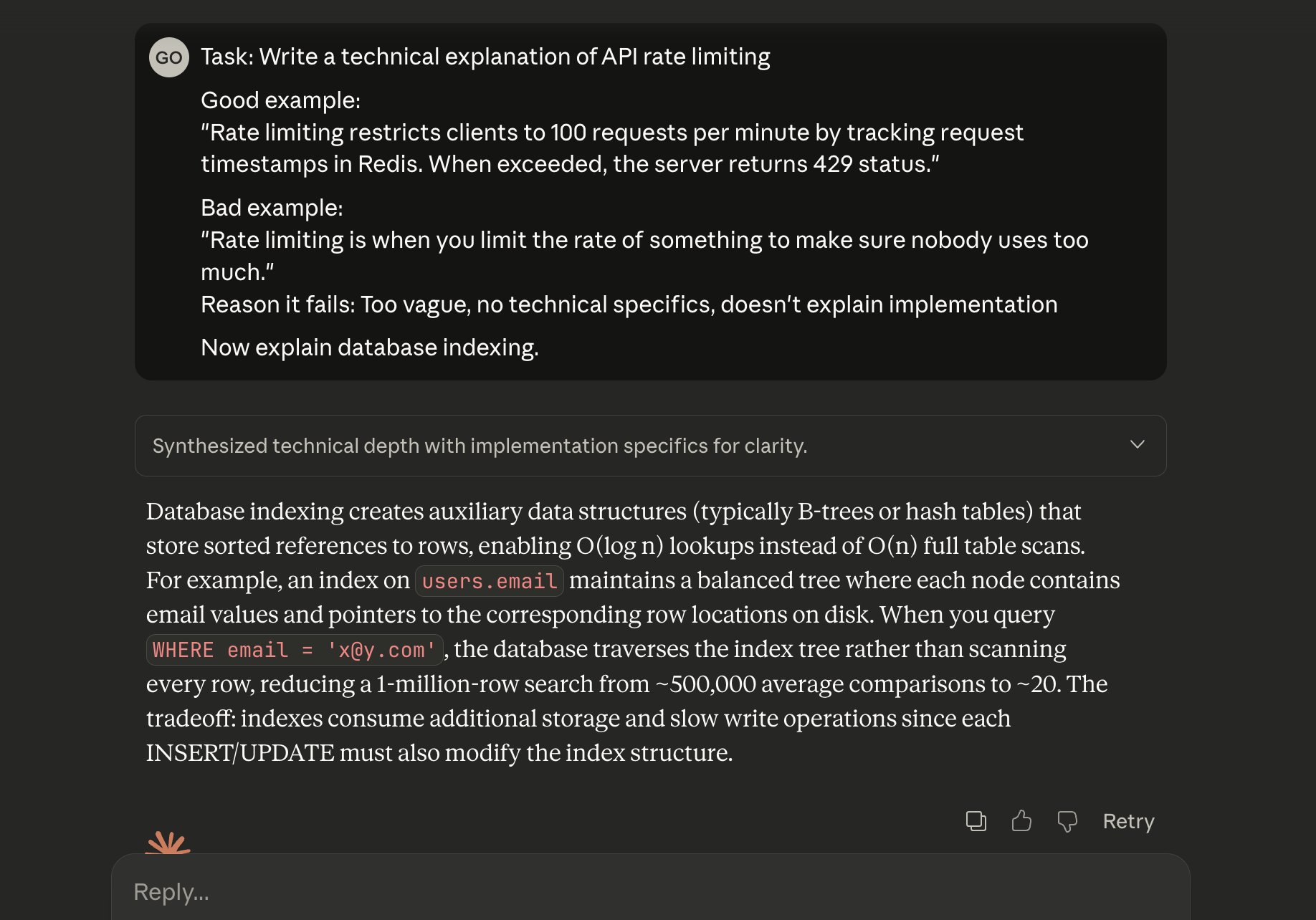
Multi-Shot Technique with Failure Cases
By
–
Technique 2: Multi-Shot with Failure Cases Everyone uses examples. Engineers show the model what NOT to do. This creates boundaries that few-shot alone can't establish. Template: Task: [what you want] Good example:
[correct output] Bad example:
[incorrect output]
Reason it