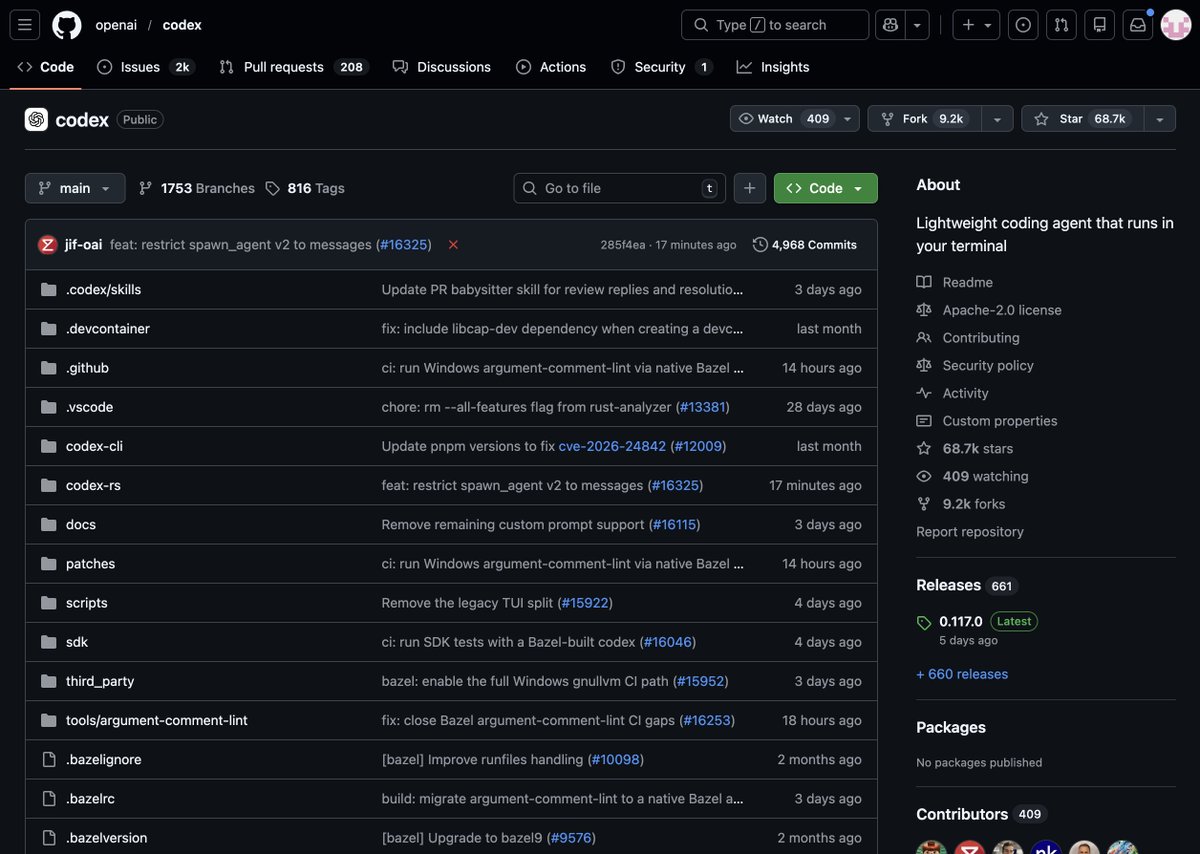
holy shitt, somebody at OpenAI leaked the entire codex codebase.. github.com/openai/codex
→ View original post on X — @arrakis_ai, 2026-03-31 13:27 UTC
By
–
holy shitt, somebody at OpenAI leaked the entire codex codebase.. github.com/openai/codex
→ View original post on X — @arrakis_ai, 2026-03-31 13:27 UTC
By
–
Reminder the Codex agent is open source 🤣
→ View original post on X — @arrakis_ai, 2026-03-31 13:22 UTC
By
–
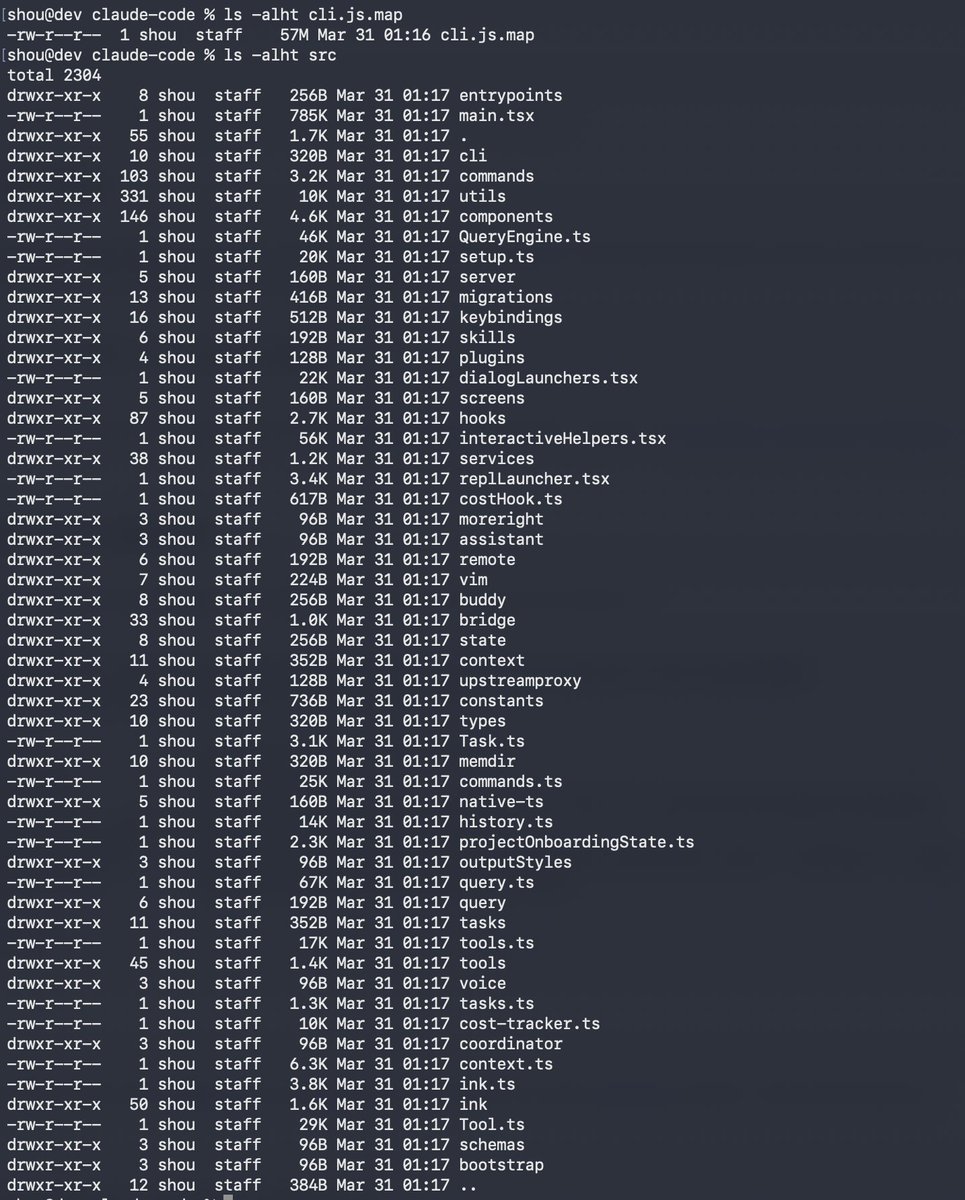
Holy shxt… Chaofan Shou (@Fried_rice) Claude code source code has been leaked via a map file in their npm registry! Code: pub-aea8527898604c1bbb12468b… — https://nitter.net/Fried_rice/status/2038894956459290963#m
→ View original post on X — @arrakis_ai, 2026-03-31 11:15 UTC
By
–
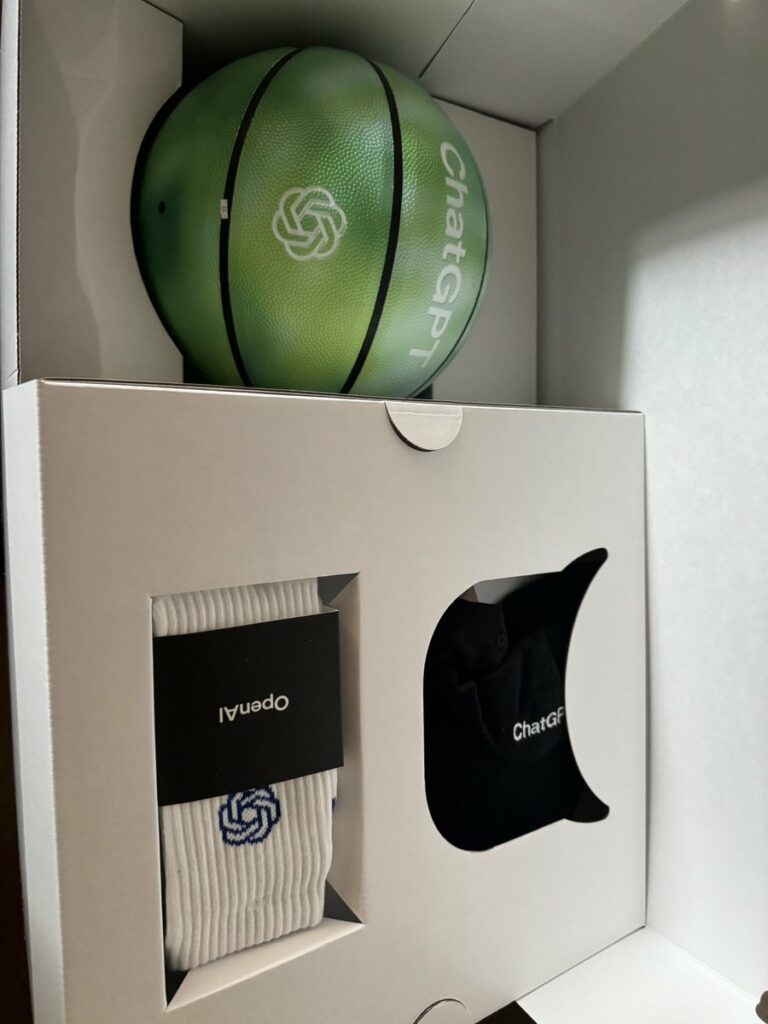
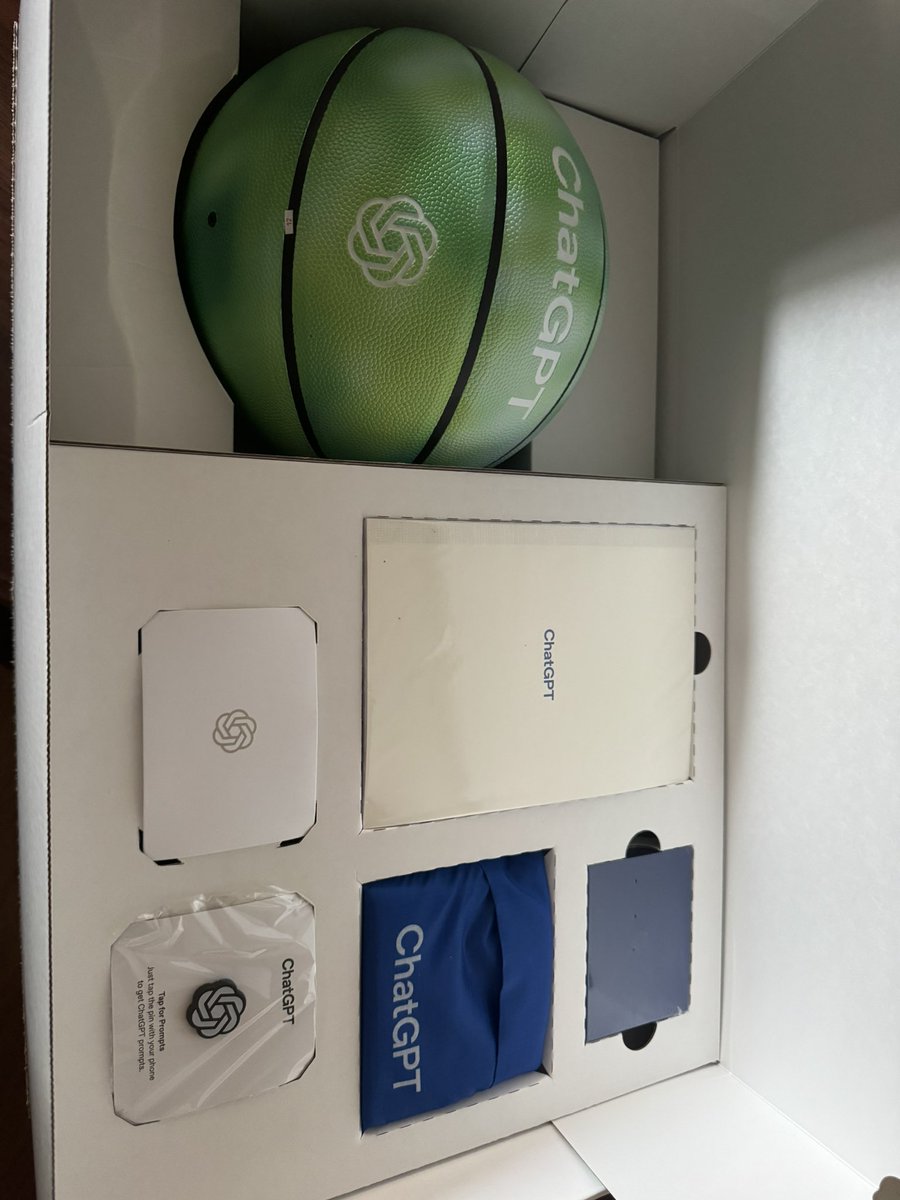
I just received the gift package from @OpenAI , and I wanted to say thank you. I really appreciate the thoughtful gesture it made my day! @ChatGPTapp
→ View original post on X — @arrakis_ai, 2026-03-28 02:33 UTC
By
–
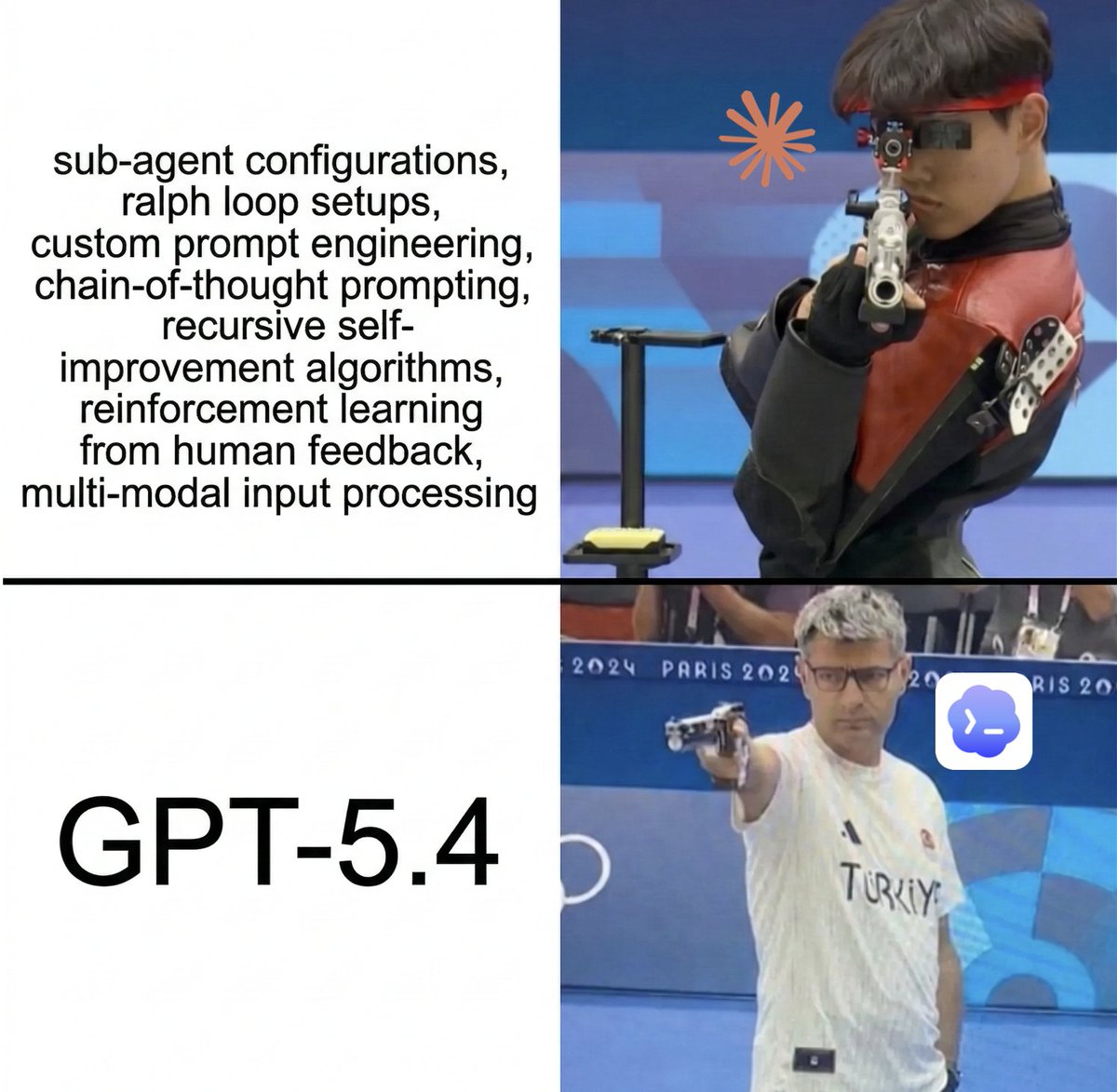
holy sht.. AI just changed how software gets built. Codex App might be the closest thing to a GPT-3 moment for development. For years, AI coding tools lived inside terminals. Claude Code, Codex CLI, all incredibly powerful, but they still felt like tools built by developers, for developers. Flexible? absolutely. But also fragmented, full of setup, plugins, MCP servers, and custom workflows. Great for engineers. Not exactly a product for everyone else. What Codex changes isn’t just the model. It’s the interface of development. Instead of stitching together tools, environments and scripts, you simply talk to the system. Behind the scenes, agents read your codebase, modify files, install dependencies and execute tasks. Software creation starts to feel less like programming and more like delegating work. The moment it clicked for me was simple. During the OpenClaw wave I bought a Mac mini and set up a fresh environment. Normally the first installs would be npm or brew. This time it was Codex. I gave it full access and asked it to install everything needed to run the project. Dependencies, environment setup, configuration, runtime. All from a single prompt. Watching the system configure itself without touching the terminal once felt like looking at the next interface of computing. Not because AI wrote code. But because the computer started executing intentions instead of commands. Most people think AI will democratize coding by generating code faster. But that’s not the real shift. The real shift is that software development is slowly moving from writing code to assigning tasks to agents. Historically computing had three main interfaces. CLI for engineers, GUI for consumers, APIs for systems. AI introduces a new one. The agent interface. You don’t operate the software anymore. You tell systems what outcome you want and they orchestrate the process. If that interface becomes mainstream, the impact goes far beyond coding. It changes how startups are built, how products are shipped, and how technical the world needs to be to create software. Codex App might be one of the first glimpses of that future.
→ View original post on X — @arrakis_ai, 2026-03-06 12:32 UTC
By
–
Claude Code vs Codex App [Translated from EN to English]
→ View original post on X — @arrakis_ai, 2026-03-06 07:44 UTC

By
–
🚨 Breaking: Gemini 3.1 Flash Lite is Live on AI Studio. Text, image and video • Input: $0.25 / Output: $1.50
Audio • Input: $0.50 / Output: $1.50 [Translated from EN to English]
→ View original post on X — @arrakis_ai, 2026-03-03 16:12 UTC
By
–
Hugging Face:
https://huggingface.co/Qwen/Qwen3.5-0.8B [Translated from EN to English]
→ View original post on X — @arrakis_ai, 2026-03-02 13:04 UTC

By
–
🚨 Breaking News: The Qwen3.5 small model has been released on Hugging Face.
→ View original post on X — @arrakis_ai, 2026-03-02 13:04 UTC
By
–
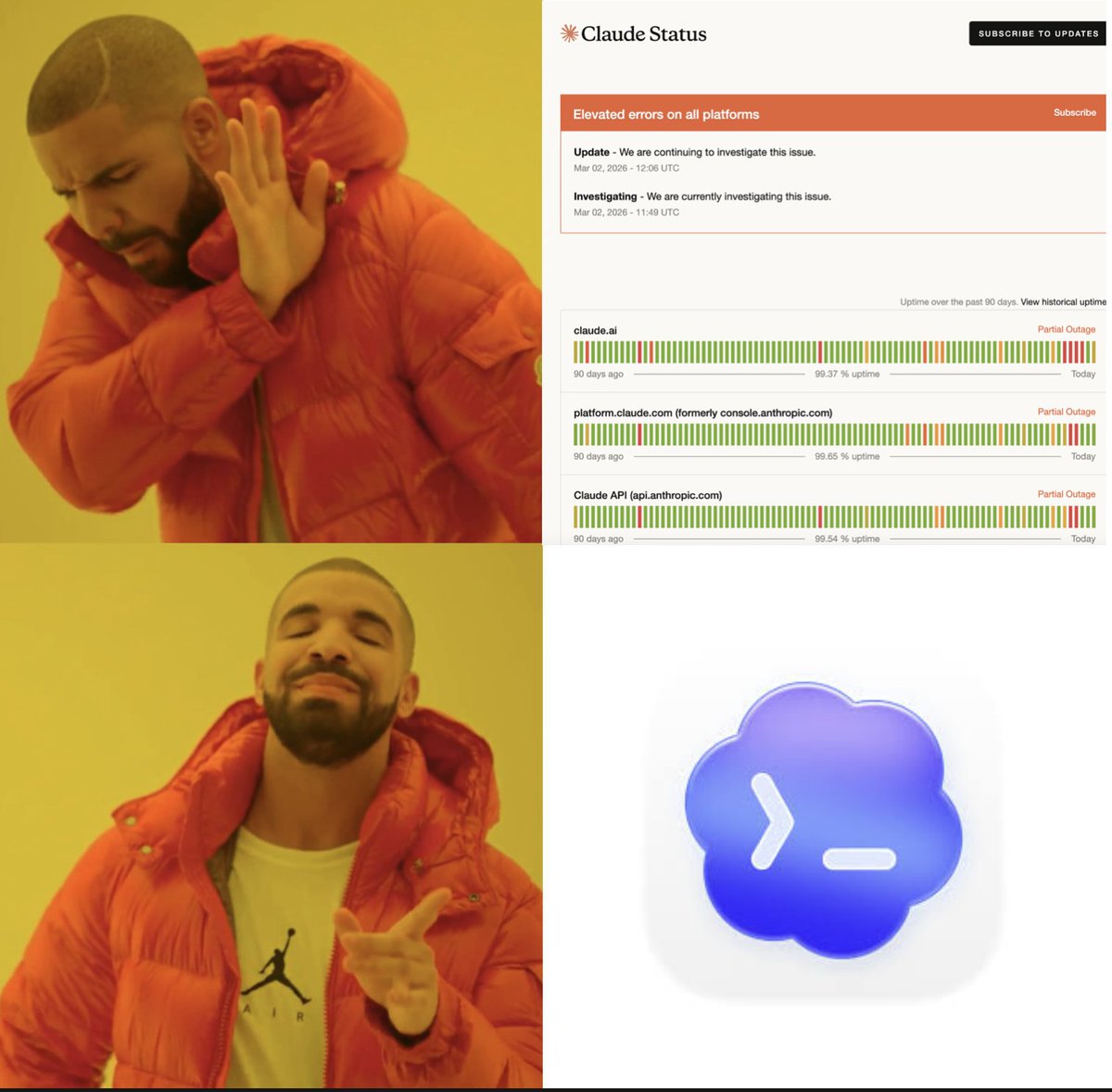
🚨 Breaking : Claude is Down
→ View original post on X — @arrakis_ai, 2026-03-02 12:12 UTC