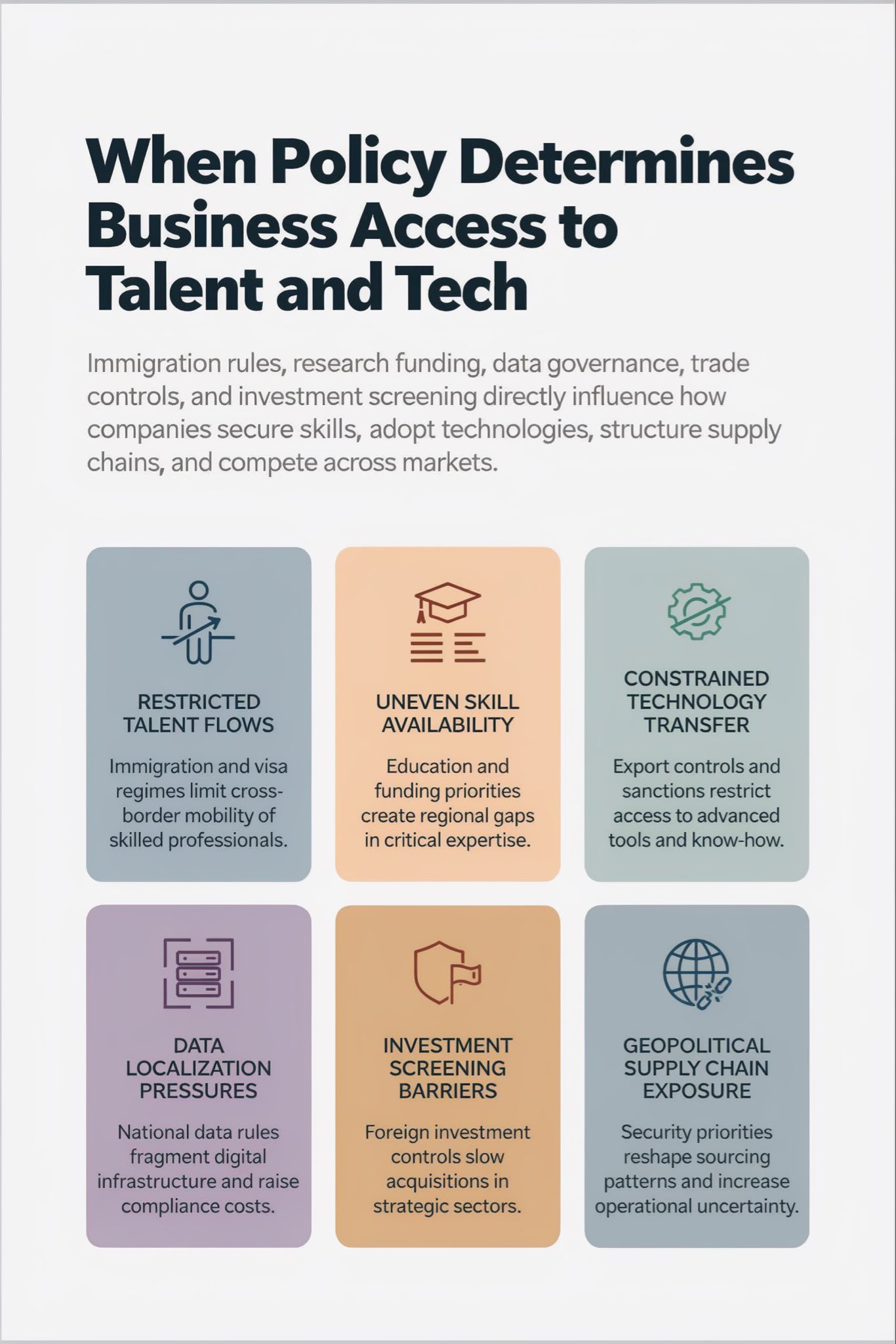
What I notice is that the model behaves better when you already know how to structure the content. In a way, it does not replace the thinking, but it can support the translation of that thinking into a visual form.
@antgrasso
-
Healthcare Infrastructure: Foundation for Reliable and Secure Care
By
–
Healthcare infrastructure goes far beyond systems and tools. It is the invisible foundation that keeps care reliable, secure, and trusted at every touchpoint. https://t.co/Ot7AqYB5Qu
— Antonio Grasso (@antgrasso) 25 mars 2026Healthcare infrastructure goes far beyond systems and tools. It is the invisible foundation that keeps care reliable, secure, and trusted at every touchpoint.
-
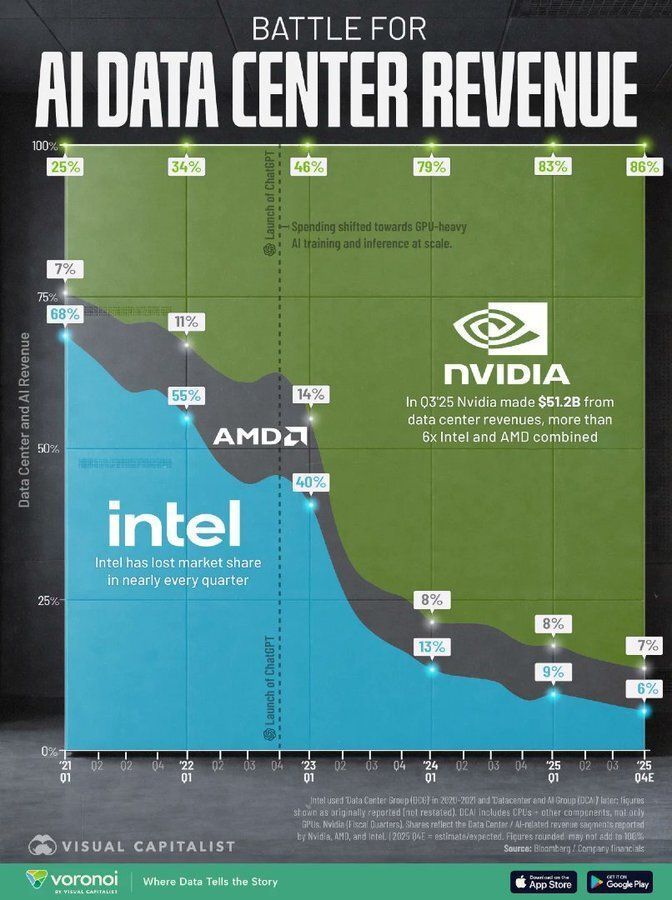
GPU Capacity Dominance Reshapes AI Data Center Economics and Strategy
By
–
AI data center capex is no longer neutral: GPU capacity now defines who can train and deploy models at scale. Procurement and architecture must adjust, because reliance on a single AI stack increases cost volatility and long-term lock-in risk. Source @VisualCap via @antgrasso
→ View original post on X — @antgrasso, 2026-03-24 14:02 UTC
-
Edge Inference: Network Latency and Real-Time AI Decisions
By
–
Timing is becoming the real constraint in applied AI. Moving inference to the network edge reduces latency and enables real-time decisions. The network starts to act as a distributed compute layer, supporting operations exactly where and when they are needed.
-

AI Optimizes Hospital Operations and Resource Scheduling
By
–
Hospital operations generate constant pressure on beds and staff. AI models read admission patterns and guide scheduling or resource allocation, so managers act earlier and keep patient flow stable when demand shifts during the day. Microblog @antgrasso #MedTech
-
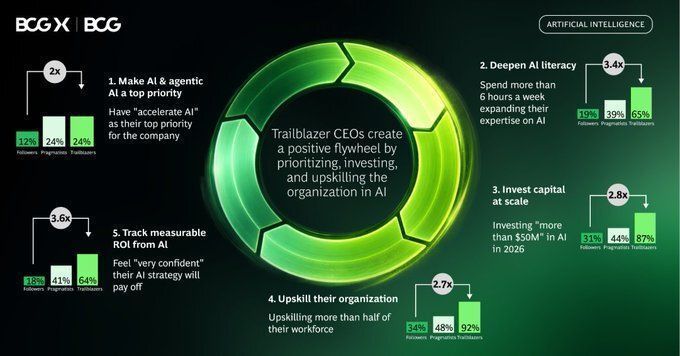
AI Becomes CEO-Level Responsibility with Measurable ROI Impact
By
–
AI is now a CEO-level responsibility. Since investment is rising and ROI expectations are explicit, managers must identify where AI removes friction, set a baseline, and launch a deployment with measurable impact. Source @BCG Link https://
on.bcg.com/40aGbKS via @antgrasso -
Edge Computing Integration Reduces Latency in Distributed Operations
By
–
When connectivity integrates edge computing and unified control, organizations gain a clearer view of operations, reduce latency, and manage complexity with greater precision, especially in distributed environments like retail and logistics. https://t.co/Sycu2SbuBo
— Antonio Grasso (@antgrasso) 21 mars 2026When connectivity integrates edge computing and unified control, organizations gain a clearer view of operations, reduce latency, and manage complexity with greater precision, especially in distributed environments like retail and logistics.
-
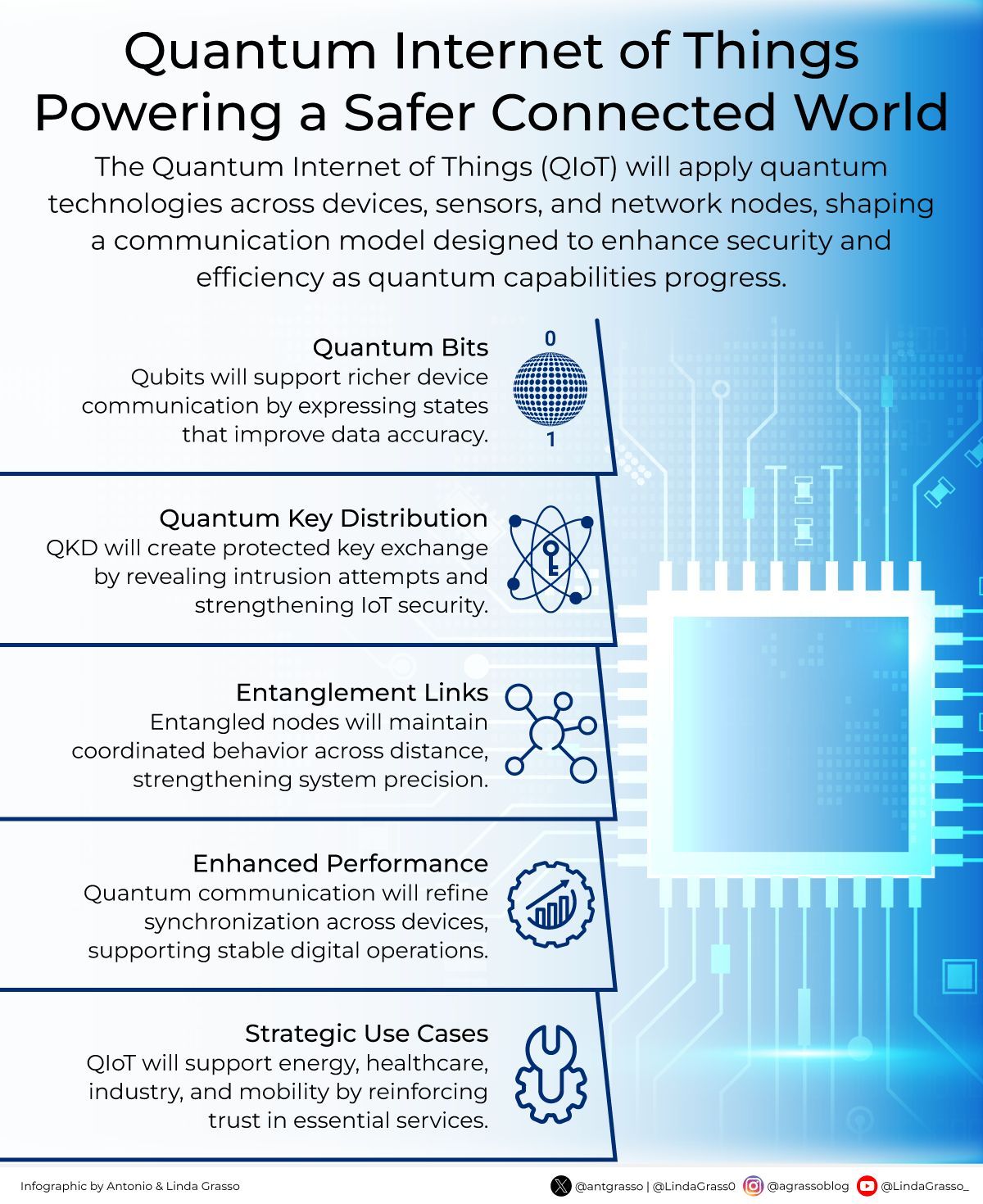
Quantum Networks Enhance IoT Security Across Critical Infrastructure
By
–
Quantum networks are extending IoT architectures with qubits, QKD and entanglement-based links. As connected assets multiply in energy, healthcare and mobility, secure key exchange and synchronized nodes reduce risk and protect critical services at scale. Microblog @antgrasso
-
Automating QA: Intent-Driven Testing Reduces Implementation Friction
By
–
This direction is very meaningful, since translating intent into executable tests can reduce friction in QA workflows and let teams focus more on quality thinking rather than repetitive implementation. https://t.co/st1oSDTgi2
— Antonio Grasso (@antgrasso) 20 mars 2026This direction is very meaningful, since translating intent into executable tests can reduce friction in QA workflows and let teams focus more on quality thinking rather than repetitive implementation.
-
Private 5G Networks: Enterprise Security and Performance Control
By
–
An interesting angle is the role of private and on-demand 5G networks, which give enterprises more control over security and performance, especially in data-intensive environments where reliability and consistency are critical. https://t.co/A66iEihpB9
— Antonio Grasso (@antgrasso) 20 mars 2026An interesting angle is the role of private and on-demand 5G networks, which give enterprises more control over security and performance, especially in data-intensive environments where reliability and consistency are critical.