ROSCOE is a first-of-its-kind suite of metrics for scoring step-by-step reasoning. We hope this work provides a foundation that enables scalable systematic evaluation and benchmarking of new language models. Read the paper https://
bit.ly/3XxYAgU
@aiatmeta
-
ROSCOE: New Metrics Suite for Evaluating Step-by-Step Reasoning
By
–
-
Token Merging Cuts ViT Inference Time in Half
By
–
Token Merging can cut inference time in half & we expect it to unlock more use of large-scale ViT models in real-world applications. To enable the research community to build upon these advancements we've released the code and benchmarks here
-
Meta AI Reduces Vision Transformer Latency with Token Merging
By
–
New research from Meta AI reduces latency of existing Vision Transformer models with no additional training. ToMe combines similar tokens, reducing computation w/o losing information. Results are 2-3x speed for state-of-the-art models w/ minimal performance loss.
— AI at Meta (@AIatMeta) 13 février 2023
Read more ⬇️New research from Meta AI reduces latency of existing Vision Transformer models with no additional training. ToMe combines similar tokens, reducing computation w/o losing information. Results are 2-3x speed for state-of-the-art models w/ minimal performance loss. Read more
-
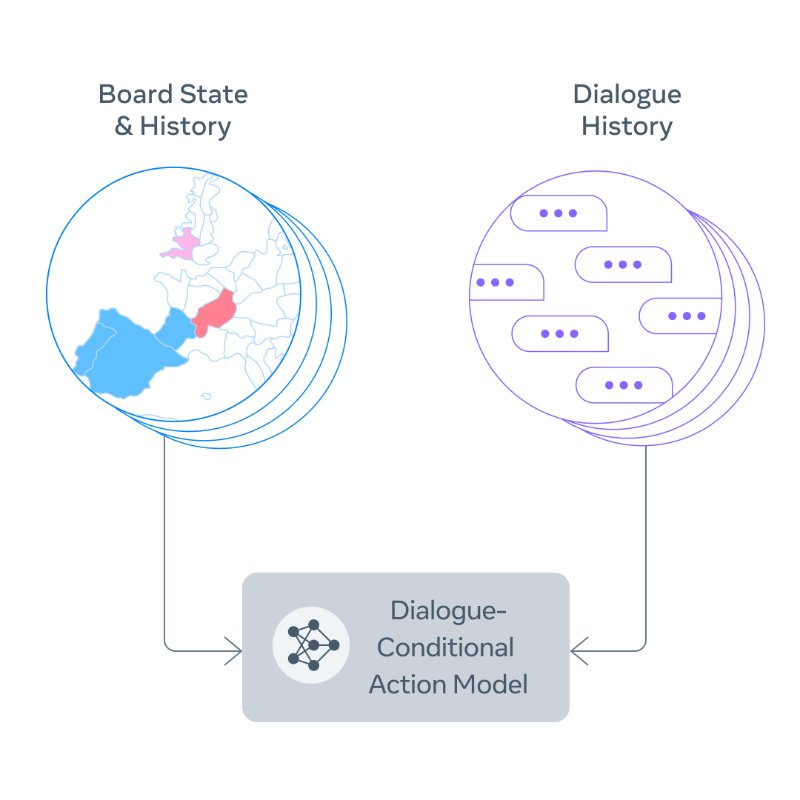
CICERO by Meta AI: Strategic Dialogue Generation Process
By
–
#CICERObyMetaAI generates strategic, free-form dialogue by: Predicting the moves other players are likely to make. Creating a plan based on those predictions. Generating messages. Filtering the final messages for clarity and value. Read more on our blog
-
E3B: New Method for Exploring Complex Variable Environments
By
–
E3B is a method for exploring complex environments which vary across episodes. This work set a new SOTA for MiniHack & reward-free exploration on Habitat in October.
— AI at Meta (@AIatMeta) 7 février 2023
Read the paper ➡️ https://t.co/5oxIf1kDAy
Get the code ➡️ https://t.co/omz9GLkkha pic.twitter.com/elUIs4FIofE3B is a method for exploring complex environments which vary across episodes. This work set a new SOTA for MiniHack & reward-free exploration on Habitat in October. Read the paper https://
bit.ly/3JUCceJ
Get the code https://
bit.ly/3YulsPk -
Universal Speech Translator Enables Hokkien Speech-to-Speech Translation
By
–
Our Universal Speech Translator (UST) is the first AI-powered translation system providing speech-to-speech translation for Hokkien, one of ~3k primarily spoken languages with no standard writing system & very few human translators.
— AI at Meta (@AIatMeta) 6 février 2023
More on this work ➡️ https://t.co/NwH7zditOD pic.twitter.com/XTAqpFblF1Our Universal Speech Translator (UST) is the first AI-powered translation system providing speech-to-speech translation for Hokkien, one of ~3k primarily spoken languages with no standard writing system & very few human translators. More on this work https://
bit.ly/3Rw3SIl -
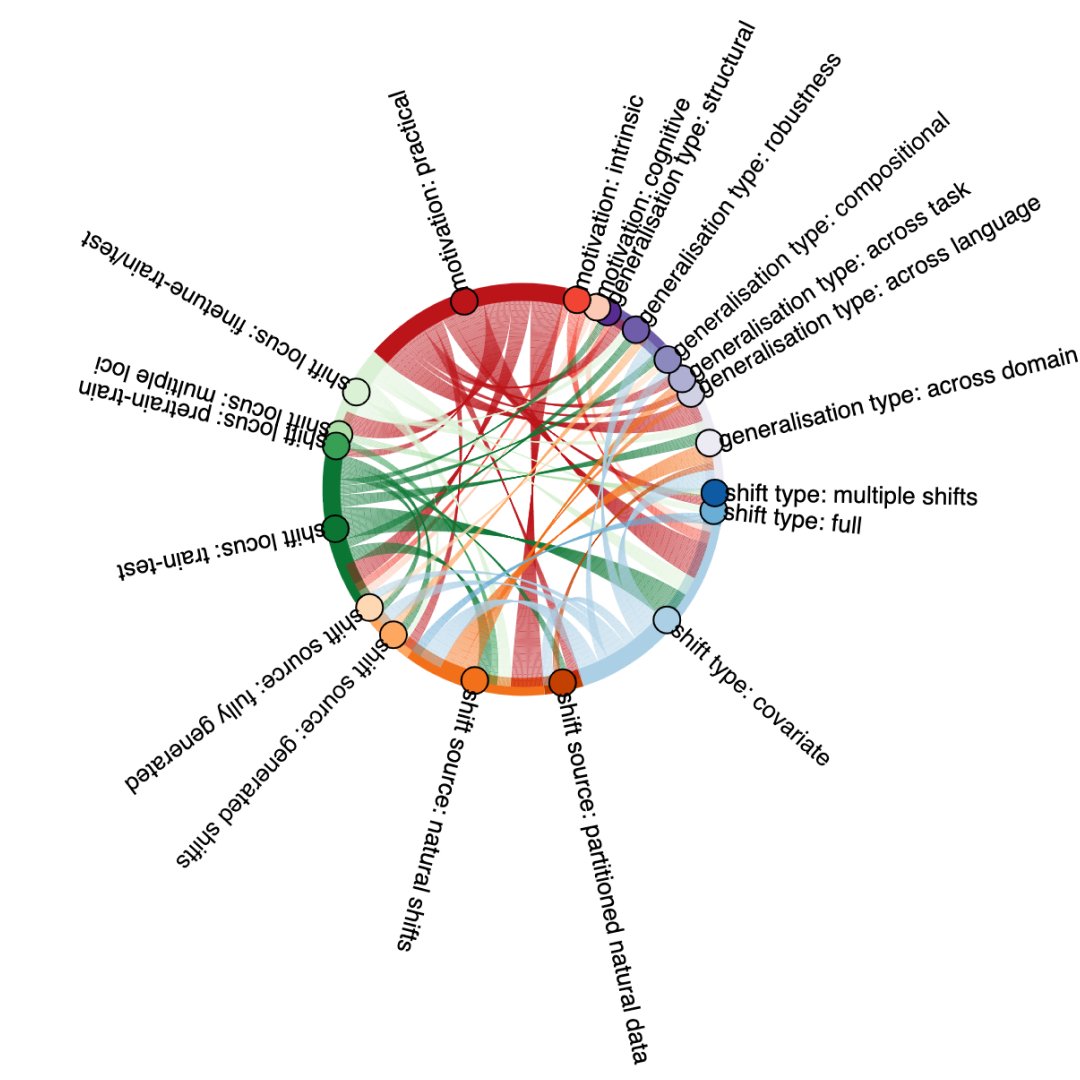
GenBench: Meta AI’s New Generalization Testing Framework for NLP
By
–
GenBench is a new effort led by Meta AI researchers, aims to make state-of-the-art generalization testing the new status quo for NLP work. Learn more about the project and read the paper on the new generalization taxonomy http://
genbench.org -

MultiRay: Meta’s Efficient Platform for Large-Scale AI Models
By
–
MultiRay is Meta’s platform for efficiently running large-scale, state-of-the-art AI models. By converting input to an embedding that’s cached & shared between users, MultiRay greatly reduces complexity & energy use.
-
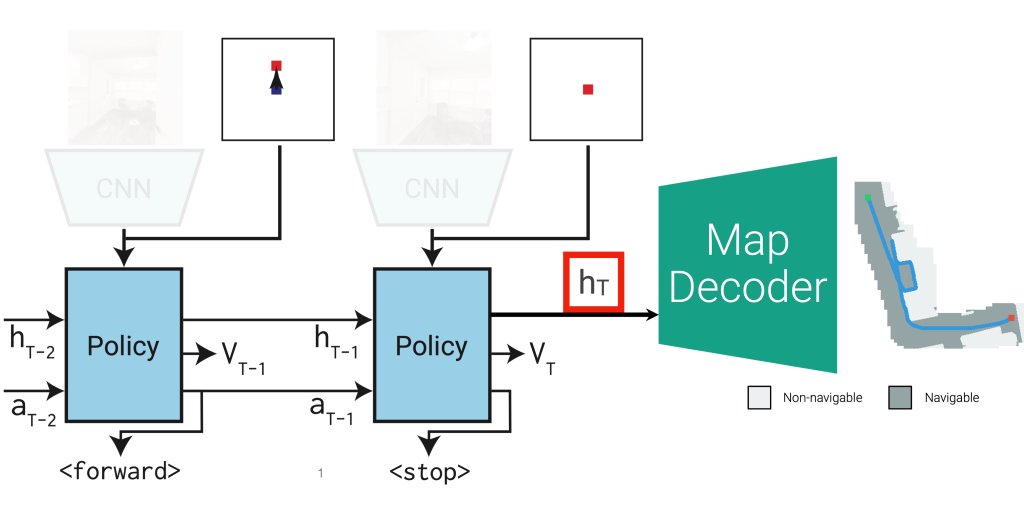
Blind AI Agents Learn Navigation Through Emergent Neural Representations
By
–
We train blind AI agents to navigate — i.e. no sensory input other than ego-motion and found the emergence of wall-following, collision-detection neurons, and map-like representations in their memories. This provides new insights into the success of 'map-free' navigation agents.
-
Blind Navigation Agents Learn to Create Mental Maps
By
–
📣 New paper: Emergence of Maps in the Memories of Blind Navigation Agents
— AI at Meta (@AIatMeta) 1 février 2023
Humans have the ability to navigate poorly lit spaces by relying on touch and memory. Our research shows that blind AI agents can learn to do the same.
Read the paper ➡️ https://t.co/XY5kNU5FwR pic.twitter.com/IbfumhR4ZUNew paper: Emergence of Maps in the Memories of Blind Navigation Agents Humans have the ability to navigate poorly lit spaces by relying on touch and memory. Our research shows that blind AI agents can learn to do the same. Read the paper https://
bit.ly/40evpCh